
Understanding Automated PCR Machines: Benefits, Applications, and Future Trends
Why Automated PCR Machines Matter in Today’s World
In an age where every second counts — especially when dealing with infectious diseases or environmental monitoring — the automated PCR machine quietly plays a monumental role. Whether we talk about controlling pandemics, diagnosing genetic conditions, or even tracking biodiversity, this technology has become a game-changer that helps labs crank out results rapidly and more reliably than ever before.
Globally, advances in biotechnology and healthcare lean heavily on the ability to amplify DNA sequences quickly and precisely. Understanding automated PCR machines is no longer just for lab technicians but for anyone interested in how innovative technology powers health responses and research worldwide. This article digs into what makes these machines tick, their real-world applications, and why they’re shaping the future of diagnostics.
Setting the Stage: The Global Relevance of Automated PCR Machines
Looking across continents, the demand for rapid and reliable nucleic acid amplification tests is skyrocketing. The World Health Organization notes that early and accurate detection of pathogens is critical for controlling disease outbreaks—think of COVID-19 or Ebola. Automated PCR machines streamline this by eliminating many human errors and speeding up testing cycles.
According to the International Organization for Standardization (ISO), automation in molecular diagnostics improves reproducibility and reduces contamination risks, which is key when handling delicate samples. Yet, many regions—especially low-resource settings—still struggle with labor-intensive PCR protocols that take hours or even days. Automated PCR solutions dramatically cut downtime and workforce requirements, making a critical difference where lab personnel are scarce.
Mini Takeaway
The push for faster, safer, and more scalable DNA testing solutions worldwide is driving automations like never before. This tech not only delivers efficiency but also democratizes access to critical diagnostics, bridging gaps between advanced and developing regions.
What Exactly Is an Automated PCR Machine?
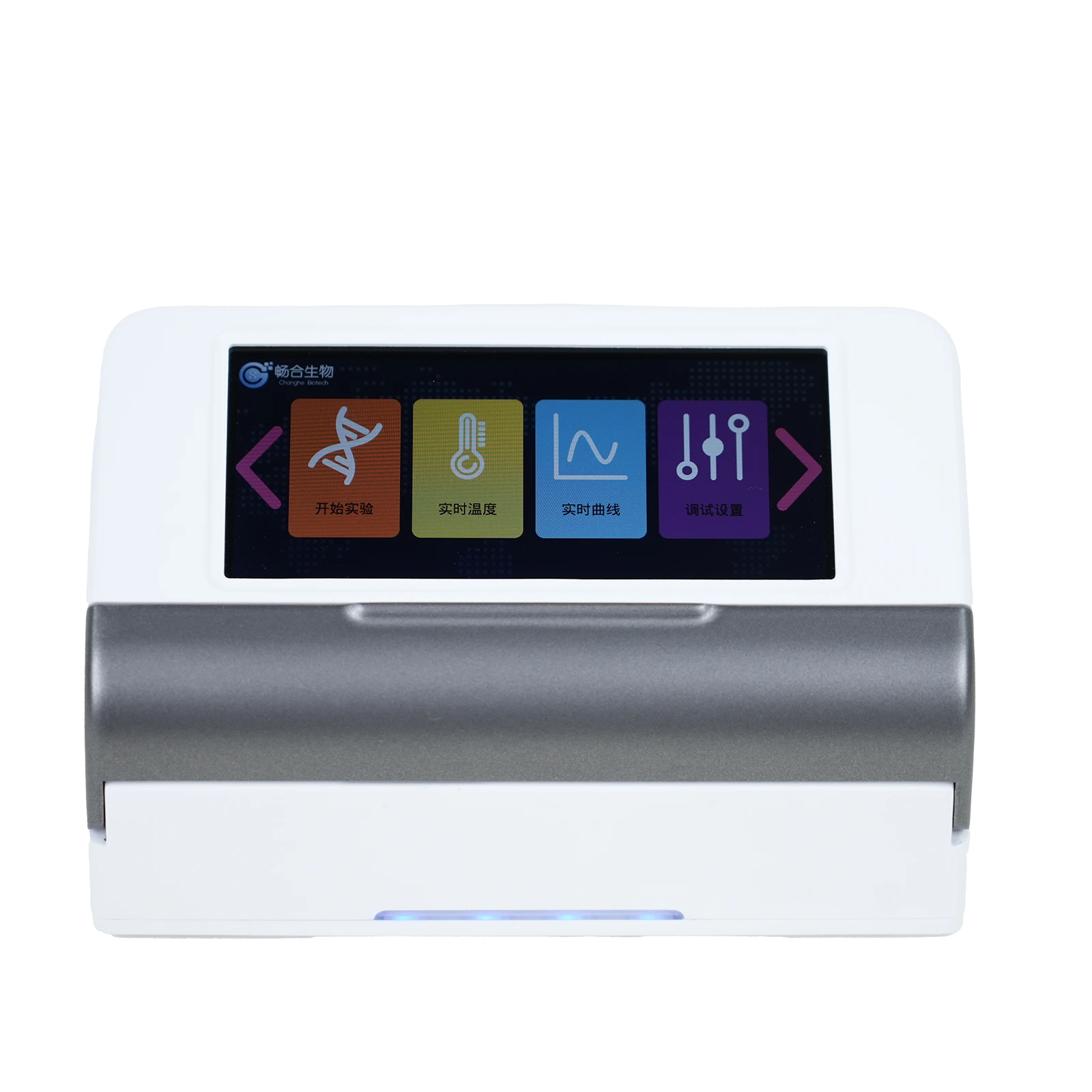
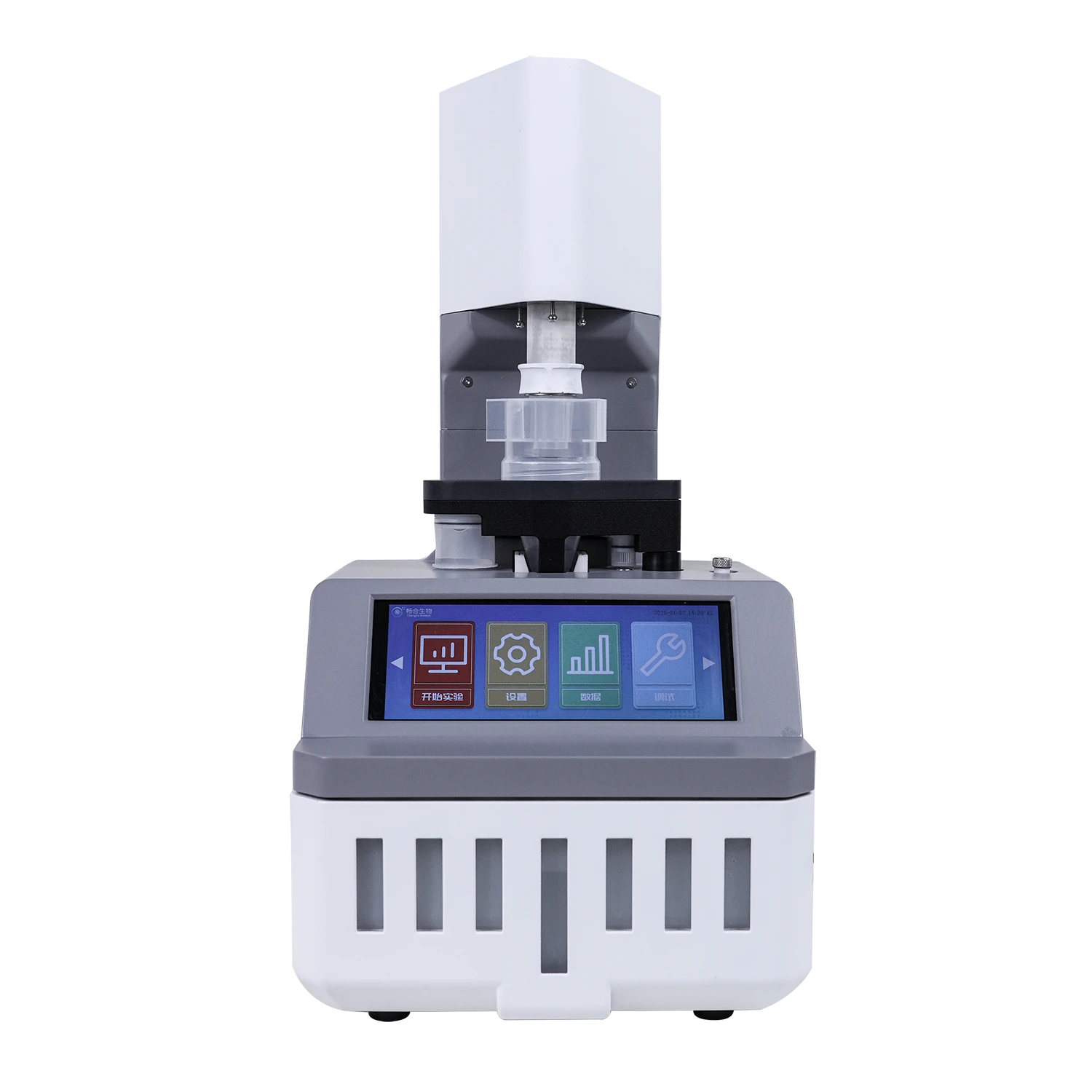
If you’re wondering what an automated PCR machine is, think of it as a robotic assistant that runs polymerase chain reaction (PCR) tests with minimal human intervention. It’s designed to isolate DNA or RNA from biological samples, amplify targeted genetic sequences exponentially, and report results — all with programmed precision.
These machines combine thermal cycling, liquid handling, and detection modules, often packed into a benchtop device. For industries like clinical diagnostics, pharmaceutical R&D, and even forensic science, they’re indispensable tools — enabling faster turnaround times and consistent output.
Interestingly, their relevance extends beyond the lab walls; in humanitarian contexts, mobile automated PCR platforms can identify diseases on the spot, speeding up treatment and containment.
Mini Takeaway
An automated PCR machine is more than a tool; it represents a leap toward precision medicine and rapid, decentralized diagnostics.
Key Features That Make Automated PCR Machines Tick
1. Accuracy and Sensitivity
The fundamental purpose of PCR is to detect minute amounts of DNA. Automated systems maintain consistent temperature control during thermal cycling, reducing variability and boosting test sensitivity — even detecting a single copy of viral RNA in a sample. Accuracy here is life-saving.
2. Scalability and Throughput
From small clinics processing a handful of samples daily to massive reference labs handling thousands, automated PCR machines scale accordingly. Some commercial units have 96- or 384-well blocks, allowing hundreds of samples per run. This means labs can adapt quickly as demand spikes.
3. Workflow Integration and Data Management
Modern devices output digital results compatible with laboratory information management systems (LIMS). This integration cuts paperwork, reduces transcription errors, and facilitates faster clinical decisions — a must when every hour counts.
4. Durability and Portability
Not all automated PCR machines are bulky instruments confined to lab benches. Many models now boast rugged designs for fieldwork, battery power options, and compact sizes, ideal for outbreak investigations and remote sites.
5. Cost Efficiency
While initial investments can be significant, the overall cost per test decreases as automation reduces labor, reagent waste, and error rates — saving money in the long run.
Mini Takeaway
The combination of precision, speed, and adaptability makes automated PCR machines invaluable assets across sectors and settings worldwide.
Global Applications: Where and Who Benefits Most?
- Healthcare and Epidemic Control: During the COVID-19 pandemic, automated PCR machines enabled mass testing that saved countless lives.
- Environmental Monitoring: Agencies in Europe and Asia use them to monitor water safety and detect pathogens early.
- Pharmaceutical and Biotech Industries: For drug development and quality control.
- Forensic Laboratories: DNA profiling depends heavily on precise PCR amplification.
- Humanitarian Missions: Rapid disease diagnosis during outbreaks in Africa’s remote regions has been possible thanks to portable automated PCR platforms.
In short, if you’re building health infrastructure or chasing fast, accurate genetic information, these machines are front and center.
Mini Takeaway
The versatility of automated PCR machines bridges labs, hospitals, and even disaster zones — a critical technology for global health resilience.
Automated PCR Machine Product Specifications at a Glance
| Feature | Specification | Value |
|---|---|---|
| Thermal Cycling Range | Temperature | 4°C to 99°C |
| Sample Capacity | Plate Format | 96 wells |
| Throughput | Max Samples/Run | Up to 384 |
| Run Time | Minutes per Cycle | 30 - 90 mins |
| Connectivity | Digital Output | USB, Ethernet, Wi-Fi |
| Weight | Approximate | 15 kg |
Choosing the Right Vendor: A Quick Comparison
| Vendor | Key Strengths | Pricing ($) | Global Support |
|---|---|---|---|
| BioTech Solutions | High throughput, modular design | 45,000 - 70,000 | Worldwide |
| GenLab Instruments | User-friendly interface, portable options | 30,000 - 55,000 | North America, Europe |
| RapidPCR Inc. | Fast run times, integrated AI diagnostics | 50,000 - 80,000 | Global |
The Many Advantages of Automated PCR Machines
When labs upgrade to automation, the benefits stack up fast. For one, speed: many tests that used to take hours manually can wrap up in less than an hour — crucial in epidemics when each case matters immensely.
Additionally, human error shrinks, and contamination risks drop. This means results become more trustworthy, easing the burden on clinicians who rely on fast, accurate data for patient decisions. I’ve noticed in conversations with lab managers that confidence in test results grows massively when automation is involved.
On a broader scale, automated PCR machines also enable better resource allocation. They free expert staff for higher-level analysis rather than repetitive pipetting.
Then there’s sustainability — fewer reagents wasted, fewer retests needed. Over time, it’s kinder to budgets and the planet.
The Road Ahead: Future Trends and Innovations
Looking forward, the spotlight shines on even smarter PCR machines. Imagine AI-enhanced diagnostics that not only run tests but interpret them, offering suggestions or flagging anomalies. We’re also seeing a rise in portable, solar-powered PCR devices, perfect for remote field diagnostics, reducing dependency on grid power.
Green innovation also means more eco-friendly reagents and plastic-free consumables — an often overlooked but essential factor given labs churn out gargantuan waste volumes.
Digital connectivity improvements will make remote monitoring and cloud-based data analysis routine, enhancing collaborative research and outbreak surveillance worldwide.
Facing Challenges: What Holds the Automated PCR Machine Back?
Despite the big upsides, these machines aren’t without hurdles. Cost is a significant barrier for many smaller clinics or labs in low-income regions. Also, maintenance and calibration require skilled technicians — not always easy to find.
Then there’s complexity. Even automated systems need well-trained operators and quality control procedures to ensure results stay accurate over time.
Innovative leasing models and expanding training networks are starting to resolve these issues, making access easier.
Frequently Asked Questions About Automated PCR Machines
- How does an automated PCR machine improve test reliability compared to manual methods?
- Automated PCR machines standardize temperature cycling and sample handling, reducing human errors and contamination risks. This consistency leads to more reliable and reproducible results, essential in accurate diagnostics.
- Can automated PCR machines be used in remote or low-resource settings?
- Absolutely. Many modern models are designed to be portable, rugged, and operate with minimal infrastructure, even offering battery or solar power options, making them ideal for fieldwork in remote areas.
- What is the typical turnaround time for tests on these machines?
- While it varies by model and protocol, most automated PCR machines complete runs in 30 to 90 minutes, significantly faster than traditional manual testing methods.
- Are automated PCR machines compatible with existing lab software?
- Yes, many come with integrated connectivity like USB, Ethernet, or Wi-Fi and support interoperability with laboratory information management systems (LIMS), enhancing workflow efficiency.
- What makes investing in automated PCR equipment worthwhile despite higher upfront costs?
- While the initial investment is higher than manual setups, the reduction in labor costs, faster results, accuracy improvements, and lower reagent waste contribute to long-term savings and better clinical outcomes.
Conclusion + Call to Action
To wrap things up, the automated PCR machine stands out as a vital tool underpinning modern diagnostics and research. Its blend of speed, accuracy, scalability, and adaptability meets the urgent needs of both well-equipped labs and field operations worldwide. As we move towards more integrated and intelligent healthcare systems, automating PCR isn’t just a luxury — it’s becoming a necessity.
For anyone interested in exploring state-of-the-art PCR automation technology, I recommend checking out more detailed info at our site: automated pcr machine. It’s a solid starting point for understanding your options and the impact this tech can have on your workflows.
References
-
Understanding pcr testes transgênicos for Agricultural PurityNewsApr.16,2026
-
Understanding Febre do Cão PCR for Precision Veterinary DiagnosticsNewsApr.09,2026
-
Understanding Respiração PCR and Grupo Cat for Advanced Bioaerosol Sampling TechniquesNewsApr.07,2026
-
IDEXX Feline Respiratory PCR Panel A Comprehensive Guide for VeterinariansNewsApr.04,2026
-
Understanding Grupo de Gatos URD PCR and Bioaerosol Sampling for Air Quality ControlNewsMar.28,2026
-
Understanding the Feline Respiratory PCR Panel Grupo de PCR Respiratório do GatoNewsMar.26,2026