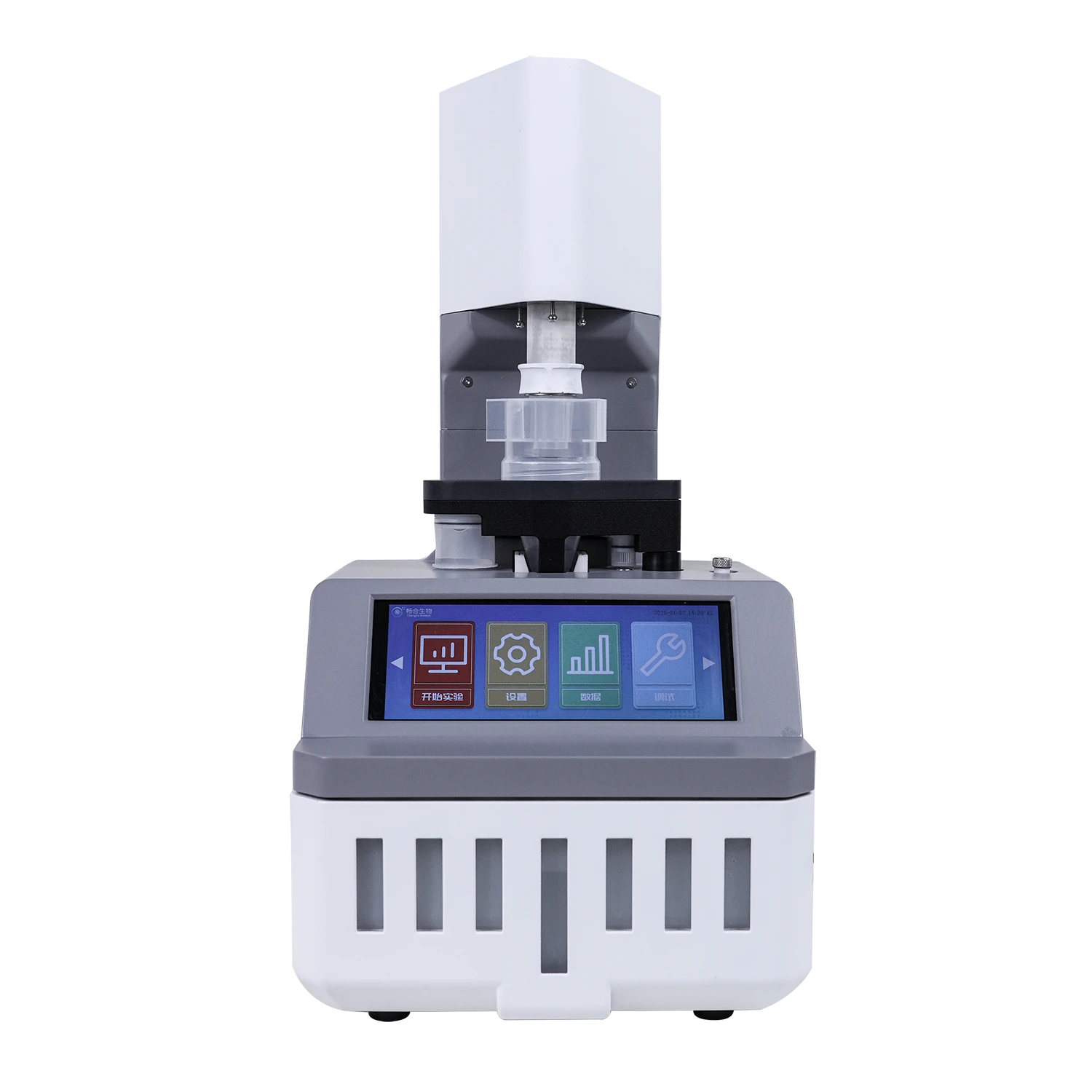

Real Time qPCR Machine – The Future of Rapid Molecular Diagnostics
Understanding the Real Time qPCR Machine: A Game Changer in Molecular Diagnostics
If you’ve ever marveled at how quickly labs can detect viruses, identify bacteria, or even quantify gene expression, you're already inching closer to appreciating what a real time qPCR machine does. It’s a laboratory workhorse enabling precise and rapid detection of nucleic acids, impacting everything from healthcare to environmental science. Globally, as infectious diseases emerge and genetic research accelerates, knowing the ins and outs of this technology isn’t just technical jargon — it’s crucial for anyone interested in bioscience innovation. The benefits are clear: faster results, higher accuracy, and a scalable solution for worldwide diagnostic needs.
Why Real Time qPCR Machines Matter Globally
According to the World Health Organization, rapid diagnostic testing is essential to control the spread of infectious diseases. The real time qPCR machine has revolutionized these efforts. In 2020, during the COVID-19 pandemic, these machines made headlines for their role in quickly identifying SARS-CoV-2 RNA, vastly increasing testing throughput globally. The market for quantitative PCR (qPCR) technologies is projected to grow annually by nearly 7% (reported by MarketsandMarkets, 2024), reflecting its escalating demand across clinical labs, food safety, veterinary medicine, and even forensic science.
However, challenges remain — many regions still struggle with access to technology that is both affordable and easy to use. This gap underscores the importance of innovations in real time qPCR machines that are cost-effective and field-deployable.
Mini takeaway:
- The real time qPCR machine is more than lab equipment—it’s a frontline tool for health and safety worldwide.
- Global demand is soaring, driven by pandemics, food safety, and advancing biotech.
What Exactly Is a Real Time qPCR Machine?
In simple terms, a real time qPCR (quantitative polymerase chain reaction) machine is an instrument that amplifies DNA or RNA sequences and measures their quantity in real-time as the reaction progresses. Unlike traditional PCR, which only provides end-point data, real time qPCR tracks the amplification process cycle by cycle, providing quantitative data that can be analyzed immediately.
This ability is crucial in applications requiring precise measurement of nucleic acids — e.g., diagnosing viral loads in patients, detecting genetic mutations, or verifying contamination in food products. It bridges cutting-edge molecular biology with practical, everyday diagnostics, impacting medicine, agriculture, and even environmental monitoring.
Mini takeaway:
- The real time qPCR machine tracks DNA/RNA amplification instantly, unlike classic PCR.
- It’s a cornerstone for modern molecular testing — fast, quantitative, and reliable.
Key Components Defining a Quality Real Time qPCR Machine
1. Sensitivity and Specificity
These are king in diagnostics. A quality machine distinguishes tiny amounts of genetic material amidst a sea of other molecules. Many manufacturers enhance this by optimizing fluorescent dyes and probes, allowing detection down to a few copies of a nucleic acid.
2. Thermal Cycling Precision
Temperature control is critical for PCR reactions to work correctly. A real time qPCR device must rapidly and accurately cycle through denaturation, annealing, and extension phases — sometimes up to 40 cycles in under 2 hours. This precision reduces errors and improves reproducibility.
3. User Interface & Software
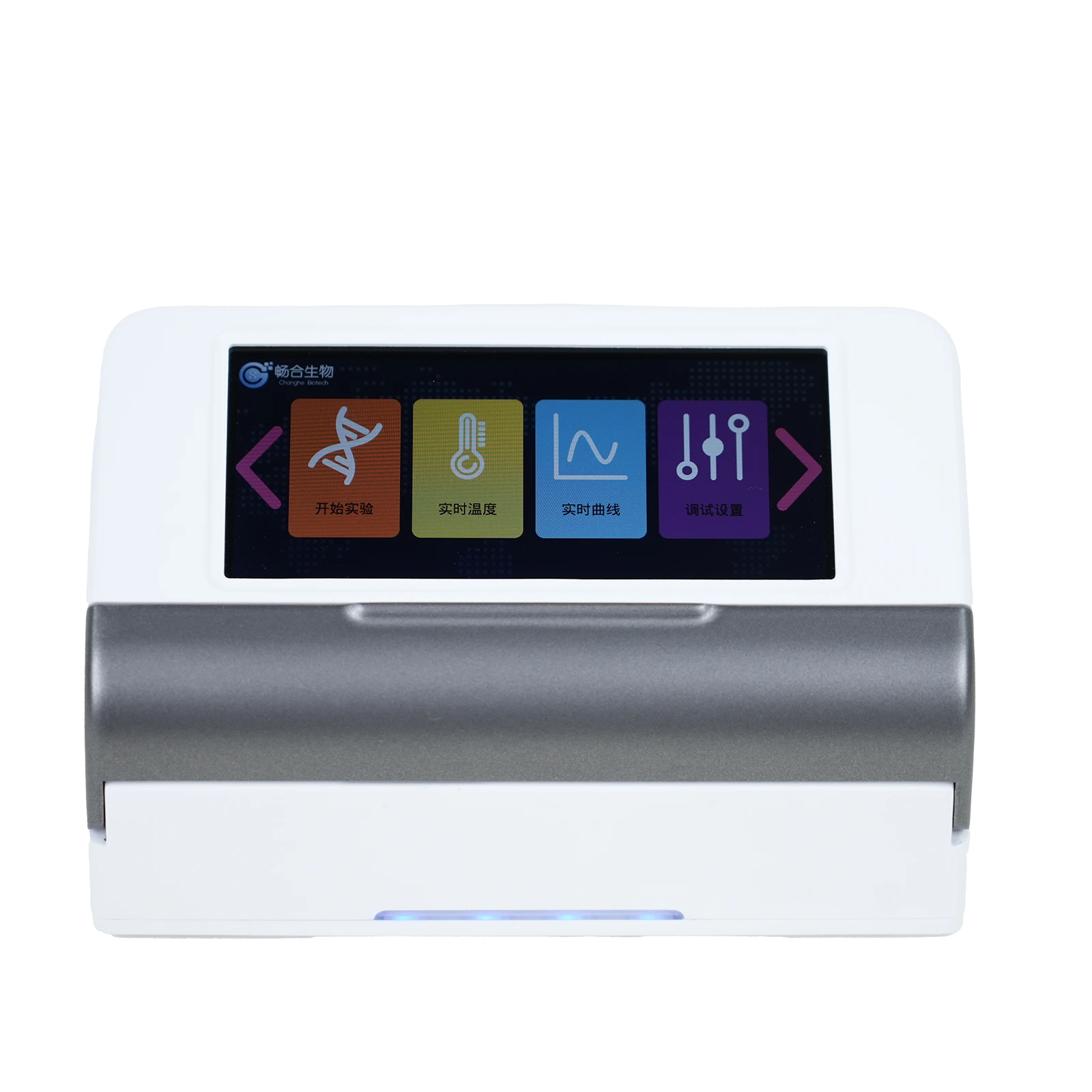
For busy labs or point-of-care settings, ease of use is non-negotiable. Intuitive software that automates data analysis and offers customizable reports saves time and reduces user error. Some devices now support cloud integration and remote monitoring.
4. Portability & Scalability
Traditional qPCR machines tend to be bulky and lab-bound. But demand is growing for smaller, bench-top or handheld options that can be used in remote or resource-limited settings (e.g., field hospitals, agricultural testing). Scalability also refers to throughput — from single-sample systems to high-throughput units processing hundreds of samples.
5. Cost Efficiency
Not just the initial purchase price, but ongoing costs like reagents and maintenance. More affordable real time qPCR platforms help labs with limited budgets keep pace with developments.
| Specification | Typical Value | Notes |
|---|---|---|
| Thermal Ramp Rate | 3–5 °C/sec | Ensures rapid cycle transitions |
| Detection Channels | 4-6 | Allows multiplex assays |
| Sample Throughput | 16–384 wells | Varies by model and application |
| Limit of Detection | ~10 copies per reaction | Highly sensitive for clinical use |
| Power Requirement | 100-240V AC / 50-60 Hz | Compatible worldwide |
Global Applications & Real World Examples
The global reach of real time qPCR machines is surprisingly broad. Hospitals in the United States rely on them daily for patient diagnostics, but equally important are their roles in remote clinics in sub-Saharan Africa diagnosing HIV viral loads.
In agriculture, countries like Brazil and India use qPCR to detect plant pathogens early, preventing crop failures and economic losses. Forensic labs in Europe leverage these machines for DNA profiling, accelerating legal processes. Even environmental agencies use them to identify contamination in water supplies.
One memorable example: during the 2014 Ebola outbreak in West Africa, mobile labs equipped with real time qPCR machines were deployed to remote zones, allowing frontline workers to confirm cases within hours instead of days— a difference that arguably saved many lives.
Mini takeaway:
- Applications range across healthcare, agriculture, forensics, and environmental science.
- Field-deployable qPCR machines have changed the game in low-resource settings.
Advantages & Why It’s Worth Investing In
What really cements the importance of real time qPCR machines is their long-term value. Directly, they reduce diagnostic turnaround times, meaning earlier treatment and better outcomes. Financially, they cut down lab costs by minimizing sample usage and re-testing needs.
On a bigger scale, they foster trust in medical systems and help maintain social dignity by providing accurate, timely information. For scientists, these are platforms of innovation enabling discoveries in genomics and personalized medicine.
Looking Ahead: Trends and Innovations Shaping Real Time qPCR Machines
The future is pretty exciting. Many companies are focusing on making machines smaller, more automated, and more integrated with digital health records. For example, AI-driven software now assists in interpreting complex data patterns, reducing human error.
Green tech is also gaining traction — from energy-efficient thermal cycling to recyclable consumables. There’s even movement towards portable solar-powered units designed for pandemic response in remote areas.
Common Challenges and How the Industry Is Tackling Them
Despite all the promise, limitations are real. High upfront costs inhibit wider distribution, especially in low-income regions. Additionally, qPCR assays can be sensitive to contamination if users aren’t thoroughly trained, leading to false positives.
To counter these, manufacturers offer low-cost starter kits and robust training programs. Advances in closed-cartridge systems reduce contamination risk and simplify workflows. Some labs also adopt multiplex qPCR assays to save time and reagents.
FAQ: Frequently Asked Questions About Real Time qPCR Machine
- Q: How fast can a real time qPCR machine deliver results?
- A: Typically, experiments run between 30 minutes to 2 hours depending on assay complexity and sample throughput. High-end machines often deliver faster cycles and quicker results.
- Q: Can these machines be used outside traditional labs?
- A: Yes, newer portable and compact models are designed for field diagnostics in remote or resource-limited settings— aiding faster decision-making in outbreaks.
- Q: What maintenance does a real time qPCR machine require?
- A: Regular calibration, cleaning optical components, and software updates are essential for accuracy and longevity. Detailed routines depend on the model and usage frequency.
- Q: Are real time qPCR machines compatible with different sample types?
- A: Absolutely. They work with DNA and RNA extracted from blood, saliva, plant tissue, food samples, and more, making them versatile for diverse testing needs.
- Q: How do I choose the right vendor?
- A: Consider factors like equipment specs, after-sales support, reagent availability, warranty, and compatibility with your lab’s workflow. Below is a quick vendor comparison to help.
| Vendor | Price Range | Throughput (Samples) | Portability | Support & Training |
|---|---|---|---|---|
| BioTech Solutions | $15,000 – $25,000 | 96 – 384 | No | Comprehensive |
| Molecular Pro | $10,000 – $18,000 | 16 – 96 | Limited portable models | Good |
| GeneAmp Inc. | $20,000 – $35,000 | 384+ | No | Extensive global support |
Wrapping Up: The Long-Term Value of Real Time qPCR Machines
Looking back, the journey of real time qPCR machines from a niche lab instrument to a global diagnostic staple is inspiring. Their ability to deliver rapid, reliable genetic data at scale isn’t just technical prowess; it touches lives, accelerates research, and strengthens public health. Whether you’re running a hospital lab or managing agricultural biosecurity, these machines are worth the investment — and honesty, we haven’t even scratched the surface of what’s to come.
For those interested in exploring the technology firsthand, or updating your lab’s diagnostics capability, I’d recommend visiting real time qpcr machine providers who combine innovation with real-world application.
Final mini takeaway:
- Real time qPCR machines represent a nexus of speed, accuracy, and global accessibility.
- Ongoing advances make them essential for tackling current and future bioscience challenges.
References:
-
Understanding pcr testes transgênicos for Agricultural PurityNewsApr.16,2026
-
Understanding Febre do Cão PCR for Precision Veterinary DiagnosticsNewsApr.09,2026
-
Understanding Respiração PCR and Grupo Cat for Advanced Bioaerosol Sampling TechniquesNewsApr.07,2026
-
IDEXX Feline Respiratory PCR Panel A Comprehensive Guide for VeterinariansNewsApr.04,2026
-
Understanding Grupo de Gatos URD PCR and Bioaerosol Sampling for Air Quality ControlNewsMar.28,2026
-
Understanding the Feline Respiratory PCR Panel Grupo de PCR Respiratório do GatoNewsMar.26,2026