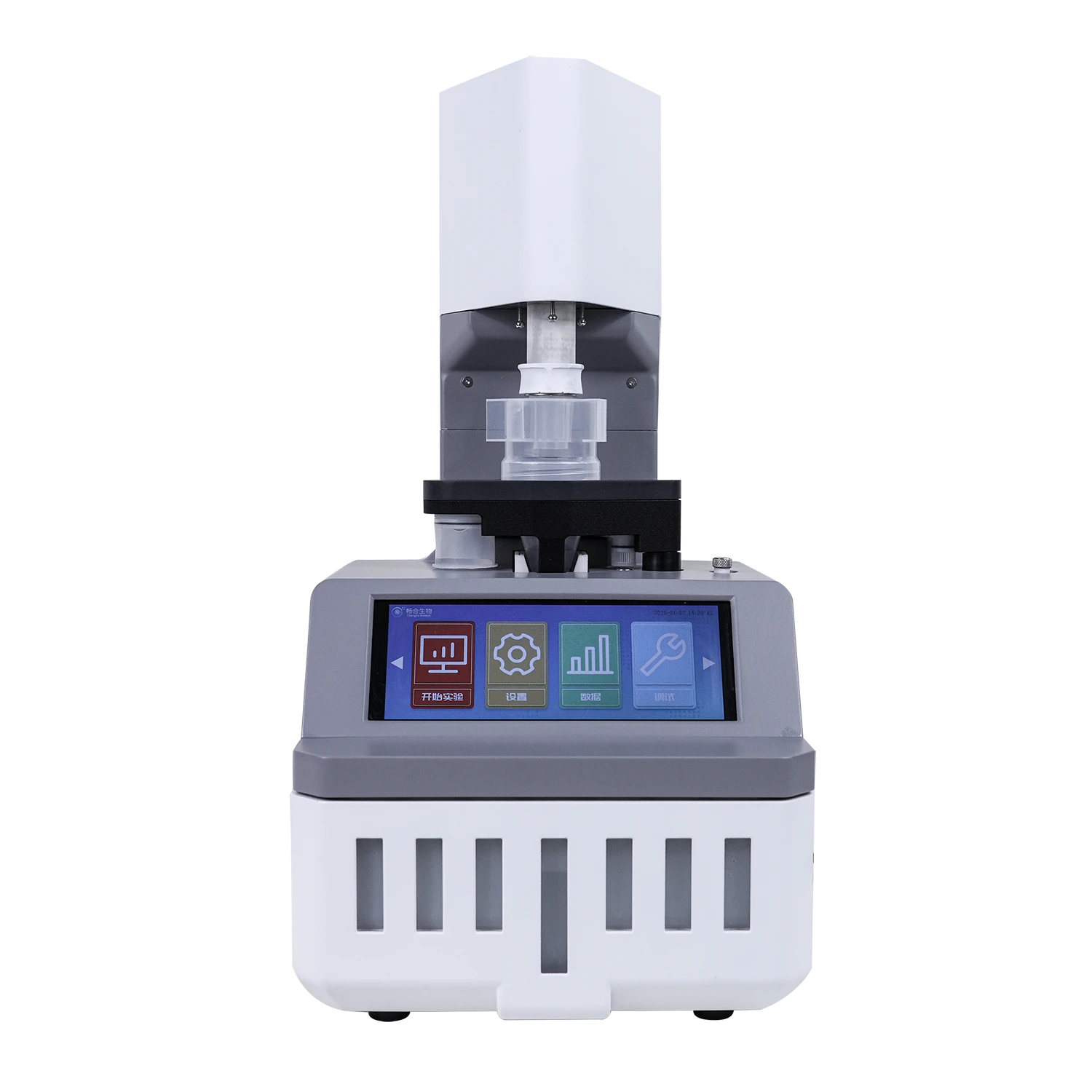

Real Time PCR Instrument: The Essential Guide for Modern Diagnostics and Research
What Exactly Is a Real Time PCR Instrument and Why Should We Care?
In a world where rapid diagnosis and molecular detection can spell the difference between containment and outbreak, the real time PCR instrument stands as a silent hero. But what is it, really? At its core, this device is a high-precision lab instrument used to amplify and simultaneously quantify DNA or RNA sequences. Beyond just “counting molecules,” it provides fast, accurate insights that underpin everything from disease control and environmental monitoring to food safety and biotechnological research.
Why care about such a specific tool on a global level? Well, the recent pandemic underscored how critical timely and precise molecular testing is—where a few hours’ delay can cascade into millions of infections. Understanding the real time pcr instrument means appreciating the invisible gears turning behind modern diagnostics, biotechnology, and scientific discovery.
The Global Landscape Where Real Time PCR Instruments Matter Most
Globally, the public health market alone for PCR technologies was valued close to $7 billion in 2023, forecasted to grow steadily owing to increasing infectious disease testing and research funding (source: World Bank data, 2023). Notably, developing countries are leveraging these instruments to leapfrog traditional diagnostic gaps—giving them sharper eyes on diseases like tuberculosis and dengue fever, prevalent in their regions.
However, challenges linger: fragile supply chains, lack of trained personnel, and device cost constraints often hamper widespread adoption. This gap inevitably affects how countries respond to outbreaks and environmental hazards.
Frankly, the real time pcr instrument addresses a critical need: the capacity for fast, quantitative, and reliable testing. Its real-time data output offers actionability not found in conventional PCR, enabling health workers and researchers to act decisively.
What Is a Real Time PCR Instrument? Breaking It Down
Put simply, a real time PCR instrument is a laboratory device designed to carry out Polymerase Chain Reaction (PCR) assays and detect amplified DNA or RNA products in real-time during the reaction process.
- Polymerase Chain Reaction: A method to multiply small amounts of nucleic acids, making them easier to analyze.
- Real-time Detection: Unlike conventional PCR, which shows results at the end, this instrument tracks amplification as it happens using fluorescent markers.
Its versatility makes it invaluable across industries: from clinical diagnostics and pharmaceutical development to agriculture and food safety. Indeed, it’s a technology that bridges the gap between molecular biology and applied sciences.
Core Features That Define a Real Time PCR Instrument’s Utility
1. Precision and Sensitivity
The hallmark of these instruments is their ability to detect even minute quantities of genetic material, often down to a few copies. This precision matters in clinical settings, where early detection can save lives.
2. Speed and Throughput
Many models can process 96 samples or more simultaneously, delivering results within 30 to 90 minutes. In outbreak scenarios or when quick decisions matter, this capability is a game-changer.
3. User-interface and Automation
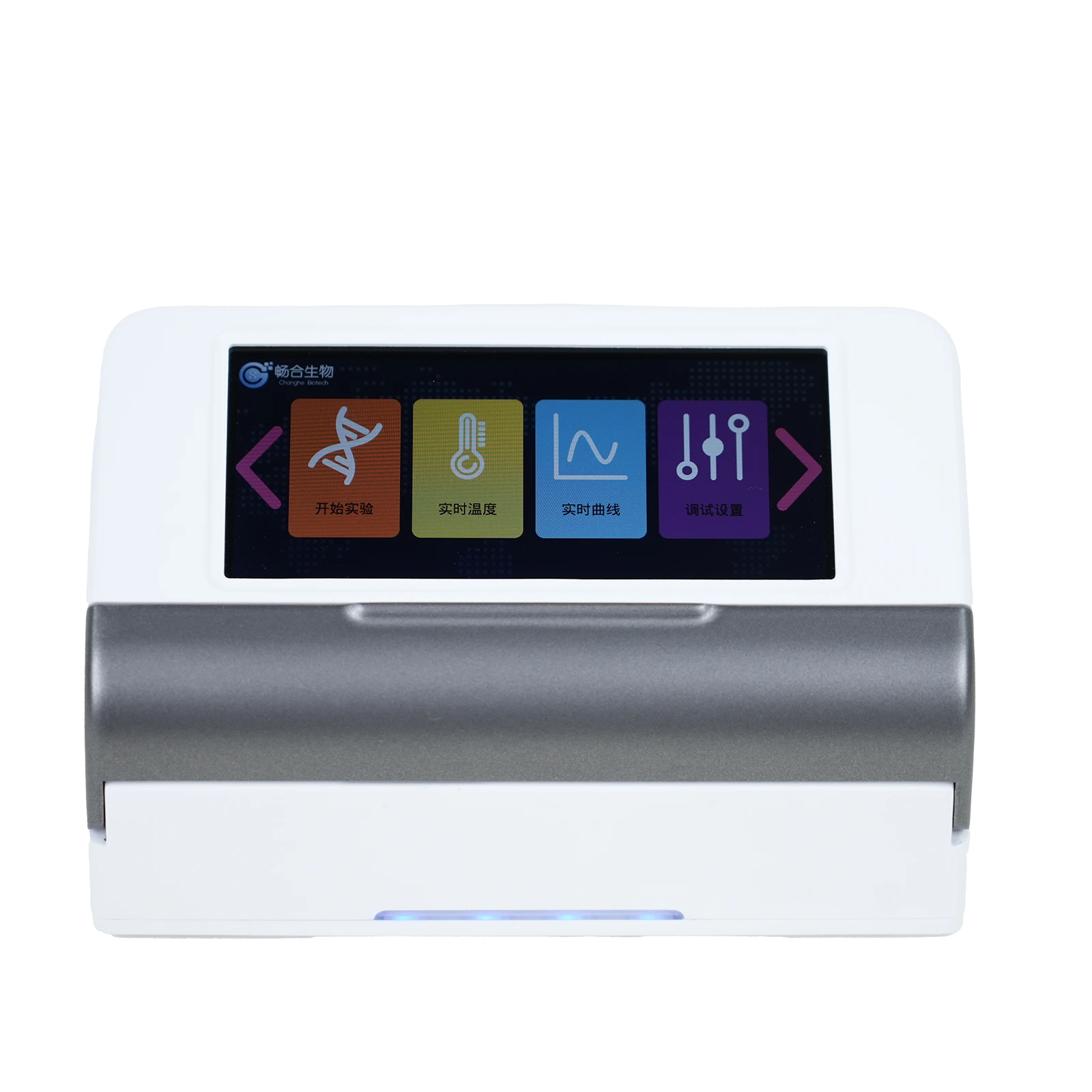
Modern instruments often include touchscreen navigation, pre-loaded protocols, and remote operation features. This cuts training time and errors, which is crucial for labs with limited molecular expertise.
4. Portability and Durability
While some units are bulky, dedicated portable versions are designed for field or point-of-care testing, built tough against environmental extremes—perfect for remote or disaster-stricken areas.
5. Multiplexing Ability
The capacity to detect multiple targets in the same reaction enhances efficiency, particularly in screening complex infections or monitoring gene expressions.
Real World Stories: How Real Time PCR Instruments Are Changing Industries Globally
In Southeast Asia, where dengue fever outbreaks challenge health systems regularly, local hospitals employ real time PCR instruments to quickly identify viral loads, optimizing patient treatment.
Similarly, European food safety labs use these instruments to detect bacterial contamination, ensuring exported products meet international standards. Even environmental agencies monitor water quality using PCR to detect microbial pollutants.
One memorable case is in post-earthquake Haiti, where mobile labs equipped with real time PCR instruments provided immediate cholera diagnostics, dramatically improving outbreak response time amidst challenging infrastructure.
Advantages That Make Real Time PCR Instruments Worth Investing In
- Cost-efficiency: Although initial investment is high, reduced reagent use and rapid turnaround save money in the long run.
- Improved public health outcomes: Earlier and precise detection curtails disease spread.
- Environmental sustainability: Many newer instruments reduce energy consumption and waste.
- Data Reliability: Quantitative, replicable results foster trust among clinicians and regulators.
- Empowerment and dignity: In remote clinics, access to such technology enhances patient care quality and dignity.
Quick product specification comparison
| Specification | Model A | Model B | Model C |
|---|---|---|---|
| Sample Throughput | 96 wells | 48 wells | 24 wells |
| Run Time | 40 min | 60 min | 90 min |
| Portability | Lab Benchtop | Portable (field use) | Handheld |
| Multiplexing Channels | 4 | 2 | 1 |
| Price Range | $$$ | $$ | $ |
The Road Ahead: Innovations and Trends in Real Time PCR Instruments
We’re seeing exciting innovations around AI-driven data analysis that can flag anomalies during PCR runs, driving faster clinical decisions. Moreover, the integration of 5G connectivity enables real-time data sharing worldwide—crucial for epidemiological surveillance.
Environmental considerations push manufacturers toward greener technologies with reduced reagent volumes and energy-efficient designs.
Finally, miniaturization continues: pocket-sized PCR instruments that can plug into smartphones are not sci-fi but reality, expanding access like never before.
Obstacles and Bright Ideas: Challenges in Using Real Time PCR Instruments
Still, it’s not all sunshine and roses. The complexity of some instruments demands skilled operators, and reagent costs remain high in many regions. Additionally, instrument calibration and maintenance can stall workflows if overlooked.
Yet, smart modular designs and user-focused training programs are addressing these pain points steadily. NGOs often pair equipment donations with capacity-building programs, ensuring the instruments fulfill their promise beyond just the box.
FAQ: Quick Answers on Real Time PCR Instruments
- Q: How fast can real time PCR instruments deliver results compared to traditional PCR?
- A: Real time PCR instruments typically provide results within 30 to 90 minutes, whereas conventional PCR might take several hours due to post-run processing.
- Q: Are portable real time PCR instruments reliable in harsh field conditions?
- A: Yes, many newer devices are built rugged with protective casings, temperature controls, and battery-powered operation, designed specifically for field deployment.
- Q: Can these instruments detect multiple pathogens simultaneously?
- A: Absolutely. Multiplexing ability enables detection of several targets in one run, improving throughput and saving reagent cost.
- Q: What maintenance do these instruments require to remain accurate?
- A: Routine calibration, cleaning, and software updates are essential. Some manufacturers offer remote diagnostics, simplifying upkeep.
- Q: How can laboratories with limited budgets access real time PCR technology?
- A: Options include leasing models, refurbished units, or partnering with organizations providing grants and training to expand access.
Wrapping Up: The Lasting Impact of Real Time PCR Instruments
To sum it up, real time PCR instruments are more than just technical devices—they’re central players in advancing global health, environmental monitoring, and research innovation. They blend speed, precision, and ease of use, making complicated molecular processes accessible. Whether in a state-of-the-art lab, a remote village clinic, or a mobile disaster response center, this technology literally changes lives.
Curious to explore or upgrade your PCR capabilities? Don’t hesitate to check out our selection and expertise at real time pcr instrument. Your next breakthrough might just be a click away.
| Vendor | Best For | Pricing Range | Support & Training | Notes |
|---|---|---|---|---|
| BioTech Instruments Inc. | High-throughput labs | $$$ | Comprehensive on-site and virtual training | Excellent software integration |
| MolecuLab Solutions | Field and point-of-care testing | $$ | Remote support with partner NGO training | Ruggedized, battery-powered devices |
| GenNext Instruments | Budget-conscious labs | $ | Online tutorials and forums | Refurbished options available |
References:
-
Understanding pcr testes transgênicos for Agricultural PurityNewsApr.16,2026
-
Understanding Febre do Cão PCR for Precision Veterinary DiagnosticsNewsApr.09,2026
-
Understanding Respiração PCR and Grupo Cat for Advanced Bioaerosol Sampling TechniquesNewsApr.07,2026
-
IDEXX Feline Respiratory PCR Panel A Comprehensive Guide for VeterinariansNewsApr.04,2026
-
Understanding Grupo de Gatos URD PCR and Bioaerosol Sampling for Air Quality ControlNewsMar.28,2026
-
Understanding the Feline Respiratory PCR Panel Grupo de PCR Respiratório do GatoNewsMar.26,2026