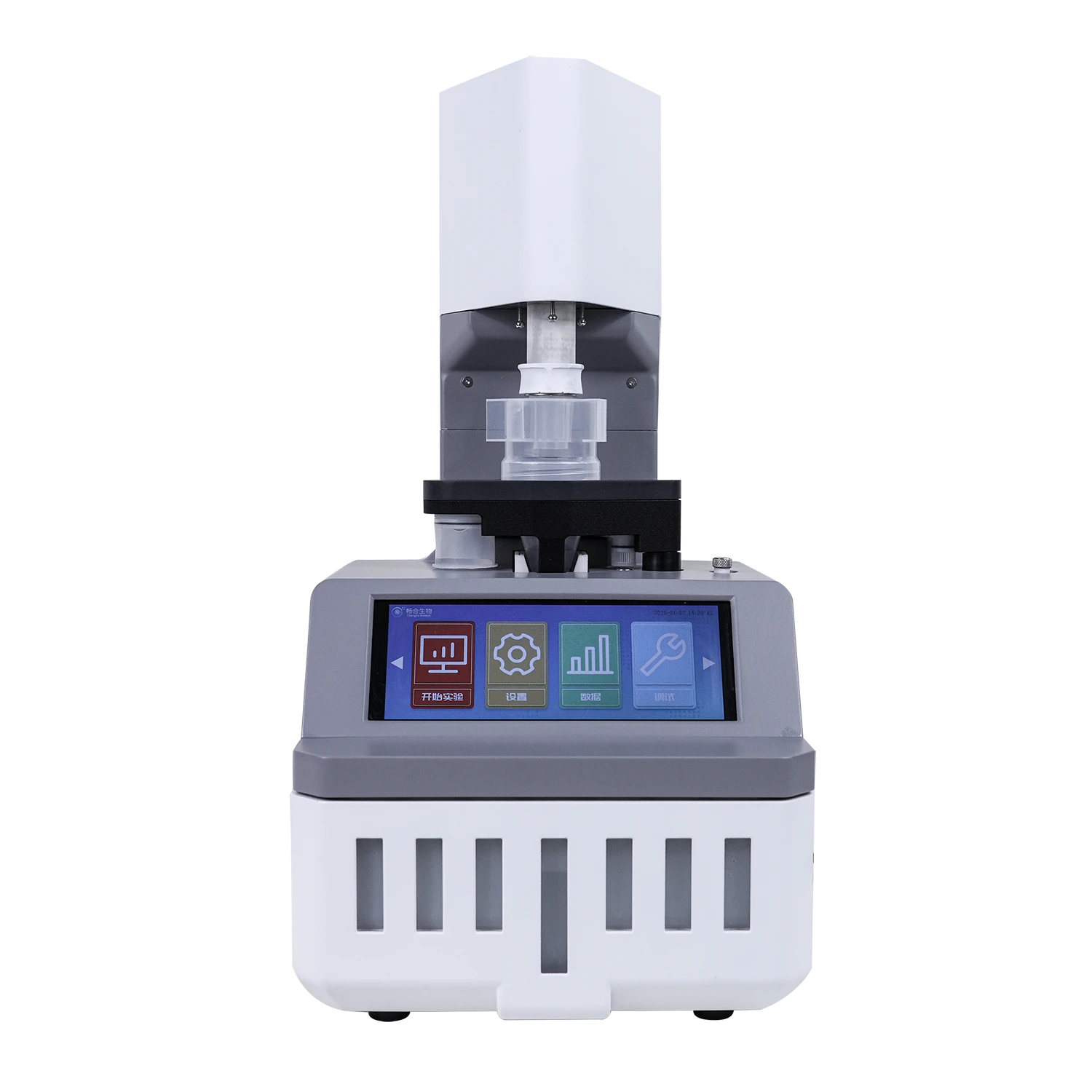

Real Time PCR Equipment: Global Applications, Benefits & Future Trends
Understanding Real Time PCR Equipment: Why It Matters Globally
In today's fast-evolving world of molecular diagnostics and biological research, real time PCR equipment stands front and center as a critical technology underpinning everything from pandemic responses to food safety. But why should anyone outside of a lab care? Well, imagine a tool that can detect the tiniest traces of virus, bacteria, or genetic changes almost instantly—this is what real time PCR (polymerase chain reaction) machines do. The global urgency around rapid, accurate testing—from public health agencies to agricultural sectors—makes understanding this equipment not only timely but essential.
At its core, real time PCR lets us peek into the molecular world, quantifying DNA or RNA in real time. This capability empowers decisions that can save lives, prevent costly outbreaks, and speed research that leads to new therapies. The ripple effect is enormous: better diagnostics means better health outcomes worldwide.
The Global Landscape: Why Real Time PCR Equipment is a Game Changer
Globally, demand for real time PCR technology has never been higher. According to the World Health Organization (WHO), the rapid diagnosis of infectious diseases depends heavily on these machines' ability to provide timely results. The COVID-19 pandemic only underscored this, doubling down on the need for quick and reliable molecular testing equipment everywhere, from urban hubs to remote clinics.
The World Bank notes that emerging economies are increasingly investing in real time pcr equipment to modernize their healthcare infrastructure—a trend expected to accelerate over the next decade. This is partly because traditional diagnostic methods can be slow, less sensitive, or not easily scalable. Real time PCR equipment can address these challenges by delivering quantifiable data within hours, which has implications for disease surveillance, treatment, and epidemiology.
However, capacity gaps remain. Machines are expensive; operators need training; supply chains must be reliable. In practical terms, many regions still lack widespread deployment of these crucial devices, underscoring a persistent global health inequity.
What is Real Time PCR Equipment, Really?
Simply put, real time PCR equipment is a laboratory device that amplifies DNA or RNA sequences and measures the amount of genetic material as the reaction progresses. Unlike conventional PCR, which only shows results at the end, real time PCR continuously tracks amplification through fluorescent dyes or probes. This “real-time” insight not only speeds up results but offers quantitative data, enhancing diagnostic accuracy.
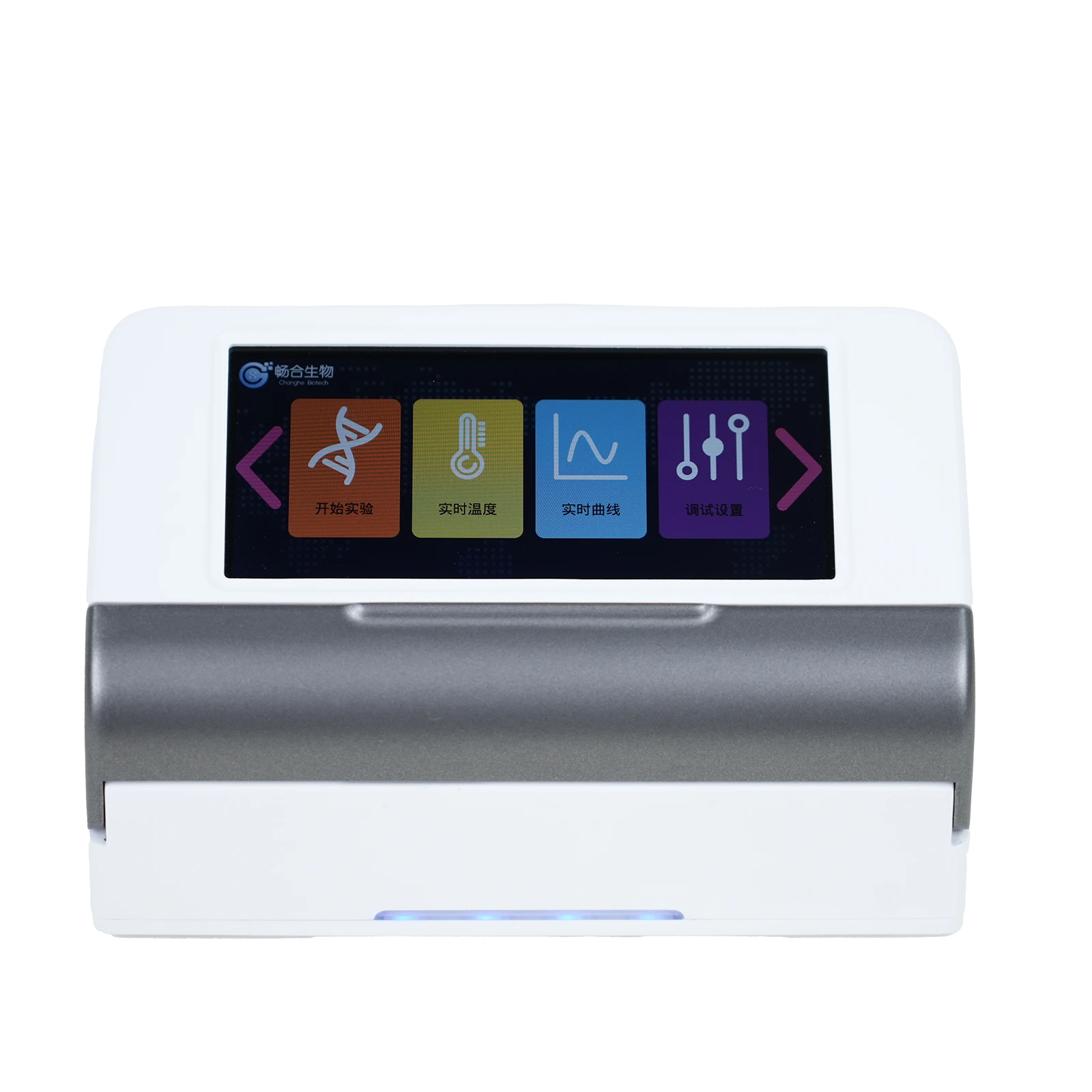
In industry terms, these instruments combine thermal cyclers, fluorescence detectors, and software analytics into an integrated system. From detecting pathogens in blood tests to screening genetically modified organisms (GMOs) in food products, they serve numerous humanitarian and industry needs simultaneously.
Core Features That Define Quality in Real Time PCR Equipment
1. Sensitivity & Specificity
High sensitivity allows detection of even minute amounts of nucleic acids, while specificity ensures only the intended targets are amplified, reducing false positives. This is crucial for precise diagnostics.
2. Speed and Throughput
Modern machines can process multiple samples simultaneously and complete runs in under an hour. This scalability matters in outbreak scenarios or busy labs.
3. User-friendly Interface
Intuitive software with real-time data visualization enables operators to interpret results quickly without deep bioinformatics expertise.
4. Durability and Portability
Especially for fieldwork or resource-limited settings, rugged designs that resist temperature fluctuation and vibration are big pluses.
5. Integration and Connectivity
Connectivity options for cloud data transfer and integration with laboratory information systems improve workflow and data security.
6. Cost-effectiveness
While upfront costs may be high, overall operational and maintenance expenses influence equipment choice, especially in budget-conscious environments.
Real World Applications of Real Time PCR Equipment Across the Globe
- Public health & pandemic control: In countries like South Korea and Germany, rapid testing platforms helped contain outbreaks swiftly by diagnosing infections in hours rather than days.
- Agriculture & food safety: Real time PCR detects harmful pathogens or verifies GMO status, ensuring quality standards from farm to table.
- Environmental monitoring: Detecting microbial contamination in water supplies or tracking biodiversity through DNA sampling has become more feasible with portable PCR systems.
- Pharmaceutical research: Quantifying gene expression accelerates drug development pipelines in biotech hubs like the US and Europe.
For example, in post-disaster zones where traditional labs are inaccessible, mobile real time PCR units have proven invaluable for rapid disease surveillance—often the difference between containment and widespread outbreaks.
Advantages & Long-Term Benefits of Using Real Time PCR Equipment
On the surface, the benefits are clear: faster diagnostics, higher accuracy, and scalability. But dig a bit deeper, and the social impact is profound. Patients get earlier treatment and reduced anxiety. Communities gain data-driven health insights fostering trust and safety. Laboratories benefit from streamlined workflows saving both time and resources.
From an innovation viewpoint, real time PCR propels advances in personalized medicine and outbreak response. It's a trusted technology that upgrades not only scientific capability but dignity in healthcare by providing actionable, fast answers.
| Specification | Typical Range | Why It Matters |
|---|---|---|
| Detection Limit | Down to 10 copies per reaction | Enables early detection at very low pathogen loads |
| Run Time | 30-90 minutes | Speeds up diagnosis, critical in outbreaks |
| Throughput | 16–384 samples per run | Supports different lab sizes and demands |
| Data Output | Quantitative Ct values + amplification curves | Allows detailed analysis |
Comparing Top Vendors: What You Should Know
| Vendor | Price Range | Unique Selling Point | Typical Customers |
|---|---|---|---|
| BioFast Instruments | $15,000 - $40,000 | High throughput & intuitive software | Clinical labs, research institutions |
| GeneScan Technologies | $10,000 - $35,000 | Portable units for field use | NGOs, environmental agencies |
| MolecularPro | $20,000 - $50,000 | Advanced multiplexing capability | Pharma, biotech companies |
Looking Ahead: Innovations on the Horizon for Real Time PCR Equipment
The future is leaning towards miniaturization and automation. Expect to see more chip-based PCR platforms powered by digital microfluidics that allow ultra-fast cycling with minimal reagent use. Some companies are exploring battery-powered devices that link directly with smartphone apps for instant results remotely—a godsend for rural diagnostics.
Sustainability is also becoming central: manufacturers aim to reduce plastic consumables and energy consumption, aligning with global green initiatives. And let's not forget software — AI-driven analytics will provide more nuanced interpretations, detecting variant strains or mutations on the fly.
Challenges and How They are Being Tackled
Despite immense progress, some challenges remain: the high cost of instruments and reagents; training needs; supply chain vulnerabilities; and data interoperability issues. Manufacturers and NGOs are collaborating on leasing models, remote training platforms, and modular designs that simplify maintenance. Meanwhile, open-source software initiatives aim to standardize data formats for better upstream integration.
It's a dynamic ecosystem. The more the technology adapts to real-world constraints, the nearer we get to universal access—ultimately turning a high-end lab tool into a standard frontline diagnostic device.
FAQ: Your Practical Questions on Real Time PCR Equipment
- Q: How quickly can real time PCR machines deliver results?
A: Most devices provide results within 30-90 minutes, depending on the protocol and number of samples. Faster turnaround times help accelerate decision-making in clinical or field scenarios. - Q: Are the reagents used in real time PCR expensive?
A: Reagents tend to be one of the major operational costs but can vary widely based on suppliers and protocols. Bulk purchasing and in-house reagent preparation are strategies labs use to cut expenses. - Q: Can real time PCR be performed outside of laboratory settings?
A: Yes, portable and ruggedized machines have expanded PCR's reach to field labs, mobile clinics, and environmental sampling sites, though they often require stable power sources and trained operators. - Q: What kind of maintenance do these machines require?
A: Routine cleaning, calibration, and software updates are critical. Manufacturers often provide service contracts, and many parts are modular for easier replacement. - Q: How scalable is real time PCR equipment for large labs?
A: Equipment varies widely—from small benchtop units for a handful of samples to instruments handling several hundred reactions per run, meeting needs from research to mass screening.
Wrapping It Up: The Long-Term Promise of Real Time PCR Equipment
To sum it all: investing in reliable real time PCR equipment is an investment in rapid, precise, and scalable molecular detection. Whether you’re battling an epidemic in a remote village or certifying food quality on a commercial scale, these instruments bring clarity and speed to complex biological questions.
There's a certain reassurance in having data at your fingertips in moments that matter most. In a world where time is often the difference between containment and crisis, real time PCR machines quietly make a huge difference—one cycle at a time.
For those eager to explore the latest in real time PCR technology, testing options, and vendor insights, be sure to visit our website: https://www.bioaerosolsampler.com
References
-
Understanding pcr testes transgênicos for Agricultural PurityNewsApr.16,2026
-
Understanding Febre do Cão PCR for Precision Veterinary DiagnosticsNewsApr.09,2026
-
Understanding Respiração PCR and Grupo Cat for Advanced Bioaerosol Sampling TechniquesNewsApr.07,2026
-
IDEXX Feline Respiratory PCR Panel A Comprehensive Guide for VeterinariansNewsApr.04,2026
-
Understanding Grupo de Gatos URD PCR and Bioaerosol Sampling for Air Quality ControlNewsMar.28,2026
-
Understanding the Feline Respiratory PCR Panel Grupo de PCR Respiratório do GatoNewsMar.26,2026