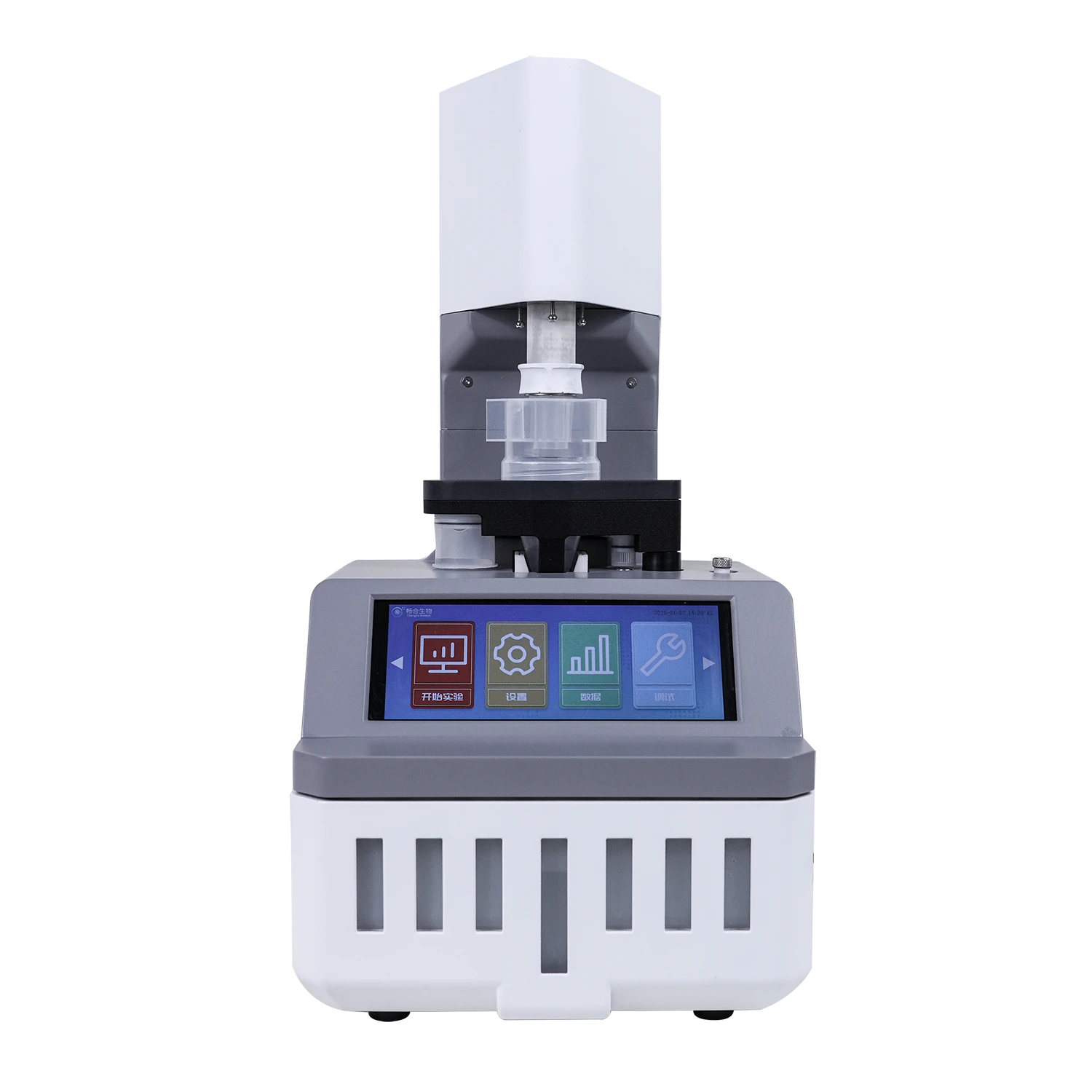

At Home PCR Machine - Revolutionizing Accessible Molecular Diagnostics
At Home PCR Machine: Changing the Game of Accessible Diagnostics
Imagine a future where diagnosing infections, screening for genetic markers, or even monitoring viral loads can happen right in your living room. That future isn’t far off thanks to the rise of at home PCR machines. These devices bring laboratory-grade molecular testing to your fingertips, democratizing access to advanced diagnostics in a way that once felt like pure science fiction.
The implications stretch widely — from enabling rapid public health responses across continents to empowering individuals in remote areas to manage their own health. As the world becomes increasingly interconnected yet unpredictable (hello, pandemics), understanding the technology behind at home PCR machines—and why it matters globally—has never been more vital.
Why At Home PCR Machines Suddenly Matter Globally
To set the scene, the World Health Organization estimates millions lack prompt access to diagnostic labs, especially in rural or underserved areas. During the COVID-19 pandemic, supply chain disruptions and overloaded testing centers highlighted a glaring need for decentralized diagnostic tools.
UN data tells us that rapid, accurate testing can cut transmission dramatically and save lives — but scaling that beyond hospitals is a major challenge. Enter the at home PCR machine, a tech development bridging that gap with a promise of quick turnaround, accuracy, and convenience.
Still, hurdles like cost, user-friendliness, and regulatory frameworks remain. But the potential to revolutionize health monitoring worldwide is unquestionable.
Mini Takeaway: At home PCR machines promise to dramatically reshape public health by making molecular testing accessible for everyone, everywhere—no lengthy lab wait required.
What Exactly Is an At Home PCR Machine?
In simple terms, a PCR (polymerase chain reaction) machine amplifies DNA or RNA samples, making it easier to detect pathogens, genetic mutations, or other biological markers. Traditionally, these machines are bulky, lab-bound devices operated by specialists.
An at home PCR machine is a compact, user-friendly device that allows laypersons to perform these tests on-site, often with clear, digital output. It’s a blend of microfluidics, optics, thermal cycling, and smart software, all miniaturized to fit into a box no bigger than a toaster.
Its importance straddles healthcare, environmental monitoring, biosecurity, and even agriculture, where rapid detection is key to control or prevention.
Core Components Driving At Home PCR Machines
1. Precision Thermal Cycling
This is the beating heart of PCR machines: the ability to precisely heat and cool samples to specific temperatures, triggering DNA denaturation and replication. Modern at home units achieve this with tiny, fast-responding heaters and sensors allowing a full amplification cycle in under an hour.
2. User-Centric Interface
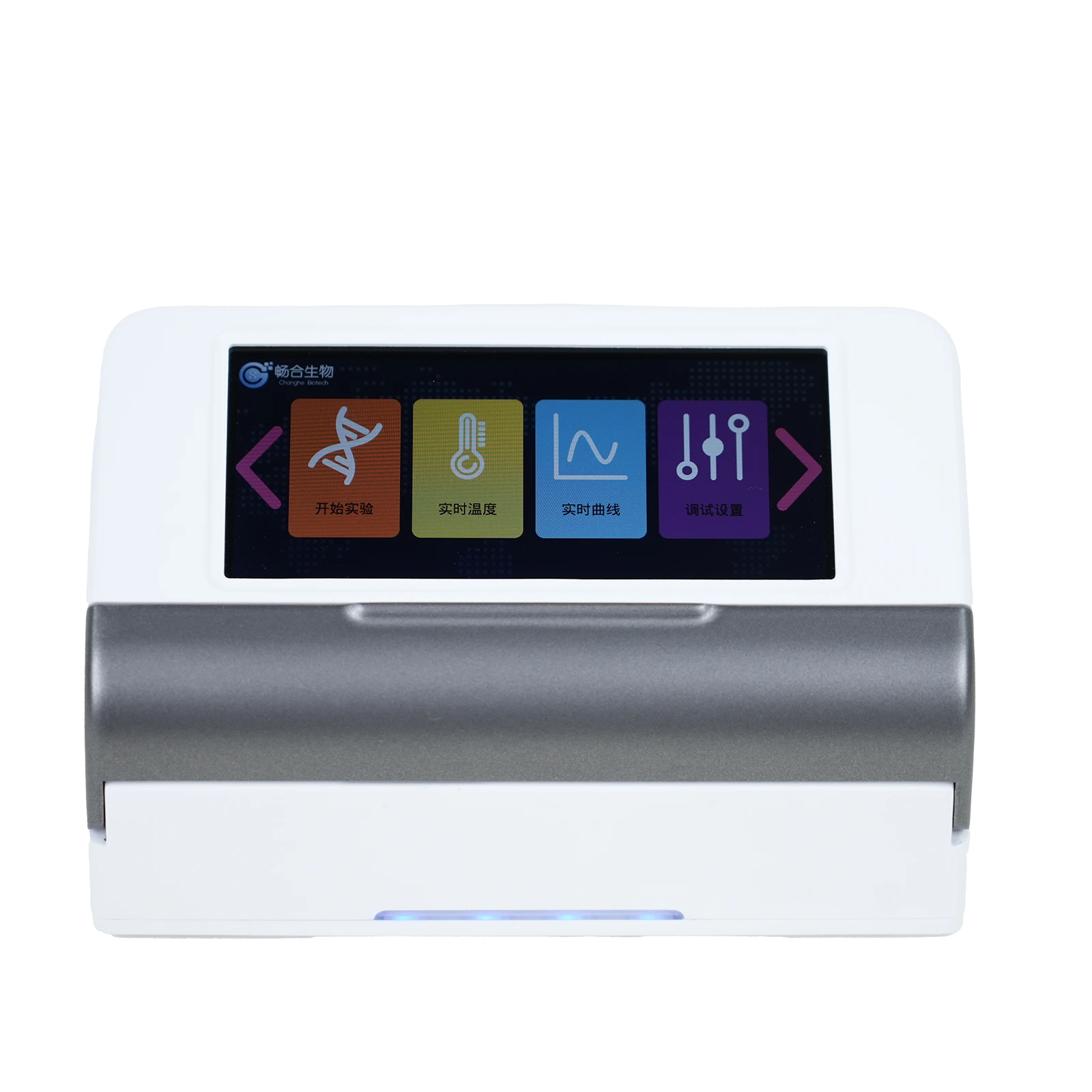
Simple touchscreens, app integration, and guided workflows are crucial to let non-specialists handle sample prep and run tests with minimal errors. Accessibility means obvious, clear instructions paired with smart error checks.
3. Sample Cartridge Systems
Disposable cartridges pre-loaded with reagents reduce contamination risks and simplify testing steps, often integrated with microfluidics channels to automate mixing and reaction steps.
4. Connectivity and Data Management
Many devices now link to cloud platforms, enabling healthcare providers to receive results instantly or track epidemiological patterns—a game-changer during outbreaks.
5. Power Efficiency and Portability
Battery operation and lightweight designs mean these devices can work in power-scarce environments—think disaster zones or remote field clinics.
6. Cost Optimization
Using low-cost materials, minimal reagent volumes, and scalable manufacturing keeps prices within reach of consumers and NGOs.
Mini Takeaway: The success of at home PCR machines hinges on balancing lab-level precision with user-friendliness and affordability — a tough but transformative balance.
Real-World Use Cases Across the Globe
- Remote Health Clinics in Sub-Saharan Africa: NGOs use these machines to diagnose malaria and tuberculosis where lab infrastructure is sparse.
- Post-Disaster Relief Operations: Rapid screening after natural catastrophes helps prevent disease outbreaks when conventional labs are disrupted.
- Urban Home Testing: During the COVID wave, millions benefitted from PCR tests at home, reducing hospital load and improving safety.
- Veterinary Diagnostics in Agriculture: Farmers screen livestock on-site, curbing disease spread without waiting days.
It’s interesting how the concept adapts in each scenario, whether it’s ruggedized models for rough terrain or sleek, app-connected devices for urban markets.
Product Specifications Comparison
| Feature | Basic Model | Pro Model | Field Edition |
|---|---|---|---|
| Sample Capacity | 1 sample | 4 samples | 2 samples |
| Test Duration | 45 mins | 30 mins | 40 mins |
| Battery Life | 3 hrs | 6 hrs | 8 hrs |
| Weight | 1.4 kg | 2.1 kg | 1.8 kg |
| Connectivity | USB only | Wi-Fi + Bluetooth | Cellular + Wi-Fi |
| Price (approx.) | $800 | $1500 | $1600 |
Comparing Leading Vendors of At Home PCR Machines
| Vendor | Market Reach | Turnaround Time | User Experience | Price Range | Special Features |
|---|---|---|---|---|---|
| GeneLite | Global | 30–35 mins | Highly intuitive app + voice guide | $1,200–$1,500 | Cloud-based data analytics |
| PCR Swift | Europe, Asia | 25–30 mins | Multi-language support, large touchscreen | $1,400–$1,700 | Solar-rechargeable portable edition |
| HomePCR Plus | North America | 35–40 mins | Simple USB interface, integrated printer | $800–$1,200 | Disposable test cartridges |
Why At Home PCR Machines Offer Long-Term Value
What I find remarkable, beyond the tech wizardry, is how these machines evoke trust and autonomy. For individuals anxious about health, having a private, accurate testing option restores a sense of control. Health systems benefit from early detection, reducing hospitalization costs and improving outcomes.
From a sustainability standpoint, localized testing cuts down the need for sample transport, decreasing carbon footprints. Socially, widespread access lifts burdens on marginalized communities, reducing health inequities.
And innovation? Continuous improvements mean faster results, multi-pathogen panels, and smarter integration with electronic health records.
Mini Takeaway: At home PCR machines aren’t just gadgets — they are catalysts for safer, fairer, and more sustainable healthcare worldwide.
What’s Next? Emerging Trends in At Home Molecular Diagnostics
- Green Energy Integration: Solar-powered chargers and ultra-low-power chips keep devices operational in off-grid areas.
- AI and Smart Diagnostics: Automated result interpretation reduces user error and supports remote consultations.
- Multiplex Testing: Simultaneous detection of multiple viruses or bacteria from one test is on the rise.
- Regulatory Harmonization: International standards (ISO 15189) help streamline approvals and cross-border adoption.
Frankly, it feels like we’re on the cusp of PCR devices merging with wearable tech or even smartphone-based molecular sensors. The pace is impressive.
Common Challenges and How Innovators Are Overcoming Them
Despite their promise, at home PCR machines face practical roadblocks:
- Sample Collection Difficulties: Not every user can get a clean swab or saliva sample easily. Solution? Improved kits and instructional videos.
- Costs for Low-Income Users: Subsidies, NGO partnerships, and scalable production are driving costs down.
- Data Privacy Concerns: Strong encryption and opt-in consent protocols build trust in connected devices.
- Technical Support and Maintenance: Remote diagnostics and modular design simplify repairs and updates.
It’s reassuring to see manufacturers and health authorities partnering closely on these issues.
Frequently Asked Questions About At Home PCR Machine
- How accurate are at home PCR machines compared to lab tests?
- Modern at home PCR units achieve comparable accuracy to clinical labs, often exceeding 95% sensitivity and specificity. However, user errors can affect results, so many devices offer step-by-step guidance and error checks.
- Can these PCR machines detect multiple diseases in one test?
- Yes, many advanced models support multiplex assays, allowing detection of several pathogens simultaneously, such as influenza, COVID-19, and RSV.
- Are at home PCR machines difficult to operate for non-technical users?
- Manufacturers design these devices with lay users in mind, featuring intuitive interfaces, automated processes, and clear instructions to simplify operation.
- Do I need to send samples to a lab after testing?
- No. The entire amplification and detection process happens inside the device, giving you results typically within 30–45 minutes on-site.
- How do I keep my data private when using a connected PCR machine?
- Most devices use encrypted data transmission and let you control sharing options, ensuring patient privacy laws compliance.
Wrapping Up: The Promise of At Home PCR Machines
To circle back, at home PCR machines are tools that bring the power of sophisticated molecular diagnostics out of the lab and into the hands of everyday users worldwide. Their potential impact touches public health agility, personal empowerment, and global disease control. While challenges remain, ongoing innovation and collaboration paint a hopeful future.
If you want to explore more about how at home PCR machine technology can fit into your health strategy or organization, feel free to visit at home pcr machine. It’s definitely a field to watch as it evolves.
References and Further Reading
-
Understanding pcr testes transgênicos for Agricultural PurityNewsApr.16,2026
-
Understanding Febre do Cão PCR for Precision Veterinary DiagnosticsNewsApr.09,2026
-
Understanding Respiração PCR and Grupo Cat for Advanced Bioaerosol Sampling TechniquesNewsApr.07,2026
-
IDEXX Feline Respiratory PCR Panel A Comprehensive Guide for VeterinariansNewsApr.04,2026
-
Understanding Grupo de Gatos URD PCR and Bioaerosol Sampling for Air Quality ControlNewsMar.28,2026
-
Understanding the Feline Respiratory PCR Panel Grupo de PCR Respiratório do GatoNewsMar.26,2026