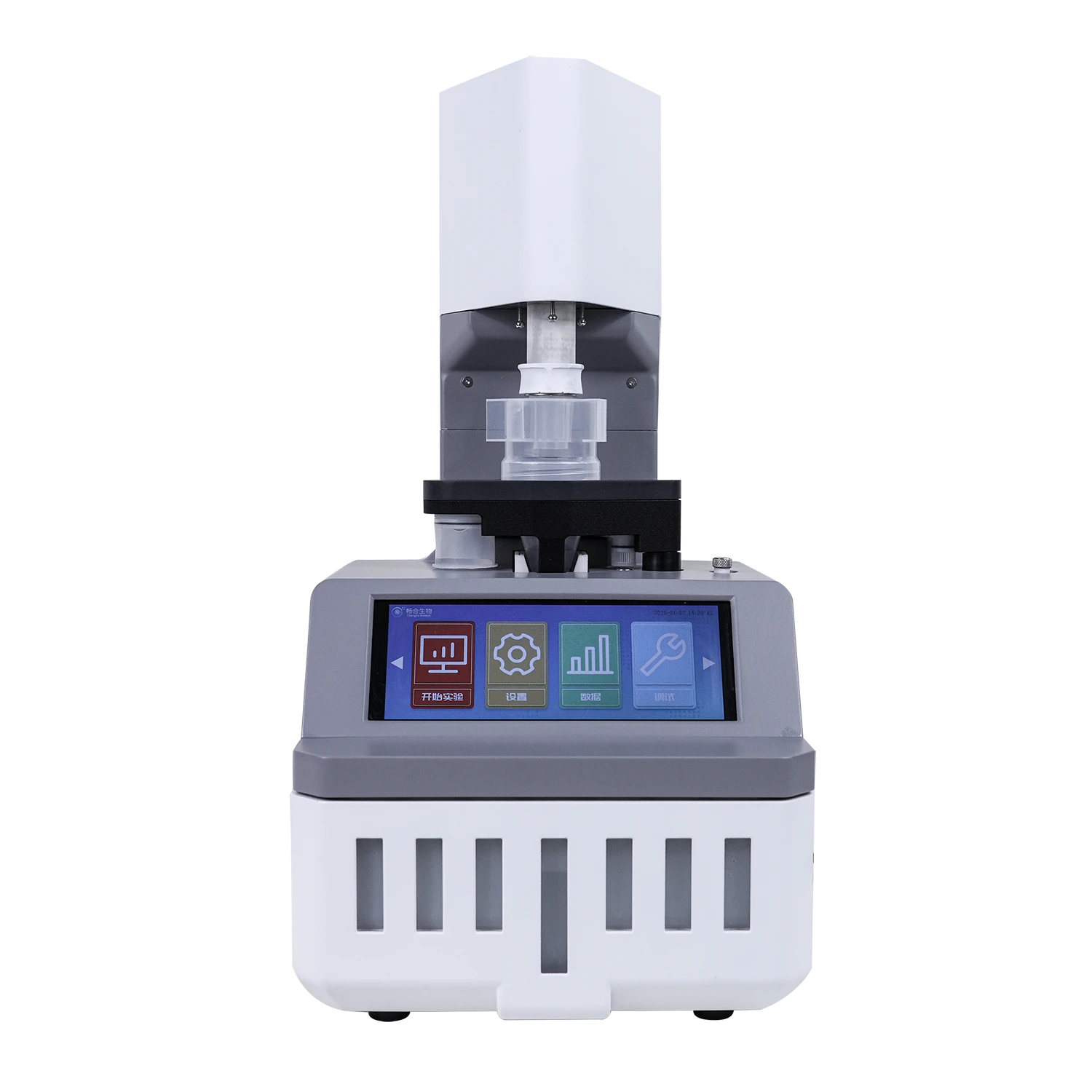

Covid PCR Machine: Global Impact, Features & Future Trends Explained
Understanding the Covid PCR Machine: Why It Matters Globally
When the pandemic struck, the covid PCR machine stepped into the limelight as a frontline hero in diagnosis and containment. But beyond the headlines, these machines represent more than just a tool — they embody the intersection of modern science, global health infrastructures, and swift technological response. Understanding what covid PCR machines are, their role, and why they’re crucial isn’t just for lab techs or medical professionals; it’s essential for policymakers, industry leaders, and anyone interested in public health resilience.
Frankly, grasping the value of covid PCR machines helps foster informed discussions around pandemic preparedness and healthcare equity worldwide. Plus, it’s a neat example of how biotech innovation accelerates in times of crisis.
Global Context: The Relevance of Covid PCR Machines Today
Global demand for covid-19 testing skyrocketed as nations scrambled to diagnose and track infections. The United Nations reported that by mid-2021, over 6 billion covid tests had been conducted worldwide, the vast majority relying on PCR technology (1). Yet, despite this success, disparities remain. Low- and middle-income countries often face challenges with access to reliable covid PCR machines, impacting case detection and control measures.
The World Bank highlights that affordable, scalable diagnostic tools like the covid PCR machine are pivotal for strengthening health systems against current and future outbreaks (2). These machines don’t just detect viruses; they underpin global surveillance networks, informing critical policy decisions.
Takeaway: Covid PCR machines are more than gadgets; they form a backbone of global public health response, especially in crisis times.
What Exactly Is a Covid PCR Machine?
In the simplest terms, a covid PCR machine (Polymerase Chain Reaction machine) amplifies tiny amounts of viral RNA from patient samples, making them easier to detect. Think of it as a very sensitive photocopier — it duplicates the virus’s genetic blueprint millions of times to a level where lab technicians can confirm the presence of SARS-CoV-2.
This machine’s genius lies in its precision and speed, which modern industries and global health entities rely on heavily. Beyond hospitals, humanitarian operations and industrial health monitoring now increasingly count on these devices. It’s like the link between molecular biology and public safety.
Key Features of a Covid PCR Machine
1. Accuracy and Sensitivity
At the core, these machines are incredibly accurate, capable of detecting very low viral loads which means early-stage infections aren’t missed. Many engineers say reliability here is everything. False negatives can cause chaos, so top-notch sensitivity is non-negotiable.
2. Speed and Throughput
In bustling labs or field stations, turnaround matters. The best machines can process dozens—sometimes hundreds—of samples in a single run within 1-3 hours. Scalability is crucial when testing demands surge in outbreak hotspots.
3. User Interface and Automation
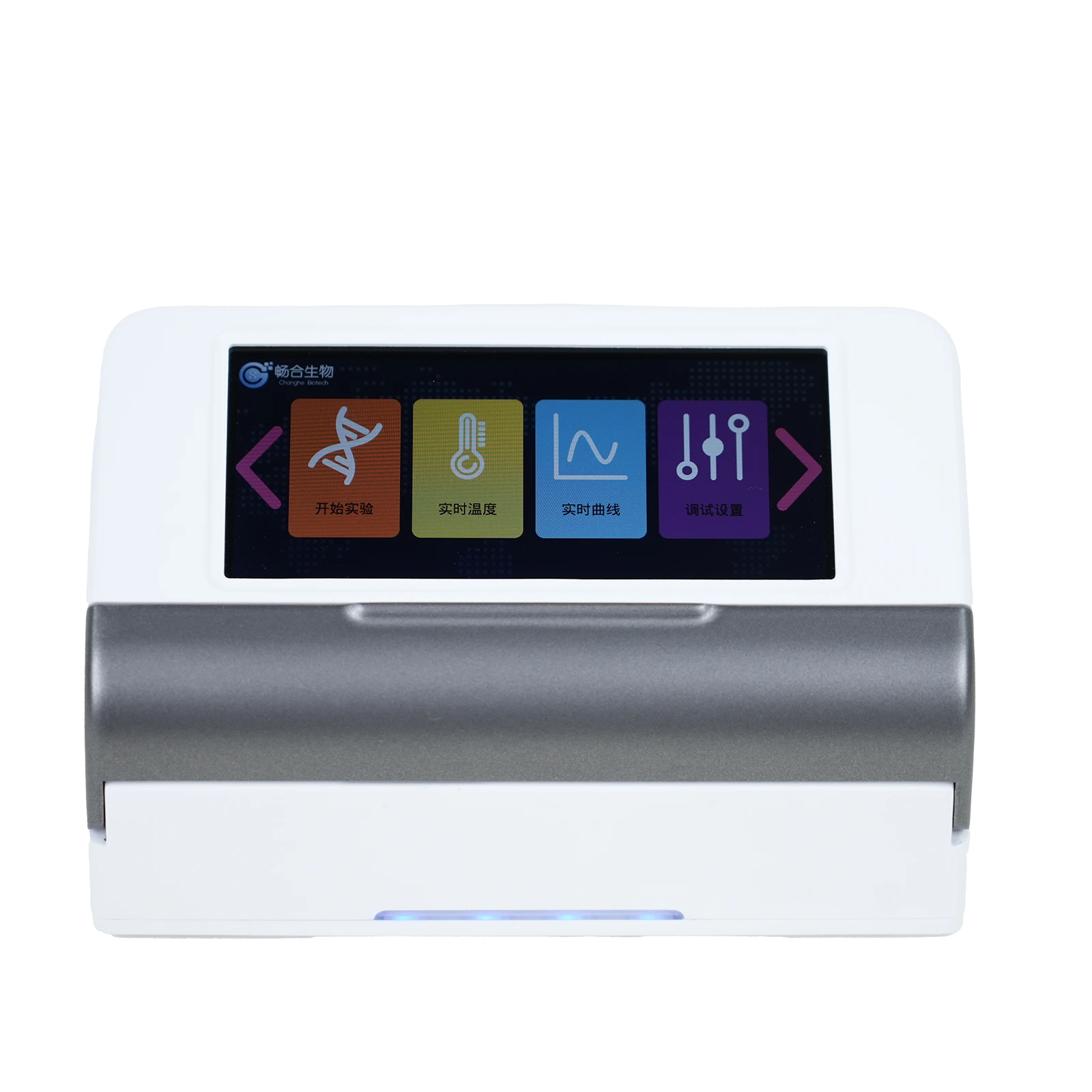
Modern covid PCR machines offer intuitive touchscreen interfaces and automation features that reduce human error. This matters a lot in decentralized or overwhelmed labs where expert staff may be limited.
4. Portability and Durability
Certain models are designed as portable units, ideal for remote or emergency deployments, balancing size with ruggedness. This flexibility allows rapid response even in challenging environments.
5. Cost Efficiency
While not cheap, ongoing innovations aim to lower costs through reusable parts, reagent optimization, or smaller footprints. More affordable covid PCR machines mean broader access, especially in low-resource settings.
| Specification | Typical Range | Notes |
|---|---|---|
| Detection Limit | 10-100 viral copies per mL | High sensitivity is key |
| Run Time | 30 minutes to 3 hours | Depends on assay complexity |
| Throughput | 24–384 samples/run | Varies by model/design |
| Weight | 5–30 kg | Portable units at lower end |
| Power Consumption | 50–200 W | Important for off-grid use |
Mini takeaway: The right covid PCR machine balances sensitivity, speed, portability, and cost to suit the application.
Global Use Cases: Who Benefits from Covid PCR Machines?
Some places bear the brunt harder than others. In urban hospitals across Europe and North America, high-throughput machines support patient triage and outbreak monitoring day-to-day. Conversely, in remote areas of Africa or Southeast Asia, portable covid PCR machines enable field testing where traditional labs simply do not exist.
In humanitarian relief operations, like post-disaster refugee camps or conflict zones, these machines help control outbreaks rapidly. Industrial zones working in close quarters also rely on them for routine screening to keep operations running safely.
Even interestingly, some airlines and large corporations have deployed onsite covid PCR machines to test employees as part of risk management strategies during the pandemic.
Summary: Covid PCR machines have become truly global tools—literally saving lives from big cities to small villages.
Advantages and Long-Term Value of Covid PCR Machines
- Cost Savings: Early and accurate detection reduces hospital loads and costly late-stage treatments.
- Sustainability: Many new systems emphasize minimizing reagent waste and extending machine lifespans.
- Social Impact: Helping communities test autonomously builds trust and transparency.
- Reliability: Decades of PCR tech mean confidence in results, a non-negotiable for public health.
The emotional side is undeniable — a covid PCR machine can represent hope, safety, and dignity for people anxious about their health amid uncertain times.
What’s Next? Future Trends in Covid PCR Machine Technology
Looking ahead, expect integration with digital platforms for real-time data reporting and AI-powered result analysis. Automation continues to improve, reducing human error and operator dependency.
New materials and portable setups lean into sustainability and off-grid compatibility. Some companies experiment with solar-powered units or recyclable consumables. It feels like we’re finally moving towards democratized and eco-friendly diagnostics.
Challenges and How Experts Are Tackling Them
Challenges include upfront costs, the need for skilled operators, and reagent supply bottlenecks. Plus, not every model suits all settings — a high-throughput lab machine is no good in a rural village.
Some promising solutions involve modular designs for easier maintenance and remote technical support services. Also, training programs and standardized protocols are helping address skill gaps in underserved regions.
| Vendor | Key Features | Price Range | Ideal Use Case |
|---|---|---|---|
| BioFast Diagnostics | Portable, rapid cycle times, touchscreen UI | $15,000 - $25,000 | Field tests, remote clinics |
| LabPro Systems | High throughput, automation, cloud integration | $50,000 - $100,000+ | Large hospitals, centralized labs |
| GreenTech Diagnostics | Eco-friendly consumables, solar-compatible | $20,000 - $30,000 | Remote, off-grid units |
FAQ: Quick Answers on Covid PCR Machines
What makes a covid PCR machine different from other testing methods?
Covid PCR machines amplify the virus’s genetic material, offering high accuracy and early detection, unlike antigen tests which detect proteins and may miss early infections.
How portable are covid PCR machines for field use?
Some models weigh under 10 kg and can run from battery or solar power, making them practical for remote sites or emergency response.
Are covid PCR machines easy to operate without specialized training?
Modern machines feature user-friendly interfaces and have reduced hands-on steps, but some basic lab skills and biosafety knowledge remain necessary for safe operation.
Can these machines be used beyond covid-19 testing?
Absolutely. Many covid PCR machines are adaptable for detecting other pathogens, supporting broader infectious disease surveillance.
Wrapping Up: Why Investing in Covid PCR Machines Makes Sense
Covid PCR machines aren’t just pandemic relics; they are cornerstone technology shaping the future of diagnostics worldwide. Their accuracy, speed, and global adaptability are invaluable for healthcare and industrial sectors alike. Investing in such technology ensures we’re better equipped for tomorrow challenges while empowering communities to manage health proactively.
For more on reliable covid PCR machines and related diagnostic innovations, visit covid pcr machine.
References
-
Understanding pcr testes transgênicos for Agricultural PurityNewsApr.16,2026
-
Understanding Febre do Cão PCR for Precision Veterinary DiagnosticsNewsApr.09,2026
-
Understanding Respiração PCR and Grupo Cat for Advanced Bioaerosol Sampling TechniquesNewsApr.07,2026
-
IDEXX Feline Respiratory PCR Panel A Comprehensive Guide for VeterinariansNewsApr.04,2026
-
Understanding Grupo de Gatos URD PCR and Bioaerosol Sampling for Air Quality ControlNewsMar.28,2026
-
Understanding the Feline Respiratory PCR Panel Grupo de PCR Respiratório do GatoNewsMar.26,2026