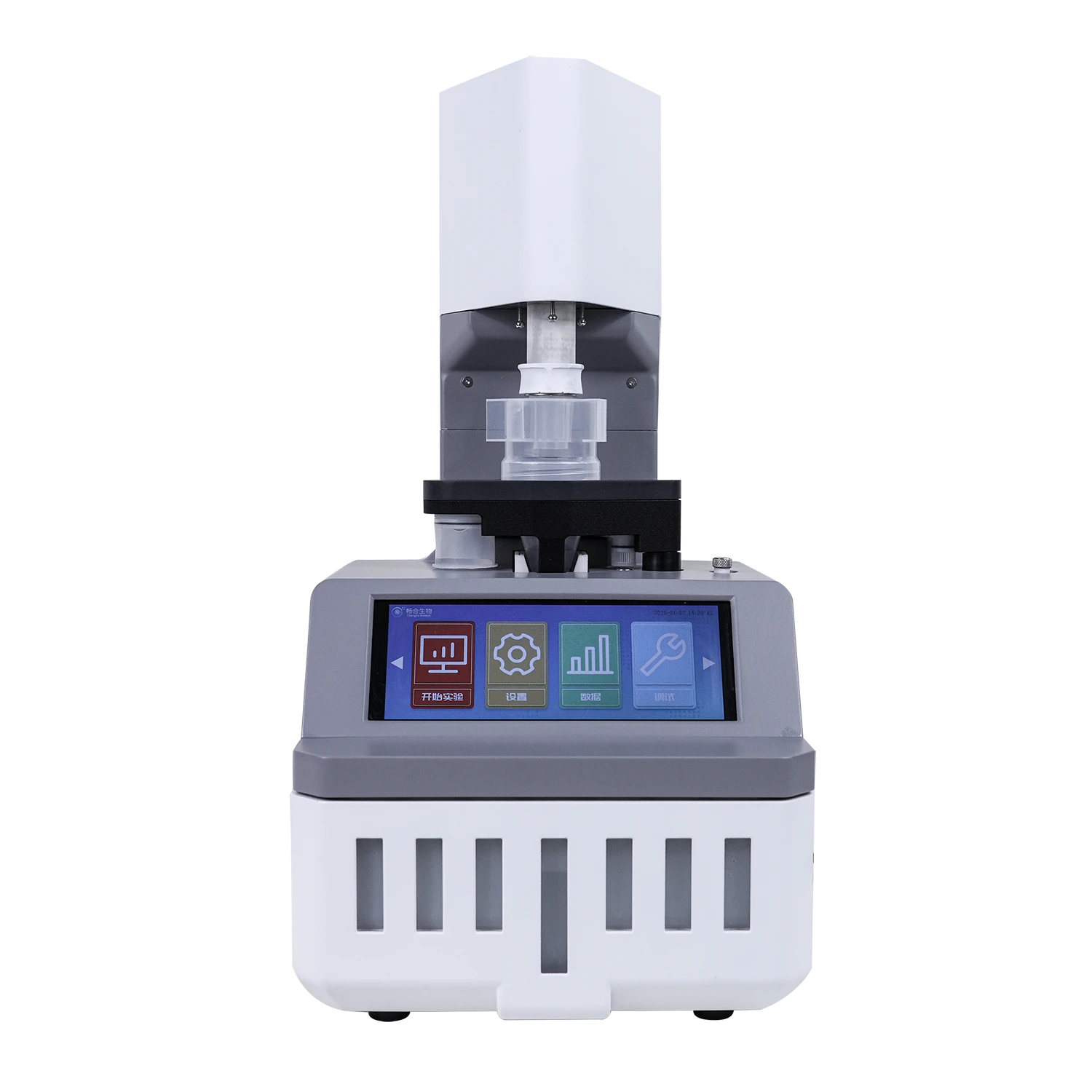

Comprehensive Guide to Quantitative PCR Instruments: Benefits, Applications & Trends
What Is a Quantitative PCR Instrument and Why It Matters Globally
If you’ve ever wondered how scientists can detect and quantify DNA or RNA from viruses, bacteria, or even human samples in real time, you’ve peeked into the world of quantitative PCR instruments. These devices underpin much of modern molecular diagnostics, from healthcare and environmental monitoring to food safety and agricultural biotech.
Globally, the rise of infectious diseases, increasing biosecurity concerns, and the push for precision medicine have all driven demand for these machines. They enable rapid, accurate assessments that save lives and inform policy. So, understanding what they are and how they work isn’t just geek-talk — it’s fundamental to several industries and global health advancements.
Mini takeaway: Quantitative PCR instruments are vital tools that provide accurate, fast genetic quantification, influencing disease control, research, and many industrial processes worldwide.
The Growing Global Importance of Quantitative PCR Instruments
Let’s zoom out a bit. According to the World Health Organization, infectious diseases remain among the top causes of death globally. Ever since the COVID-19 pandemic, the importance of molecular diagnostics soared dramatically. The WHO emphasizes availability of reliable testing equipment, and in that mold, quantitative PCR instruments are kingmakers.
From tracking viral outbreaks in densely populated regions like Southeast Asia to assessing agricultural pathogens in Africa’s rural communities, these instruments fulfill critical needs. However, challenges remain, such as ensuring cost-efficiency and accessibility in developing areas.
Quantitative PCR instruments solve a substantial part of the puzzle by providing rapid, reliable, and standardized results, enabling stakeholders to act quickly — which is often the difference between containment and catastrophe.
Mini takeaway: The quantitative PCR market grows hand in hand with global health challenges, underscoring its real-world value in diverse social and economic contexts.
Understanding Quantitative PCR Instruments: The Basics
Now for the simple explanation. A quantitative PCR instrument — often called a qPCR machine — is a device that amplifies and simultaneously quantifies DNA or RNA sequences in a sample. Unlike traditional PCR, which only tells you if the target genetic material is present, a qPCR provides a real-time readout of how much is there.
Think of it like a molecular “speedometer.” By measuring fluorescence emitted during the amplification cycles, the instrument calculates the amount of target genetic material. This is invaluable for diagnosing infections, measuring gene expression, or validating genetically modified organisms.
Mini takeaway: Think of a quantitative PCR instrument as a high-tech DNA meter that combines amplification with precise, real-time quantification.
Key Aspects of a Quantitative PCR Instrument
1. Sensitivity and Accuracy
A qPCR instrument must detect even trace amounts of nucleic acids — this means very high sensitivity. Many engineers report that systems employing optical modulators and calibrated fluorescence detection yield the most reliable results.
2. Throughput and Scalability
For labs working on large-scale screening, the number of samples processed simultaneously is critical. Models range from 16-well to 384-well plate formats, impacting the time and cost of testing.
3. Thermal Cycling Precision
The core of PCR is temperature cycling. Precise and rapid temperature changes ensure reliable DNA amplification. Instruments with uniform temperature distribution reduce variability and improve accuracy.
4. User-Friendly Interface and Data Management
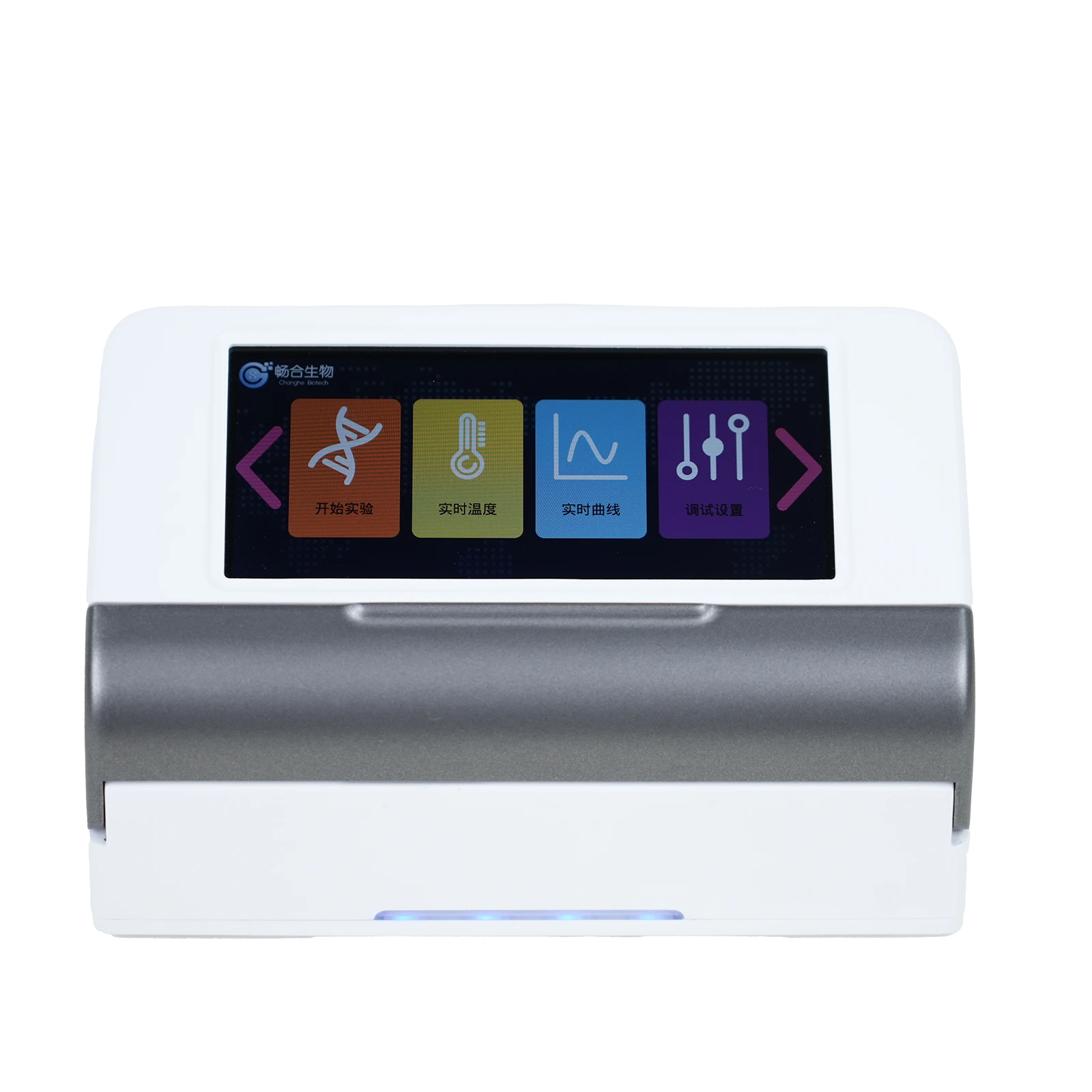
Modern qPCR machines boast touchscreen interfaces and automated software to simplify setup and streamline data analysis. Features like cloud connectivity improve collaboration, especially in large research facilities.
5. Cost Efficiency and Maintenance
Operating costs vary depending on consumables and reliability. Some devices require frequent calibration or expensive reagents, while others focus on reducing total cost of ownership.
Mini takeaway: Sensitivity, throughput, temperature control, usability, and cost shape the effectiveness of quantitative PCR instruments in practical applications.
Global Applications: Where Quantitative PCR Instruments Shine
- Healthcare Diagnostics: Hospitals worldwide rely on qPCR to detect and quantify viral infections like HIV, Hepatitis, and SARS-CoV-2.
- Agriculture and Food Safety: Detecting genetically modified organisms (GMOs) or plant pathogens ensures crop health and compliance with regulations.
- Environmental Monitoring: Organizations monitor water, air, and soil samples for microbial contamination to protect ecosystems and public health.
- Pharmaceutical R&D: Gene expression studies and drug development processes use qPCR as a gold standard analytical tool.
- Disaster & Relief Operations: After disasters, rapid assessment of infectious disease risks via qPCR supports quick decision-making.
Regions like North America and Europe currently dominate the market due to advanced healthcare infrastructure. However, emerging economies increasingly invest in these tools to boost biosurveillance and agri-tech innovation.
Mini takeaway: Quantitative PCR instruments are indispensable across sectors, proving their versatility and global reach in meaningful ways.
Advantages & Long-Term Benefits
Among the most compelling benefits:
- Rapid Turnaround: Results can be generated within hours, critical for timely responses.
- High Specificity: The technique reduces false positives and false negatives, building trust in data.
- Cost Savings: Early and accurate detection prevents costly outbreaks or crop losses.
- Sustainability: Some instruments employ energy-efficient designs to minimize environmental impact.
- Social Impact: Empowering frontline workers in low-resource settings with reliable diagnostics builds community resilience.
It’s not just about numbers or data; it’s about the dignity of knowing you’re making informed decisions based on reliable science.
Mini takeaway: Quantitative PCR instruments combine speed, reliability, and cost-effectiveness, making them invaluable long-term tools in health and industry.
Emerging Trends and Innovations
The future of quantitative PCR instruments looks exciting. Key trends include:
- Integration with AI and Cloud Platforms: Automated interpretation and data sharing improve accuracy and collaboration.
- Miniaturization and Portability: Handheld qPCR devices enable field diagnostics, a real game-changer for remote areas.
- Green Design: More manufacturers focus on energy-efficient thermal cycling and recyclable parts.
- Multiplexing: Detecting multiple targets simultaneously saves time and resources.
Oddly enough, the push for faster results doesn’t compromise accuracy anymore — quite the opposite.
Mini takeaway: The qPCR field is evolving rapidly with smarter, greener, and more portable instruments expanding accessibility worldwide.
Challenges and How to Overcome Them
Despite the advances, hurdles remain:
- High Initial Costs: Some setups are pricey, making entry difficult for smaller labs.
- Technical Expertise: Operators need good training to avoid errors.
- Reagent Availability: Supply chain disruptions can stall testing.
Solutions include leasing options, user-friendly platforms requiring minimal training, and local reagent production hubs. Collaborations between governments and manufacturers also boost accessibility.
Mini takeaway: Tackling cost, training, and supply chain challenges is key to wider adoption of qPCR technologies.
Product Specification Table: Example Quantitative PCR Instruments
| Feature | Model A | Model B | Model C |
|---|---|---|---|
| Detection Channels | 4 | 6 | 5 |
| Sample Capacity | 96 wells | 384 wells | 48 wells |
| Ramp Rate | 5°C/s | 7°C/s | 4°C/s |
| Software | Proprietary | Cloud-enabled | Standalone |
| Price Range | $25,000 - $30,000 | $40,000 - $50,000 | $15,000 - $20,000 |
Vendor Comparison Table
| Vendor | Global Reach | Customer Support | Customization | Pricing Model |
|---|---|---|---|---|
| BioLab Instruments | Worldwide | 24/7 Phone & Email | High | Purchase or Lease |
| GeneTech Solutions | North America, Europe | Business Hours Only | Medium | Subscription |
| RapidPCR Devices | Asia, Africa | Localized Support | Low | Purchase Only |
Frequently Asked Questions About Quantitative PCR Instruments
1. How accurate are quantitative PCR instruments compared to traditional methods?
Quantitative PCR instruments provide higher sensitivity and specificity than traditional PCR. The real-time monitoring reduces contamination risks and delivers precise quantification, which traditional gel-based methods can’t match.
2. Can qPCR instruments be used outside of clinical labs?
Absolutely. The advent of portable and user-friendly qPCR devices enables use in field diagnostics, agricultural testing, and environmental monitoring—particularly handy in remote locations.
3. What are the maintenance requirements for these instruments?
Maintenance varies but generally includes regular calibration, cleaning optical components, and software updates. Some vendors offer maintenance contracts that simplify upkeep and reduce downtime.
4. How do I choose the right quantitative PCR instrument for my needs?
Consider throughput requirements, sensitivity, budget, and software features. Also, check for vendor support and reagent availability in your region before making a decision.
5. Are there environmentally friendly options for PCR machines?
Yes, many manufacturers now offer energy-efficient models with recyclable consumables, and some instruments reduce reagent volumes to minimize waste.
Wrapping Up: Why Investing in a Quantitative PCR Instrument Is Worthwhile
To sum it up, quantitative PCR instruments play an indispensable role in modern science and industry. They bridge complex genetic information with actionable data, enabling breakthroughs in healthcare, agriculture, environmental science, and beyond. When you invest in reliable, scalable qPCR technology, you’re not just buying a machine — you’re acquiring a tool for better health, safety, innovation, and knowledge.
If this sparks your interest or if you are on the hunt for a trustworthy quantitative pcr instrument, I recommend visiting leading suppliers who offer comprehensive service and evolving technology suited to your needs. These choices help guarantee your research or operations stay ahead in this fast-paced field.
Thanks for spending a few moments diving into this essential technology. In a world that’s only becoming more dependent on molecular data, understanding and accessing the right quantitative PCR instrument is a smart move.
References:
-
Understanding pcr testes transgênicos for Agricultural PurityNewsApr.16,2026
-
Understanding Febre do Cão PCR for Precision Veterinary DiagnosticsNewsApr.09,2026
-
Understanding Respiração PCR and Grupo Cat for Advanced Bioaerosol Sampling TechniquesNewsApr.07,2026
-
IDEXX Feline Respiratory PCR Panel A Comprehensive Guide for VeterinariansNewsApr.04,2026
-
Understanding Grupo de Gatos URD PCR and Bioaerosol Sampling for Air Quality ControlNewsMar.28,2026
-
Understanding the Feline Respiratory PCR Panel Grupo de PCR Respiratório do GatoNewsMar.26,2026