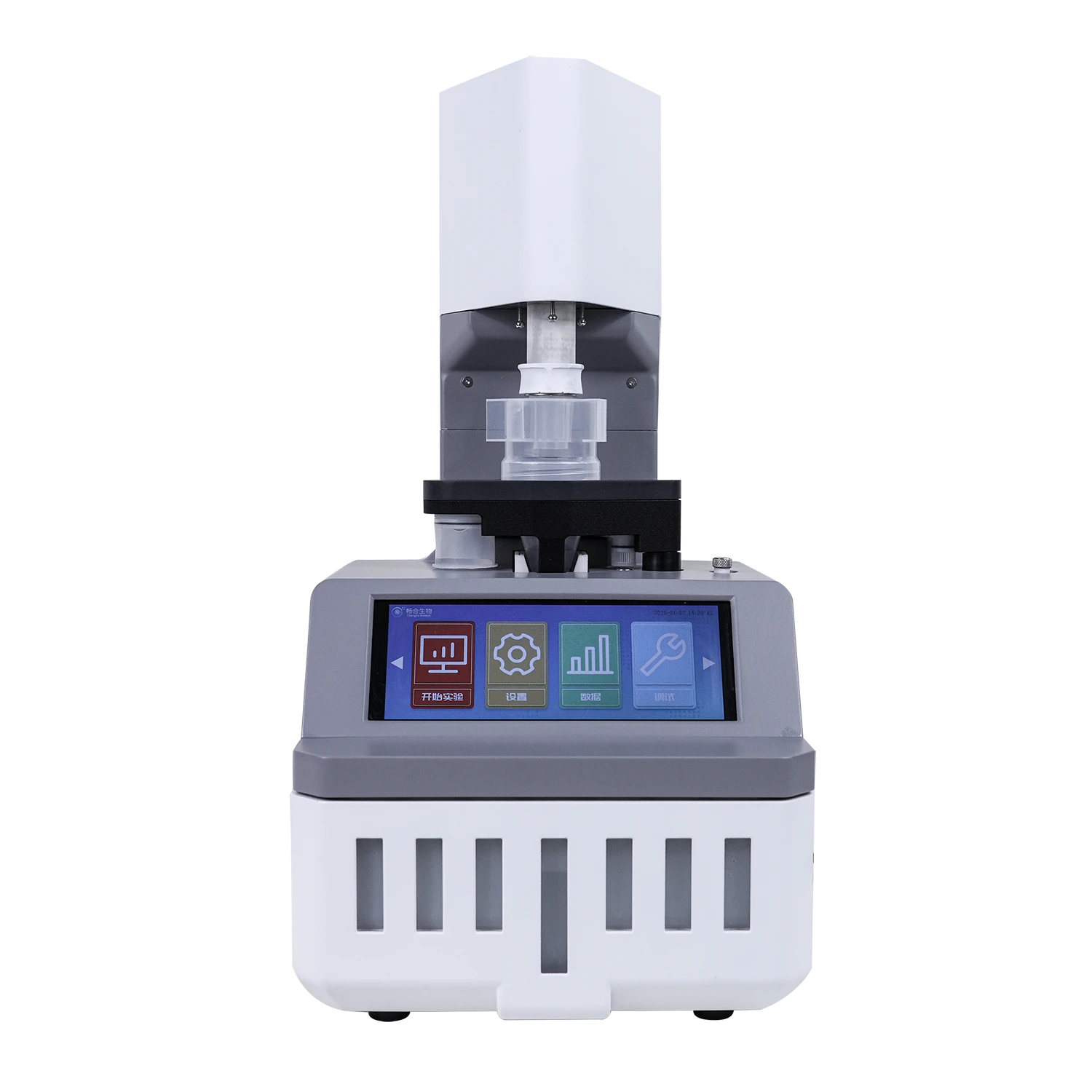

Advancements in Biological Detection Systems for Public Health and Biosecurity
Understanding Biological Detection Systems: A Deep Dive
In an increasingly interconnected world, the rapid and accurate detection of biological agents is paramount for public health, environmental safety, and biosecurity. A biological detection system (sistema de detecção biológica) encompasses a variety of technologies and methodologies aimed at identifying the presence of harmful microorganisms, toxins, or other biological threats. This article will explore the core principles, common technologies, applications, and future trends in biological detection, focusing on its importance in safeguarding against potential risks. We’ll delve into the critical role these systems play in proactive risk management and rapid response.
Core Principles of Biological Detection
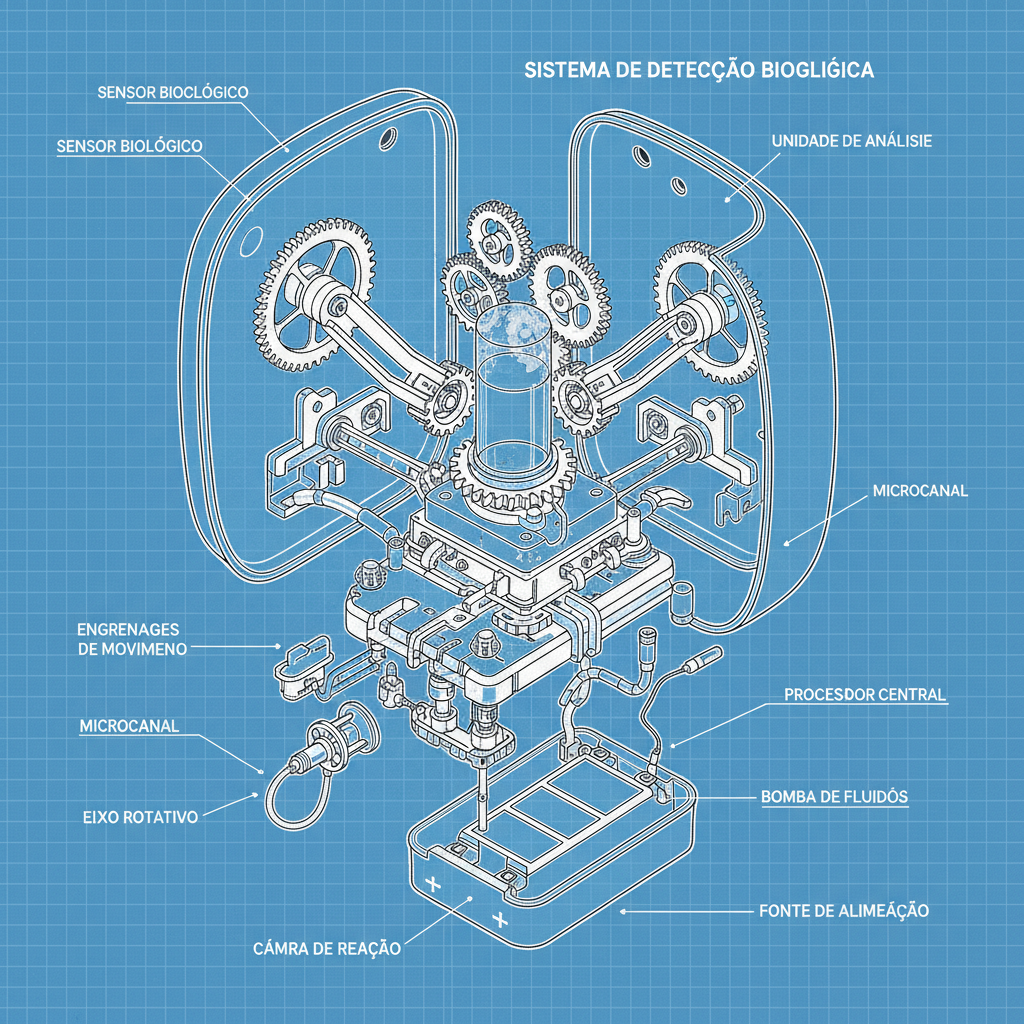
At the heart of every biological detection system (sistema de detecção biológica) lies the ability to distinguish target biological agents from background ‘noise’ – the multitude of other microorganisms and particles present in a given sample. This often involves several steps: sample collection, sample preparation (concentration, purification), detection, and identification. The specificity of the system, its ability to accurately identify the target agent without false positives, is crucial. Sensitivity, its ability to detect even very low concentrations of the agent, is equally important. The time to result, or the speed at which a determination can be made, is often a critical factor in emergency response scenarios.
Key Considerations: Specificity, sensitivity, and speed are paramount in effective biological detection systems. Accurate identification is crucial to prevent unnecessary panic and enable appropriate response measures.
Common Technologies in Biological Detection
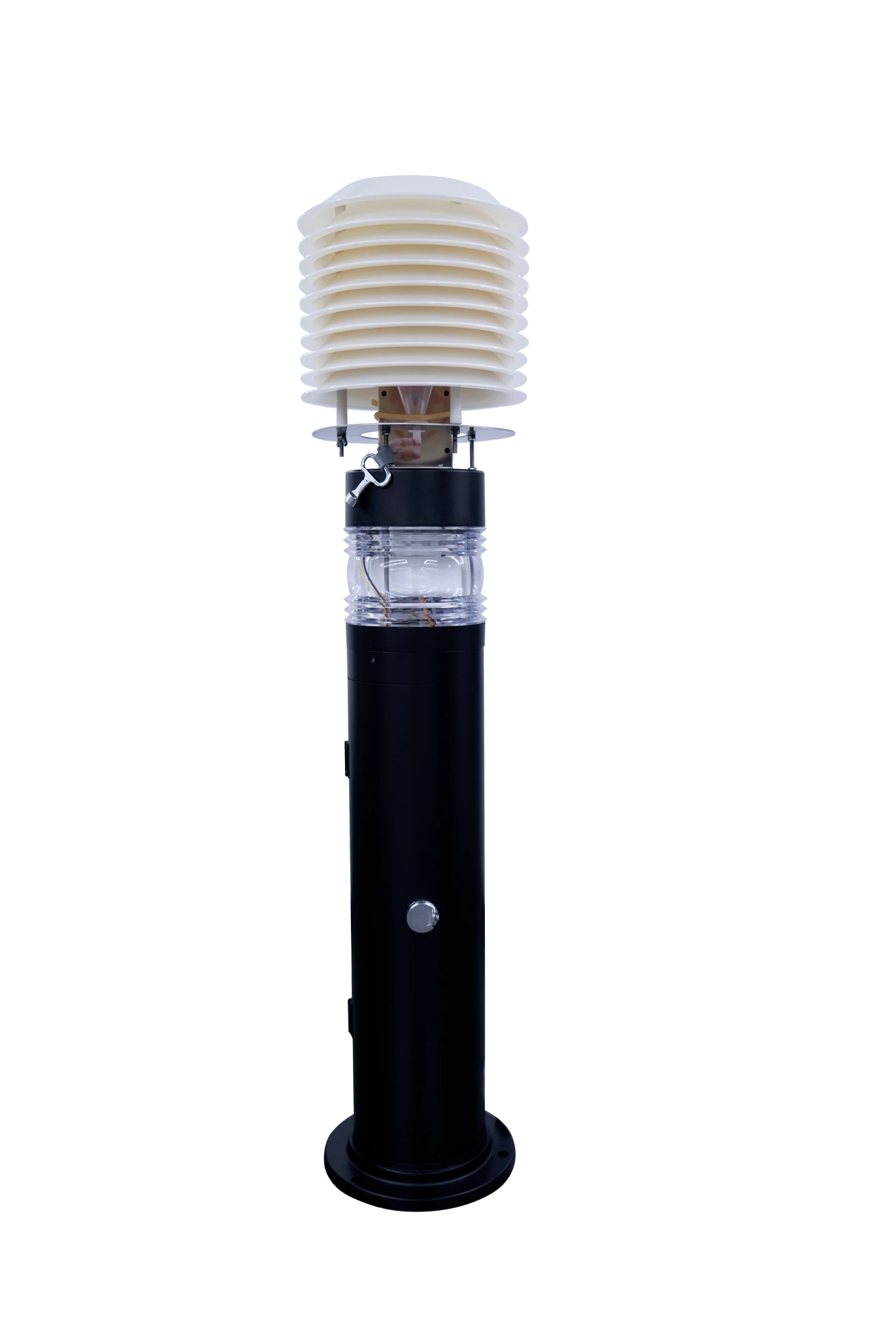
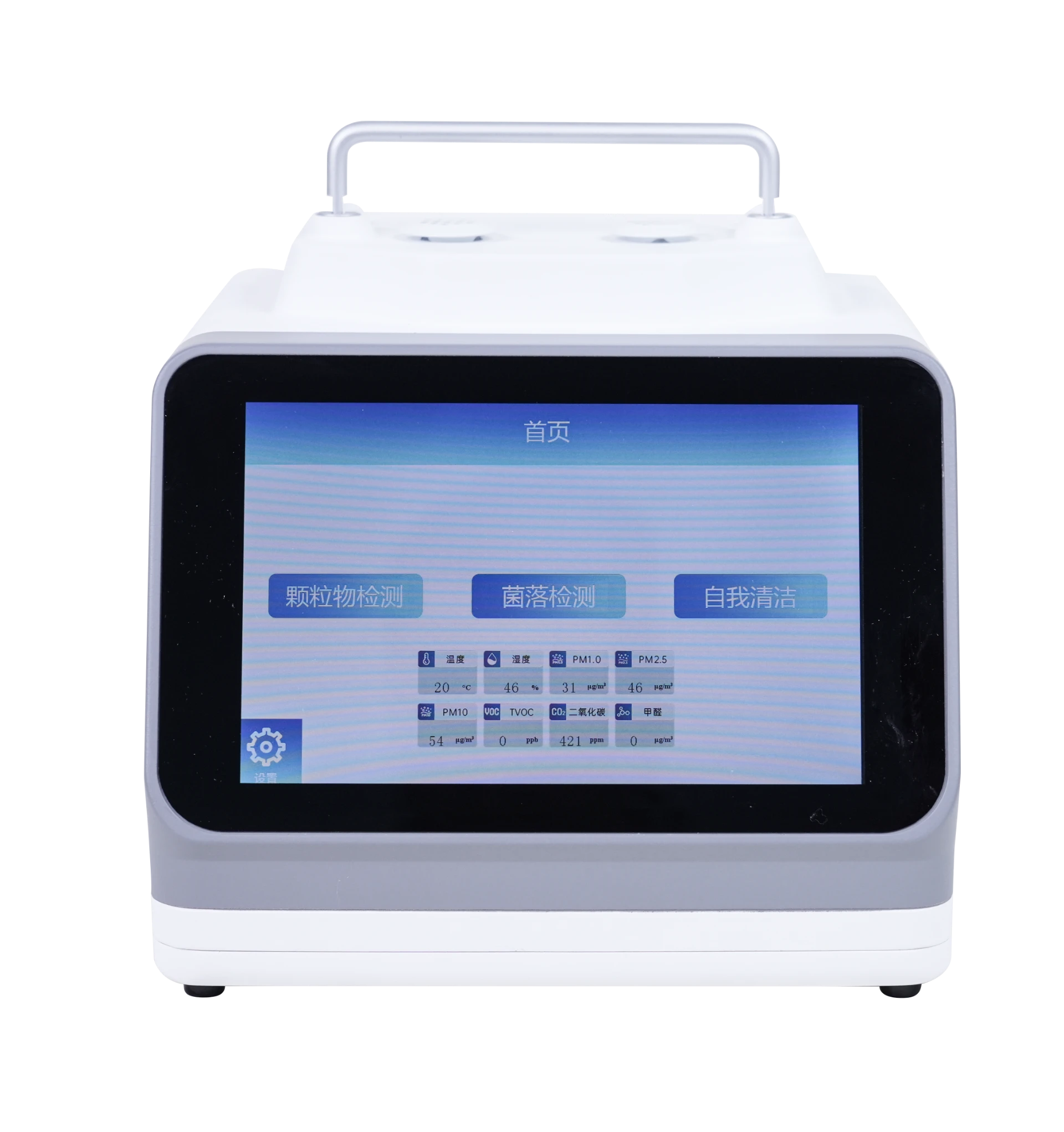
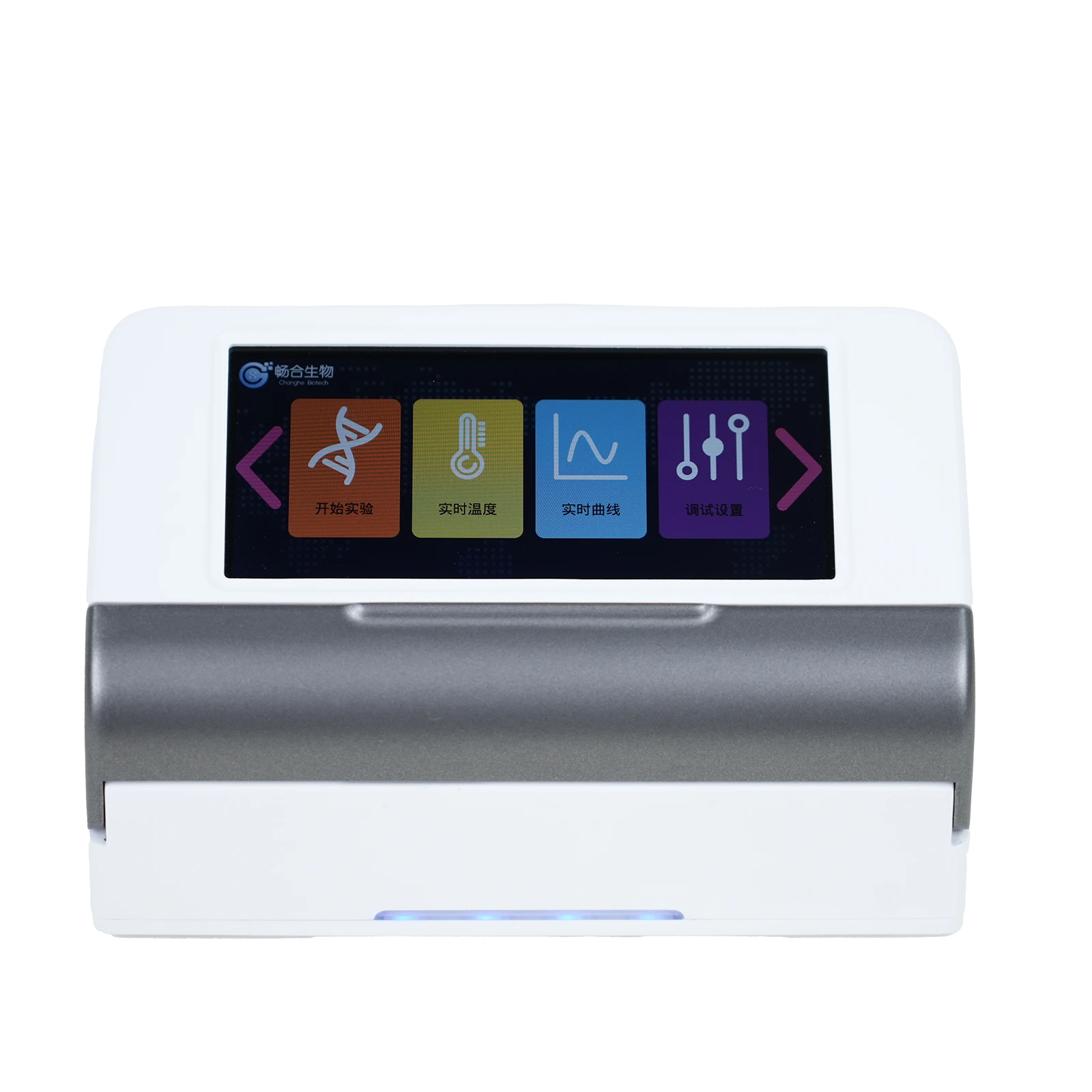
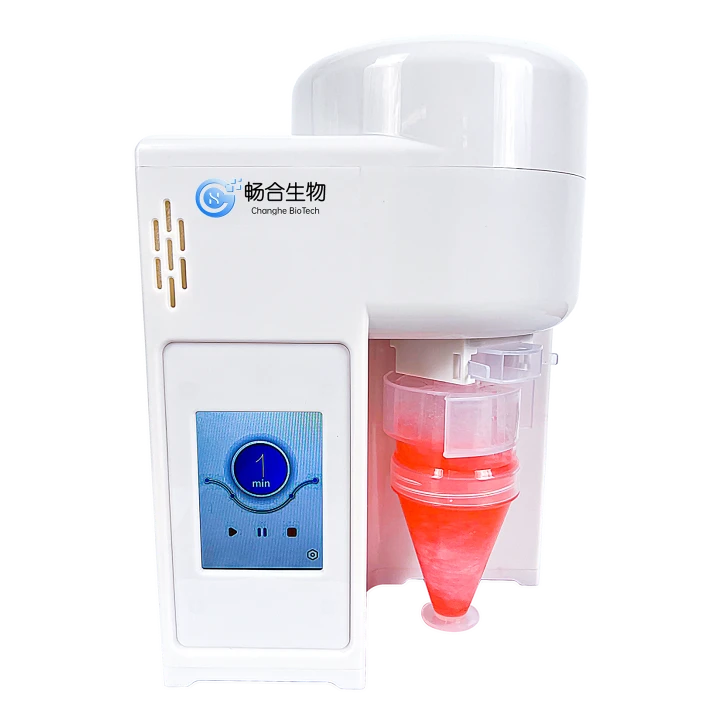
A diverse range of technologies are employed in biological detection, each with its strengths and limitations. These include: Polymerase Chain Reaction (PCR) for DNA/RNA amplification and detection; immunoassay-based methods using antibodies to bind to target antigens; mass spectrometry for identifying biomolecules based on their mass-to-charge ratio; and biosensors that integrate biological recognition elements with physical transducers. Newer technologies like next-generation sequencing are also gaining prominence, offering comprehensive genomic analysis for pathogen identification. The choice of technology often depends on the specific application, the target agent, and the desired level of sensitivity and speed. Bioaerosol samplers play a crucial role in initial collection of biological samples.
Technology Comparison:
• PCR: Highly sensitive and specific, but can be time-consuming.
• Immunoassay: Rapid and relatively inexpensive, but may have lower sensitivity.
• Mass Spectrometry: Broad-spectrum detection, but requires complex data analysis.
• Biosensors: Real-time detection, but can be prone to interference.
Applications of Biological Detection Systems
The applications of biological detection systems (sistema de detecção biológica) are wide-ranging. They are crucial in public health for monitoring and controlling infectious disease outbreaks, such as influenza, COVID-19, and foodborne illnesses. In environmental monitoring, they are used to detect waterborne pathogens and assess air quality. Biodefense applications include protecting against bioterrorism threats, such as anthrax and smallpox. Industrial settings utilize these systems for quality control in food and pharmaceutical production. Agricultural applications include early detection of plant pathogens to prevent crop losses. The increasing need for rapid and accurate detection is driving innovation and expansion in all these areas.
Emerging Trends and Future Directions
The field of biological detection is constantly evolving. Current research focuses on developing more sensitive, rapid, and portable systems. The integration of artificial intelligence (AI) and machine learning (ML) is enabling improved data analysis and predictive capabilities. Microfluidic devices, often termed “lab-on-a-chip” technologies, are miniaturizing detection systems, reducing costs, and accelerating results. Furthermore, advancements in nanotechnology are leading to the development of highly sensitive biosensors. Bioaerosol samplers are becoming more sophisticated, offering real-time monitoring and data transmission. The future promises more proactive and efficient biological threat detection capabilities.
Choosing the Right Biological Detection System
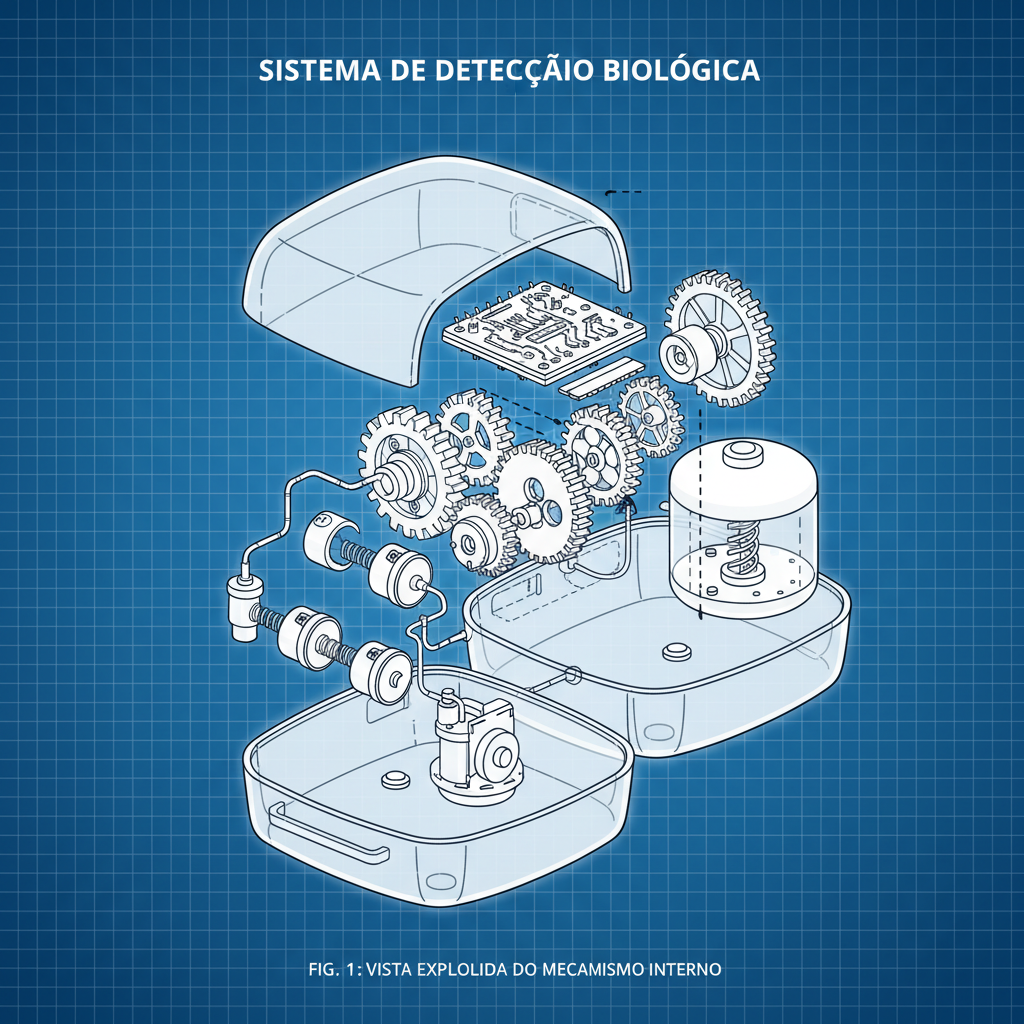
Selecting the appropriate biological detection system requires careful consideration of various factors. These include the specific target agent, the required level of sensitivity and specificity, the speed of detection, the cost of the system, and the ease of use. Understanding the regulatory requirements and standards is also crucial. Bioaerosolsampler.com offers a range of solutions tailored to meet diverse needs. Consulting with experts in the field can help ensure the selection of the most effective and reliable system for your specific application.
Conclusion: The Future of Biological Detection
The continued development and implementation of advanced biological detection systems (sistema de detecção biológica) are essential for protecting public health, ensuring environmental safety, and mitigating biosecurity risks. By embracing innovation and collaboration, we can create a more resilient and prepared world.
Frequently Asked Questions (FAQs)
What is the difference between detection and identification in biological detection?
Detection simply confirms the presence of a biological agent, while identification specifies what that agent is. A system might detect ‘something’ biological, but identification would pinpoint it as, for example, Bacillus anthracis (anthrax). Often, these are sequential steps: detection triggers further analysis for identification. Advanced systems aim to combine both capabilities for faster results.
How important is sample preparation in biological detection?
Sample preparation is critical. Biological samples are often complex matrices containing numerous interfering substances. Effective preparation – including concentration, purification, and lysis – removes these interferences and enhances the signal from the target agent, improving both sensitivity and accuracy. Poor sample preparation can lead to false negatives or inaccurate identification.
What are some of the limitations of current biological detection technologies?
Current technologies often face challenges related to sensitivity, specificity, and speed. False positives and false negatives can occur, particularly in complex environmental samples. Some systems are expensive and require specialized training. The ability to detect novel or engineered biological agents remains a significant hurdle. Furthermore, many systems are not easily portable for field deployment. Ongoing research aims to overcome these limitations.
How does real-time detection differ from traditional laboratory-based methods?
Real-time detection provides results immediately at the point of need, enabling rapid response to potential threats. Traditional laboratory-based methods require sample transport to a centralized facility, which can delay results by hours or days. Real-time systems often utilize portable sensors and automated analysis, making them ideal for field applications and emergency situations. However, traditional methods often offer higher sensitivity and greater analytical depth.
-
Understanding pcr testes transgênicos for Agricultural PurityNewsApr.16,2026
-
Understanding Febre do Cão PCR for Precision Veterinary DiagnosticsNewsApr.09,2026
-
Understanding Respiração PCR and Grupo Cat for Advanced Bioaerosol Sampling TechniquesNewsApr.07,2026
-
IDEXX Feline Respiratory PCR Panel A Comprehensive Guide for VeterinariansNewsApr.04,2026
-
Understanding Grupo de Gatos URD PCR and Bioaerosol Sampling for Air Quality ControlNewsMar.28,2026
-
Understanding the Feline Respiratory PCR Panel Grupo de PCR Respiratório do GatoNewsMar.26,2026