
Comprehensive Guide to Understanding Biological Tests and Their Applications
Understanding Biological Tests: A Comprehensive Guide
Biological tests, often referred to as testes biológicos, are critical in various fields like environmental science, pharmaceutical research, and clinical diagnostics. These tests assess the biological activity or response of organisms or samples to specific stimuli or conditions. This article will explore the different types of biological tests, their applications, and the importance of accurate data collection using specialized equipment. Understanding these tests is fundamental for professionals involved in safeguarding public health and conducting reliable scientific research.
What are Biological Tests?
Biological tests encompass a wide array of procedures designed to analyze living organisms or biological materials. These tests can evaluate a range of factors, including the presence of pathogens, the effectiveness of drugs, the toxicity of chemicals, or the immune response of an individual. They are essential for disease diagnosis, monitoring treatment efficacy, and ensuring the safety of products and environments. From simple microbial cultures to complex genomic analyses, biological tests are cornerstones of modern science and healthcare. Choosing the right biological tests is critical for obtaining accurate and meaningful results.
Key Highlights: Biological tests are crucial for disease diagnosis, treatment monitoring, and product safety assessment. Accurate data collection is essential for reliable results.
Types of Biological Tests
Biological tests are categorized based on their specific application and methodology. Common types include:
- Microbiological Tests: Identify and quantify microorganisms like bacteria, viruses, and fungi.
- Immunological Tests: Detect antibodies, antigens, and other immune system components.
- Genetic Tests: Analyze DNA and RNA to identify genetic mutations or predispositions.
- Biochemical Tests: Measure the levels of specific enzymes, hormones, or metabolites.
- Cellular Tests: Examine the structure and function of cells.
Each type of test requires specific protocols and equipment to ensure accurate and reliable results. Using reliable equipment, like those offered at Bioaerosol Sampler, helps ensure quality data.
Key Benefits of Accurate Biological Testing:
• Early and accurate disease diagnosis
• Effective treatment selection and monitoring
• Prevention of outbreaks and spread of infectious diseases
• Ensuring product safety and quality
Applications of Testes Biológicos in Various Fields
Biological tests play vital roles in a multitude of disciplines. In healthcare, they are fundamental for diagnosing infectious diseases, monitoring chronic conditions, and assessing a patient’s overall health. In environmental science, they are used to assess water and air quality, identify pollutants, and monitor the health of ecosystems. Pharmaceutical companies rely on biological tests to develop and evaluate the safety and efficacy of new drugs. Furthermore, food safety relies heavily on these tests to detect contaminants and ensure products meet regulatory standards.
Equipment Used in Biological Testing
Accurate and reliable results depend heavily on the quality of equipment used. Essential tools include:
- Microscopes: For visualizing cells and microorganisms.
- Spectrophotometers: To measure the absorbance and transmission of light through samples.
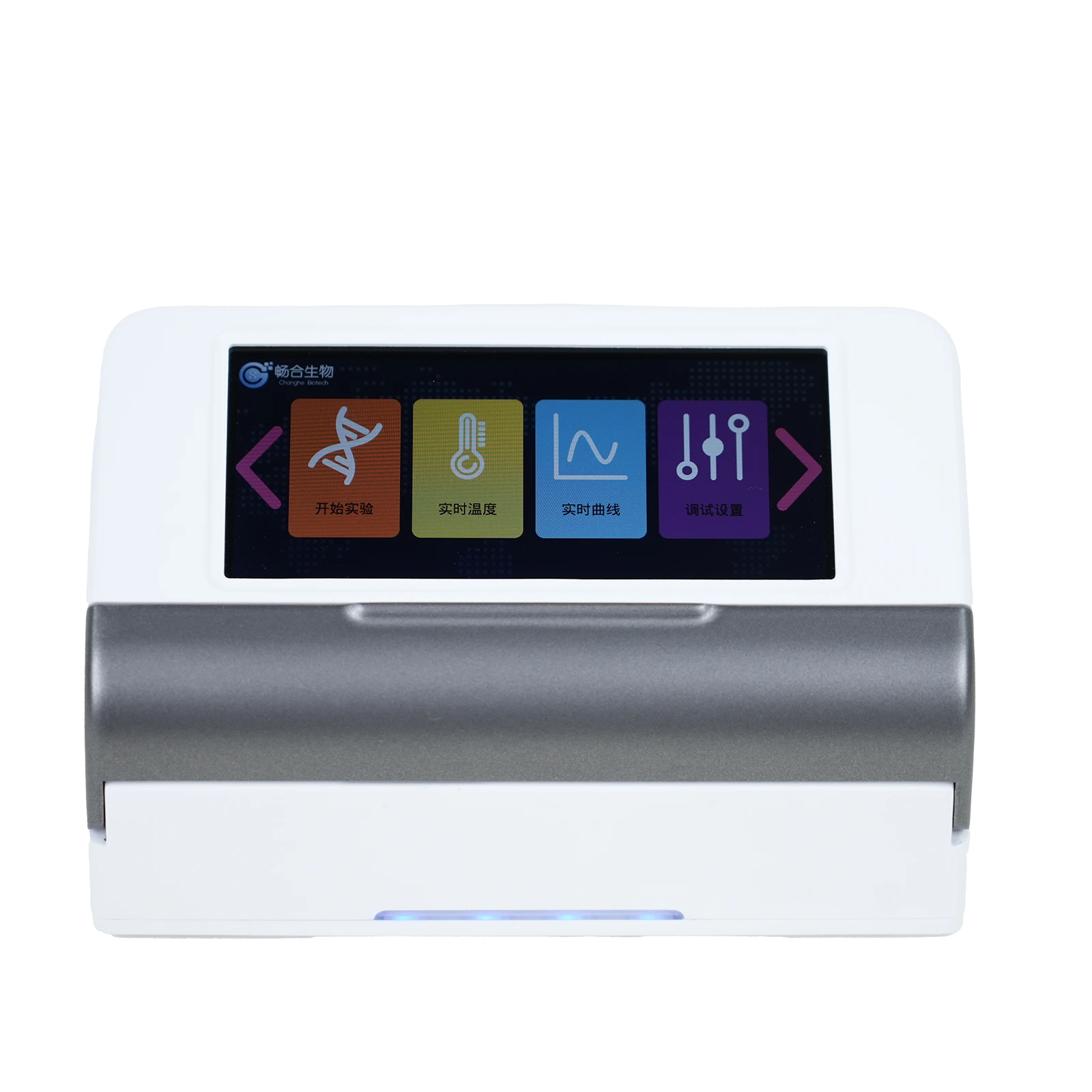
- PCR Machines: For amplifying DNA.
- Incubators: To maintain optimal growth conditions for cultures.
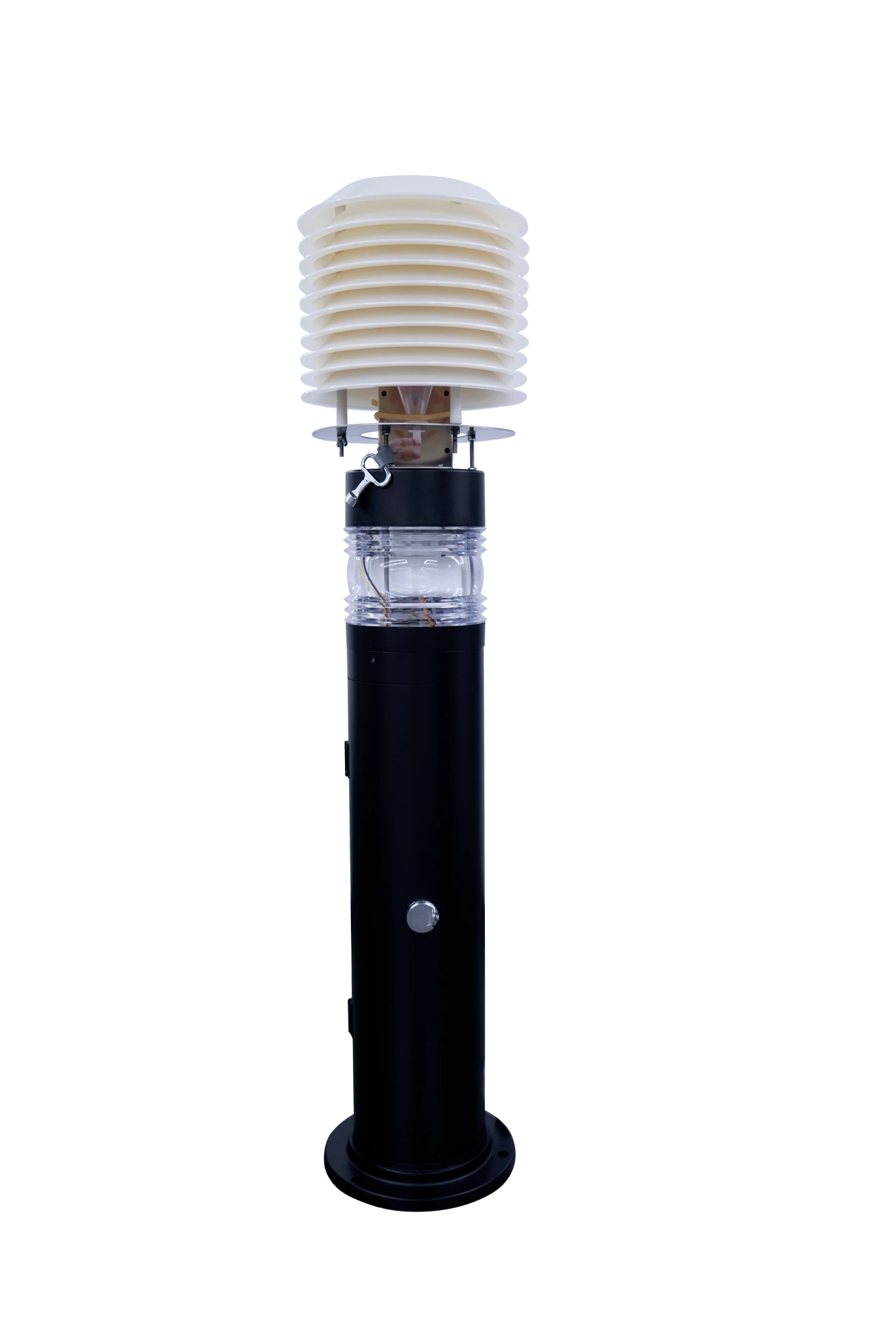
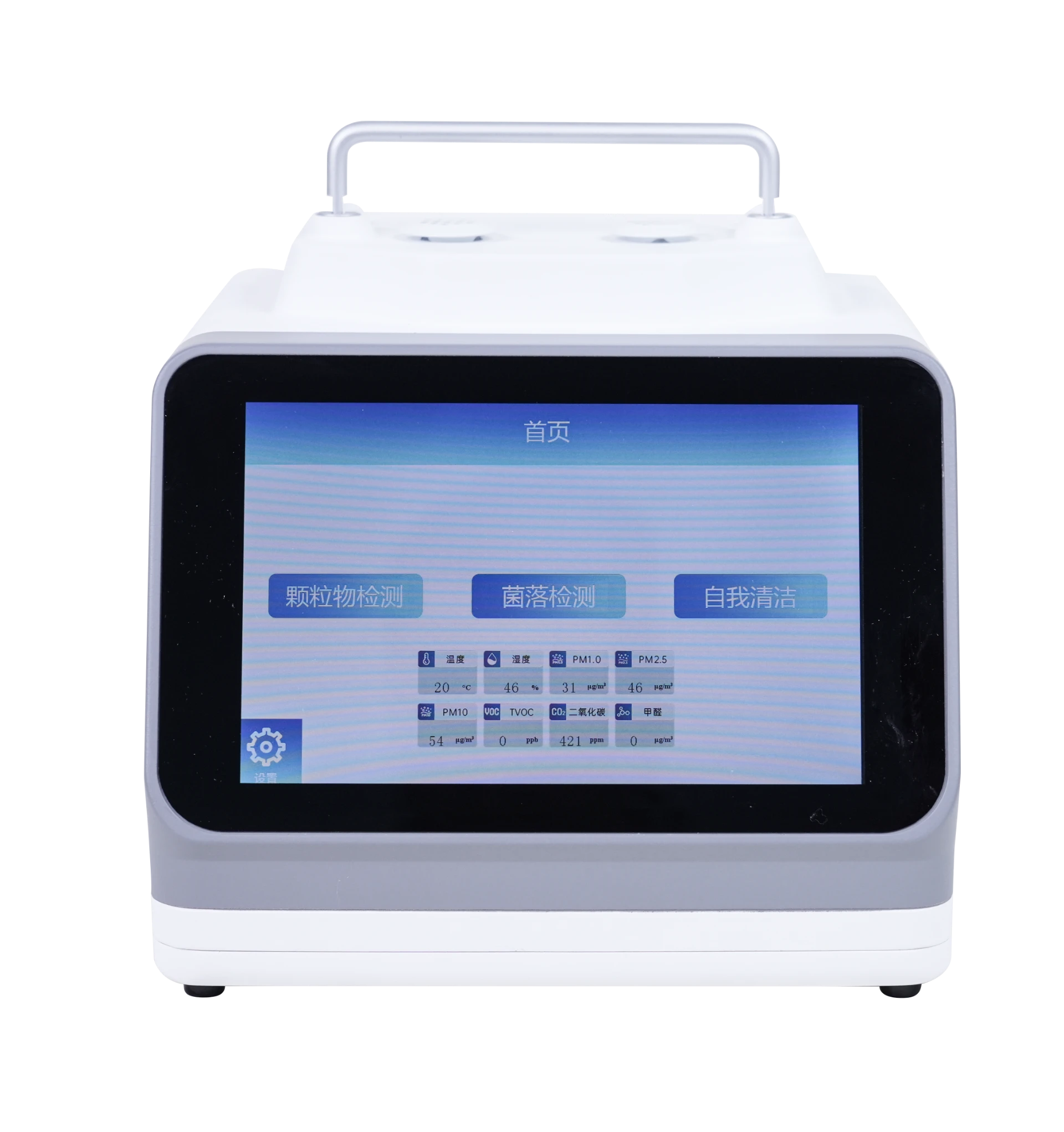
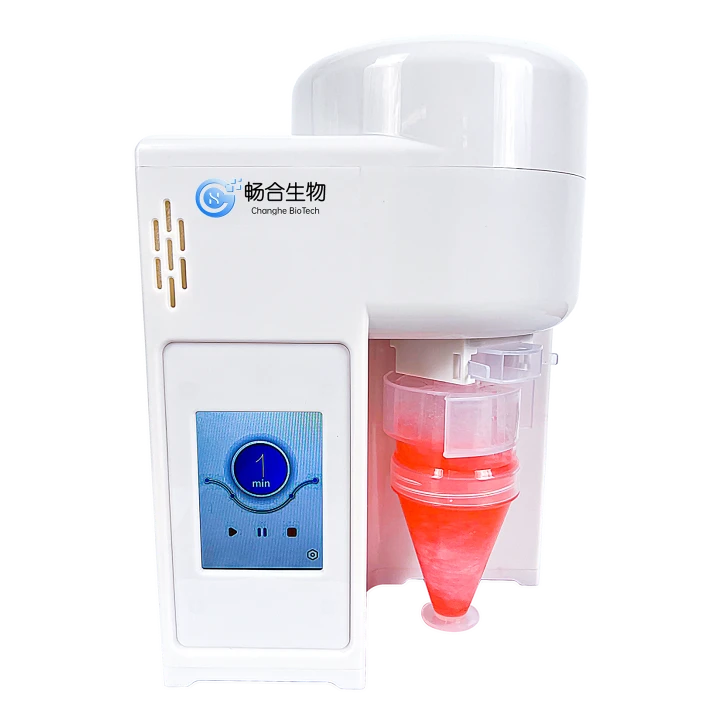
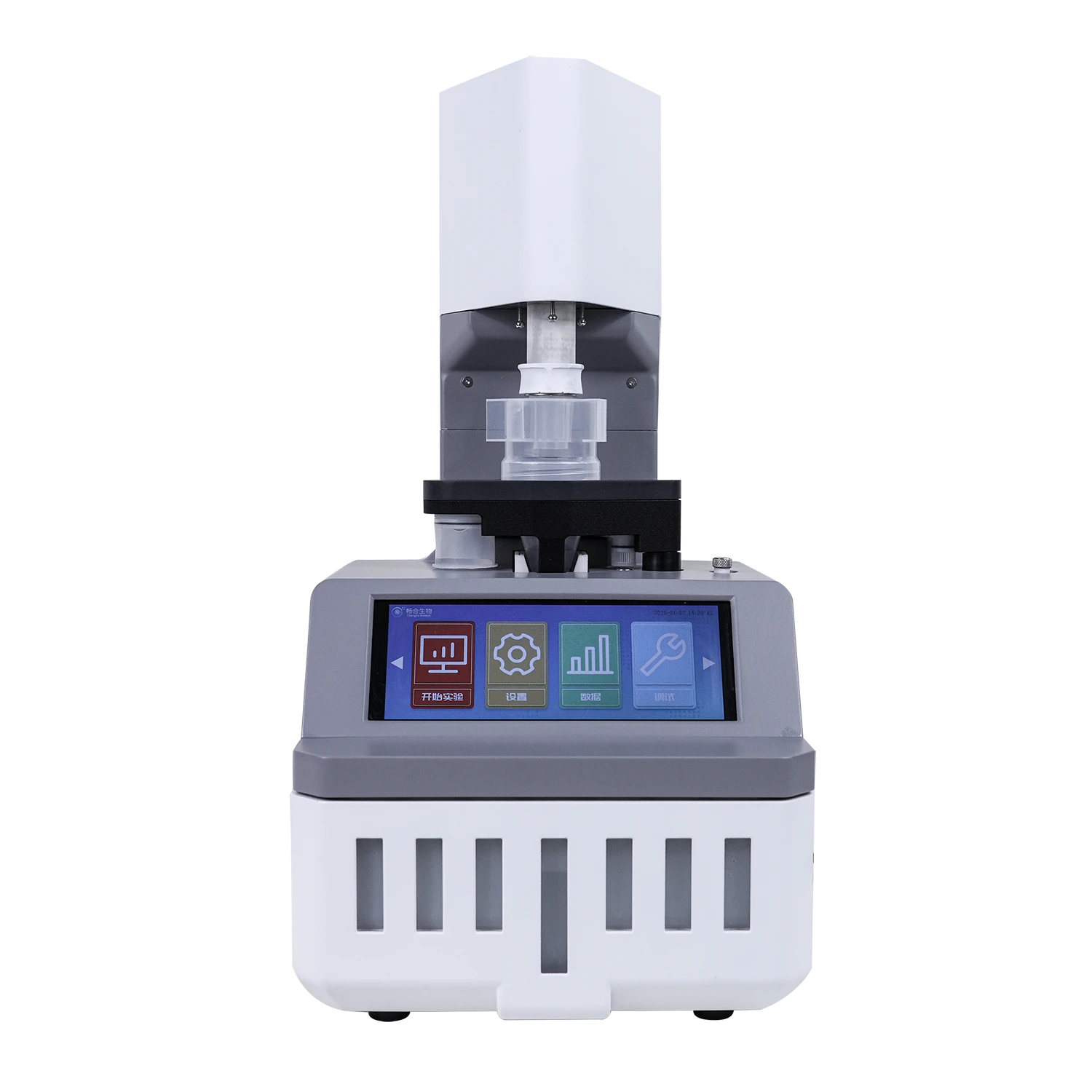
- Air Samplers: To collect airborne biological particles, such as those offered at Bioaerosol Sampler.
Investing in high-quality equipment and maintaining regular calibration are crucial for ensuring data integrity.
Ensuring Accuracy and Reliability in Biological Testing
To guarantee the validity of testes biológicos results, strict quality control measures must be implemented. This includes using validated methods, following standardized protocols, and employing trained personnel. Regular calibration of equipment, proper sample handling, and accurate data recording are also essential. Participating in proficiency testing programs can help assess and improve laboratory performance.
Conclusion: The Importance of Biological Testing
Biological tests are indispensable tools in modern science and healthcare. Accurate and reliable results are crucial for disease diagnosis, treatment monitoring, and ensuring public health and safety. Investing in high-quality equipment, adhering to standardized protocols, and implementing rigorous quality control measures are vital for obtaining meaningful data. Bioaerosol Sampler provides the tools needed to conduct accurate research.
Frequently Asked Questions (FAQs)
What is the turnaround time for typical biological tests?
The turnaround time for biological tests varies considerably depending on the complexity of the test and the laboratory performing it. Simple tests, such as rapid antigen tests, can provide results within minutes. More complex tests, like genomic sequencing, may take several days or even weeks. Laboratories typically provide estimated turnaround times when requesting the test.
How should biological samples be collected and stored?
Proper sample collection and storage are critical for accurate test results. Samples should be collected according to established protocols, using appropriate containers and techniques to avoid contamination. Samples should be stored at the recommended temperature (e.g., refrigerated or frozen) and transported to the laboratory promptly. Follow the laboratory's specific guidelines for sample collection and storage.
What are the potential sources of error in biological testing?
Potential sources of error include sample contamination, inaccurate pipetting, equipment malfunction, and human error in data interpretation. Implementing strict quality control measures, such as regular calibration of equipment, proficiency testing, and standardized protocols, can help minimize these errors. Proper training of personnel is also crucial.
How do air samplers contribute to biological testing?
Air samplers, such as those offered by Bioaerosol Sampler, collect airborne biological particles, like bacteria, fungi, and viruses. These samples are then analyzed to assess air quality, identify potential biohazards, and monitor the presence of pathogens. This is critical in environments like hospitals, research labs, and manufacturing facilities.
-
Understanding pcr testes transgênicos for Agricultural PurityNewsApr.16,2026
-
Understanding Febre do Cão PCR for Precision Veterinary DiagnosticsNewsApr.09,2026
-
Understanding Respiração PCR and Grupo Cat for Advanced Bioaerosol Sampling TechniquesNewsApr.07,2026
-
IDEXX Feline Respiratory PCR Panel A Comprehensive Guide for VeterinariansNewsApr.04,2026
-
Understanding Grupo de Gatos URD PCR and Bioaerosol Sampling for Air Quality ControlNewsMar.28,2026
-
Understanding the Feline Respiratory PCR Panel Grupo de PCR Respiratório do GatoNewsMar.26,2026