
Bioaerosol sampler questions: airflow, analysis, and monitoring time

A practical FAQ for buyers choosing among the CA-1-300, ASTF-1, and LCA-1-300. It explains portable collection, continuous sampling, airflow, run time, and the difference between collecting a sample for later analysis and using an integrated PCR workflow.
Questions from buyers
The right instrument depends on the sampling duration, air volume, sample analysis method, and working environment. SUZHOU CHANGHE BIOTECH CO., LTD lists the CA-1-300, ASTF-1, and LCA-1-300 for different collection and detection workflows. If portable ambient-air collection is your starting point, review the CA-1-300 product page.
What is the CA-1-300 used for?
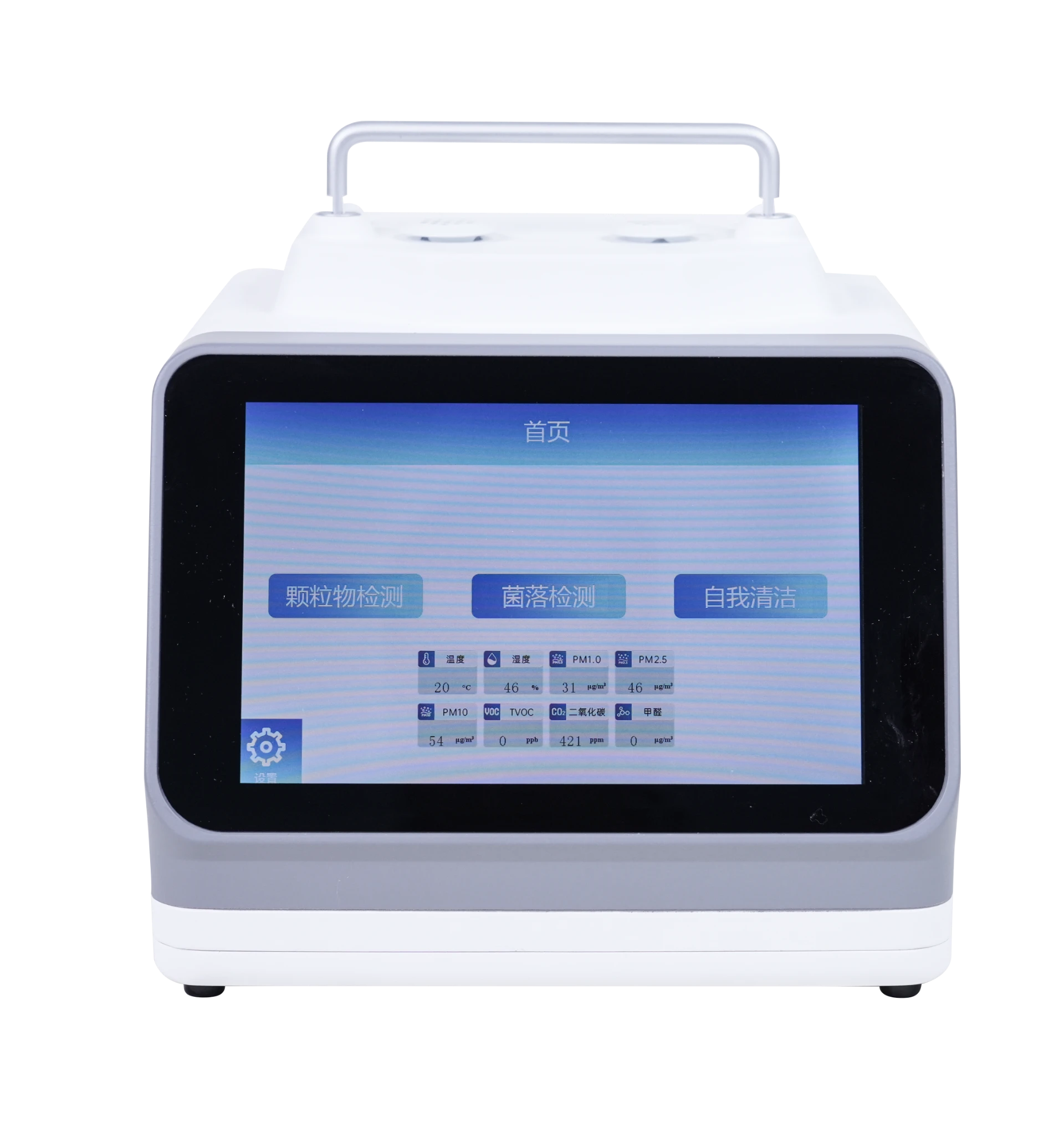
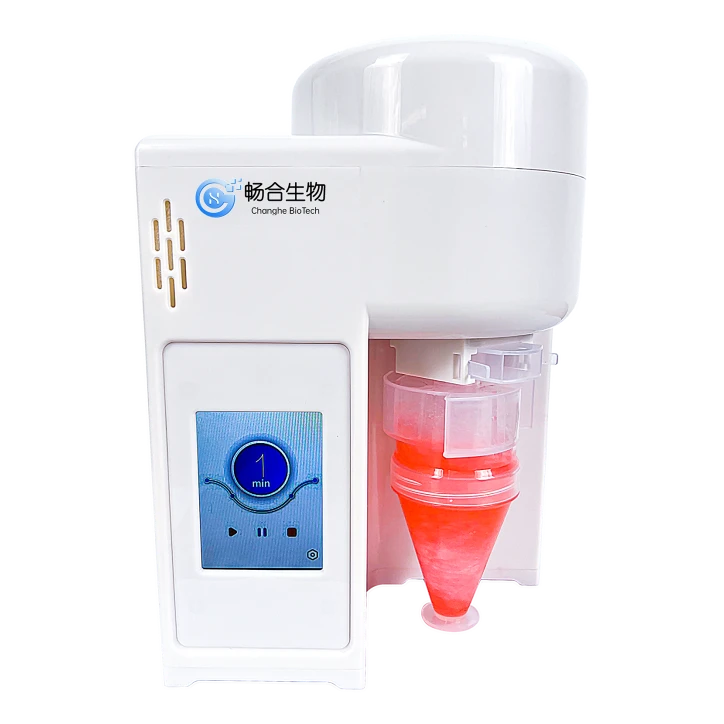
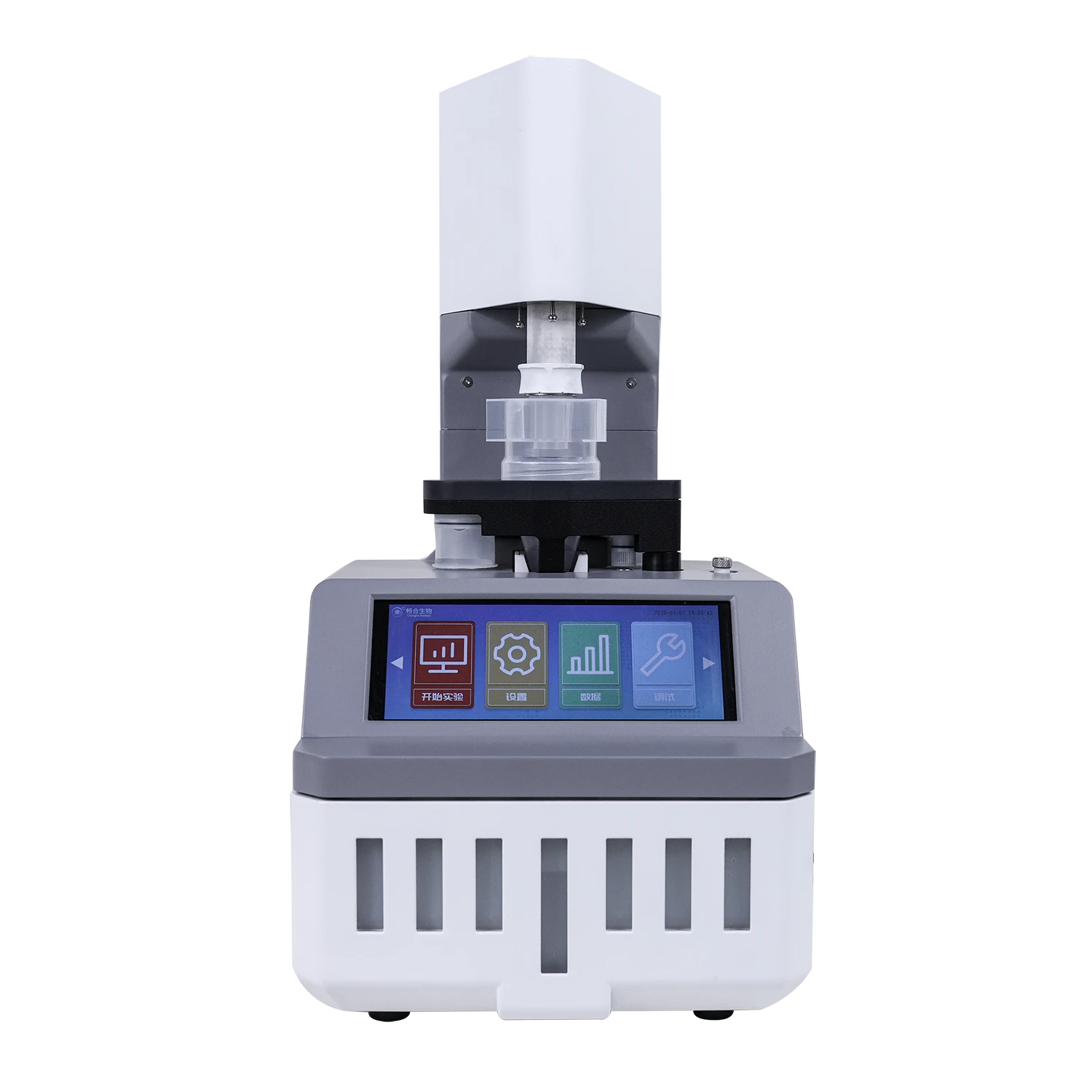
The CA-1-300 collects bioaerosols from ambient air using wet-cyclone operation. Listed applications include animal husbandry, pharmaceutical production, food manufacturing, laboratories, hospitals, exhibition venues, shopping malls, restaurants, offices, rail transit, classrooms, and stadiums. The collected sample is compatible with qPCR or sequencing analysis.
It fits teams that need to move a unit between rooms or sites. The sampler is described as lightweight and portable, with a built-in battery and a user interface designed for easier operation.
What airflow and sampling time does it provide?
The CA-1-300 has two listed airflow settings: 150 L/min at low flow and 300 L/min at high flow. Its running time can be set from 1 to 15 minutes, and it collects particles at or above 0.8 μm.
For a room survey, decide whether low or high flow suits the sampling plan and select a running time within that range. Include the target room, number of locations, desired flow setting, and sampling duration when requesting a quotation.
Which model is intended for continuous monitoring?
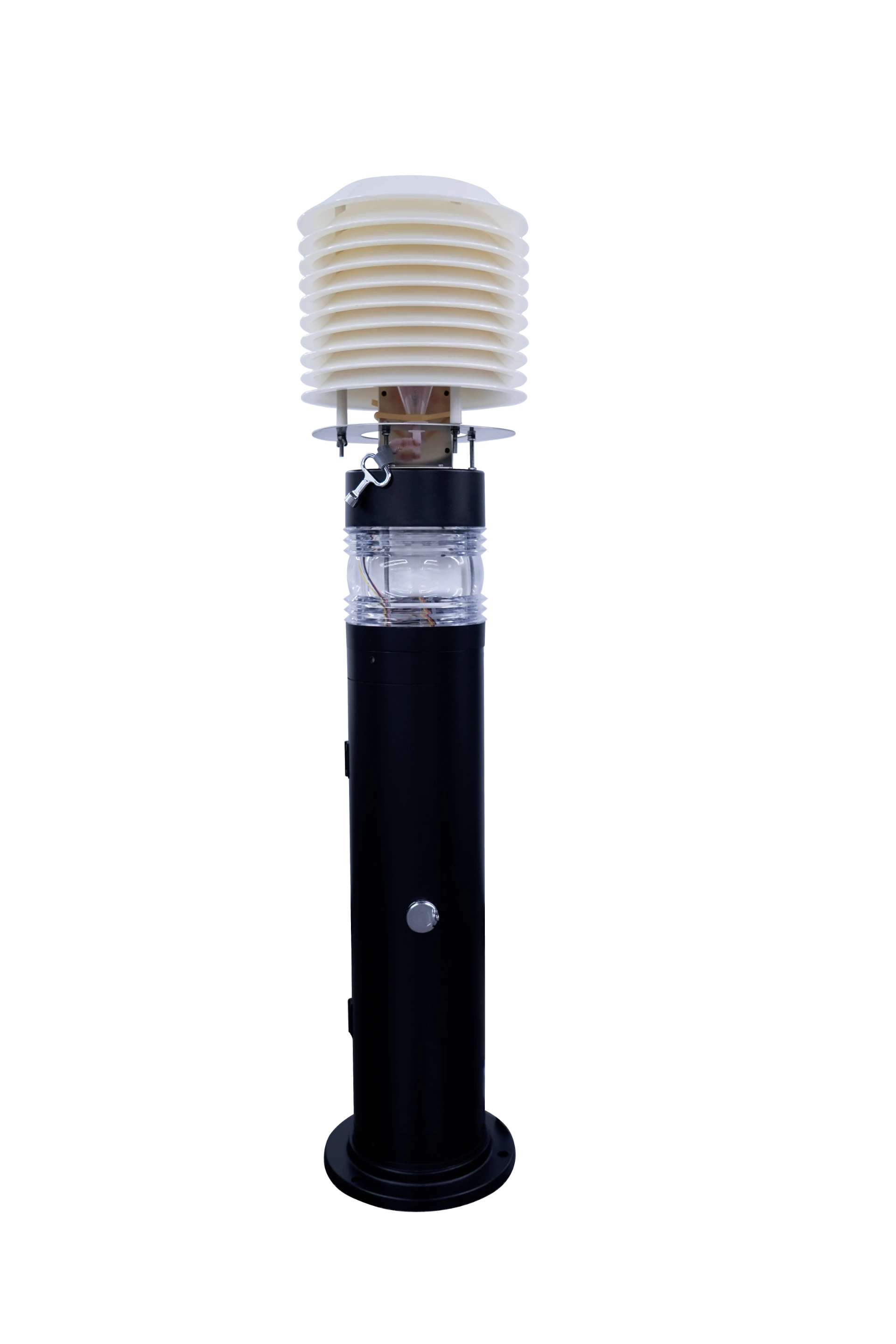
The LCA-1-300 is intended for continuous collection. It uses wet-cyclone technology to capture airborne components into a sampling solution and automatically replenishes the solution. Its listed continuous operation is up to 48 hours, with low and high airflow settings of 150 L/min and 300 L/min.
This model suits a plan requiring extended operation in locations such as hospitals, laboratories, production areas, public venues, or transit spaces. Before ordering, send the intended monitoring duration, installation location, power arrangement, and sampling schedule so the configuration can be matched to the worksite.
Does every sampler perform PCR detection by itself?
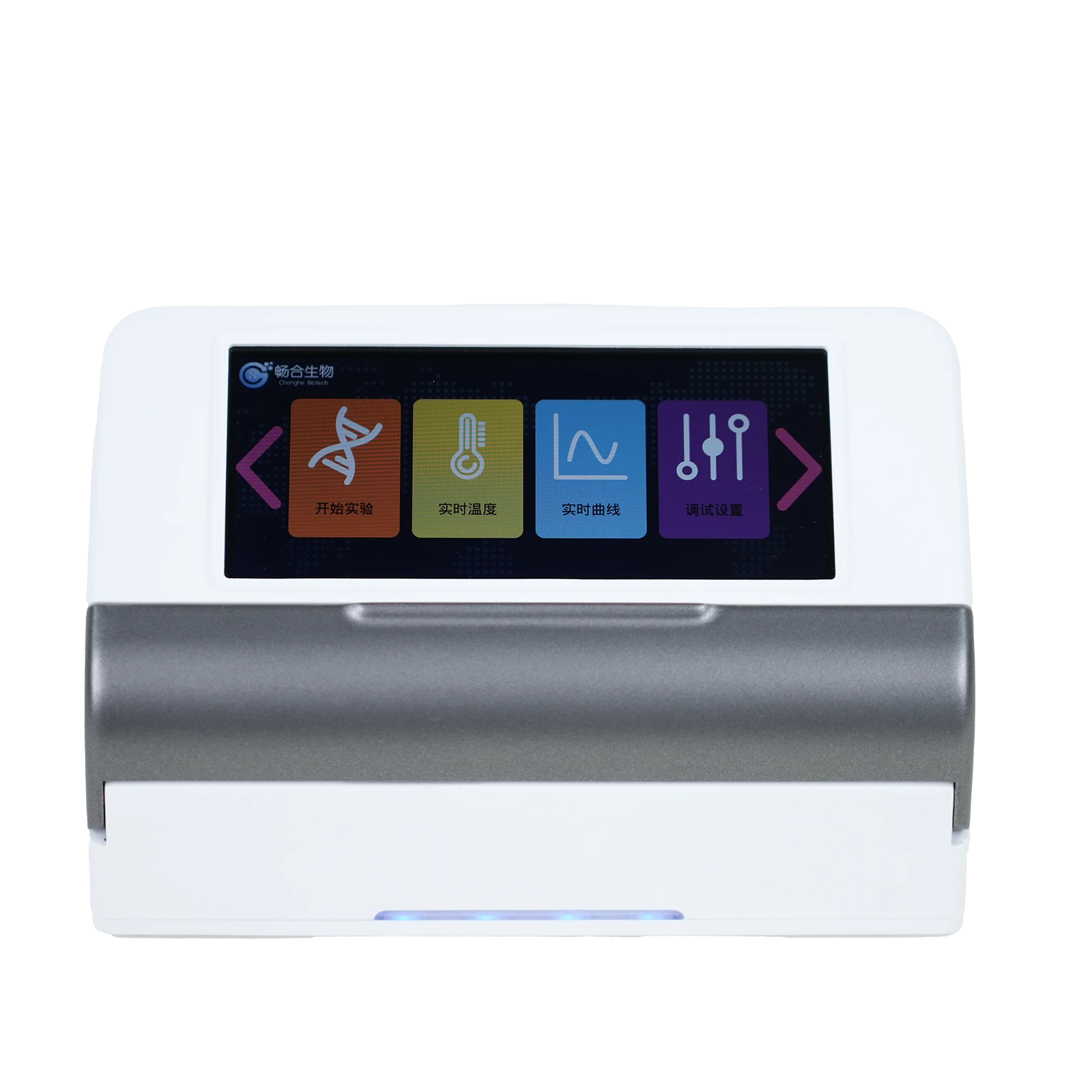
The CA-1-300 is described as a collection device whose sample is compatible with qPCR or sequencing analysis. The ASTF-1 is a different product: it combines wet-cyclone air collection with automated nucleic-acid extraction and PCR detection using four fluorescence channels, FAM, CY5, ROX, and HEX.
Choose the CA-1-300 when the requirement is portable collection for later analysis. Choose the ASTF-1 when the workflow calls for integrated collection, extraction, and PCR detection. The ASTF-1 has a listed flow rate above 300 L/min and a sampling time of 5 to 15 minutes.
What should a buyer include in an inquiry?
Identify the intended model or workflow, application site, airflow requirement, sampling duration, particle range of interest, downstream analysis method, and required quantity. For the CA-1-300, the relevant operating choices include 150 L/min or 300 L/min airflow and a 1 to 15 minute running time. For extended monitoring, state whether the LCA-1-300's continuous function is required. For integrated PCR work, describe the ASTF-1 workflow requirement.
Also include the destination country, delivery location, and site constraints that affect placement or power. Send these details with the number of units and intended analysis method so SUZHOU CHANGHE BIOTECH CO., LTD can respond to the correct configuration.
The people

About the author
The company
SUZHOU CHANGHE BIOTECH CO., LTD
Changhe Biotech is located in Shanghai, R&D and production area exceeds 2,000 square meters, including device production and R&D area, reagent production and R&D area, quality inspection area, etc. Deeply engaged in environmental biosafety, relying on its independently developed on-site rapid testing Mini PCR, Bioaerosol sampler, bioaerosol sampling and detection device, and Bioaerosol monitoring device, R&D livestock and pet nucleic acid detection reagents, focuses on on-site environmental pathogen monitoring and…
About Us ↗Visit company website ↗Your next step
Bring your brief. Start a useful conversation.
Use case, specification, quantity and delivery window: make the next conversation specific.
-
Bioaerosol Monitoring Device vs. Traditional Lab Sampling: Specifications, Performance and Supplier DocumentationNewsOct.29,2026
-
Choosing a Bioaerosol Sampler: Application Fit and Specification ChecksNewsOct.27,2026
-
Benefits of a PCR Stool Test for Dogs for Better Canine HealthNewsJul.01,2026
-
Optimizing Diagnostics with Canine Respiratory PCR Panel IdexxNewsJun.29,2026
-
Rapid Diagnostics and Portable Molecular Testing with mini pcrNewsJun.27,2026