
Bioaerosol Monitoring Device vs. Traditional Lab Sampling: Specifications, Performance and Supplier Documentation
SIDE BY SIDE
Bioaerosol Monitoring Device vs. Traditional Lab Sampling: Specifications, Performance and Supplier Documentation
This comparison evaluates the AST-1-2 Bioaerosol Monitoring Device against traditional lab-based sampling methods across five documented criteria: detection speed, operating cost, labor requirement, data granularity, and risk mitigation approach. All comparison data is drawn from published product documentation by SUZHOU CHANGHE BIOTECH CO., LTD. The article is intended for procurement teams, facility managers and distributors in pharmaceutical, healthcare, food manufacturing, and public infrastructure sectors evaluating real-time bioaerosol monitoring solutions.

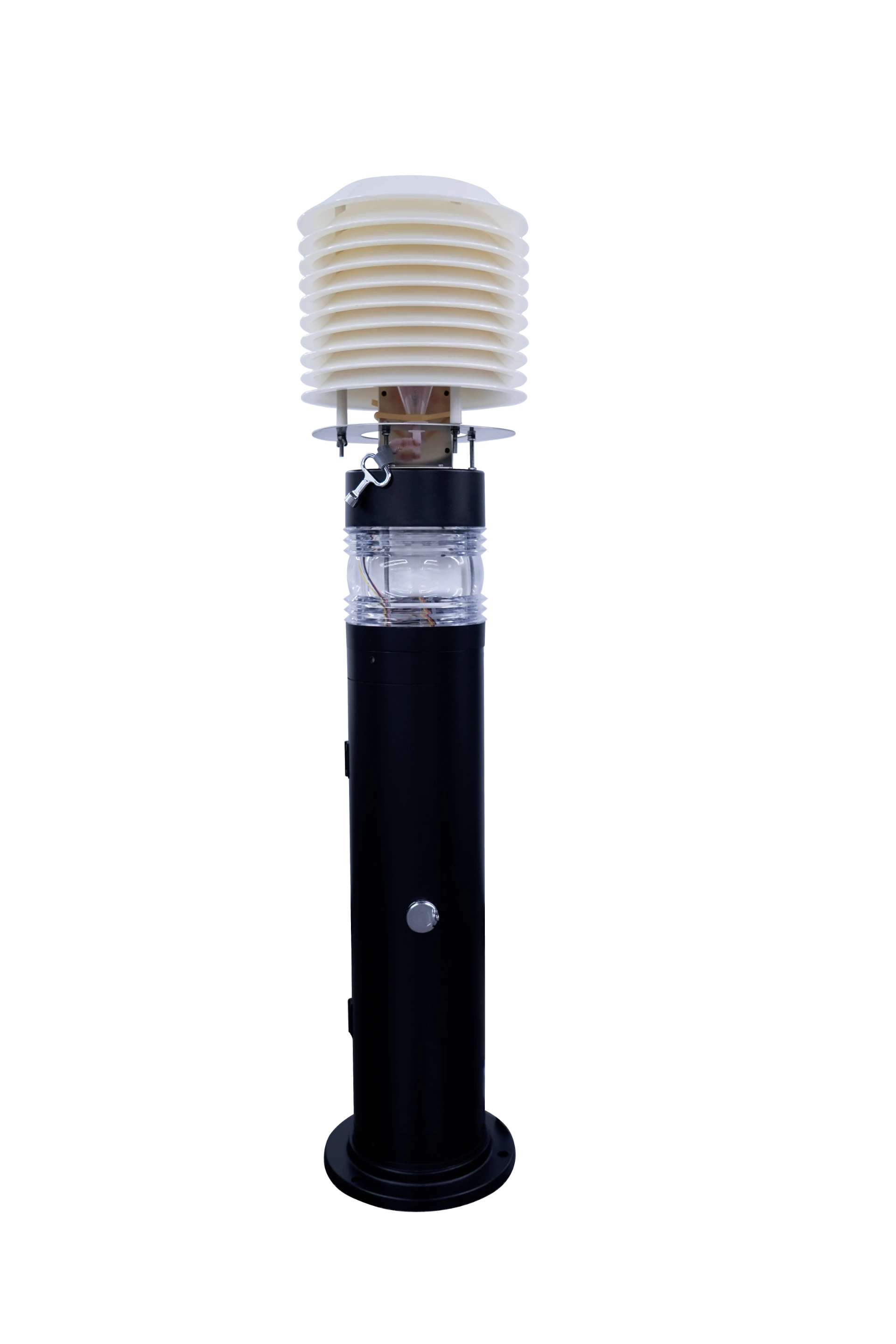
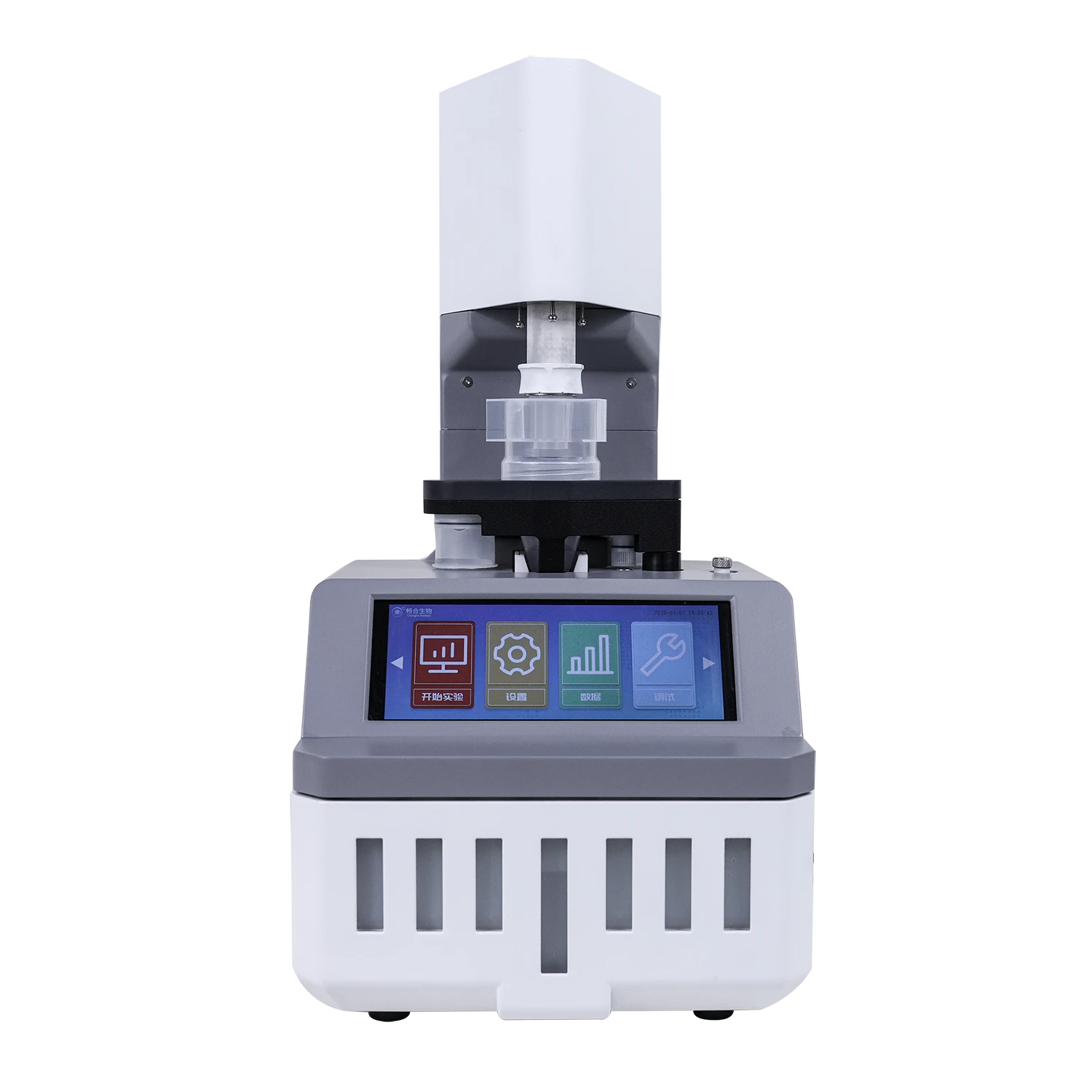
AST-1-2 Bioaerosol Monitoring Device (real-time fluorescence-based instrument, Model AST-1-2, supplied by SUZHOU CHANGHE BIOTECH CO., LTD)
Traditional Lab-Based Sampling (manual air sample collection, culture-based incubation, aggregate-count reporting — as characterized in AST-1-2 published product documentation)
Bioaerosol Monitoring Device vs. Traditional Lab Sampling: A Buyer's Comparison
For organizations managing air quality in pharmaceutical clean rooms, hospitals, food production facilities, or public transit hubs, choosing the right bioaerosol detection approach is a critical procurement decision. This article compares two documented approaches side by side: the AST-1-2 Bioaerosol Monitoring Device — a real-time fluorescence-based instrument supplied by SUZHOU CHANGHE BIOTECH CO., LTD — and traditional lab-based sampling, a method characterized in the product documentation as requiring manual sample collection, laboratory culture, and aggregate-count reporting.
All comparison data below is sourced directly from published product documentation. Where information for one approach is not available in the source materials, this is noted.
What Is the AST-1-2 Bioaerosol Monitoring Device?
The AST-1-2 is an analytical instrument designed for real-time, single-particle measurement of atmospheric bioaerosols, including bacteria, molds, fungal spores, and pollen. It uses particle light-scattering and fluorescence detection technology: particles are excited by 405 nm flash lamps, and two emission bands capture a detailed excitation-emission matrix sensitive to common fluorophores such as tryptophan and NADH. This dual-excitation, dual-emission approach allows classification of particle type alongside size measurement.
The device provides particle-by-particle data for particles in the 0.5–10 µm size range, with time-of-flight analysis to detect coincidence. A graphical user interface (GUI) displays real-time particle data and instrument health parameters.
Published specifications (Model AST-1-2):
| Parameter | Specification |
|---|---|
| Detection Objects | Bacteria, spores, fungi, pollen, etc. |
| Particle Size Range | 0.5–10 µm |
| Sensitivity | ≤50 biological particles/L |
| Sampling Flow | 2.5 L/min |
| Response Time | <3 seconds |
| Working Temperature | 0°C–40°C |
| Storage Temperature | −40°C–60°C |
| Input Power | DC 12V 2A (Power <10W) |
| Communication Mode | UART-TTL |
| Overall Dimension | 223 × 233 × 200 mm |
| Weight | 3,200 g |
What Is Traditional Lab-Based Sampling?
Traditional lab-based sampling, as characterized in the AST-1-2 product documentation, involves manual collection of air or surface samples, transport to a laboratory, and culture-based incubation to identify and count biological particles. Results are reported as aggregate counts. The process requires ongoing consumables (such as agar plates and reagents) and dedicated laboratory personnel for collection and analysis.
Note: Specifications and operating parameters for traditional sampling methods in this article are drawn solely from the comparative tables published in AST-1-2 product documentation by SUZHOU CHANGHE BIOTECH CO., LTD. Independent third-party specifications for traditional methods have not been reviewed.
Head-to-Head Comparison
The following criteria are derived directly from the published comparison tables in the AST-1-2 product documentation.
1. Detection Speed
| Approach | Detection Speed |
|---|---|
| AST-1-2 Bioaerosol Monitoring Device | <3 seconds (real-time) |
| Traditional Lab Sampling | Hours to days (laboratory culture) |
The AST-1-2 delivers a documented response time of under 3 seconds per measurement cycle. Traditional lab sampling, as described in the source documentation, requires hours to days due to culture incubation periods before results are available.
2. Operating Cost (Consumables)
| Approach | Consumable Requirement |
|---|---|
| AST-1-2 Bioaerosol Monitoring Device | No consumables required |
| Traditional Lab Sampling | High — agar plates, reagents, and other consumables |
The AST-1-2 operates without consumables, which is a key cost-reduction factor over the instrument's service life. Traditional sampling has high consumable costs (agar, reagents).
3. Labor Requirement
| Approach | Labor Requirement |
|---|---|
| AST-1-2 Bioaerosol Monitoring Device | Automated continuous monitoring |
| Traditional Lab Sampling | Manual collection and transport to laboratory |
The AST-1-2 is described as supporting automated, continuous online monitoring, which reduces the need for manual sample collection cycles. Traditional sampling requires dedicated personnel for collection, labeling, transport, and laboratory analysis.
4. Data Granularity
| Approach | Data Output |
|---|---|
| AST-1-2 Bioaerosol Monitoring Device | Particle-by-particle data (size, shape indicator, fluorescence) |
| Traditional Lab Sampling | Aggregate counts only |
The AST-1-2 provides particle-level data on size (0.5–7 µm, with configurability for larger particles such as pollen and fungal spores), relative shape measurement, and fluorescent properties. Traditional lab culture methods, as described in the source documentation, produce aggregate counts without particle-by-particle resolution.
5. Risk Mitigation Approach
| Approach | Risk Mitigation Mode |
|---|---|
| AST-1-2 Bioaerosol Monitoring Device | Proactive — real-time alerts enable immediate response |
| Traditional Lab Sampling | Reactive — results available only after contamination has occurred |
Because the AST-1-2 operates in real time with a sub-3-second response, the published documentation describes its risk mitigation posture as proactive: operators can respond to biological threats as they emerge. Traditional sampling identifies issues after culture completion, meaning results describe a condition that may have changed or worsened during the lag period.
Published Application Sectors
The AST-1-2 product documentation identifies the following deployment environments. Traditional sampling applications are not separately listed in the source materials.
- Pharmaceutical Manufacturing — clean room monitoring to prevent product contamination
- Healthcare / Hospitals — airborne pathogen monitoring to reduce hospital-acquired infections
- Food and Beverage Production — hygienic condition monitoring during production and packaging
- Public Spaces — shopping malls, hotels, exhibition venues, airports, and rail transit
- Research Laboratories — controlled-environment particle behavior studies
- HVAC Systems — biological contaminant detection in ventilation infrastructure
- Agriculture — airborne particle monitoring affecting crop and livestock health
Supplier Documentation Notes
The AST-1-2 Bioaerosol Monitoring Device is manufactured and supplied by SUZHOU CHANGHE BIOTECH CO., LTD, based in Suzhou, China, with R&D and production facilities exceeding 2,000 square meters. The company's published focus areas include on-site environmental biosafety, bioaerosol sampling, and POCT solutions for livestock and pet pathogen detection.
Multiple product documentation pages are available for the AST-1-2, including detailed parameter tables, application sector descriptions, FAQ sections, and investment return comparisons — all of which formed the evidentiary basis for this article. Procurement teams seeking quotations, minimum order quantities, lead times, or export documentation should contact SUZHOU CHANGHE BIOTECH CO., LTD directly through their official channels at www.bioaerosolsampler.com.
Summary Comparison Table
| Criterion | AST-1-2 Bioaerosol Monitoring Device | Traditional Lab Sampling |
|---|---|---|
| Detection Speed | <3 seconds (real-time) | Hours to days (culture) |
| Consumables | None required | High (agar, reagents) |
| Labor | Automated continuous | Manual collection & transport |
| Data Granularity | Particle-by-particle (size, fluorescence) | Aggregate counts only |
| Risk Response | Proactive (real-time alert) | Reactive (post-contamination) |
| Particle Size Range | 0.5–10 µm | Not specified in source materials |
| Power Requirement | DC 12V 2A (<10W) | Not specified in source materials |
| Communication | UART-TTL | Not applicable |
All factual claims in this article are drawn from published product documentation. Specifications, performance characteristics, and application descriptions require independent verification before procurement decisions are made. This article does not constitute endorsement of any product or approach.
THE PEOPLE

About the author
THE COMPANY
SUZHOU CHANGHE BIOTECH CO., LTD
Changhe Biotech is located in Shanghai, R&D and production area exceeds 2,000 square meters, including device production and R&D area, reagent production and R&D area, quality inspection area, etc. Deeply engaged in environmental biosafety, relying on its independently developed on-site rapid testing Mini PCR, Bioaerosol sampler, bioaerosol sampling and detection device, and Bioaerosol monitoring device, R&D livestock and pet nucleic acid detection reagents, focuses on on-site environmental pathogen monitoring and…
About Us ↗Visit company website ↗YOUR NEXT STEP
Bring your brief. Start a useful conversation.
Use case, specification, quantity and delivery window: make the next conversation specific.
-
Bioaerosol sampler questions: airflow, analysis, and monitoring timeNewsNov.02,2026
-
Choosing a Bioaerosol Sampler: Application Fit and Specification ChecksNewsOct.27,2026
-
Benefits of a PCR Stool Test for Dogs for Better Canine HealthNewsJul.01,2026
-
Optimizing Diagnostics with Canine Respiratory PCR Panel IdexxNewsJun.29,2026
-
Rapid Diagnostics and Portable Molecular Testing with mini pcrNewsJun.27,2026