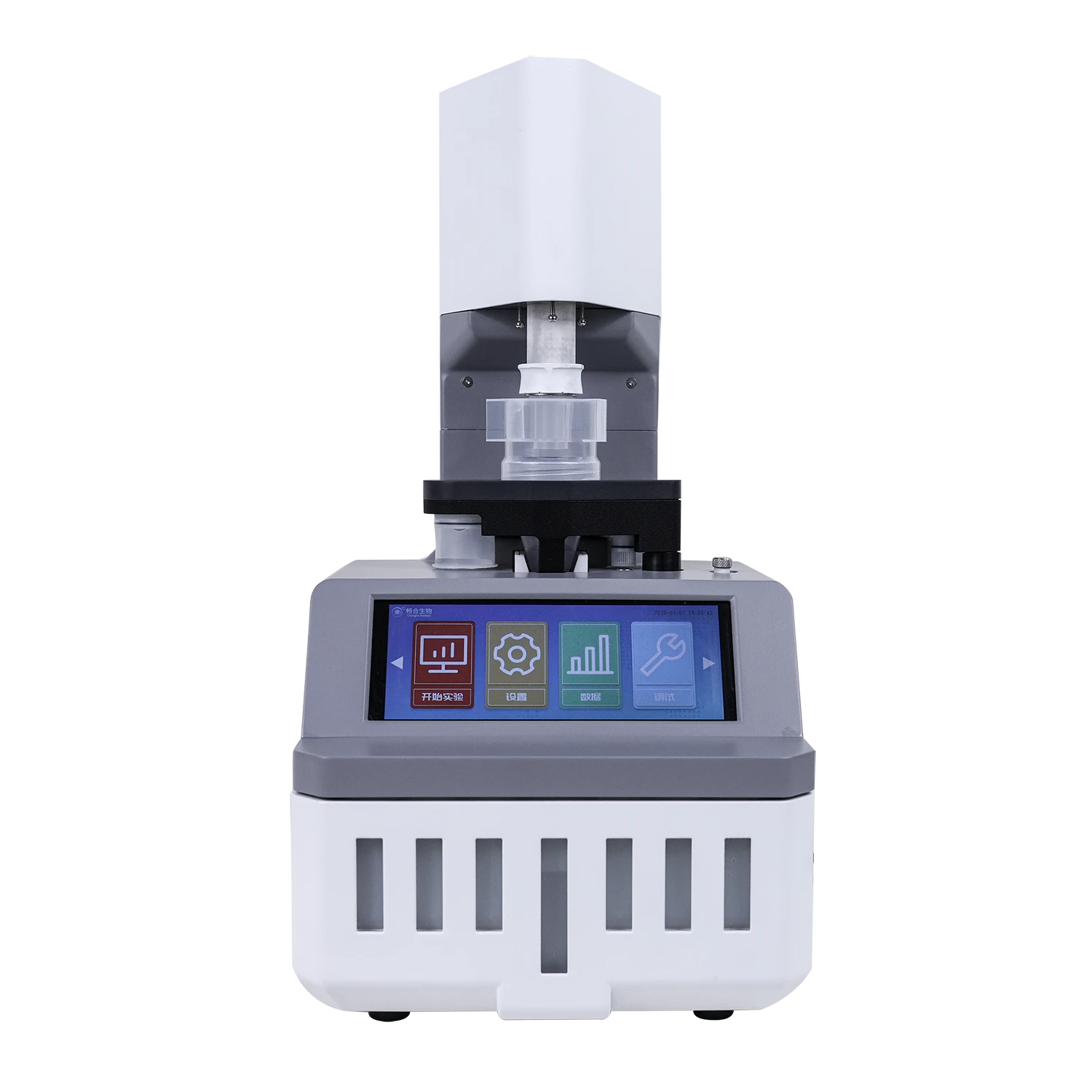

Choosing a Bioaerosol Sampler: Application Fit and Specification Checks
THE BUYER'S GUIDE / SELECTION
Choosing a Bioaerosol Sampler: Application Fit and Specification Checks
Selecting the right bioaerosol sampler requires matching the device's operating mode, run time, flow rate, and particle collection range to your specific monitoring scenario. This guide walks through the key purchase criteria — sampling continuity, deployment environment, downstream analysis compatibility, and ease of operation — and maps them to the confirmed specifications of SUZHOU CHANGHE BIOTECH CO., LTD's CA-1-300 and LCA-1-300 models, so procurement teams can identify which configuration fits their site before requesting a quotation.

Sampling continuity and run time: spot sampling (1–15 min, battery-portable) versus continuous unattended monitoring (up to 48 h with automatic solution replenishment) determines which model is appropriate for the monitoring schedule and operator availability.
Particle collection range and deployment environment: both models use wet-cyclone technology capturing ≥ 0.8 μm particles in a liquid concentrate compatible with qPCR and sequencing; field deployments requiring weather tolerance and autonomous operation narrow the choice to the LCA-1-300.
Why Application Fit Matters Before You Choose a Bioaerosol Sampler
A bioaerosol sampler is only as useful as its match to the monitoring task. Two facilities may both need airborne pathogen data, yet require completely different devices: a food-manufacturing plant running a one-time audit demands a different tool than a livestock barn that needs round-the-clock surveillance. Clarifying four core criteria — sampling continuity, particle capture range, downstream analysis method, and deployment conditions — before you compare models prevents costly mismatches.
Key Selection Criteria
1. Sampling Continuity and Run Time
The most immediate decision is whether you need spot sampling or continuous, unattended monitoring.
- Spot / short-duration sampling suits audits, compliance checks, event spaces, or any scenario where a trained operator is present and a 1–15 minute collection window is sufficient. A compact, battery-powered device that can be carried to multiple locations adds practical value.
- Continuous sampling is needed when pathogen pressure can spike at unpredictable times — typical in animal husbandry, hospital corridors, or transport hubs. Here the sampler must operate autonomously for extended periods; manual liquid replacement during a run is impractical and may interrupt the sample chain.
2. Particle Collection Range and Technology
Both wet-cyclone (impact) samplers described in this guide capture particles ≥ 0.8 μm, which covers the size range of bacteria clusters, fungal spores, and most respiratory virus-laden droplet nuclei. Confirm that this lower bound is consistent with the pathogens you are targeting. If your protocol specifies a different cut-point, request updated technical documentation before ordering.
Wet-cyclone technology concentrates collected material into a liquid phase, which is directly compatible with downstream qPCR or sequencing workflows — a meaningful advantage over impactor-based dry collection when molecular analysis is the endpoint.
3. Downstream Analysis Compatibility
Verify that the collection solution volume and format match your laboratory's extraction and amplification protocol. The wet-cyclone design delivers a liquid concentrate, making it straightforward to transfer to PCR tubes or sequencing prep kits. If your lab uses a culture-based method, discuss collection solution chemistry with the manufacturer before specifying a model.
4. Deployment Environment and Portability
Consider where the sampler will be placed:
- Indoor controlled environments (laboratories, cleanrooms, offices) typically allow mains power and stable conditions, so a stationary unit is acceptable.
- Field or semi-outdoor environments (livestock farms, outdoor event venues, transport terminals) may require battery operation, weather resistance, and tolerance for variable airflow. A device explicitly rated for field use without risk from wind and rain is a different procurement item than a lab-only unit.
- Multi-site rotation favors a lightweight, portable device that one operator can carry between sample points.
5. Ease of Operation and Maintenance
Evaluate the operator-hour cost alongside hardware cost. A sampler that requires frequent manual liquid replenishment may be adequate for short runs but becomes a bottleneck in continuous monitoring programs. Automatic solution replenishment significantly lowers operational labor and reduces the risk of sample chain interruption.
Applicable Products from SUZHOU CHANGHE BIOTECH CO., LTD
CA-1-300 Bioaerosol Sampler — Spot and Multi-Scenario Sampling
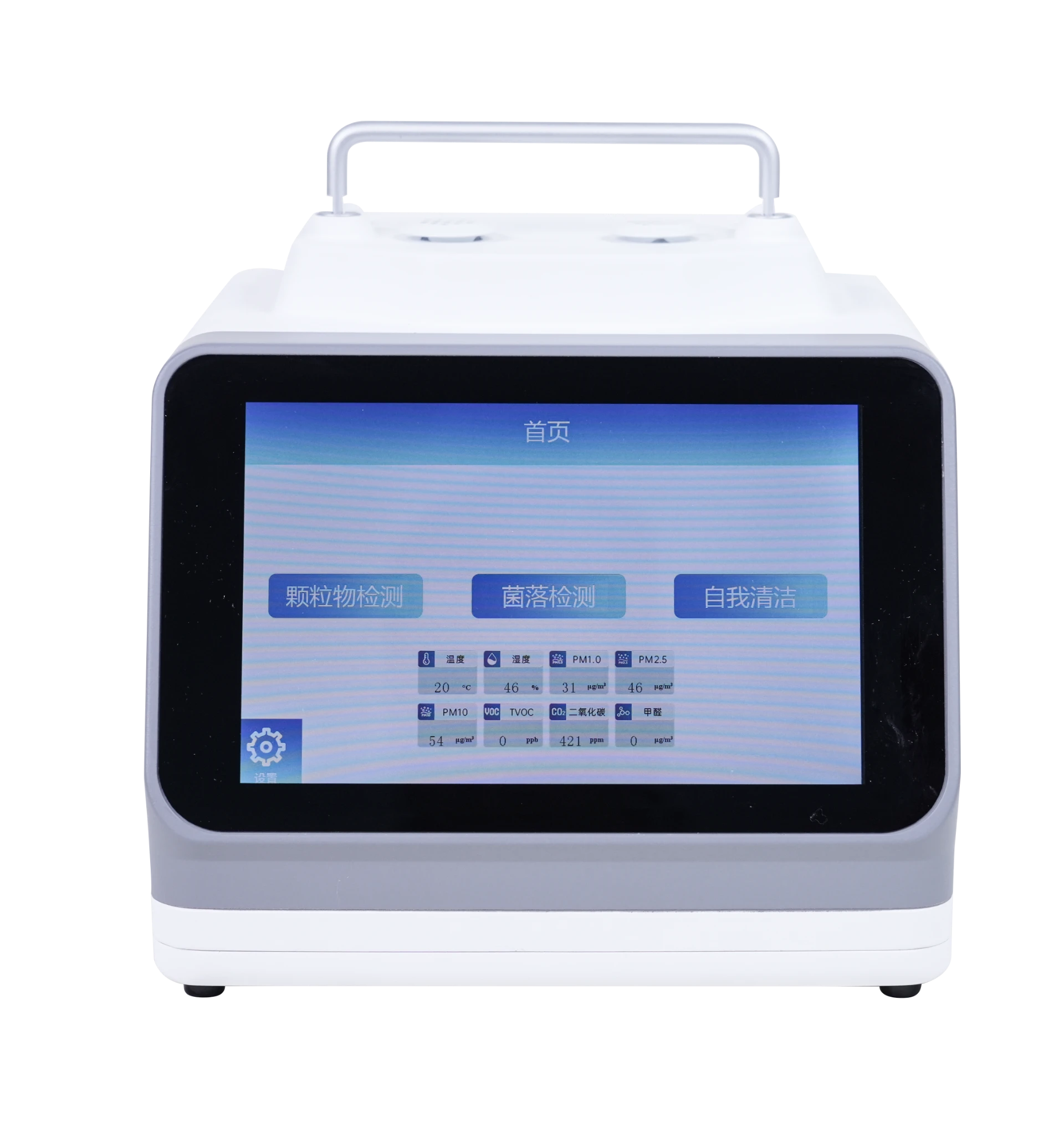
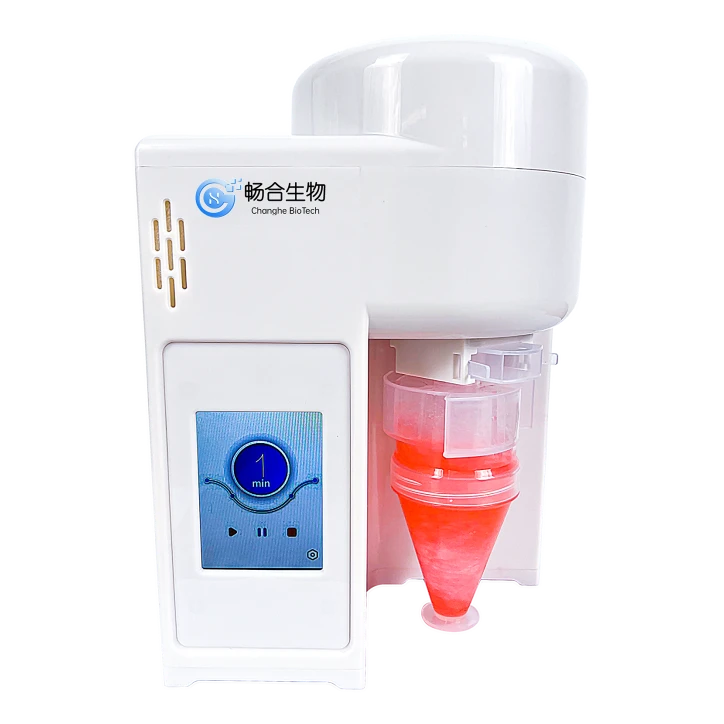
The CA-1-300 uses wet-cyclone operation and covers a wide range of venues: animal husbandry, pharmaceutical manufacturing, food production, laboratories, hospitals, exhibition halls, shopping malls, restaurants, offices, rail transit, classrooms, stadiums, and ambient outdoor air.
| Parameter | Specification |
|---|---|
| Model | CA-1-300 |
| Air Flow Rate | Low 150 L/min · High 300 L/min |
| Running Time | 1–15 min |
| Collected Particle Sizes | ≥ 0.8 μm |
| Collection Efficiency | D50 |
Design highlights: lightweight and battery-powered for portability; user-friendly interface for easier field operation; validated for qPCR and sequencing analysis; compatible with livestock, zoonotic, and human-related virus targets.
Best fit: buyers who need a portable unit for spot checks across multiple locations, or who require a device that can be redeployed by a single operator.
LCA-1-300 Continuous Bioaerosol Sampler — Long-Duration Autonomous Monitoring
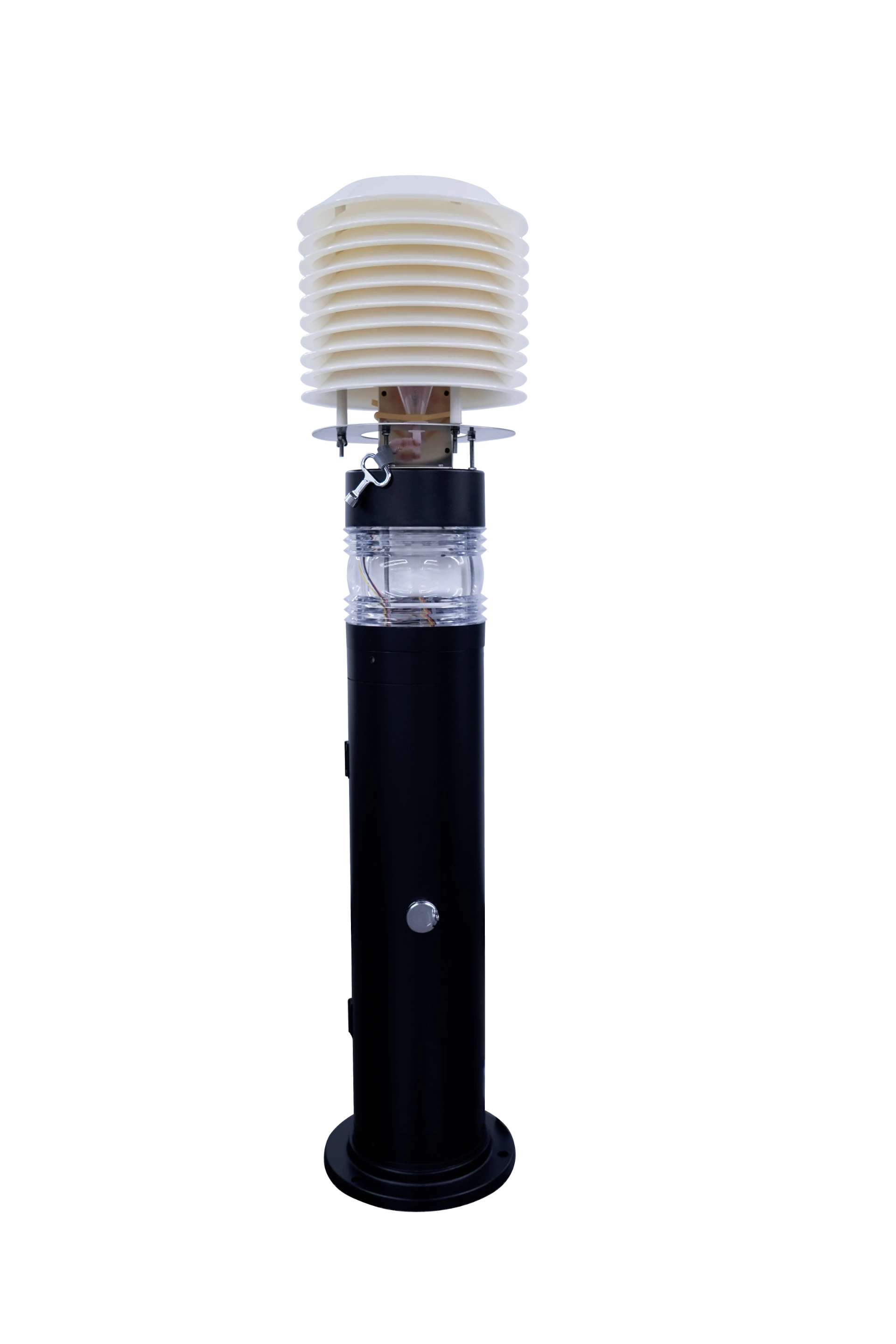
The LCA-1-300 extends the same wet-cyclone (impact method) platform to support up to 48 hours of continuous, unattended sampling. The sampler actively captures bioaerosol components in the surrounding air and concentrates them in a special aerosol sampling solution under high-speed airflow. Automatic solution replenishment eliminates the need for frequent manual replacement, making it suitable for deployments where operators cannot be present around the clock.
| Parameter | Specification |
|---|---|
| Model | LCA-1-300 |
| Sampling Technique | Wet-cyclone (Impact method) |
| Air Flow Rate | Low 150 L/min · High 300 L/min |
| Collected Particle Sizes | ≥ 0.8 μm |
| Collection Efficiency | D50 |
Design highlights: one-click start with fully automatic operation; continuous run up to 48 hours; automatic solution replenishment; field-rated for outdoor conditions (wind and rain tolerance stated by manufacturer); same application coverage as the CA-1-300.
Best fit: buyers managing animal facilities, hospitals, transport hubs, or any venue where continuous, low-intervention bioaerosol surveillance is required.
Side-by-Side Comparison
| Criterion | CA-1-300 | LCA-1-300 |
|---|---|---|
| Sampling mode | Spot (1–15 min per run) | Continuous (up to 48 h) |
| Automatic solution replenishment | Not specified | Yes |
| Portability / battery | Yes — lightweight, battery inside | Field-rated; deployment details on request |
| Operator interaction | UI-guided; operator sets run time | One-click start; runs autonomously |
| Downstream compatibility | qPCR, Sequencing | qPCR, Sequencing (liquid concentrate) |
| Particle cut-point | ≥ 0.8 μm | ≥ 0.8 μm |
| Flow rates | 150 / 300 L/min | 150 / 300 L/min |
How to Narrow Your Choice
- Define run duration. If monitoring periods exceed 15 minutes or must continue overnight, the LCA-1-300 is the only confirmed option; for audits and short compliance checks, the CA-1-300 is sufficient.
- Assess operator availability. Round-the-clock facilities with limited lab staff benefit from autonomous operation and automatic solution management.
- Check the deployment environment. Field or semi-outdoor sites, and facilities where the sampler may be exposed to adverse weather, require a unit explicitly designed for those conditions.
- Confirm your analysis workflow. Both models deliver a liquid concentrate compatible with qPCR and sequencing. If your lab uses culture-based or immunoassay methods, verify collection solution compatibility with the manufacturer.
- Validate particle size targets. The ≥ 0.8 μm lower bound covers most bacterial and fungal aerosols and respiratory virus-laden particles; review your pathogen target list against this cut-point.
What This Guide Does Not Cover
Pricing, lead times, export compliance, and certification status are not included because confirmed source materials do not currently contain that data. Contact SUZHOU CHANGHE BIOTECH CO., LTD directly for quotation details and applicable regulatory documentation for your target market.
THE PEOPLE

About the author
THE COMPANY
SUZHOU CHANGHE BIOTECH CO., LTD
Changhe Biotech is located in Shanghai, R&D and production area exceeds 2,000 square meters, including device production and R&D area, reagent production and R&D area, quality inspection area, etc. Deeply engaged in environmental biosafety, relying on its independently developed on-site rapid testing Mini PCR, Bioaerosol sampler, bioaerosol sampling and detection device, and Bioaerosol monitoring device, R&D livestock and pet nucleic acid detection reagents, focuses on on-site environmental pathogen monitoring and…
About Us ↗Visit company website ↗YOUR NEXT STEP
Bring your brief. Start a useful conversation.
Use case, specification, quantity and delivery window: make the next conversation specific.
-
Bioaerosol sampler questions: airflow, analysis, and monitoring timeNewsNov.02,2026
-
Bioaerosol Monitoring Device vs. Traditional Lab Sampling: Specifications, Performance and Supplier DocumentationNewsOct.29,2026
-
Benefits of a PCR Stool Test for Dogs for Better Canine HealthNewsJul.01,2026
-
Optimizing Diagnostics with Canine Respiratory PCR Panel IdexxNewsJun.29,2026
-
Rapid Diagnostics and Portable Molecular Testing with mini pcrNewsJun.27,2026