
Air Sampling Bacteria - Accurate, Fast Bio Samplers
A Field Insider’s Look at Air Sampling Bacteria Devices
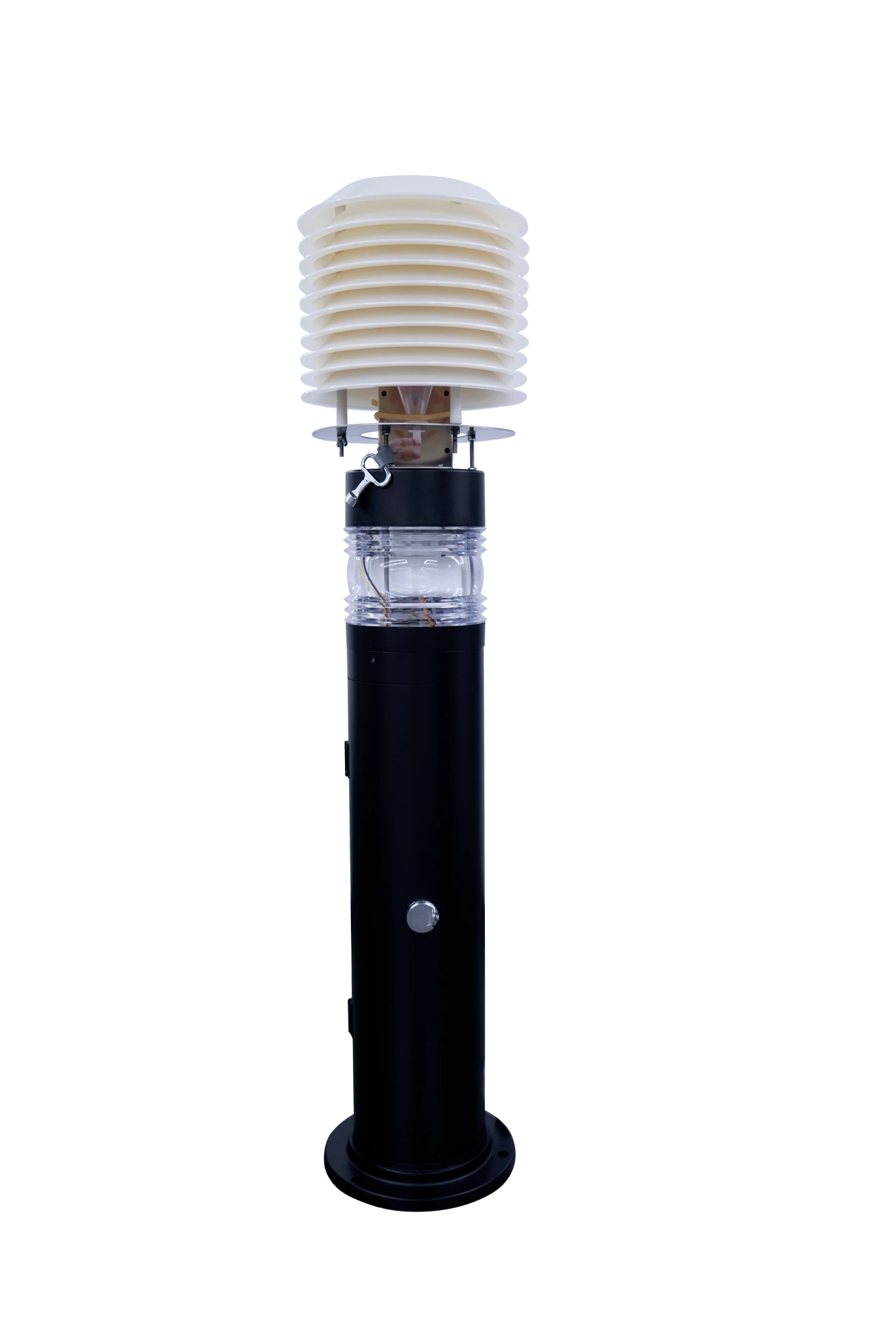
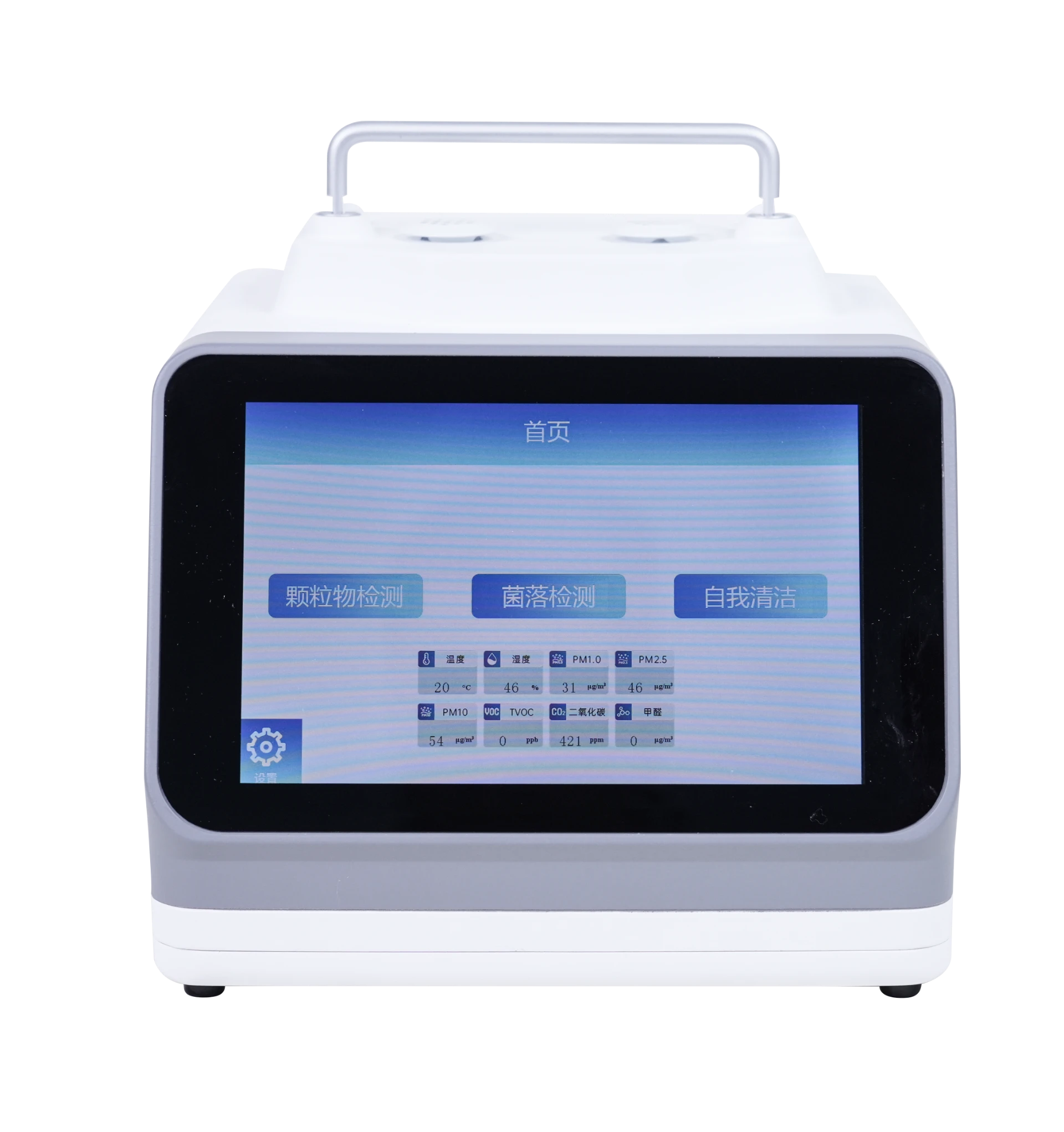
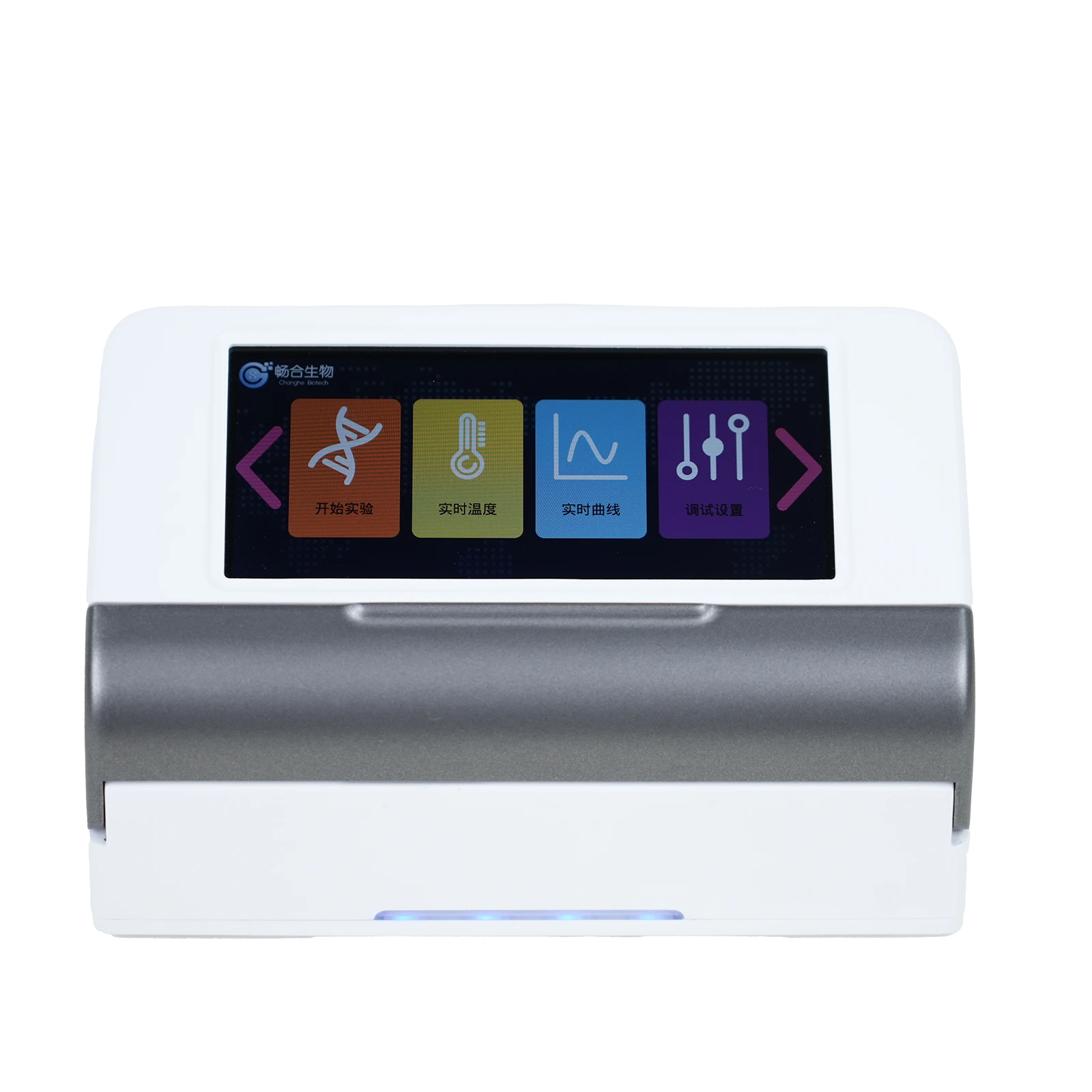
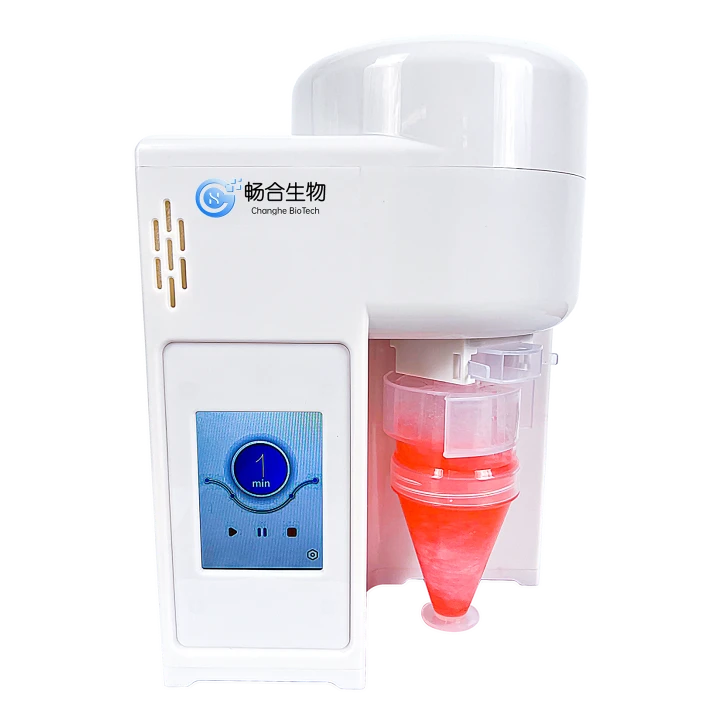
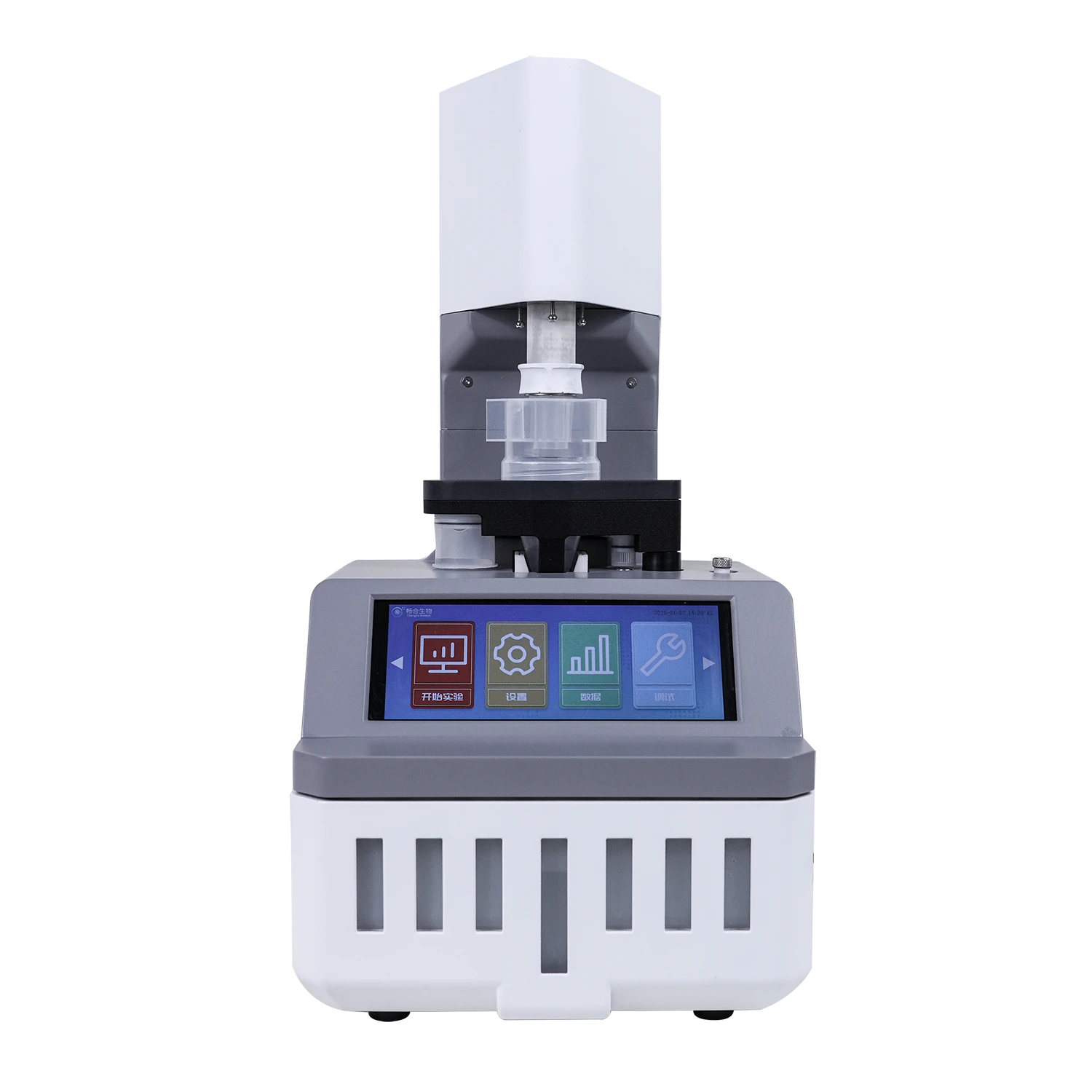
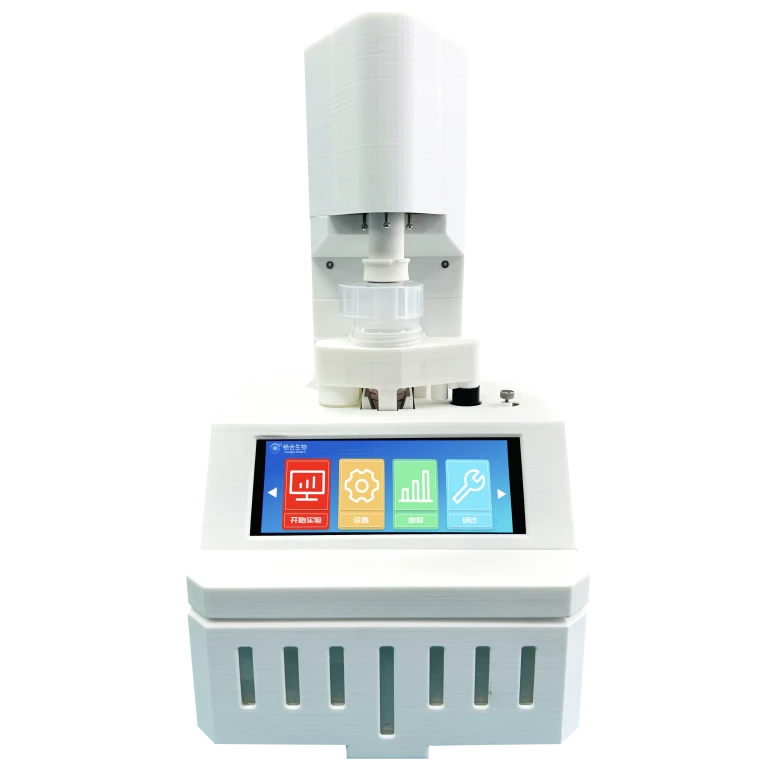
After years of walking factory floors and hospital corridors, I’ve learned that bioaerosols rarely announce themselves. They ride HVAC currents, hide behind routine, and—honestly—get noticed only when they cause a problem. That’s why devices built specifically for Air Sampling Bacteria have moved from “nice-to-have” to “operational safety net.” The ASTF-1 Bioaerosol Sampler & Detection Device is one of those systems I’ve watched gain traction fast, especially with labs that need near-real-time insight without babysitting the instrument all day.
What’s trending (and why it matters)
We’re seeing a convergence: high-flow wet-wall cyclone collection paired with onboard nucleic acid extraction and four-color PCR. In plain terms, collect more air, capture more targets, and confirm fast. Remote software control and open ports for multiple OS platforms are now expected. To be honest, labs hate vendor lock-in—open APIs win hearts.
ASTF-1: How it actually works
Materials and methods: a wet-wall cyclone pulls a large air volume, spins aerosols into a liquid buffer, then the system auto-extracts nucleic acids. A four-channel fluorescence PCR module quantifies signal—bacteria, and often other pathogens, too. There’s no consumable cross-infection (closed path), and remote operation is supported. Origin is clearly labeled: FLOOR 7, NO.1588 HUHANG ROAD, SHANGHAI, CHINA. From my walk-through, the workflow is much less fiddly than plate-based samplers.
Product specs (quick view)
| Parameter | ASTF-1 Bioaerosol Sampler & Detection Device (≈ real-world) |
|---|---|
| Collection method | Wet-wall cyclone, liquid capture |
| Flow rate | ≈ 200–300 L/min (application-dependent) |
| Onboard analysis | Automated nucleic-acid extraction + four-color PCR |
| Detection limit | ≈ 10² copies/m³ (matrix-dependent) |
| Turnaround | ≈ 60–90 min to result |
| Connectivity | Ethernet/Wi‑Fi; open port for various OS; remote control |
| Service life | Pump MTBF ≈10,000 h; cyclone body ≈5 years with routine maintenance |
| Certifications | Manufactured under ISO 9001; CE (EMC/LVD), RoHS (vendor docs) |
Process flow, testing standards, and service
Process: sample → concentrate → extract → PCR → quantify → report (LIMS-ready). Testing against ISO 14698 and EN 17141 biocontamination concepts is common; PCR methods align with CLSI molecular guidance. Service-wise, quarterly tubing checks and annual calibration keep recovery stable. Many customers say they like the “no manual swaps” aspect—less glovebox time, fewer errors.
Where it’s used (and what users report)
- Hospitals and isolation wards (trend monitoring, outbreak tracing)
- Pharma cleanrooms (ISO 5–8) and ATMP suites
- Food and beverage plants (Listeria risk mapping near drains)
- Transit hubs—airports, subways—high-traffic biosurveillance
Feedback is candid: “It caught spikes we would’ve missed between plates,” one QC manager told me. Another flagged power and network stability as real-world variables—fair point.
Vendor/method comparison (quick reality check)
| Device/Method | Mechanism | Flow | Onboard PCR | LOD (≈) | Cross-contam risk | Notes |
|---|---|---|---|---|---|---|
| ASTF-1 (wet-wall cyclone) | Liquid capture + auto extraction | High | Yes (4-color) | ~10² copies/m³ | Low (closed path) | Remote software; fast turnaround |
| Andersen impactor | Viable impaction to agar | Low–med | No | Organism-dependent | Medium (plate handling) | Culture-based, slower but classical |
| Gelatin filter cassette | Filtration to soluble matrix | Med | No | ~10³–10⁴ CFU/m³ | Medium | Good for downstream culture/PCR |
| Electrostatic sampler | Charged particle capture | Med–high | Varies | Varies | Low–med | Compact, needs careful validation |
Customization and integration
Common tweaks include assay panels (pathogen targets), buffer chemistry, and data interfaces (LIMS/SCADA). The open port helps—IT teams don’t love black boxes, and neither do I. For ongoing Air Sampling Bacteria programs, scheduled auto-runs and role-based dashboards make adoption smoother.
Case notes and test data
Hospital ICU pilot: continuous overnight sampling flagged a transient spike near a supply vent; source was traced to maintenance work—issue fixed within a shift. Food plant audit: line-side monitoring reduced corrective action time by ≈40% (vendor report). Internal testing showed >85% capture efficiency for 0.5–10 μm aerosols and stable Ct values across replicates; of course, real-world use may vary with humidity and particulate load.
Bottom line: if you’re scaling a modern Air Sampling Bacteria program, automated cyclone-plus-PCR platforms like ASTF-1 strike a practical balance—fast data, fewer touch points, and enough flexibility to fit your SOP instead of the other way around.
Authoritative citations
- ISO 14698-1:2003 — Cleanrooms and associated controlled environments — Biocontamination control.
- EN 17141:2020 — Cleanrooms and associated controlled environments — Biocontamination control.
- WHO Laboratory Biosafety Manual, 4th ed., 2020.
- CLSI MM06-A2 — Quantitative Molecular Methods for Infectious Diseases, 2015.
-
Understanding pcr testes transgênicos for Agricultural PurityNewsApr.16,2026
-
Understanding Febre do Cão PCR for Precision Veterinary DiagnosticsNewsApr.09,2026
-
Understanding Respiração PCR and Grupo Cat for Advanced Bioaerosol Sampling TechniquesNewsApr.07,2026
-
IDEXX Feline Respiratory PCR Panel A Comprehensive Guide for VeterinariansNewsApr.04,2026
-
Understanding Grupo de Gatos URD PCR and Bioaerosol Sampling for Air Quality ControlNewsMar.28,2026
-
Understanding the Feline Respiratory PCR Panel Grupo de PCR Respiratório do GatoNewsMar.26,2026