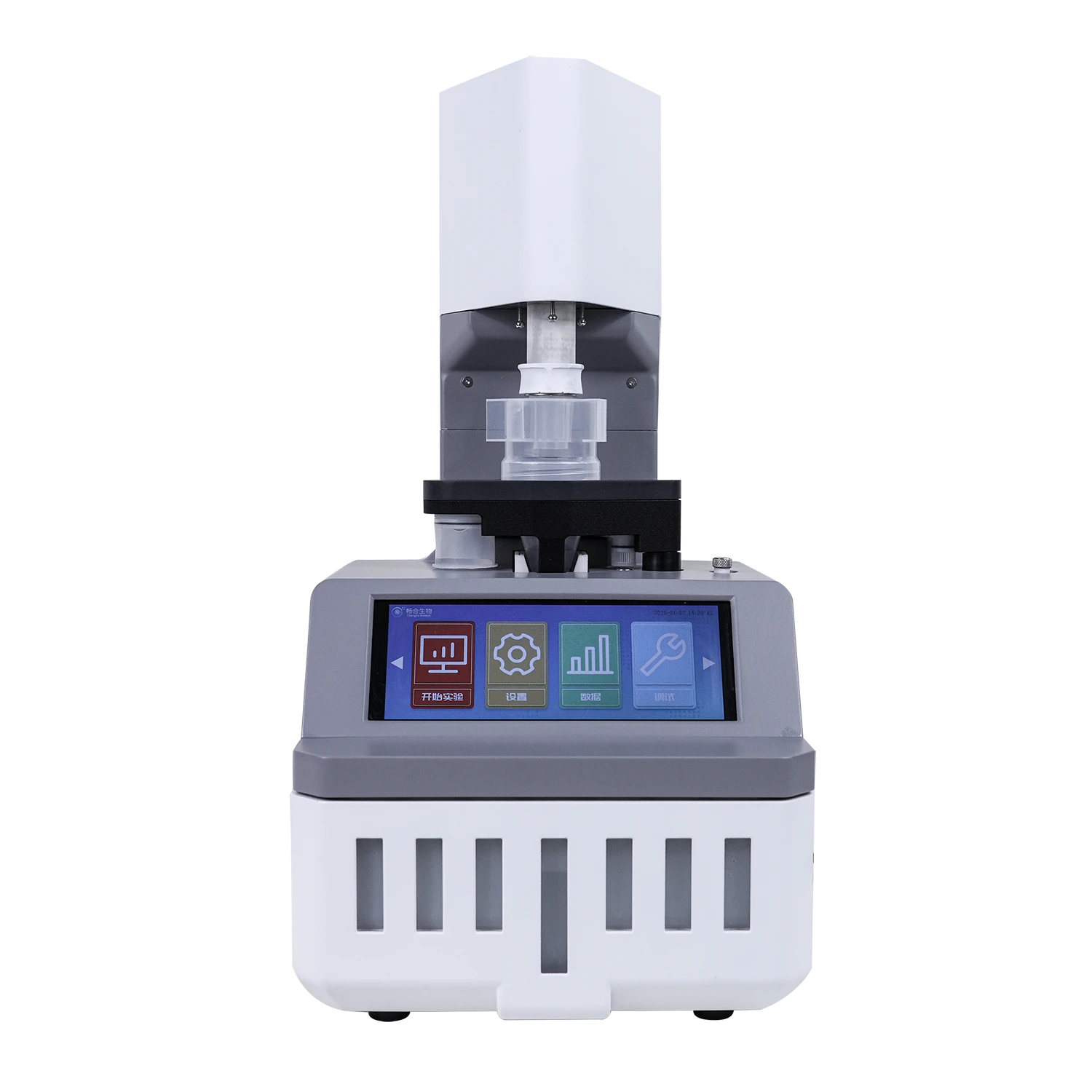

PCR Panel for Cats: Fast, Accurate, Vet-Validated Results
The Quiet Revolution Behind a Pcr Panel For Cats
If you’ve ever waited days for lab results on a sneezing, miserable kitten, you probably wondered why point‑of‑care molecular tests aren’t more common. That’s changing. What a Pcr Panel For Cats looks like in 2025 is smaller, faster, and—surprisingly—affordable for many clinics.
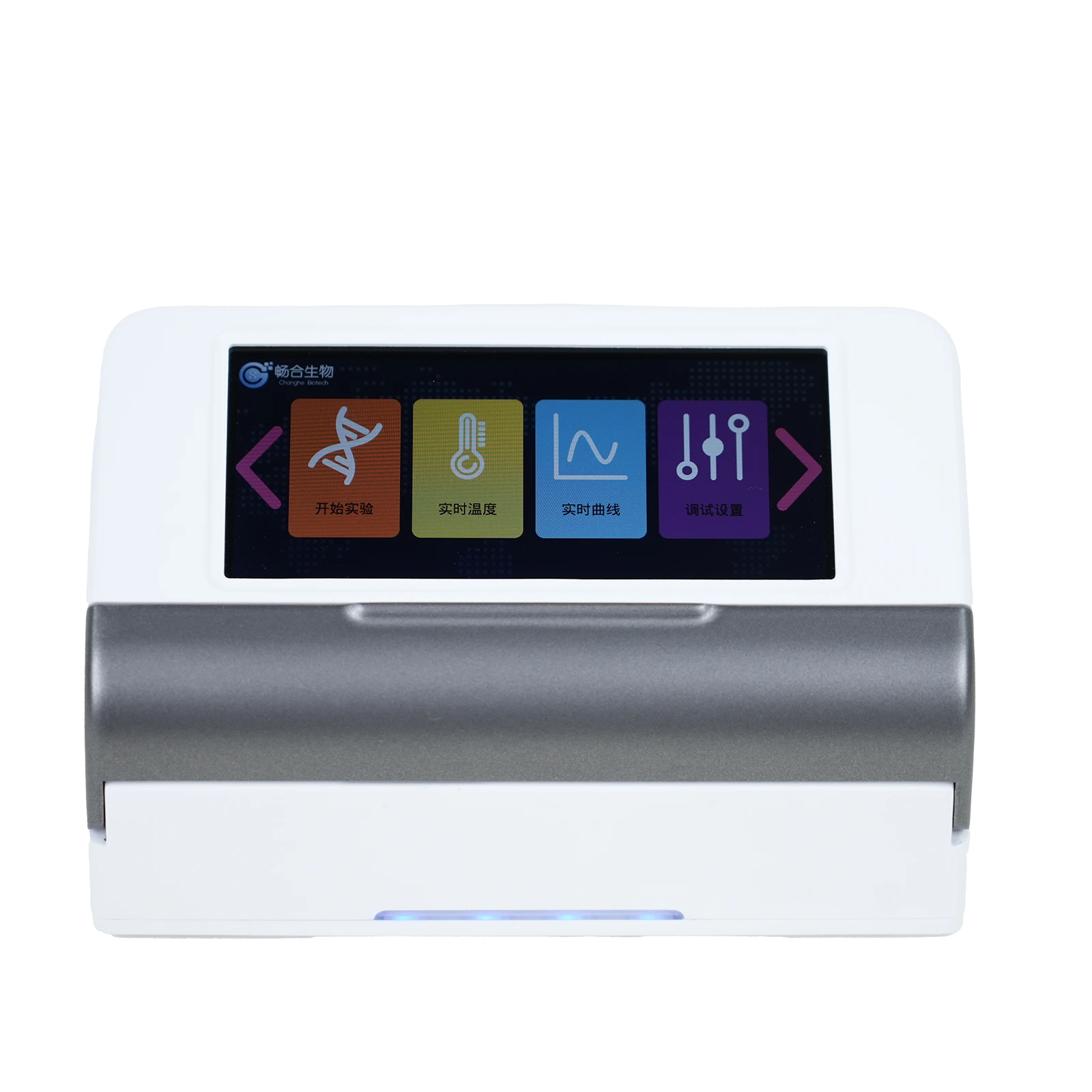
At the center of this shift is the HF-8T Mini PCR, a compact isothermal fluorescence platform built in Shanghai (FLOOR 7, NO.1588 HUHANG ROAD). It pairs a high‑precision miniaturized optical sensing module with tight temperature control and Bluetooth connectivity for real‑time analysis. In plain English: it lets you run LAMP or RPA panels for feline pathogens without a full molecular suite. To be honest, that’s a big deal for shelters and mobile vets.
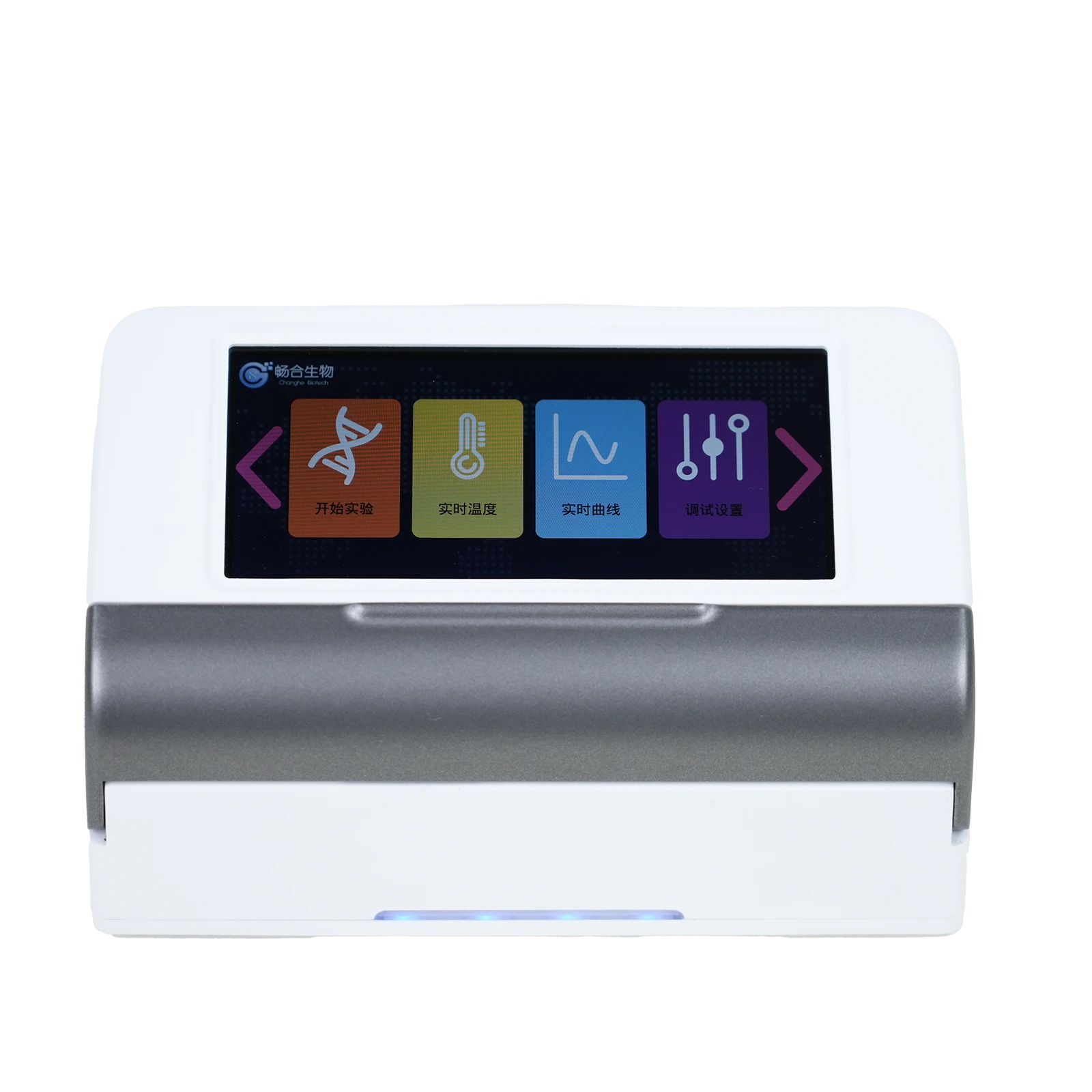
What goes into a feline PCR panel today
Typical targets include FHV-1, FCV, FCoV, FeLV, FIV, Chlamydia felis, Mycoplasma spp., Bordetella bronchiseptica, and—on the GI side—Tritrichomonas foetus, Giardia, and sometimes Toxoplasma. With the Mini PCR, assays are isothermal (LAMP or RPA, and CRISPR-enhanced options like LAMP‑CRISPR or RPA‑CRISPR). Set it, watch the fluorescence curves, and get a call in under an hour in many cases—real‑world use may vary, of course.
Where clinics actually use it
- Rapid triage of respiratory outbreaks in shelters or catteries.
- Pre-admission screening at specialty clinics (surgery wards hate surprises).
- Field medicine: breeders, foster networks, mobile vans.
- Confirmatory testing when antigen screens are ambiguous.
Process flow (practical, not theoretical)
- Materials: sterile swabs (or fecal sample), nucleic acid extraction kit (rapid prep works for LAMP), lyophilized or liquid reagents compatible with Pcr Panel For Cats assays.
- Methods: swab → quick lysis/extraction → add to LAMP/RPA mix → load tubes/strips → start isothermal run with fluorescence readout.
- QC/Standards: include positive/negative controls; follow MIQE/WOAH guidance for validation; document lot numbers and Ct/threshold times.
- Testing standards: align to MIQE reporting; reference WOAH manual chapters for pathogen specificity; verify matrix effects per CLSI molecular guidance.
- Service life: devices like this typically see multi‑year duty cycles; plan annual performance checks and periodic optical verification.
- Industries: veterinary hospitals, academic teaching labs, animal shelters, contract testing labs for breeders.
Product specifications (HF-8T Mini PCR)
| Detection | Isothermal fluorescent nucleic acid amplification (real-time) |
| Compatible chemistries | LAMP, RPA, LAMP‑CRISPR, RPA‑CRISPR, LAMP‑PfAgo; liquid or lyophilized reagents |
| Optics | Miniaturized optical sensing module (high precision) |
| Thermal control | Accurate temperature control for constant‑temperature assays |
| Connectivity | Bluetooth module for real‑time run monitoring and analysis |
| Use case | Point‑of‑care Pcr Panel For Cats, research, training |
| Certifications | Factory quality systems available on request (e.g., ISO). Regulatory status may vary by market. |
Vendor landscape (quick comparison)
| Vendor/Model | Assay Type | Fluorescence | Connectivity | Notes |
|---|---|---|---|---|
| HF-8T Mini PCR (Shanghai) | Isothermal (LAMP/RPA) | Real‑time | Bluetooth | Compact; lyophilized‑reagent friendly |
| Portable PCR “X” | qPCR | Multiplex (varies) | USB/App | Higher complexity; broader quant |
| VetLab Box “Q” | Isothermal cartridge | Yes (closed) | Proprietary | All‑in‑one; higher consumable costs |
Customization and deployment
Labs often request custom multiplex LAMP for FHV‑1/FCV/Mycoplasma or a GI trio (T. foetus/Giardia/FPV). The platform is reagent‑agnostic, so you can source validated kits or co‑develop protocols. Many customers say onboarding takes a day—mostly SOP writing and QC templates.
Mini case study + feedback
A mid‑size shelter ran a respiratory Pcr Panel For Cats on intake during a suspected outbreak: 41 swabs over two afternoons, LAMP assays with internal control. Time‑to‑answer was ≈35–45 minutes, which let them cohort positives the same day. Staff noted “less ambiguity than antigen tests,” and the medical director (cautious by nature) liked the run logs for audit.
Performance notes and standards
- Analytical sensitivity and specificity depend on assay design and extraction quality; follow MIQE for reporting and verification.
- Use external controls and periodic proficiency checks; align with WOAH/CLSI guidance where applicable.
- Regulatory status: research or veterinary use varies by country; confirm local requirements before clinical deployment.
Citations
- Bustin SA et al. The MIQE Guidelines: Minimum Information for Publication of Quantitative Real‑Time PCR Experiments. Clin Chem. 2009.
- Notomi T et al. Loop‑mediated isothermal amplification of DNA. Nucleic Acids Res. 2000.
- WOAH (OIE). Manual of Diagnostic Tests and Vaccines for Terrestrial Animals – relevant feline infectious disease chapters.
- CLSI. Molecular Diagnostic Methods for Infectious Diseases; Approved Guideline (e.g., CLSI MM03/MM19).
-
Uniplex PCR Equipment for Industrial Biosafety & MonitoringNewsDec.08,2025
-
TB PCR Kit: A Veteran’s Take on Leading Diagnostic ToolsNewsDec.08,2025
-
Stem Loop Rt Pcr – Advanced Molecular Detection Solutions for Industry | Bio Aerosol SamplerNewsDec.08,2025
-
Reliable RT PCR RNA Virus Testing & Bioaerosol Sampling EquipmentNewsDec.07,2025
-
Rt Pcr Monkeypox: Advanced Viral Detection Solutions for B2B IndustriesNewsDec.07,2025
-
RT PCR Kit for Monkeypox Detection – Reliable Diagnostics ToolNewsDec.07,2025