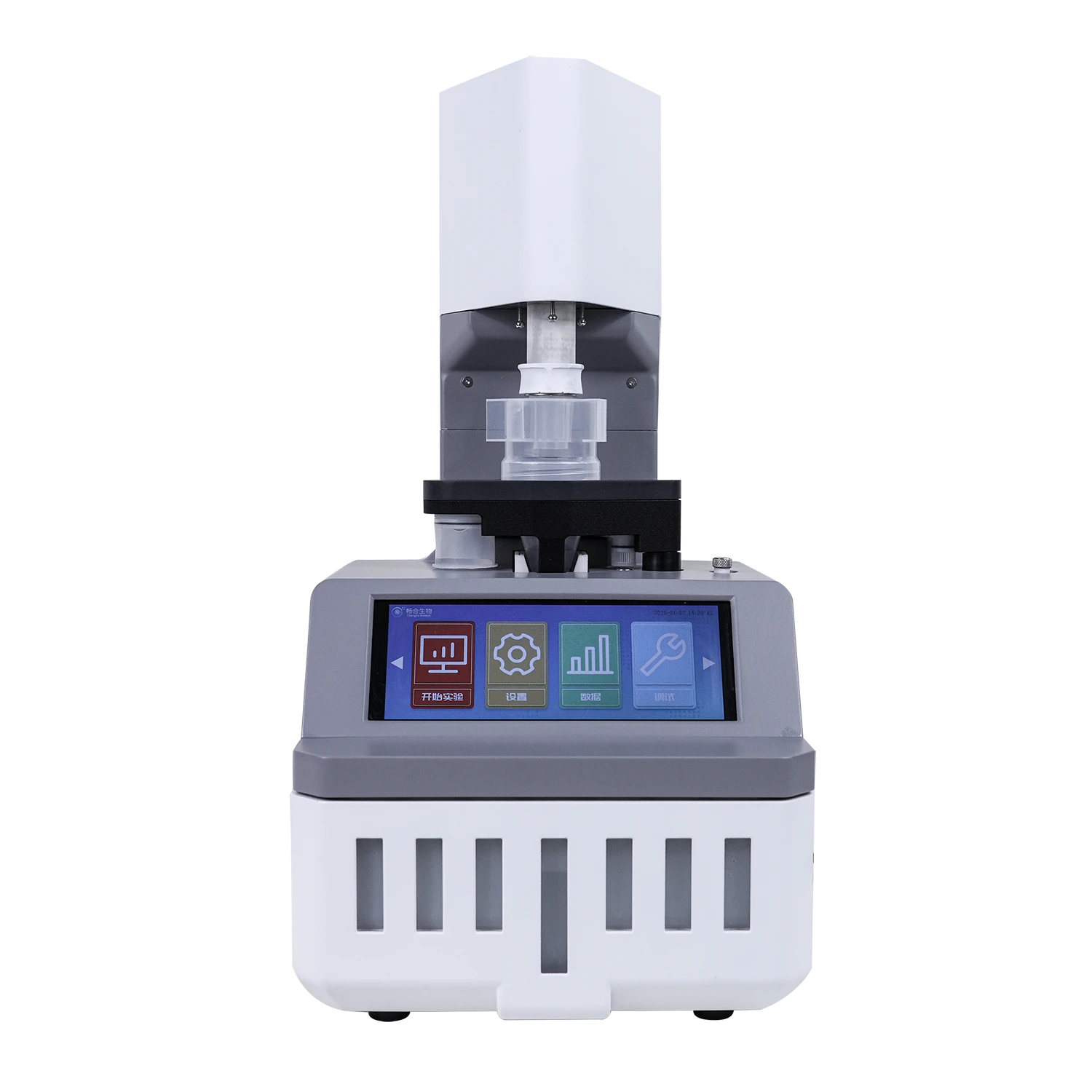

Bioaerosol Sampler – High Efficiency, Portable, Accurate
Why the Bioaerosol Sampler matters right now
Indoor air has a storyline of its own these days—hospital infections, factory hygiene, even airport lounges after a long-haul wave of passengers. To be honest, the market surged post-2020 and then matured; buyers now ask tougher questions about recovery rates, viability, and downstream PCR compatibility. That’s where a wet-cyclone approach quietly wins.
Product snapshot and origin
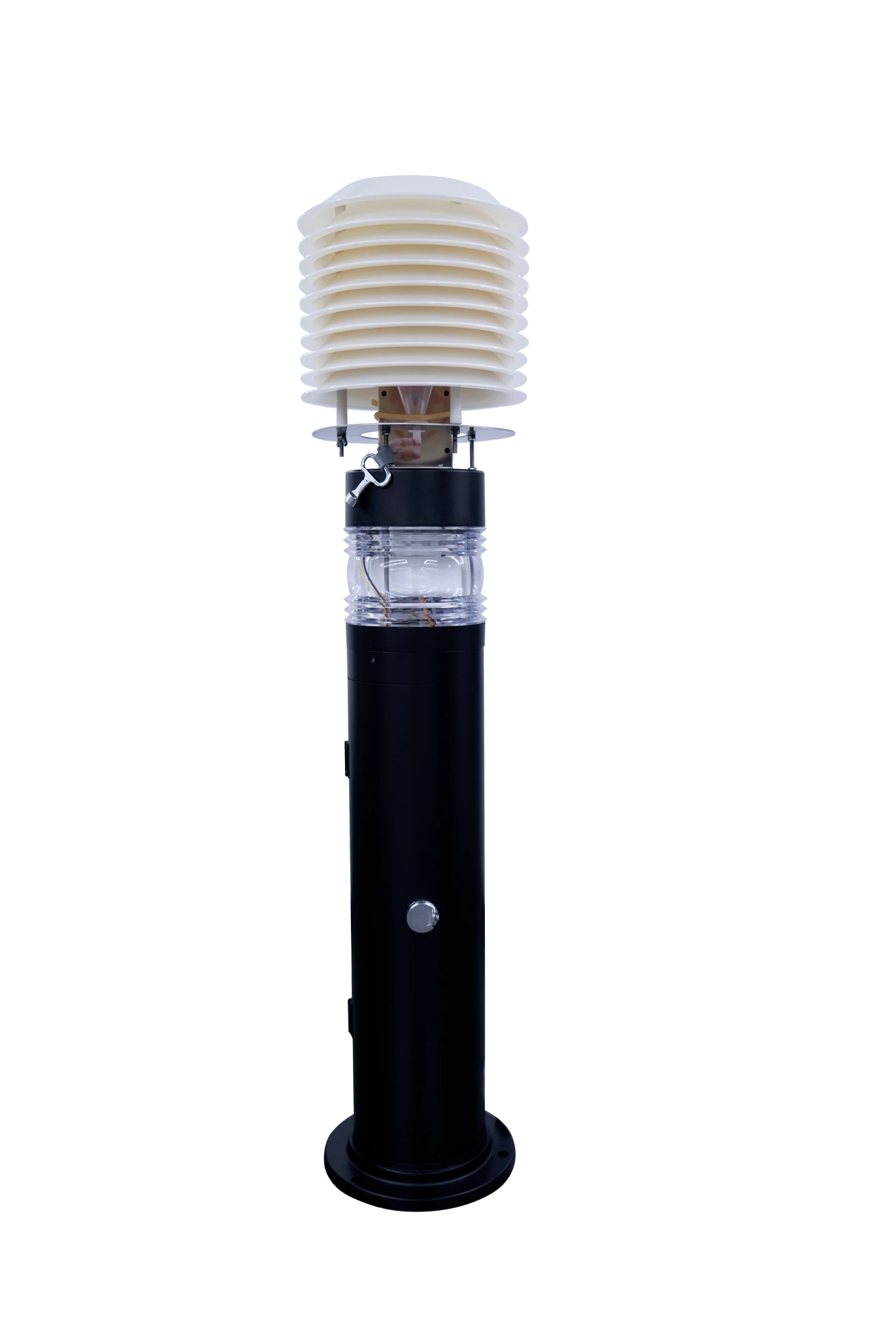
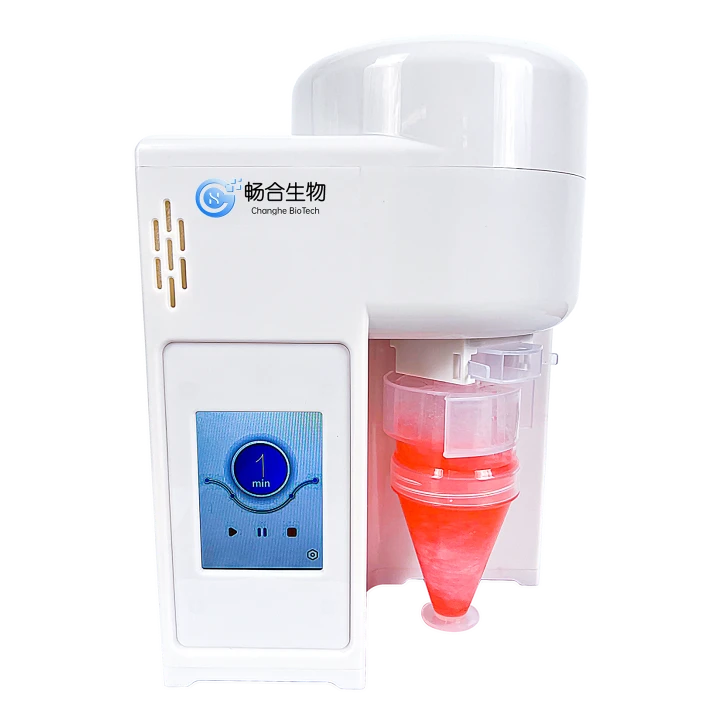
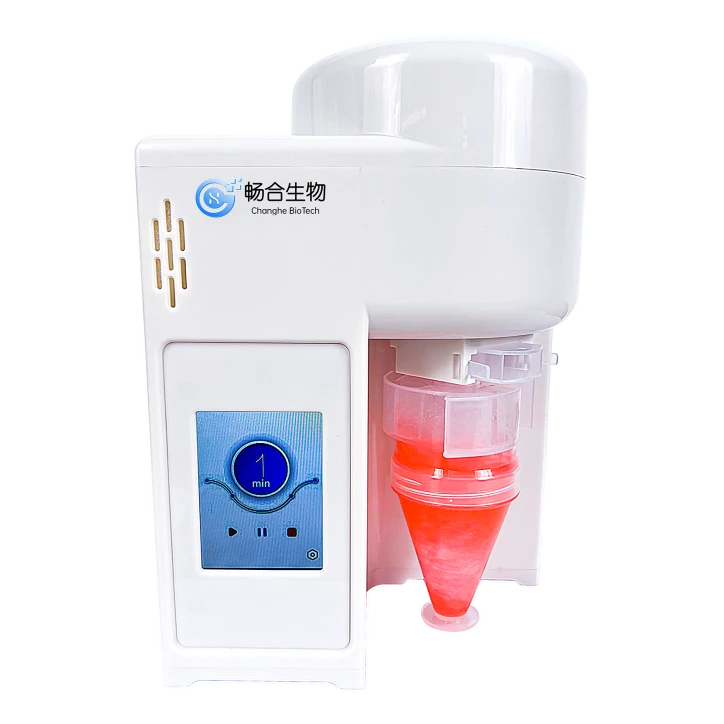
The CA-1-300, a Bioaerosol Sampler built in FLOOR 7, NO.1588 HUHANG ROAD, SHANGHAI, CHINA, uses a wet-cyclone mechanism to pull airborne microorganisms into liquid media—culture-ready, PCR-friendly. It slots into cleanrooms, hospitals, food plants, and field studies without a fuss. Many customers say the ease of moving from capture to assay is the real time-saver.
Industry trends I’m seeing
- Move from impactors/filters to wet-cyclone for viability and higher recovery in the 1–10 µm band.
- Shift to hybrid workflows: culture + qPCR + metagenomics.
- Regulated spaces adopting cleanroom biocontamination norms (EN 17141, ISO 14698) beyond pharma, e.g., advanced food and semiconductor.
How it works (materials, methods, flow)
Air is accelerated into a liquid vortex; particles (≈0.5–20 µm) are centrifuged into sterile buffer (PBS or viral transport medium). Materials are typically 316L stainless for the cyclone, medical-grade polymers for wetted parts, and a sealed Li-ion pack. The captured sample goes straight to culture plates, qPCR, or next-gen sequencing. In fact, test houses often validate against EN 17141 microbiological environmental monitoring and ISO 14698 biocontamination control.
| Model | CA-1-300 Bioaerosol Sampler |
| Collection principle | Wet-cyclone, liquid impingement |
| Nominal flow | ≈300 L/min (closed-loop controlled) |
| d50 cut-point | Around 1–2 µm (lab verified) |
| Collection medium | 5–15 mL PBS/VTM; sterile, low-DNase/RNase |
| Power / runtime | Rechargeable Li-ion; ≈4–6 h field use |
| Noise | ≈55–60 dB(A) |
| Operating range | 5–40 °C; |
| Service life | Core assembly ≈3–5 years; battery ≈500 cycles |
Internal test data (n=3) indicated ≥70% collection efficiency for 1–10 µm fluorescent beads and preserved culturability for Staphylococcus aureus and environmental molds, using PBS at 10 mL and 20-minute runs. Your mileage will vary with humidity and load.
Where teams deploy it
- Hospitals and ICUs (HAI surveillance), compounding pharmacies (USP / contexts).
- Pharma and semiconductor cleanrooms (per EN 17141, ISO 14698 frameworks).
- Food and beverage plants; cold rooms; packaging lines.
- Wastewater facilities, livestock barns, and construction sites (mold spores).
- Airports, aircraft cabins, and HVAC commissioning studies.
Advantages (why wet-cyclone is having a moment)
High viability, direct-to-PCR liquid, fewer consumables than filters, and faster turnaround. One facilities manager told me, “We cut our investigation time in half because we stopped fighting filter extractions.”
Vendor landscape (quick look)
| Vendor / Type | Strengths | Trade-offs |
|---|---|---|
| CA-1-300 Bioaerosol Sampler (wet-cyclone) | Good viability; liquid output for culture/qPCR; portable | Needs sterile media; periodic wet-part maintenance |
| Impactor plate (legacy) | Direct CFU counts on agar; simple | Desiccation stress; limited to culturable fraction |
| Filter cassette | Low cost; long sampling times | Elution losses; viability often reduced |
Customization and compliance
Options typically include nozzle geometry tweaks, firmware data logging, BLE/Wi‑Fi, barcode sample IDs, and language packs. Documentation packs can include CE/RoHS declarations and validation templates mapped to EN 17141 and ISO 14698; request current certificates before purchase.
Two quick case notes
- Pharma cleanroom: The team aligned weekly routes with ISO 14698 zoning; a Bioaerosol Sampler liquid output fed both settle plates and qPCR, catching a sporadic Bacillus event that plates alone had missed.
- Wastewater headworks: Operators alternated morning/evening runs; reported clearer seasonal trends in fungal spores and coliform markers, improving PPE guidance.
Testing standards touchpoints: EN 17141 for cleanrooms; ISO 14698 for biocontamination control; NIOSH/NMAM guidance for bioaerosol sampling best practices; ASHRAE 170 for ventilation context. Sensible to align SOPs accordingly.
References
- EN 17141:2020 Cleanrooms and associated controlled environments — Biocontamination control.
- ISO 14698-1/-2: Biocontamination control in cleanrooms and associated controlled environments.
- NIOSH Manual of Analytical Methods (NMAM), Bioaerosol sampling overview, CDC/NIOSH.
- ASHRAE 170: Ventilation of Health Care Facilities, ASHRAE.
-
Uniplex PCR Equipment for Industrial Biosafety & MonitoringNewsDec.08,2025
-
TB PCR Kit: A Veteran’s Take on Leading Diagnostic ToolsNewsDec.08,2025
-
Stem Loop Rt Pcr – Advanced Molecular Detection Solutions for Industry | Bio Aerosol SamplerNewsDec.08,2025
-
Reliable RT PCR RNA Virus Testing & Bioaerosol Sampling EquipmentNewsDec.07,2025
-
Rt Pcr Monkeypox: Advanced Viral Detection Solutions for B2B IndustriesNewsDec.07,2025
-
RT PCR Kit for Monkeypox Detection – Reliable Diagnostics ToolNewsDec.07,2025