
Air Sample Mold Test - DIY Kit & Certified Lab Results
Real-world notes from the field: making sense of airborne mold testing
When facility teams ask me about an Air Sample Mold Test, I usually start by asking what they actually need: instant risk signal for occupants, or a defensible lab report for compliance. The answer decides the toolkit. Lately, real-time bioaerosol instruments have gone from “nice to have” to “I want live data on my phone by lunchtime,” and honestly, I get it.
What this device does, in plain English
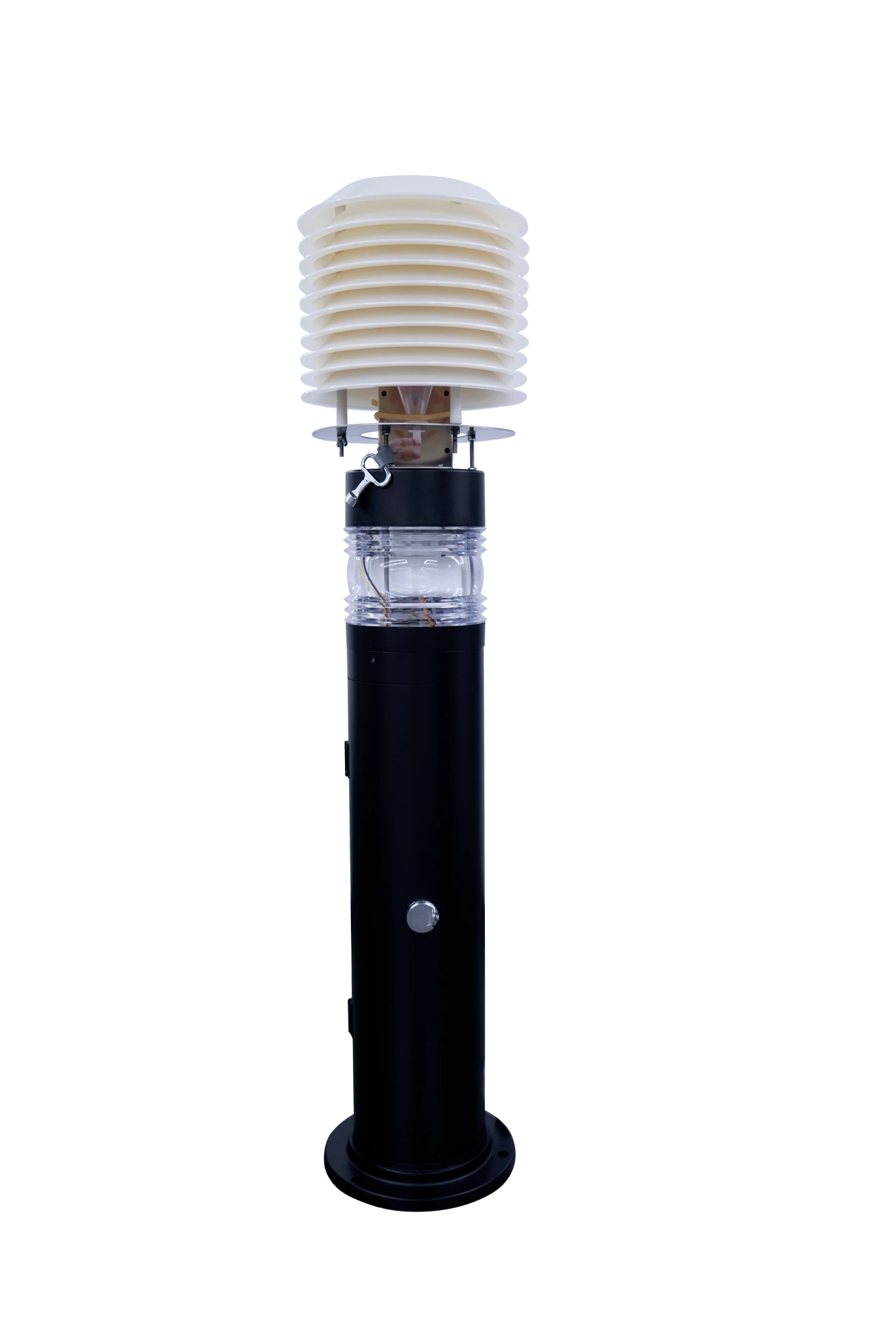
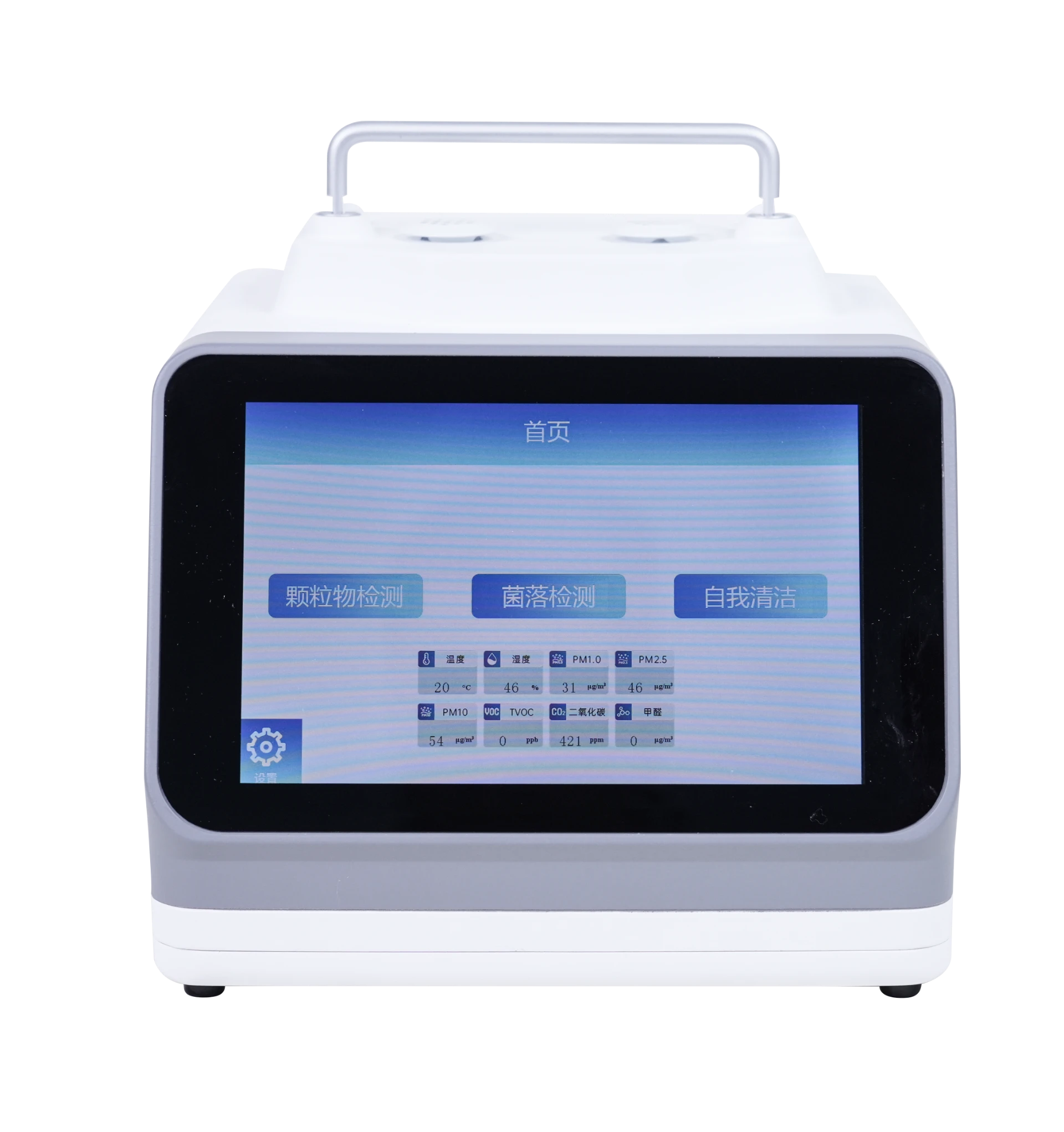
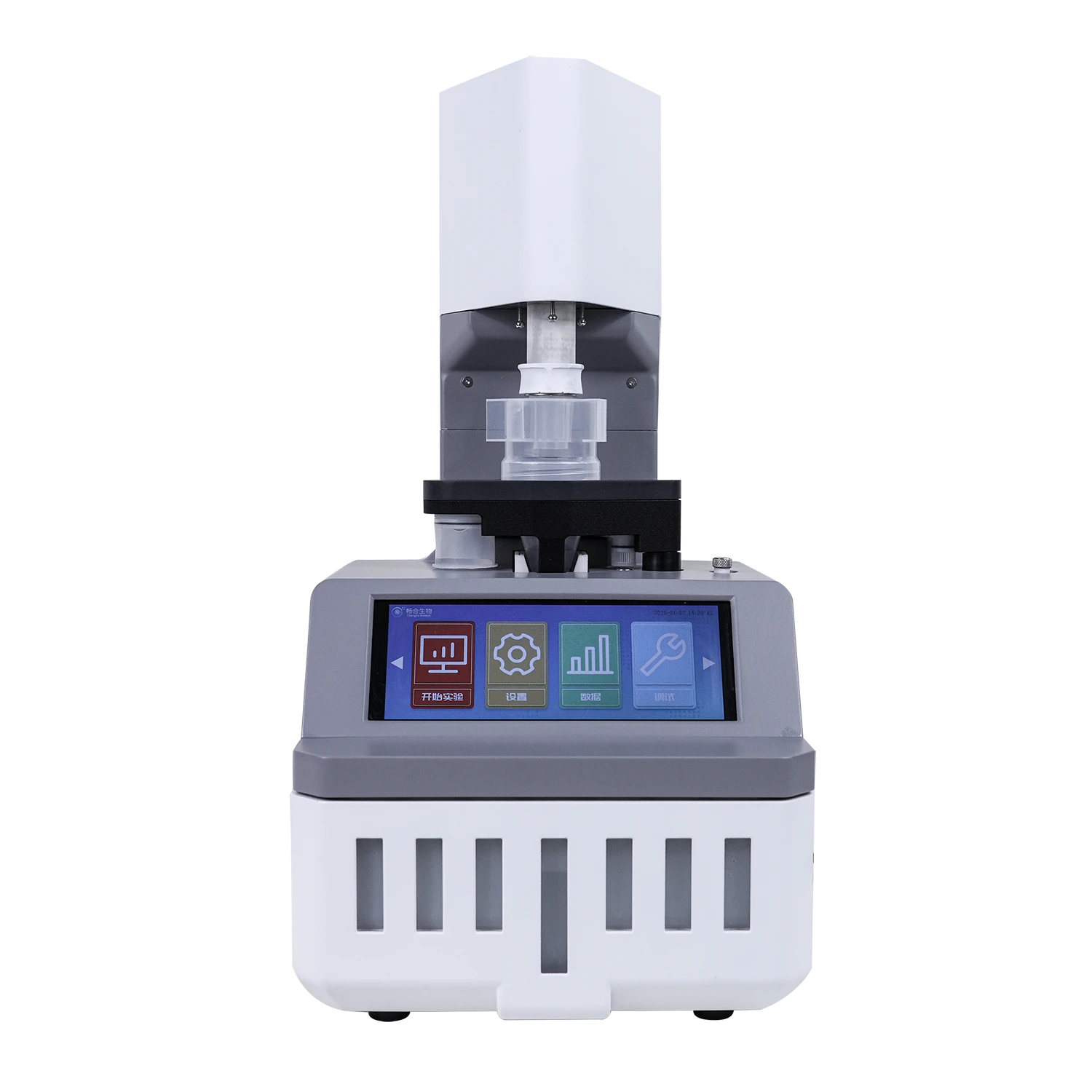
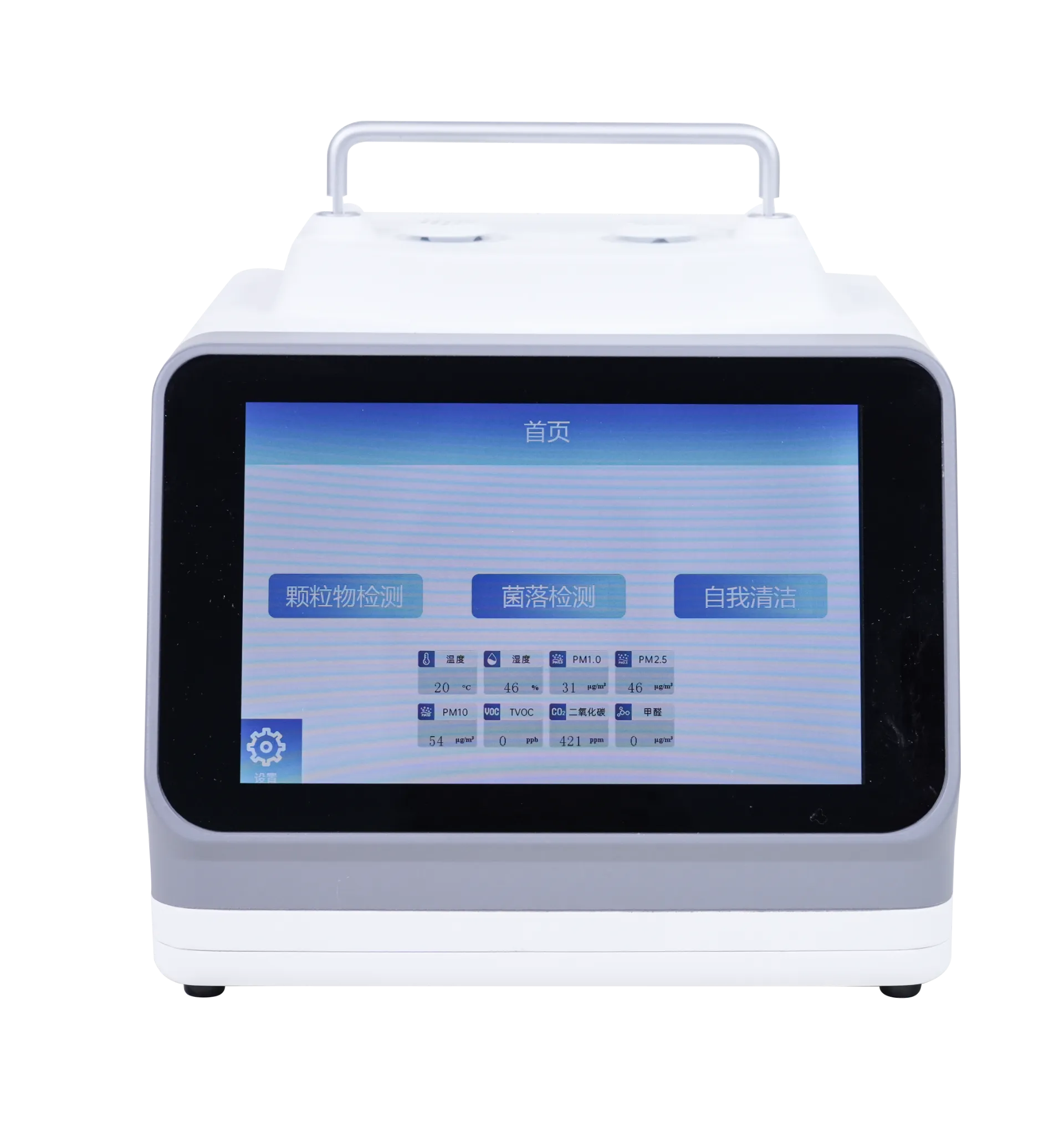
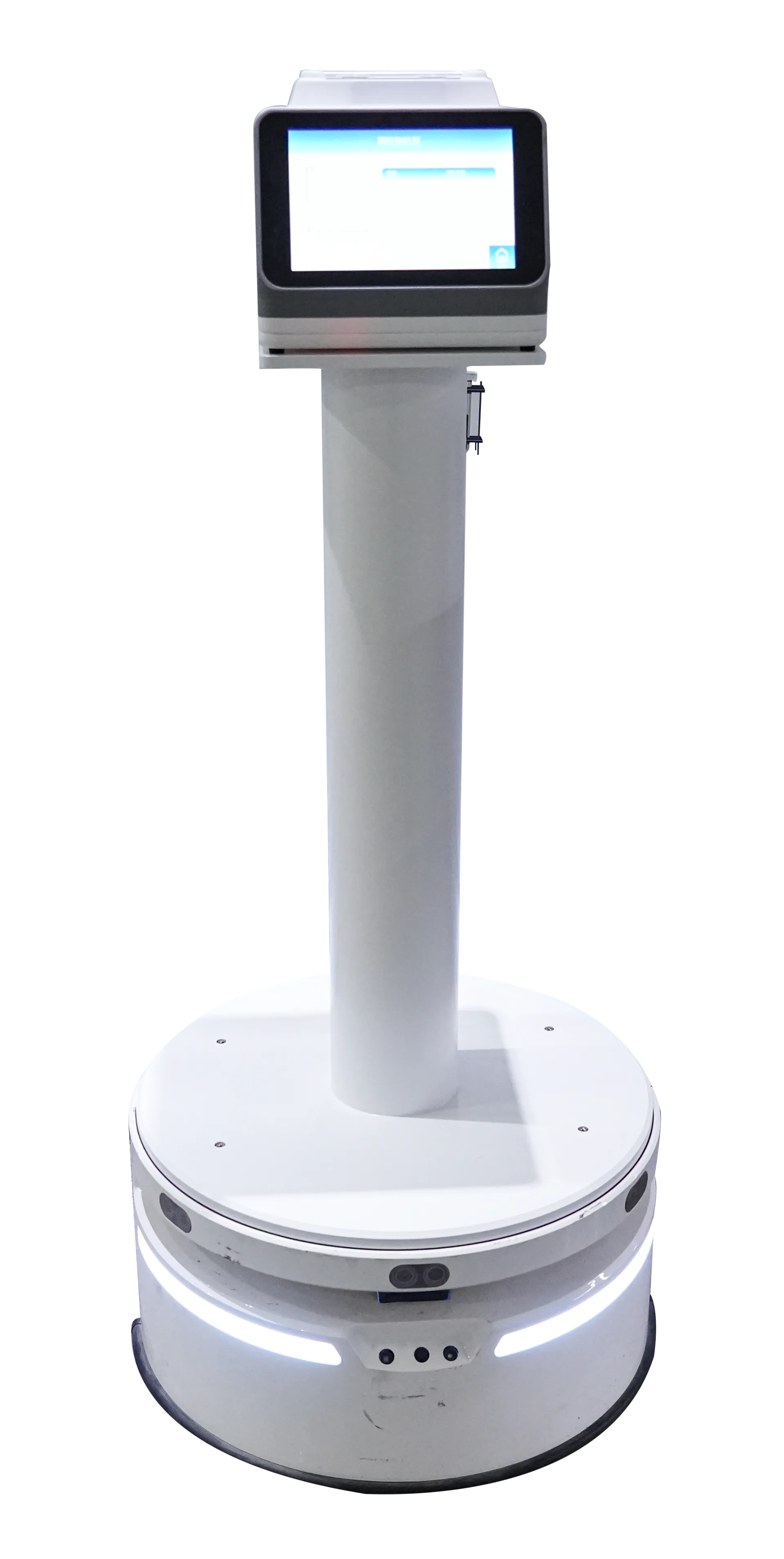
The Bioaerosol Monitoring Device (model AST-1-2) is built for real-time, single-particle characterization of bacteria, molds, and pollen. It uses laser-induced fluorescence to infer biological content, and pairs that with particle size and a relative shape signal to help classify likely pollen vs. bacteria vs. fungi. Origin: FLOOR 7, NO.1588 HUHANG ROAD, SHANGHAI, CHINA. In practice, that means you can spot spikes as people enter a room, custodial crews agitate dust, or HVAC cycles switch. Surprisingly actionable.
Where it fits in the testing stack
Use the device for screening, continuous monitoring, and event detection. Pair with spore trap microscopy or qPCR when you need species-level identification for reports under ASTM or AIHA guidance. Many customers say they like the “fast + forensic” combo: see the spike now, prove the species later.
Technical specifications (practical view)
| Parameter | AST-1-2 (≈ real-world) |
|---|---|
| Sensing principle | Laser-induced fluorescence + optical sizing |
| Particle size range | ≈0.5–20 µm (application-dependent) |
| Fluorescence channels | Multi-band (for bio/non-bio discrimination) |
| Data outputs | Counts by size bin, relative shape, fluorescence intensity |
| Flow rate | ≈1–2 L/min (typical for single-particle instruments) |
| Connectivity | Local logging + optional network export |
| Maintenance | Optics cleaning; annual calibration recommended |
| Service life | Core laser/optics ≈10,000 h; real-world use may vary |
Vendor/method comparison (quick take)
| Option | Time to results | Granularity | Best use |
|---|---|---|---|
| AST-1-2 Bioaerosol Monitoring Device | Real-time | Single-particle, size + fluorescence | Continuous screening, incident detection |
| Spore trap + microscopy (lab) | 24–72 h | Morphology-based ID and counts | Compliance reporting, species context |
| qPCR cartridge (lab) | 24–72 h | DNA targets (selected taxa) | Source confirmation, forensic follow-up |
Process flow: from plan to decision
- Define goal (screening vs. documentation). Standards to reference: EPA/AIHA guidance; EN 13098 for workplaces; ASTM D7338 for fungal assessments.
- Materials: AST-1-2 device, tripod, power, optional spore trap cassettes (for lab), field forms, calibration record.
- Methods: - Place sampler at breathing zone (≈1.2–1.5 m). - Log baseline 15–30 min. - Walk-through to provoke events (HVAC on/off, door cycles). - If spikes, pull confirmatory spore traps for lab.
- Testing standards: Use ASTM D7338 framework for site assessment; tie ventilation context to ASHRAE 62.1; workplace exposure programs can reference EN 13098.
- Interpretation: Look for elevations against outdoor control and time-of-day patterns; fluorescence-weighted particles in 2–8 µm often correlate with fungal spores (context matters).
- Service life & upkeep: Keep optics clean monthly; annual calibration; log firmware updates.
- Industries: Healthcare isolation rooms, universities, museums/archives, food plants, property management, restoration/remediation.
Field notes and mini case study
A university library saw steady fluorescence-tagged counts ≈250 AFU/L (afternoon). During carpet extraction, counts spiked to ≈1,200 AFU/L within 8 minutes; ventilation boost (to design ACH) dropped it below 300 in ~20 minutes. Follow-up spore traps confirmed elevated Cladosporium-like spores indoors vs. outdoor control. Not dramatic, but instructive—and fast. Many customers say this “see it now” visibility changes how they schedule cleaning.
Customization, compliance, and what to ask the vendor
- API/data export to BMS or dashboards; alarm thresholds by size/fluorescence.
- Mobile alerts for event-driven response (doors, housekeeping, humidity excursions).
- Calibration certificate and traceability; ask about CE/RoHS documentation as applicable.
- Accessory kits for outdoor reference sampling and rugged cases.
Trends I’m watching
Real-time bioaerosol data is moving into IAQ scorecards; remediation firms use it to validate drying day-by-day; and insurers (quietly) like defensible timelines. To be honest, this is where a Air Sample Mold Test stops being a once-a-year ritual and becomes an operational metric.
Note: A Air Sample Mold Test with fluorescence is a screening tool; for species-level ID and legal defensibility, pair with microscopy or qPCR per AIHA/EPA guidance.
References
- EPA. Mold Remediation in Schools and Commercial Buildings. EPA 402-K-01-001.
- WHO. Guidelines for Indoor Air Quality: Dampness and Mould. 2009.
- EN 13098: Workplace exposure — Measurement of airborne microorganisms and endotoxin.
- AIHA. Field Guide for the Determination of Biological Contaminants in Environmental Samples, 3rd ed.
- ASHRAE Standard 62.1-2022: Ventilation for Acceptable Indoor Air Quality.
-
Uniplex PCR Equipment for Industrial Biosafety & MonitoringNewsDec.08,2025
-
TB PCR Kit: A Veteran’s Take on Leading Diagnostic ToolsNewsDec.08,2025
-
Stem Loop Rt Pcr – Advanced Molecular Detection Solutions for Industry | Bio Aerosol SamplerNewsDec.08,2025
-
Reliable RT PCR RNA Virus Testing & Bioaerosol Sampling EquipmentNewsDec.07,2025
-
Rt Pcr Monkeypox: Advanced Viral Detection Solutions for B2B IndustriesNewsDec.07,2025
-
RT PCR Kit for Monkeypox Detection – Reliable Diagnostics ToolNewsDec.07,2025