
Air Sampling Bacteria Solutions | Accurate, Portable, ISO
Field Notes from the Bioaerosol Front: What’s Changing in 2025
If you work in environmental monitoring or infection control, you’ve probably noticed how fast air microbiology is evolving. The conversation around Air Sampling Bacteria has moved from petri dishes to real-time molecular dashboards—almost overnight, it feels.
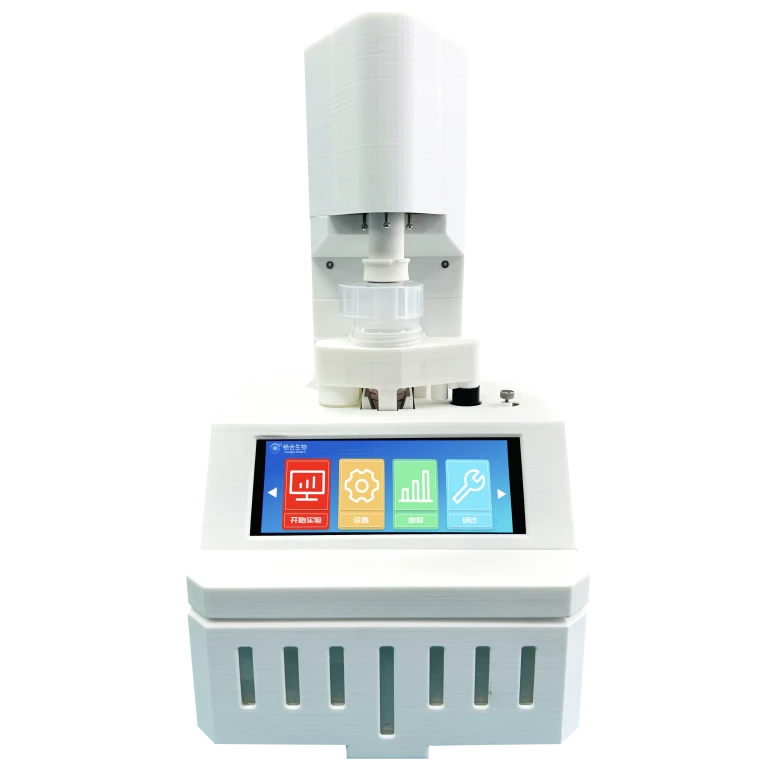
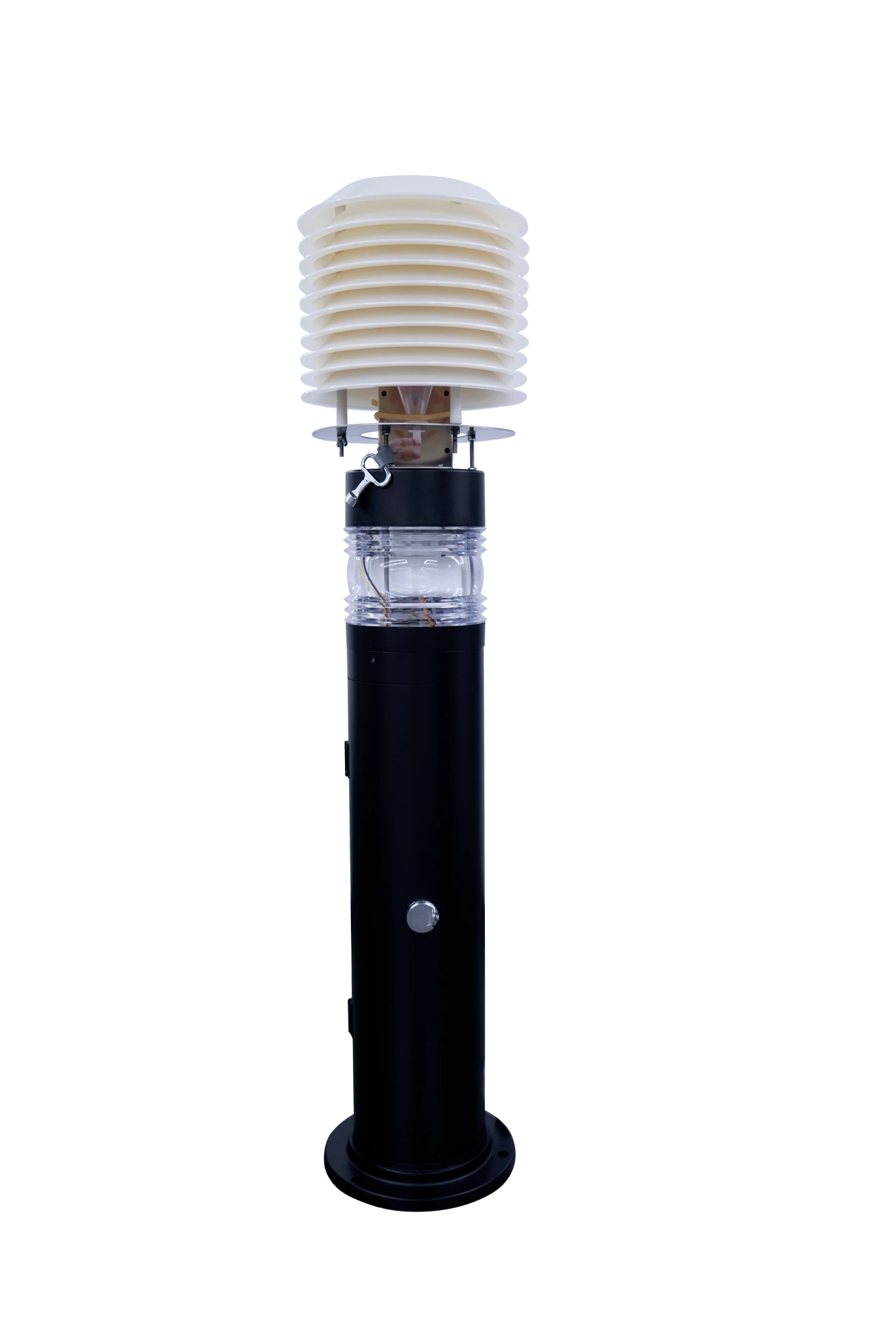
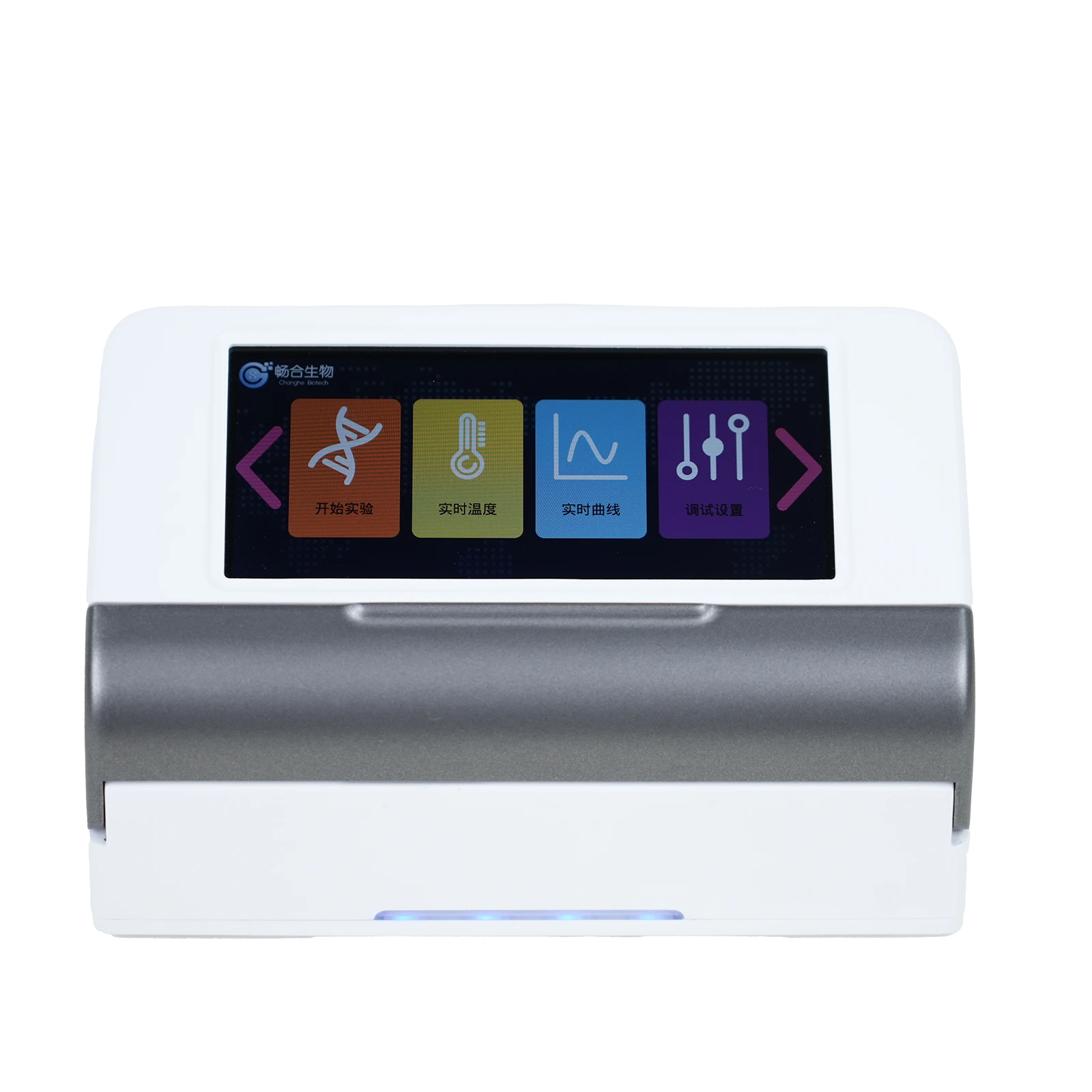
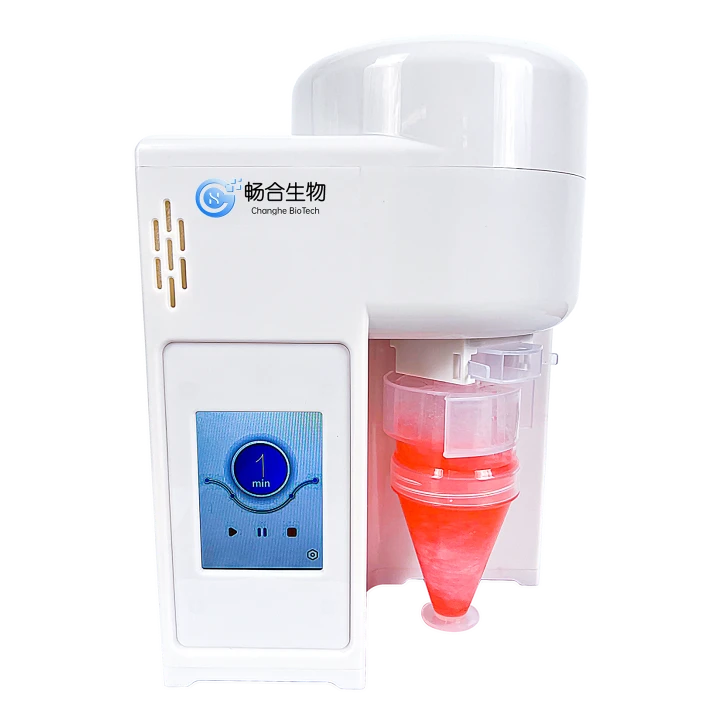
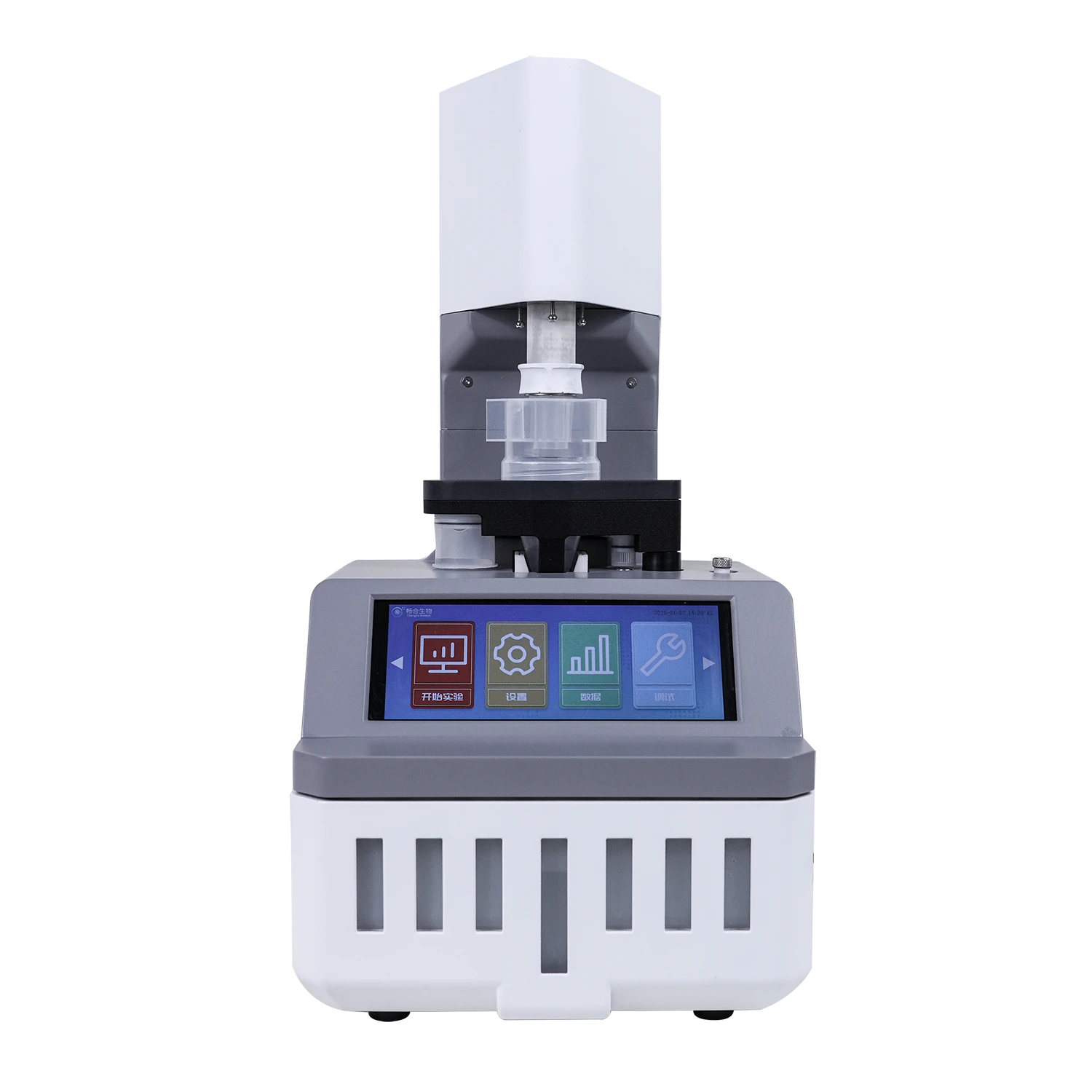
Here’s what’s interesting right now: the ASTF-1 Bioaerosol Sampler & Detection Device brings wet-wall cyclone collection together with fully automated nucleic-acid extraction and four-color PCR quantification. In plain English—high-flow capture, no hand-pipetting, and multiplex detection in one box. To be honest, that’s exactly what users have been asking for: fast, clean, defensible data without babysitting a protocol. The manufacturer operates out of FLOOR 7, NO.1588 HUHANG ROAD, SHANGHAI, CHINA, and the device supports remote software control with an open port to play nicely across different OS platforms.
Why it matters (and what users say)
Hospitals and pharma suites want near-real-time reads; airports and schools want quick screening; food plants want trending. Many customers say the hands-off workflow reduced “operator anxiety” about cross-infection of consumables. It seems that automation is finally catching up with field reality.
ASTF-1 Key Specifications
| Parameter | Spec (≈/typ.) | Notes (real-world use may vary) |
|---|---|---|
| Sampling method | Wet-wall cyclone, high-flow | Optimized for 0.5–10 µm bioaerosols |
| Flow rate | ≈ 300 L/min | Continuous or scheduled |
| Detection | qPCR, 4-color (FAM/HEX/ROX/Cy5) | Multiplex targets, quantification |
| LoD (bacterial DNA) | ≈ 20–50 copies/m³ | Panel-dependent |
| Hands-on time | No manual extraction | |
| Interfaces | Ethernet, Wi‑Fi, USB; open API | Remote operation supported |
| Service life | 5–7 yrs core pump; 10 yrs chassis | With routine maintenance |
Vendor snapshot (quick comparison)
| Model | Method | Time-to-result | Hands-on | Notes |
|---|---|---|---|---|
| ASTF-1 (this device) | Wet cyclone + qPCR (4-color) | ≈ 60–120 min | Very low | Open API; reduced cross-infection |
| Competitor A (impactor) | Culture-based plates | 24–72 h | Moderate | Species ID requires extra steps |
| Competitor B (handheld PCR) | Filtration + PCR (2-color) | ≈ 90–150 min | Low–moderate | Limited multiplexing; basic connectivity |
Process flow, materials, and standards
- Collection: wet-wall cyclone draws ambient air; microbes trapped in sterile buffer.
- Lysis & extraction: automated, sealed path (no consumable cross infection).
- Amplification: four-channel qPCR for target panels (bacteria, optionally fungi/viruses).
- Quant/report: copies/m³, trend charts, remote alerts via software.
- Testing standards referenced in method validation: ISO 16000-18 (indoor air bacteria), EN 17141 (cleanrooms), ISO 22174 (PCR guidance), plus IEC 61010/61326 for safety/EMC.
Applications, customization, and field notes
Use cases span hospitals (ICU/OR), pharma fill-finish, food plants, airports, schools, animal facilities, and HVAC mapping. Custom options include assay panel design, adjustable sampling schedules, API/SDK integration, and mobility kits. In one sterile fill suite, 2–4× faster corrective action was reported after switching to molecular reads. In a public transit hub, routine screening flagged a seasonal spike early—no drama, just data.
Surprisingly, when teams track Air Sampling Bacteria trends daily, false alarms drop. Another lab told me they trimmed hands-on steps by ~70%—I guess that’s the quiet power of automation.
Compliance, service life, and test data
- Certifications/standards: CE, IEC 61010-1, IEC 61326-1, method alignment with ISO 16000-18 and EN 17141; quality system aligned to ISO 13485 (vendor documentation on request).
- Service life: core pump 5–7 years; chassis/electronics ≈10 years with scheduled maintenance.
- Pilot data (illustrative): recovery efficiency 70–85% for 1–5 µm aerosols; LoD ≈ 20–50 copies/m³; repeatability CV 5–10% across channels.
Origin: FLOOR 7, NO.1588 HUHANG ROAD, SHANGHAI, CHINA. For programs centered on Air Sampling Bacteria, the open API and remote control are, frankly, the underrated features.
References
- ISO 16000-18: Indoor air — Detection and enumeration of bacteria.
- EN 17141:2020 — Cleanrooms and associated controlled environments — Biocontamination control.
- ISO 22174: Microbiology — PCR for detection of pathogenic microorganisms — General requirements.
- IEC 61010-1: Safety requirements for electrical equipment for measurement, control, and laboratory use.
- IEC 61326-1: Electrical equipment for measurement, control and laboratory use — EMC requirements.
- WHO: Roadmap to improve and ensure good indoor ventilation in the context of COVID-19 and beyond.
- NIOSH Manual of Analytical Methods (NMAM): Guidance on bioaerosol sampling and analysis.
-
Uniplex PCR Equipment for Industrial Biosafety & MonitoringNewsDec.08,2025
-
TB PCR Kit: A Veteran’s Take on Leading Diagnostic ToolsNewsDec.08,2025
-
Stem Loop Rt Pcr – Advanced Molecular Detection Solutions for Industry | Bio Aerosol SamplerNewsDec.08,2025
-
Reliable RT PCR RNA Virus Testing & Bioaerosol Sampling EquipmentNewsDec.07,2025
-
Rt Pcr Monkeypox: Advanced Viral Detection Solutions for B2B IndustriesNewsDec.07,2025
-
RT PCR Kit for Monkeypox Detection – Reliable Diagnostics ToolNewsDec.07,2025