
Air Sampling Bacteria Solutions: Fast, Accurate Bio Samplers
What “air sampling bacteria” Really Means in 2025 Labs
When people ask about air sampling bacteria, they’re not just asking about petri dishes anymore. They’re asking about bioaerosol surveillance that quietly runs in the background of hospitals, cleanrooms, and transit hubs—pulling in huge volumes of air, concentrating whatever’s floating, and translating it into actionable PCR data. Sounds clinical, but in practice it’s a lifesaver, literally.
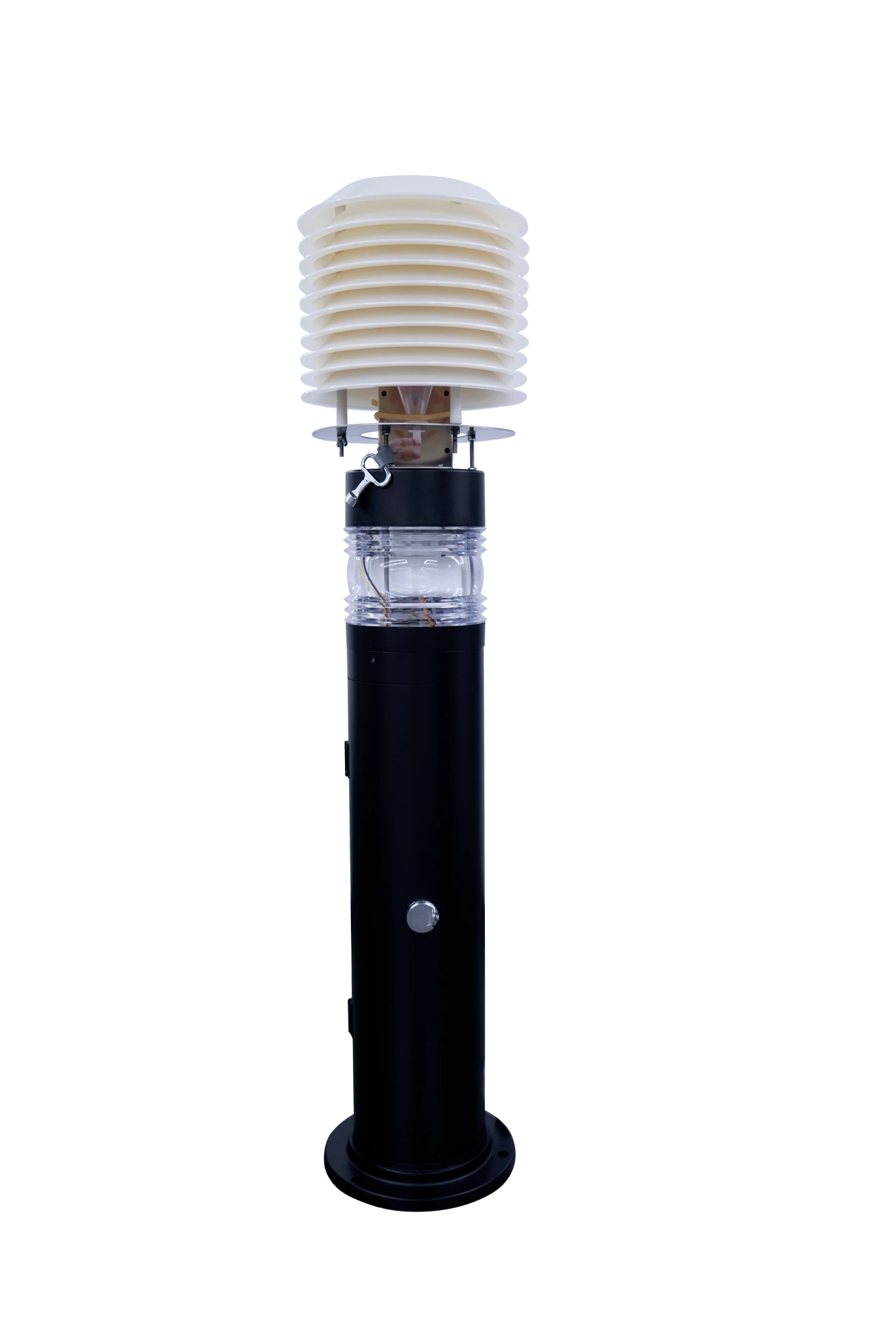
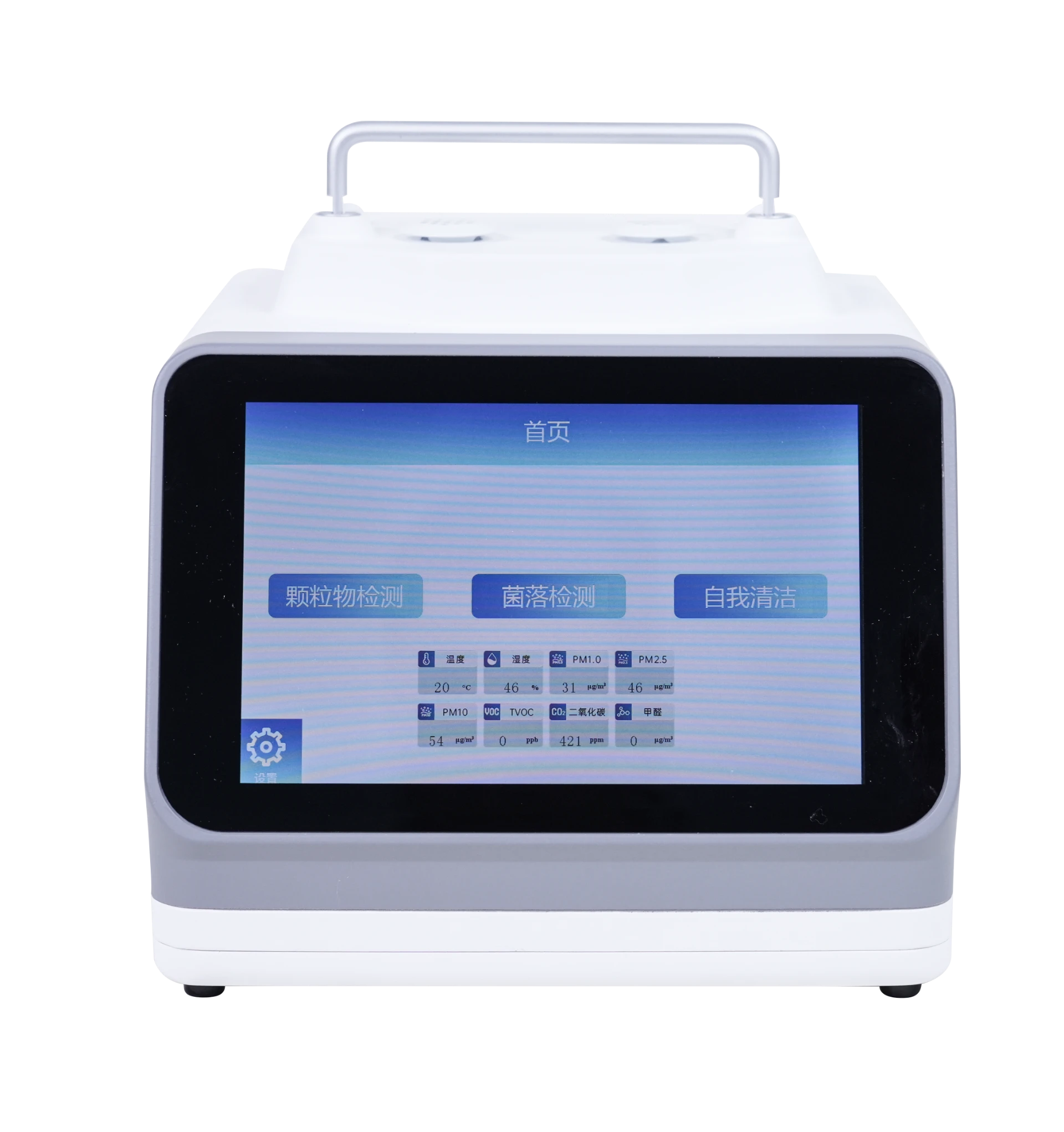
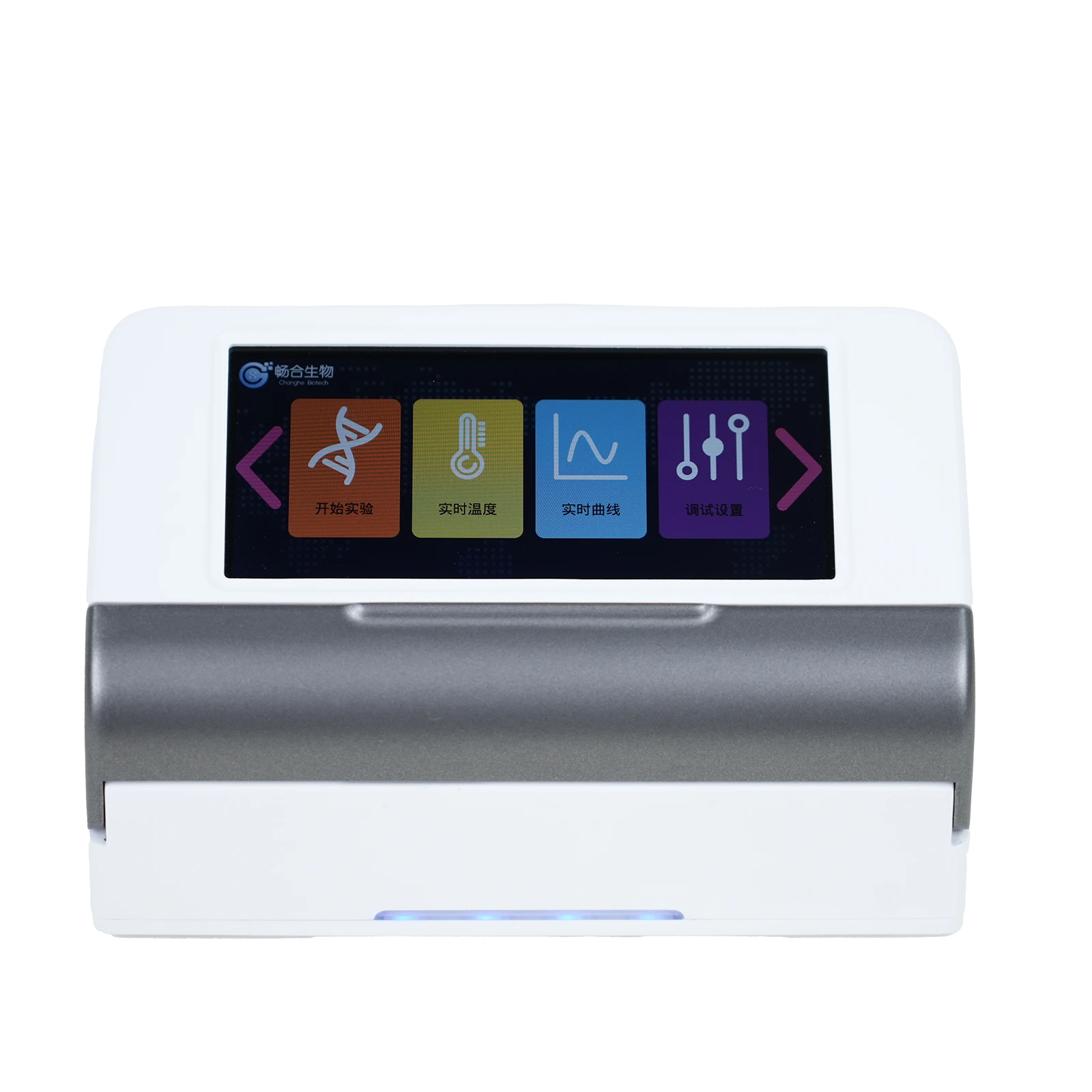
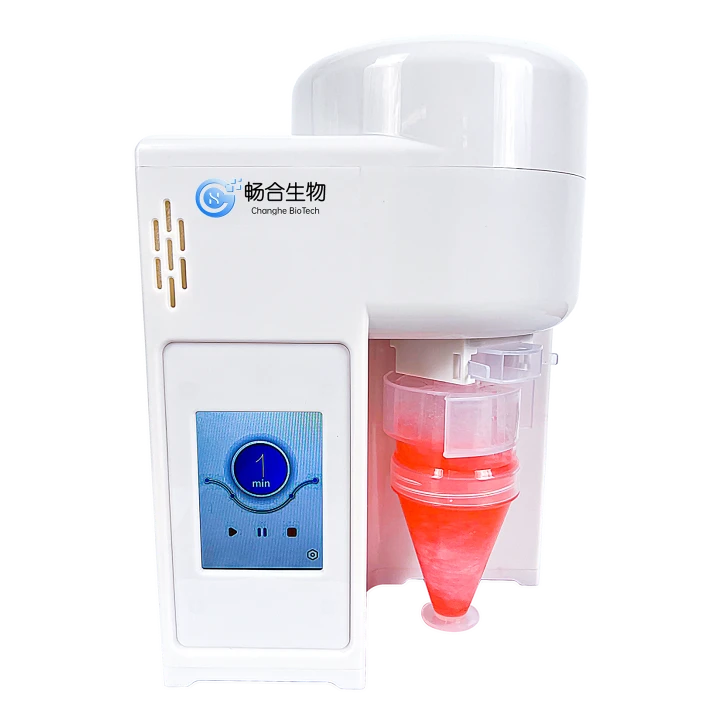
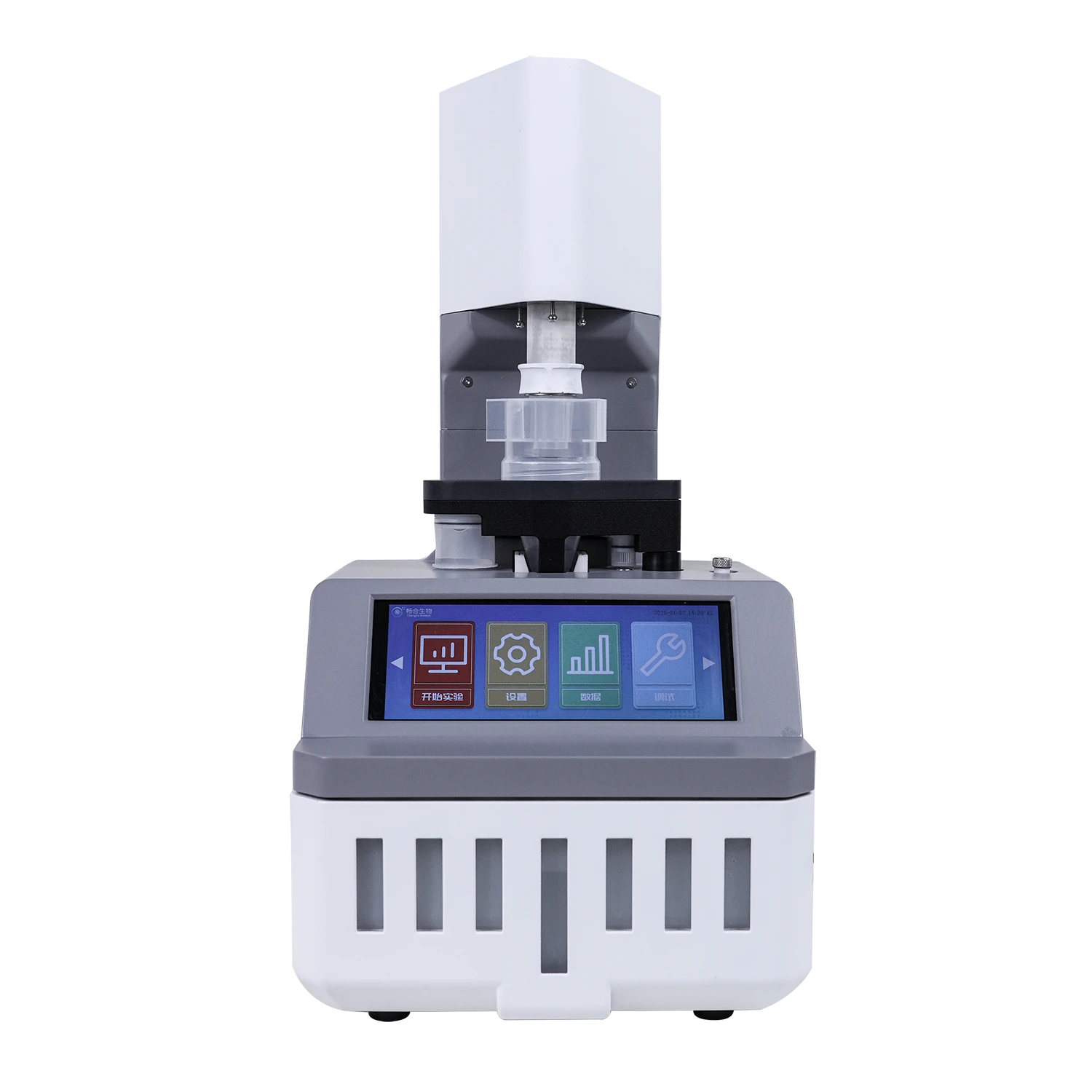
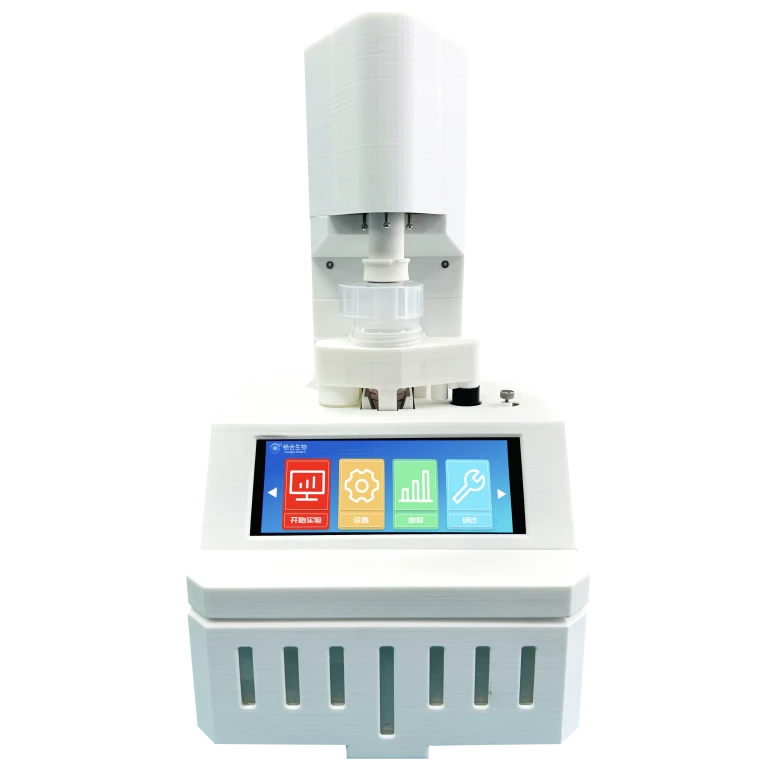
I’ve spent enough time on factory floors and in infection control meetings to say this: the market has shifted from periodic, manual settle plates to automated, high-flow samplers with on-board nucleic acid extraction. The ASTF-1 Bioaerosol Sampler & Detection Device is a good example—wet-wall cyclone capture up front, then hands-off extraction and four-color qPCR downstream. No consumable cross-infection, remote software control, and an open port to play nicely with different platforms. It sounds slick because, honestly, it is.
Process flow, materials, and methods
- Capture: Wet-wall cyclone concentrates airborne microorganisms into a sterile buffer (low-foaming, DNAse/RNAse-free).
- Extraction: Automated lysis and magnetic-bead nucleic acid purification; no manual intervention.
- Detection: Four-channel qPCR fluorescence for multiplex targets (bacteria, viruses, fungi), with internal controls.
- Decon/turnover: Rinse and UV-assisted disinfection cycle between runs; typical service life ≈ 15,000–20,000 h for core modules (real-world use may vary).
Product snapshot: ASTF-1 Bioaerosol Sampler & Detection Device
| Parameter | Typical Spec (≈) | Notes |
|---|---|---|
| Sampling method | Wet-wall cyclone | High-efficiency capture of 0.5–10 μm bioaerosols |
| Flow rate | ≈ 300–600 L/min | Vendor-configurable; check site specs |
| Detection | 4-color qPCR | Multiplex assays; internal control |
| Automation | End-to-end, no manual steps | Remote software operation supported |
| Data | Ct values, copies/m³ | Open port for platform integration |
| Materials | 316L SS, medical-grade polymer | Cleanroom-friendly surfaces |
Industry trend check: we’re seeing hospitals move from weekly settle plates to near-real-time air sampling bacteria screening; pharma is aligning with EN 17141 for continuous biocontamination control; transit hubs want early warning for seasonal surges. It’s not hype—just the cost of downtime and outbreaks talking.
Where it’s used (and why)
- Hospitals and ICUs: rapid alerts for problematic bacterial loads; air sampling bacteria near isolation rooms.
- Pharma/biotech cleanrooms: Grade A/B monitoring aligned to EN 17141 and ISO 14698 guidance.
- Food plants: Listeria risk zoning; environmental bioaerosol baselines.
- Airports/transport: trend dashboards for respiratory pathogens (policy-driven, to be honest).
Vendor comparison (quick take)
| Vendor/Model | Capture & Flow | Detection | Automation | Notes |
|---|---|---|---|---|
| ASTF-1 (Shanghai, China) | Wet-wall cyclone; ≈300–600 L/min | 4-channel qPCR | Full auto; remote software | Open port; no cross-infection consumables |
| Vendor B (Cyclone) | Cyclone; ≈200–400 L/min | Single/dual-color PCR | Semi-automatic | Lower multiplexing |
| Vendor C (Impactor) | Impactor; 28–100 L/min | Culture-based CFU | Manual | Good for ID, slower turnaround |
Real-world notes, test data, and customization
Field teams report 55–75% recovery for 1–3 μm surrogates in routine runs (lab conditions; your mileage may vary). Limit of detection is typically in the low 10² copies/m³ range for common bacterial markers with a 30–60 min cycle. Custom assay panels (e.g., S. aureus, P. aeruginosa, Legionella) are doable; IT wants API/CSV export, which the open port supports. Many customers say the remote ops are a quiet win during night shifts.
Compliance, standards, and safety
- Designed to support biocontamination control under EN 17141 and legacy ISO 14698 frameworks.
- qPCR workflow aligns with common CLSI molecular guidance; labs should validate in-house.
- Biosafety per WHO/CDC practices; risk assessment required for target organisms.
Mini case studies
- Biopharma fill-finish: continuous air sampling bacteria flagged an early bioburden uptick; HVAC filter change and sanitation cut downtime by a full batch.
- Tertiary hospital ICU: weekend monitoring caught a spike near anteroom doors; door policy and airflow tweaks normalized counts within 48 hours.
Origin: FLOOR 7, NO.1588 HUHANG ROAD, SHANGHAI, CHINA. Specifications are approximate; real-world use may vary. Always perform site validation.
Authoritative citations
- EN 17141:2020 Cleanrooms and associated controlled environments – Biocontamination control.
- ISO 14698-1/2 Cleanrooms and associated controlled environments – Biocontamination control.
- CLSI MM19: Nucleic Acid Multiplex Assays for Molecular Diagnostics (latest edition).
- ACGIH. Bioaerosols: Assessment and Control. Cincinnati, OH.
- WHO Laboratory Biosafety Manual, 4th ed.
-
Understanding pcr testes transgênicos for Agricultural PurityNewsApr.16,2026
-
Understanding Febre do Cão PCR for Precision Veterinary DiagnosticsNewsApr.09,2026
-
Understanding Respiração PCR and Grupo Cat for Advanced Bioaerosol Sampling TechniquesNewsApr.07,2026
-
IDEXX Feline Respiratory PCR Panel A Comprehensive Guide for VeterinariansNewsApr.04,2026
-
Understanding Grupo de Gatos URD PCR and Bioaerosol Sampling for Air Quality ControlNewsMar.28,2026
-
Understanding the Feline Respiratory PCR Panel Grupo de PCR Respiratório do GatoNewsMar.26,2026