
PCR Panel for Cats | Fast, Accurate, Comprehensive Testing
PCR panels for cats, minus the hype: what actually works in busy clinics
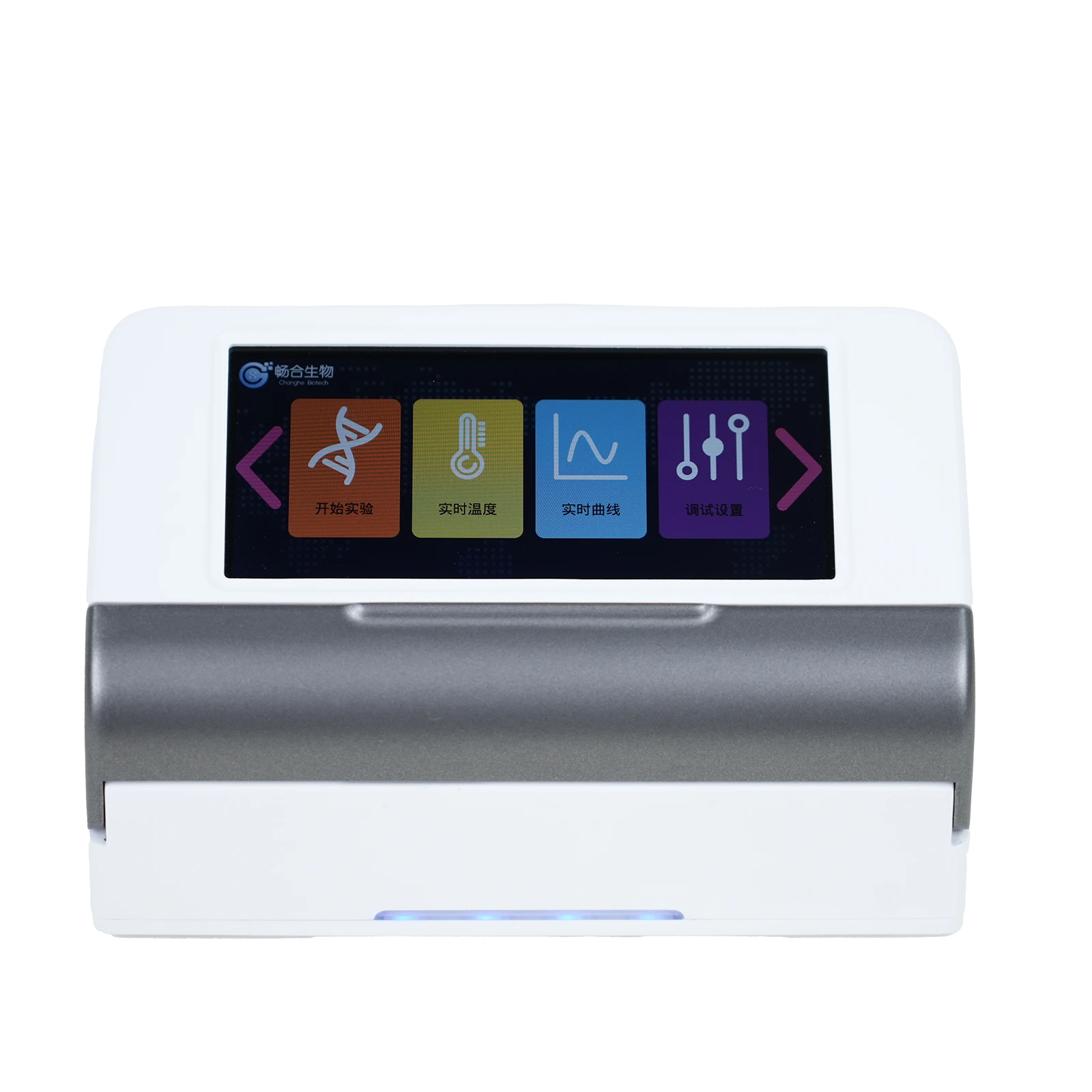
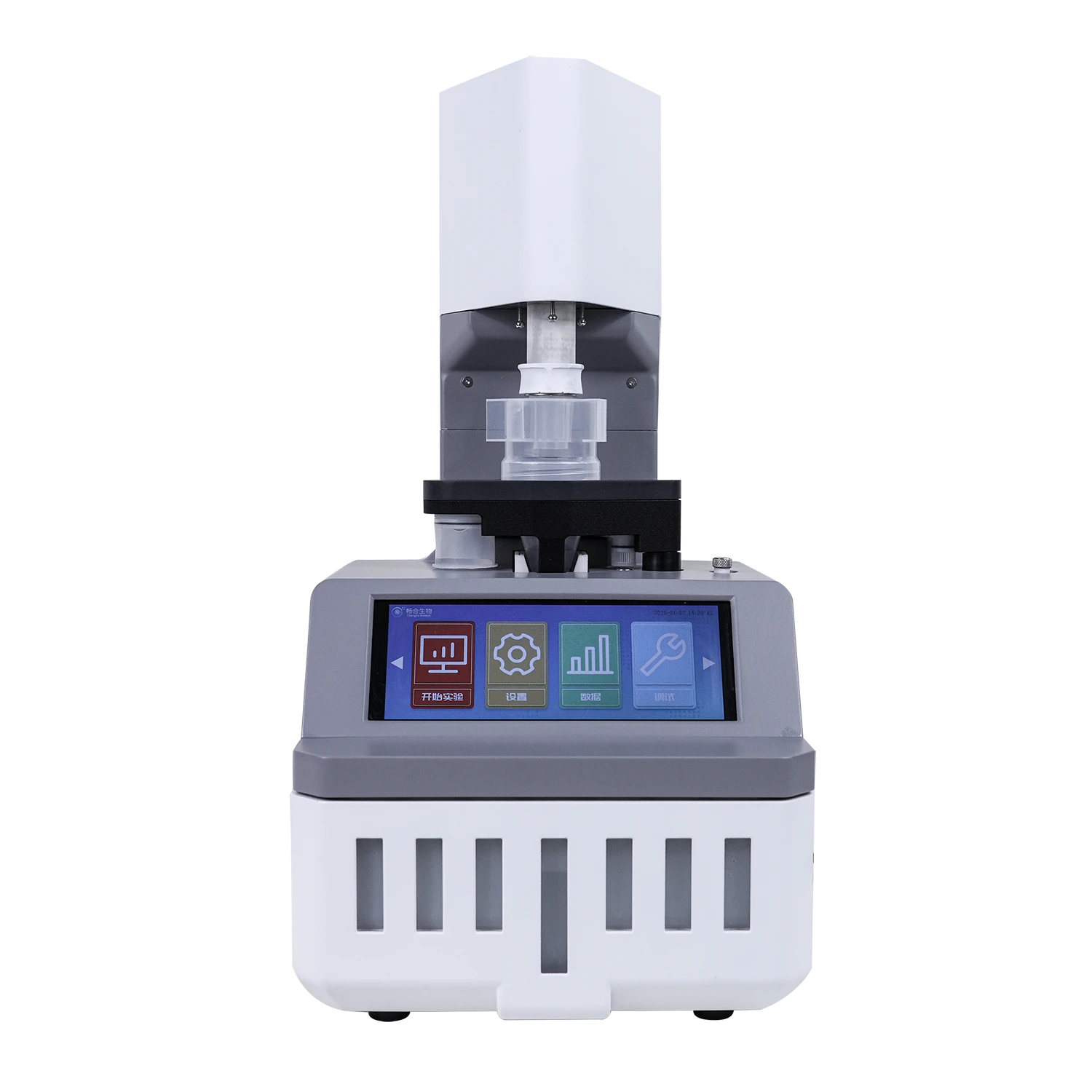
If you’ve ever tried to triage a room full of sneezy kittens on a Monday morning, you already know why a pcr panel for cats that runs fast, accurately, and without a fussy workflow has become the quiet hero of feline medicine. To be honest, the industry has been moving away from bench-bound thermocyclers toward portable isothermal instruments you can plunk down next to the centrifuge. That’s where the HF-8T Mini PCR (aka “Mini PCR”) from Shanghai (FLOOR 7, NO.1588 HUHANG ROAD, CHINA) has been getting attention.
Industry snapshot
Two big trends: isothermal chemistries (LAMP, RPA, LAMP-CRISPR) and Bluetooth-connected analyzers that stream fluorescence curves to a phone or tablet. In fact, many customers say the wins are simple—fewer send-outs, less transport lag, faster isolation of FPV or FHV-1 cases, and clearer discharge decisions for shelters.
What the Mini PCR is (and isn’t)
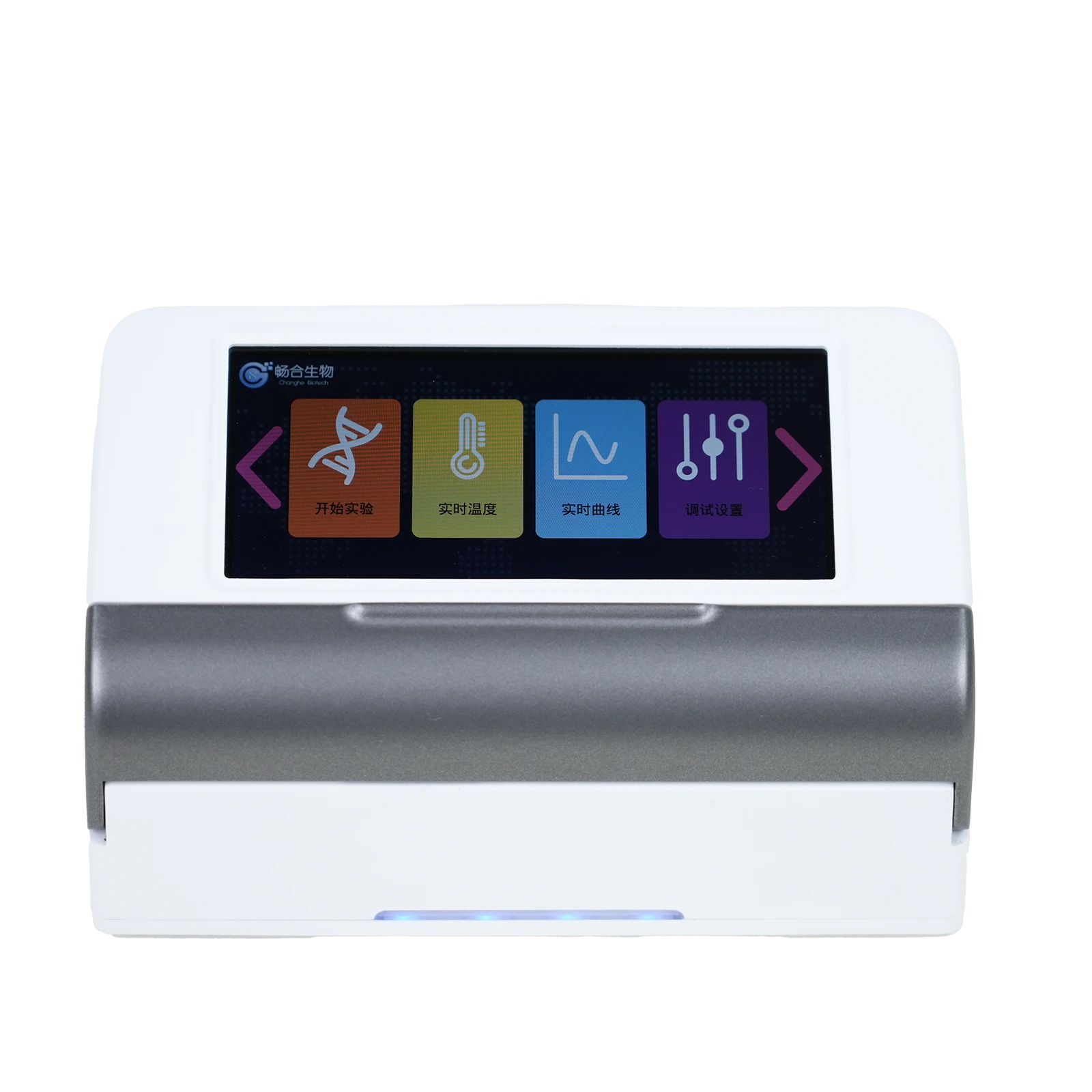
The HF-8T Mini PCR is an isothermal fluorescent reader with a high-precision mini optical module and tight temperature control. It supports LAMP, RPA, and CRISPR hybrids, and it talks to your device via Bluetooth for real-time traces. It’s not a full 96-well qPCR block—fair—but for routine pcr panel for cats targets, the speed-to-answer is genuinely useful.
Key specifications (≈, real-world use may vary)
| Model | HF-8T Mini PCR (“Mini PCR”) |
| Capacity | ≈8 samples/run (small-batch triage) |
| Chemistries | LAMP, RPA, LAMP-CRISPR, RPA-CRISPR, LAMP-PfAgo |
| Optics | Miniaturized fluorescence sensing (single-channel typical) |
| Temperature control | Accurate isothermal setpoint; typical LAMP 60–67 °C |
| Connectivity | Bluetooth module; real-time curve viewing |
| Reagents | Compatible with liquid and lyophilized mixes |
| Service life | Clinic norm ≈3–5 years or 10k+ run hours (usage-dependent) |
Process flow (how a pragmatic pcr panel for cats gets done)
- Materials: sterile swabs; VTM or PBS; quick extraction (heat lysis or magnetic beads); LAMP/RPA master mix; feline panel primers/probes (e.g., FHV-1, FCV, FPV; optionally Mycoplasma felis, Chlamydophila felis; GI add-ons like Tritrichomonas foetus).
- Method: swab → 5–10 min lysis → add to master mix → load 8 positions → isothermal run 20–35 min → interpret amplification curve/Ct-equivalent or time-to-positivity.
- QC: positive control, no-template control, internal amplification control; follow MIQE-style documentation and OIE guidance.
- Testing standards to consult: MIQE reporting, ISO/IEC 17025 for lab competence, CLSI MM19-type guidance, OIE Manual for pathogen-specific methods.
- Industries: first-opinion clinics, ER, shelters, mobile/rescue, small reference labs, breeders.
Vendor landscape (quick compare)
| Vendor / Device | Modality | Throughput | Portability | Notes |
|---|---|---|---|---|
| Mini PCR (HF-8T) | Isothermal fluorescence | ≈8 samples | Handheld/benchtop | Bluetooth; lyophilized-compatible; budget-friendly |
| Generic qPCR Mini | qPCR (multi-channel) | 16–24 wells | Portable | Higher specificity; slower; pricier |
| Field Isothermal Reader | LAMP single-channel | 4–8 samples | Ultra-portable | Battery options; limited analytics |
Application scenarios and benefits
- Respiratory triage: on-arrival panels in shelters reduce cross-infection risk by earlier isolation.
- GI outbreaks: rapid FPV/T. foetus rule-in/rule-out guides cohorting, not just empirics.
- Field work: mobile spay/neuter vans or outreach clinics—small footprint, fast answers.
Advantages: fast turnaround, minimal infrastructure, and compatibility with lyophilized reagents (no cold-chain panic). Limitations: single-channel optics can constrain multiplexing; rigorous controls are non‑negotiable to avoid false positives.
Customization and validation
Labs often customize primer sets for local strains (e.g., FCV variants). Reasonable asks: bespoke primer/probe kits, private-label housings, firmware options for multi-temperature steps. Validate against a reference qPCR method, document LoD (typical LAMP literature reports 10–100 copies/reaction), and verify inclusivity/exclusivity using CLSI-style protocols.
Real-world feedback and (composite) case notes
Clinics tell us they cut send-outs and shaved triage time to ≈30–45 minutes door-to-result. One composite shelter example: switching to a Mini PCR-based pcr panel for cats on intake reduced respiratory isolation days and antibiotic overuse—small changes, big impact.
Regulatory and QA checkpoints
- Prefer suppliers manufacturing under ISO 13485 or ISO 9001; labs operating under ISO/IEC 17025 or 15189.
- Adopt MIQE reporting practices; reference OIE/WOAH pathogen chapters for confirmatory methods.
- Keep batch records, control charts, and a contamination-prevention SOP (separate pre/post areas).
Citations
- Bustin SA et al. The MIQE Guidelines: Minimum Information for Publication of Quantitative Real-Time PCR Experiments. Clin Chem. 2009.
- WOAH (OIE). Manual of Diagnostic Tests and Vaccines for Terrestrial Animals. Current edition.
- CLSI. MM19 and related molecular diagnostics guidance (performance characteristics for nucleic acid assays).
- Notomi T et al. Loop-mediated isothermal amplification of DNA. Nucleic Acids Res. 2000.
-
Understanding pcr testes transgênicos for Agricultural PurityNewsApr.16,2026
-
Understanding Febre do Cão PCR for Precision Veterinary DiagnosticsNewsApr.09,2026
-
Understanding Respiração PCR and Grupo Cat for Advanced Bioaerosol Sampling TechniquesNewsApr.07,2026
-
IDEXX Feline Respiratory PCR Panel A Comprehensive Guide for VeterinariansNewsApr.04,2026
-
Understanding Grupo de Gatos URD PCR and Bioaerosol Sampling for Air Quality ControlNewsMar.28,2026
-
Understanding the Feline Respiratory PCR Panel Grupo de PCR Respiratório do GatoNewsMar.26,2026