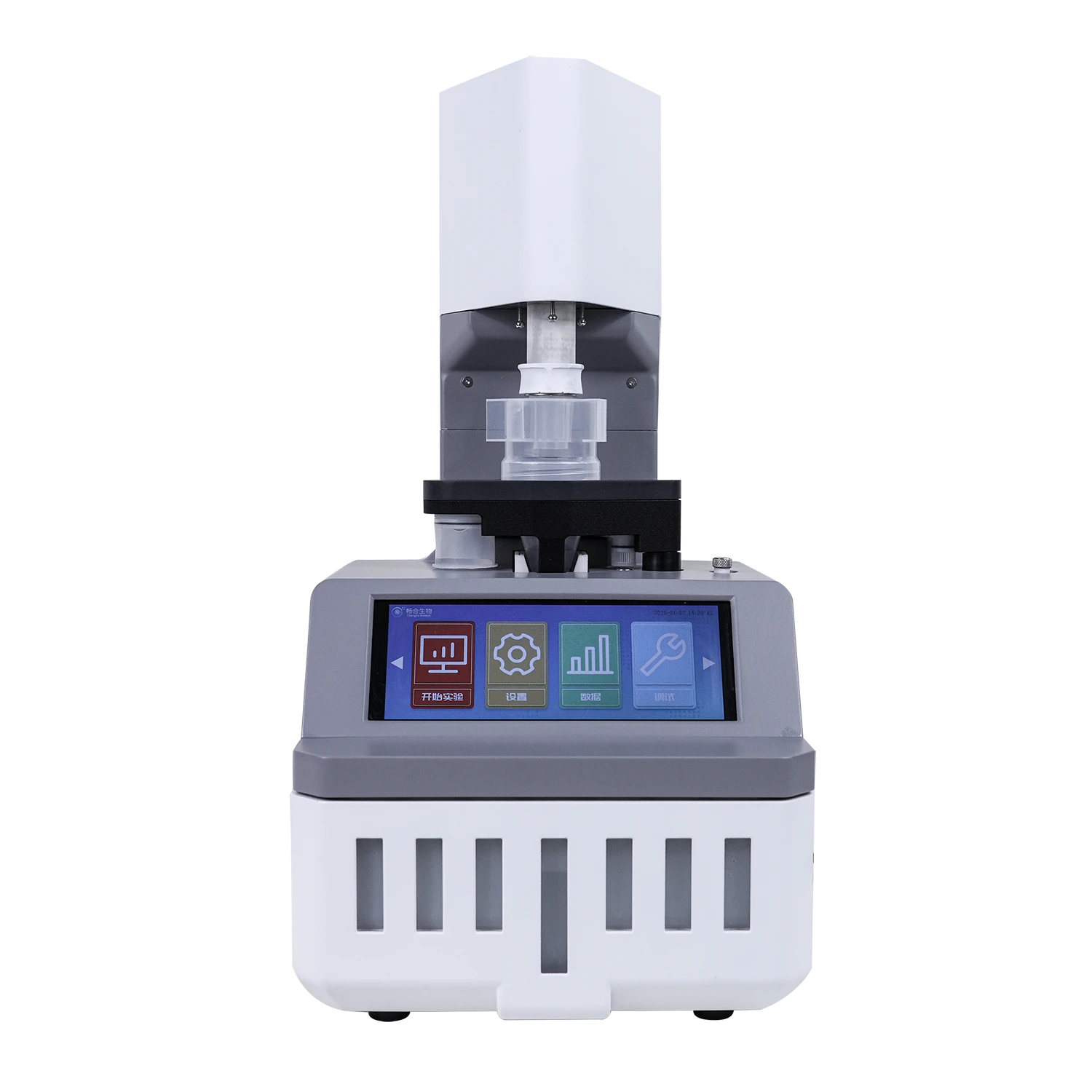

Comprehensive Guide to rt PCR Test Instrument: Features, Uses & Future Trends
Understanding the rt PCR Test Instrument: A Global Lifesaver
If you’ve ever been tested for COVID-19 or similar viral infections, you’re already familiar with one of the most crucial tools in modern diagnostics: the rt PCR test instrument. Behind the scenes, these machines quietly decode molecular clues, bringing health crises under control worldwide. But why exactly does this piece of laboratory equipment matter so much, and what makes it tick? That’s what we’re unpacking today—by understanding its core, we unlock vast benefits, from rapid disease detection to public health security.
The Global Context: Why rt PCR Test Instruments are More Relevant Than Ever
Worldwide, infectious diseases remain some of the most persistent threats to health and stability. According to the World Health Organization, effective diagnostic tools are essential to contain outbreaks and launch treatments early. The rt PCR (real-time polymerase chain reaction) test instrument leads the charge by swiftly amplifying trace amounts of viral genetic material to detectable levels.
During the COVID-19 pandemic, over a billion tests were processed globally with such systems, helping governments implement informed measures. Yet, there are challenges: remote regions often lack access to reliable testing, while speed and accuracy remain critical demands everywhere. Thus, investments in rt PCR technology directly translate into safeguarding billions.
What Exactly is an rt PCR Test Instrument?
Simply put, an rt PCR test instrument is a machine that amplifies specific DNA or RNA sequences in real time, allowing scientists to detect minute traces of pathogens. By cycling through precise temperatures, it doubles the genetic material each cycle, then uses fluorescent signals to quantify it instantly. This modern marvel bridges complex molecular biology and practical diagnostics.
In humanitarian terms, it’s a frontline hero—equipping medical teams in hospitals, mobile labs, and field stations to identify infections rapidly and accurately, a cornerstone of modern medical response.
Core Components that Define an rt PCR Test Instrument
1. Precision Thermal Cycling
Thermal cyclers control DNA denaturation, annealing, and extension. The quality of the heating and cooling system defines speed and accuracy. Many instruments now use Peltier elements for rapid cycling, important for timely results in clinical labs.
2. Fluorescence Detection System
Fluorescent dyes or probes bind to target genetic sequences. The instrument’s photodetectors pick up these signals in real-time, turning genetic data into readable curves—a vital step for quantification.
3. User-Friendly Software Interface
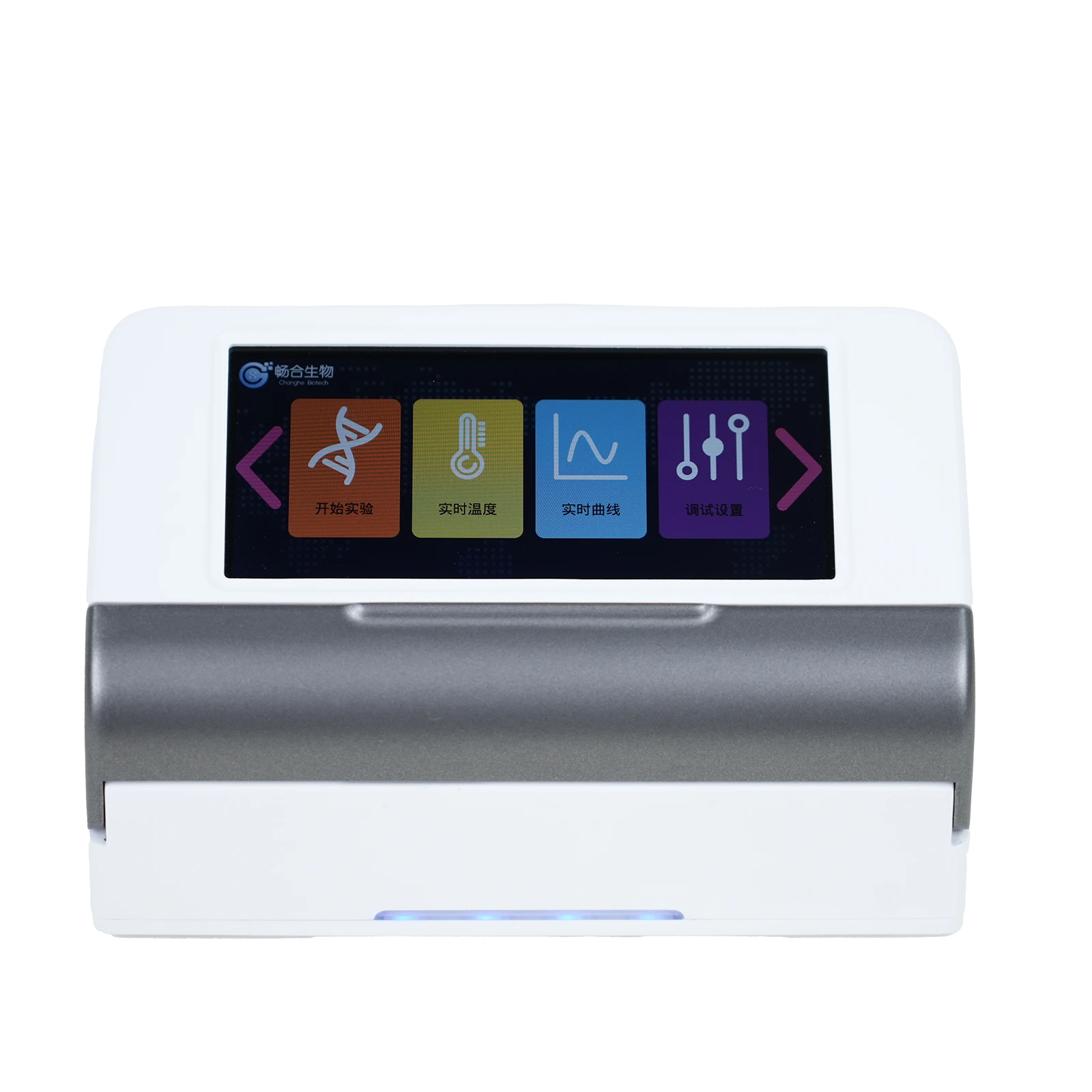
Intuitive software isn’t just a nice-to-have. With streamlined workflows, technicians can set up tests quickly, monitor runs remotely, and analyze large datasets more efficiently, enhancing lab throughput.
4. Portability and Durability
For outbreak hotspots or remote clinics, rugged compact units can be deployed quickly, even in challenging conditions. Battery-powered options are becoming popular for field use.
5. Scalability and Throughput
High-throughput machines handle hundreds of samples at once, crucial for busy reference labs. Conversely, simpler models suit smaller facilities with fewer patients.
Mini takeaway:
- Thermal precision, optical sensitivity, and software usability are the heart of reliable results.
- Choosing the right instrument depends heavily on where and how it’ll be used.
Applications and Real-World Use of rt PCR Instruments
In real terms, the reach of rt PCR machines spans continents and industries:
- Healthcare Facilities: From urban hospitals in Europe to community clinics in sub-Saharan Africa, they diagnose diseases like HIV, tuberculosis, and COVID-19.
- Environmental Monitoring: Research groups test water sources for pathogens using modified rt PCR instruments, guarding public health.
- Industrial Biosecurity: Food and pharma industries rely on them to prevent contamination, ensuring consumer safety.
- Disaster and Outbreak Response: NGOs deploy portable units after natural disasters or epidemic outbreaks to rapidly screen vulnerable populations.
In places like Southeast Asia, where dengue fever outbreaks occur regularly, rt PCR tests help identify active infections quickly, guiding targeted control measures that actually save lives.
Vendor & Instrument Comparison Table
| Vendor | Model | Throughput (samples/run) | Portability | Price Range (USD) |
|---|---|---|---|---|
| Company A | FastCycle 500 | 96 | No | $40,000 - $50,000 |
| Company B | MobileGene XT | 24 | Yes, battery-powered | $25,000 - $32,000 |
| Company C | EcoPRC Max | 384 | No | $75,000 - $90,000 |
Advantages and Long-Term Value of rt PCR Test Instruments
- Speed and Accuracy: Results in hours, not days, allowing quicker clinical decisions.
- Scalability: Suitable for both small-scale hospitals and massive centralized testing labs.
- Sustainability: Some instruments now boast reduced energy consumption and recyclable consumables.
- Social Impact: Enabling early detection prevents costly outbreaks and helps preserve human dignity by reducing disease spread.
Honestly, knowing that a single machine can help communities avoid lockdowns, protect frontline workers, and restore economic activity feels pretty powerful.
What’s Coming Next? Future Trends and Innovations
The future of rt pcr test instrument technology includes promising advancements such as:
- Integration with AI-Based Analysis: Automated interpretation reduces human error and speeds up diagnosis.
- Green Energy Powered Devices: Solar charging options aim to improve use in low-infrastructure settings.
- Miniaturization: Pocket-sized instruments for immediate point-of-care testing.
- Multiplexing: Simultaneous detection of multiple pathogens in one sample.
Challenges and Smarter Solutions in rt PCR Testing
Despite its obvious advantages, limitations persist:
- Cost: High upfront investment limits availability in low-income regions.
- Sample Preparation: Requires skilled technicians and sterile environments.
- Supply Chain Constraints: Shortages of reagents during surges can bottleneck testing.
Innovators are battling these issues by developing automated sample prep modules, reagent recycling systems, and subsidized device programs—essentially making what once felt ‘high tech’ into an everyday tool accessible worldwide.
Frequently Asked Questions About rt PCR Test Instruments
- How long does an rt PCR test run typically take?
- Most rt PCR cycles take between 45 minutes and 2 hours depending on the model and test complexity, balancing speed with accuracy.
- Can rt PCR test instruments detect new virus variants?
- Yes, as long as the test primers are updated to match the new genetic sequences. Labs often revise kits accordingly for emerging strains.
- Are portable rt PCR machines as accurate as lab-based ones?
- Portable devices have improved vastly but may have lower throughput or slightly reduced sensitivity. For many field uses, they’re reliable and highly valuable.
- What maintenance do these machines require?
- Routine calibration, cleaning of optical parts, and software updates are necessary. Vendors often provide service contracts for smooth operation.
- Can I learn to operate an rt PCR instrument quickly?
- With proper training—usually a few days—technicians can competently run tests, especially with newer user-friendly models featuring guided software.
Wrapping Up: Why You Should Invest in Quality rt PCR Test Instruments
To put it simply, investing in reliable rt PCR test instruments is investing in health security. Whether for hospitals managing everyday patient flow or NGOs racing to contain outbreaks, these devices form a bridge between molecular science and real-world impact. Counting on this technology means fewer lost lives, more informed policies, and stronger resilience.
Curious to dive deeper? Visit our website to explore cutting-edge rt PCR instruments designed to suit a variety of needs and budgets.
Technical Specifications of a Typical rt PCR Test Instrument
| Specification | Details |
|---|---|
| Thermal Cycling Range | 4°C to 99°C |
| Max Throughput | 96 samples per run |
| Detection Method | Fluorescence-based real-time detection |
| Software Interface | Touchscreen with cloud connectivity |
| Weight | 15 kg (approx.) |
| Power Requirements | 100-240V AC, optional battery mode |
Final Thoughts
There’s no doubt: The rt PCR test instrument has revolutionized molecular diagnostics and pandemic management. Its combination of accuracy, speed, and adaptability is unmatched and only set to improve with upcoming tech. For professionals working in labs, health agencies, and beyond, understanding these machines isn’t just academic—it’s a matter of lives and livelihoods.
Oh, and if you’re interested in what’s next, keep an eye on emerging AI-driven devices and more eco-friendly production. The interplay between science and society here is fascinating and rapidly unfolding...
References
-
Uniplex PCR Equipment for Industrial Biosafety & MonitoringNewsDec.08,2025
-
TB PCR Kit: A Veteran’s Take on Leading Diagnostic ToolsNewsDec.08,2025
-
Stem Loop Rt Pcr – Advanced Molecular Detection Solutions for Industry | Bio Aerosol SamplerNewsDec.08,2025
-
Reliable RT PCR RNA Virus Testing & Bioaerosol Sampling EquipmentNewsDec.07,2025
-
Rt Pcr Monkeypox: Advanced Viral Detection Solutions for B2B IndustriesNewsDec.07,2025
-
RT PCR Kit for Monkeypox Detection – Reliable Diagnostics ToolNewsDec.07,2025