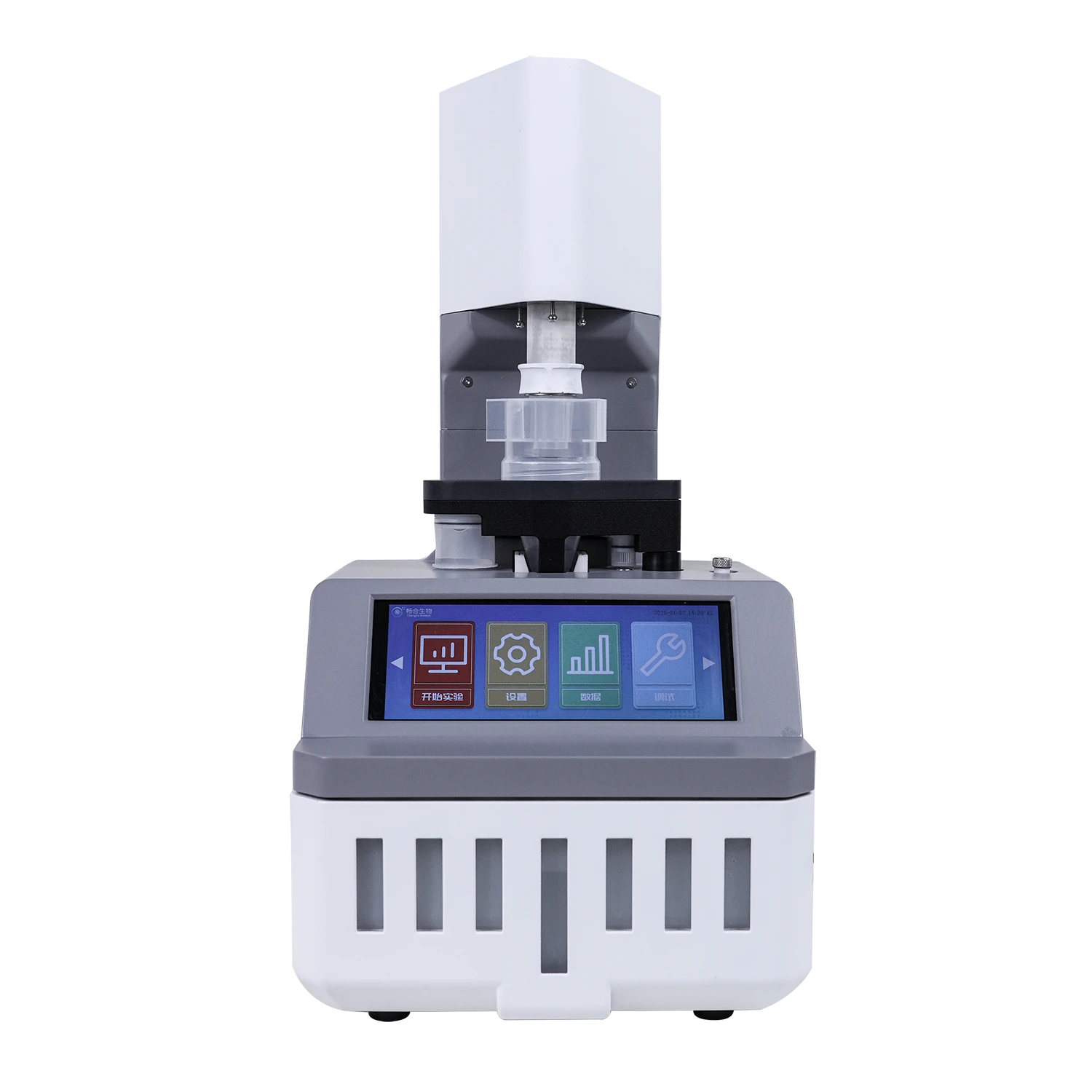

Everything You Need to Know About RT PCR Test Machines | Advanced Molecular Diagnostics
Understanding RT PCR Test Machines: Why They Matter Worldwide
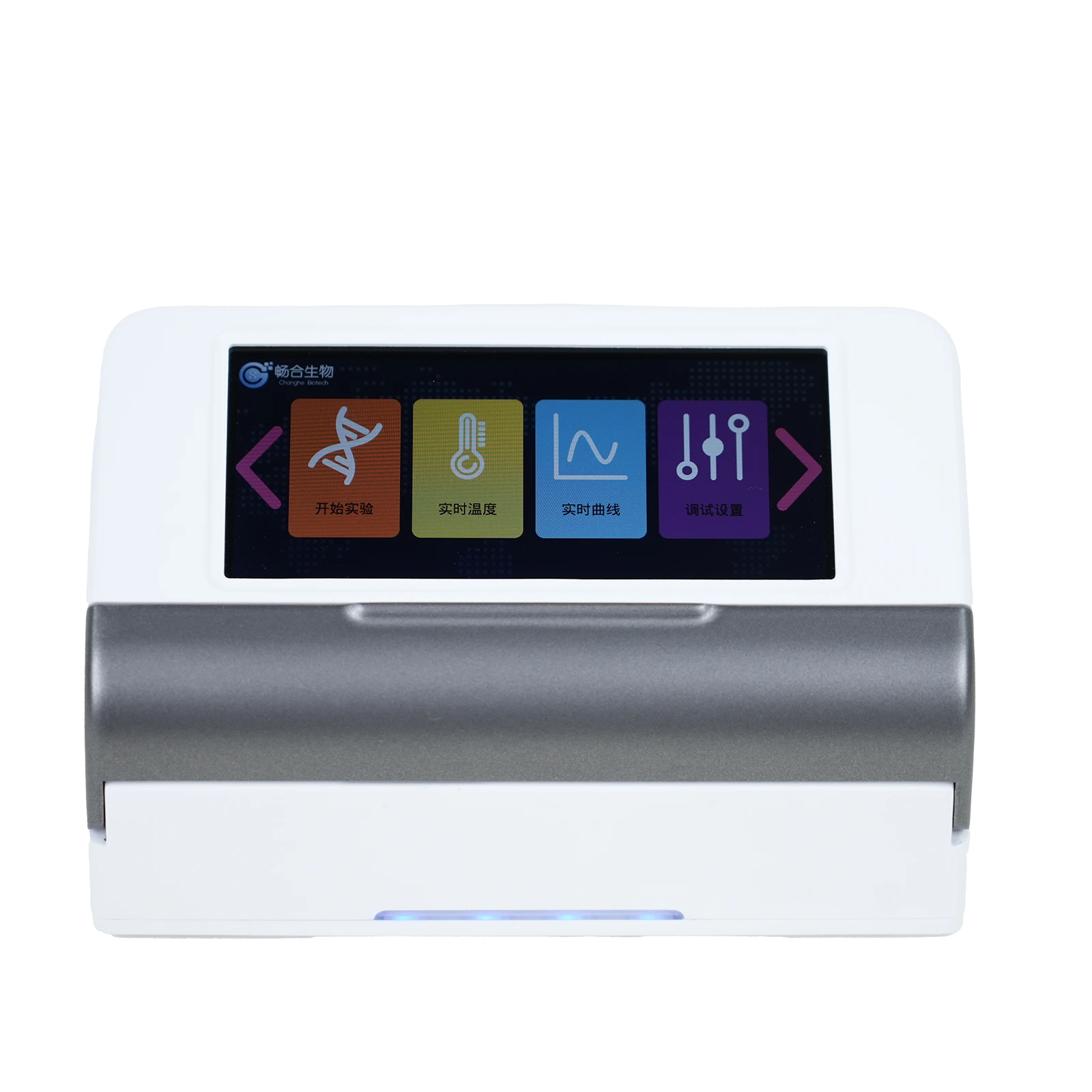
The term rt pcr test machine might not roll off the tongue casually, but over recent years, it has quietly become one of the most significant tools in healthcare and scientific communities worldwide. To put it simply, these machines enable rapid, accurate testing for viruses, bacteria, and other genetic materials by amplifying DNA or RNA. The global importance? Well, the ability to quickly detect pathogens, especially during outbreaks or pandemics, saves countless lives and informs critical public health decisions. Now, understanding how these machines work, their applications, and their challenges is essential—not just for labs but for anyone curious about the unseen machinery behind global health responses.
Mini takeaway: RT PCR test machines aren’t just specialized lab tools—they’re pivotal in safeguarding global health and responding to crises swiftly.
Introduction: The Global Significance of RT PCR Test Machines
Since early 2020, demand for rt pcr test machines skyrocketed with the COVID-19 pandemic. According to the World Health Organization (WHO), molecular testing became the gold standard for virus detection because of these machines’ ability to detect minimal viral loads quickly. But beyond pandemics, the machines have a broad role in diagnostics, agriculture, environmental monitoring, and even food safety.
The challenge? Despite their critical role, many regions struggle with access due to cost, infrastructure, and technical requirements. The United Nations has highlighted the urgent need for scalable, affordable molecular diagnostic tools—particularly in low- and middle-income countries—to ensure equitable healthcare.
Mini takeaway: The RT PCR test machine is a global health linchpin, but challenges with accessibility and cost still persist, making innovation and distribution vital.
What Exactly Is an RT PCR Test Machine?
Let's break down the name: RT PCR stands for “Reverse Transcription Polymerase Chain Reaction.” In essence, the machine takes RNA (think of viral genetic material), converts it into DNA, then amplifies that DNA to detectable levels. The entire process happens quickly, often within an hour or two, providing highly sensitive and specific results.
In practical terms, these machines are the backbone of testing strategies in hospitals, research labs, and public health departments worldwide. They turn biological samples—like nasal swabs—into actionable data fast. For humanitarian efforts, that means diagnosing disease swiftly to prevent further spread in vulnerable populations.
Key Components of RT PCR Test Machines: What Matters Most
1. Accuracy & Sensitivity
At its heart, the RT PCR test machine must produce reliable results. The ability to detect even tiny amounts of viral RNA while avoiding false positives or negatives is crucial—especially when decisions about quarantine or treatment hinge on those results.
2. Speed of Amplification
Time is often of the essence. Modern RT PCR machines have optimized thermal cycling protocols to shorten test runtimes, sometimes delivering results in under 30 minutes. Faster turnaround means better patient outcomes and more efficient outbreak control.
3. Portability & Power Requirements
While traditional lab machines can be bulky and power-hungry, newer models cater to point-of-care testing in remote or resource-limited areas. That includes battery backup features and compact designs, enabling deployment in disaster zones or rural clinics.
4. Ease of Use & Automation
Many engineers and lab techs appreciate machines with integrated sample preparation and user-friendly interfaces. Minimizing human error and training time makes large-scale testing feasible without highly specialized personnel.
5. Cost Efficiency & Consumables
RT PCR machines may be an investment, but the cost per test depends heavily on reagents and disposables. Streamlined cartridge systems and open-platform compatibility often reduce running expenses, a factor labs watch closely.
RT PCR Test Machines in Action Around the World
What’s fascinating is how this technology adapts to diverse scenarios:
- Urban hospitals: Routine diagnosis of infections, genetic diseases, and cancer markers.
- Remote health clinics: Deploying portable RT PCR machines during outbreaks like Ebola or Zika helps contain spread where resources are limited.
- Environmental monitoring: Detecting pathogens in water supplies or air samples to preempt epidemics.
- Food industry: Screening products for contamination with harmful bacteria or viruses.
- Post-disaster relief operations: Quick diagnostics prevent disease outbreaks among displaced populations.
For instance, in Sub-Saharan Africa, several NGOs equip field teams with portable RT PCR test machines to perform diagnostics far from conventional labs, cutting days off response times.
Mini takeaway: RT PCR test machines’ flexibility makes them invaluable tools—not confined to labs but active in hospitals, fields, and beyond.
Advantages & The Long-Term Value of RT PCR Test Machines
There’s more to these machines than just rapid testing. Their long-term value is seen across various dimensions:
- Cost-Effectiveness: Early and accurate detection leads to better patient management and reduces unnecessary treatments.
- Sustainability: Innovations like reusable components and low-energy models support greener healthcare.
- Social Impact: Empowering communities with accessible diagnostics supports dignity and trust in health systems.
- Innovation & Trust: Regular updates/refinements in RT PCR technology maintain relevance as pathogens evolve.
Product Specification Table: A Typical RT PCR Test Machine
| Specification | Details |
|---|---|
| Amplification Method | Reverse transcription + real-time PCR |
| Sample Types Supported | Nasal swabs, saliva, blood, environmental samples |
| Run Time | 30–90 minutes, depending on protocol |
| Throughput | 1–96 samples per run |
| Power Supply | AC power, optional battery backup for portable units |
| Software Features | Automated data analysis, cloud connectivity, user-friendly interface |
Vendor Comparison: Selecting the Right RT PCR Test Machine
| Feature / Vendor | Vendor A | Vendor B | Vendor C |
|---|---|---|---|
| Max Sample Capacity | 96 | 48 | 24 |
| Portability | No | Yes, portable model | Compact with battery |
| Average Run Time | 90 minutes | 45 minutes | 30 minutes |
| Price Range | $35,000–45,000 | $25,000–35,000 | $18,000–28,000 |
| Software & Support | Full remote support, updates | Basic support, cloud enabled | On-site training available |
Future Trends: What’s Next for RT PCR Technology?
Innovation doesn’t sleep. Current research targets improving sensitivity and reducing test time further, with some companies exploring rt pcr test machine models integrated with AI-powered analysis for real-time epidemic tracking. There's growing emphasis on green chemistry—using less toxic reagents—and modular devices that adapt quickly to emerging pathogens.
Automation and cloud connectivity enable decentralized testing, meaning labs far from urban centers can upload results instantly, enhancing surveillance. Plus, hybrid devices combining PCR and other diagnostics might become routine next decade.
Challenges on the Road and How Experts Tackle Them
Challenges remain: high costs, maintenance needs, and supply chain bottlenecks for reagents sometimes limit deployment in low-resource settings. Moreover, training users to avoid errors is an ongoing task.
To combat these, many vendors provide modular, user-friendly devices with robust customer support. Open-source platforms allow for local manufacturing of parts, reducing reliance on imports. Telemedicine integration also helps train remote operators.
FAQ: Common Questions About RT PCR Test Machines
- Q: How fast can RT PCR test machines provide accurate results?
A: Typically between 30 to 90 minutes depending on the device and protocol. Some rapid models can achieve results in as little as 20-30 minutes, especially suited for point-of-care testing. - Q: Are portable RT PCR machines as reliable as traditional lab units?
A: Yes, many portable RT PCR devices have comparable sensitivity and specificity, though throughput may be lower. They are designed for use in field or low-resource settings without compromising accuracy. - Q: What kind of samples can these machines test?
A: Most machines accept nasal swabs, saliva, blood, and even environmental samples, depending on the assay. Sample prep methods vary but are often streamlined to speed testing. - Q: How expensive are RT PCR test machines and their consumables?
A: Prices vary widely—from around $18,000 for compact models to upwards of $45,000 for high-throughput systems. Consumable costs also differ but usually represent a significant part of the ongoing expense. - Q: Where can I learn more or purchase these machines?
A: Reputable vendors and distributors typically provide consultation and demos. For a trusted guide and product range, visit rt pcr test machine.
Wrapping Up: Why RT PCR Test Machines Will Keep Shaping Our Future
In the end, the RT PCR test machine stands as a beacon of modern bioanalytical technology—blending speed, accuracy, and adaptability. They represent more than machinery; they embody global resilience, innovation, and the relentless drive to understand and combat disease. With ongoing advances promising to make testing faster, greener, and more accessible, these machines will continue to matter long after the immediate crisis fades.
If you want to stay ahead in molecular diagnostics or secure reliable equipment tailored to your needs, don’t hesitate. Visit our website: rt pcr test machine for trusted solutions and expert guidance.
References:
-
Uniplex PCR Equipment for Industrial Biosafety & MonitoringNewsDec.08,2025
-
TB PCR Kit: A Veteran’s Take on Leading Diagnostic ToolsNewsDec.08,2025
-
Stem Loop Rt Pcr – Advanced Molecular Detection Solutions for Industry | Bio Aerosol SamplerNewsDec.08,2025
-
Reliable RT PCR RNA Virus Testing & Bioaerosol Sampling EquipmentNewsDec.07,2025
-
Rt Pcr Monkeypox: Advanced Viral Detection Solutions for B2B IndustriesNewsDec.07,2025
-
RT PCR Kit for Monkeypox Detection – Reliable Diagnostics ToolNewsDec.07,2025