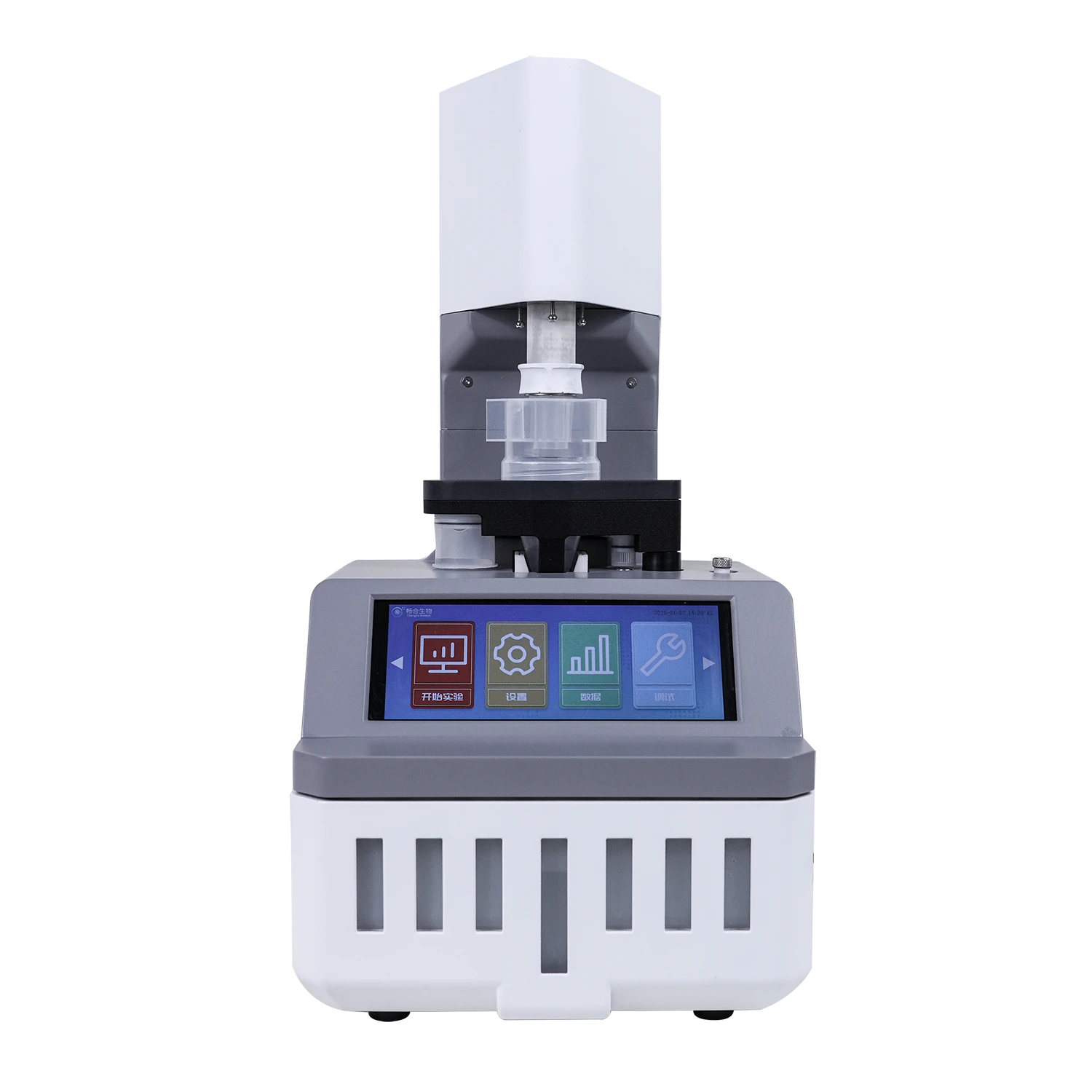

Comprehensive Guide to qPCR Instruments: Features, Applications, and Trends
The Quiet Power of the qPCR Instrument: A Key Player in Molecular Diagnostics
In a world increasingly defined by precision, rapid diagnostics, and genetic insights, the qPCR instrument stands out as one of the underrated technological heroes. It doesn’t always make headlines like AI or robotics, but this lab staple quietly influences global health, research, and industry on levels you might not fully appreciate. Understanding the role and benefits of qPCR technology isn’t just for scientists — it’s for anyone intrigued by how data, biology, and technology converge to solve real-world problems.
Why the qPCR Instrument Matters Globally
Quantitative polymerase chain reaction (or qPCR) instruments have reshaped how we detect DNA and RNA with incredible speed and accuracy. Globally, their relevance is illustrated clearly: from the World Health Organization's massive SARS-CoV-2 testing campaigns to agricultural biosecurity monitoring, qPCR devices provide fast, trustworthy results that inform critical decisions.
Statistics highlight that over 1 million qPCR instruments are currently operational worldwide, with industry growth projected at roughly 10% annually (ISO, 2023). The challenge they address is clear — how to generate reliable, real-time genetic information that acts on time-sensitive needs without demanding months of lab work. When outbreaks emerge, for example, having quick qPCR diagnostics isn’t a luxury; it’s essential.
What Exactly Is a qPCR Instrument?
At its core, a qPCR instrument is a laboratory device that amplifies segments of DNA or RNA and quantifies them in real time through fluorescence signals. It’s sometimes called a real-time PCR machine. Unlike traditional PCR, which only confirms if a genetic sequence is present after the process, qPCR tells you “how much” of the target sequence exists during the reaction. This makes it indispensable for precise measurements, whether it’s viral load in patients or gene expression levels in crops.
In the grand scheme, qPCR technology bridges the gap between molecular biology and practical, actionable information for healthcare providers, researchers, and bioengineers alike.
Core Components and Key Features of qPCR Instruments
1. Sensitivity and Accuracy
One of the most critical aspects of any qPCR instrument is its ability to detect very low concentrations of nucleic acids, often down to a few copies per reaction. This sensitivity allows detection of pathogens or biomarkers early on, significantly impacting disease management or quality control.
2. Thermal Cycling Efficiency
The instrument must rapidly heat and cool samples for DNA denaturation, annealing, and extension steps. Many modern devices use advanced Peltier elements or air-based cycling, which reduce turnaround times and improve consistency.
3. Multiplexing Capability
A key advantage is the ability to run multiple targets simultaneously in one reaction tube, saving reagents and time. This is particularly important in complex diagnostics where several pathogens or gene variants must be identified.
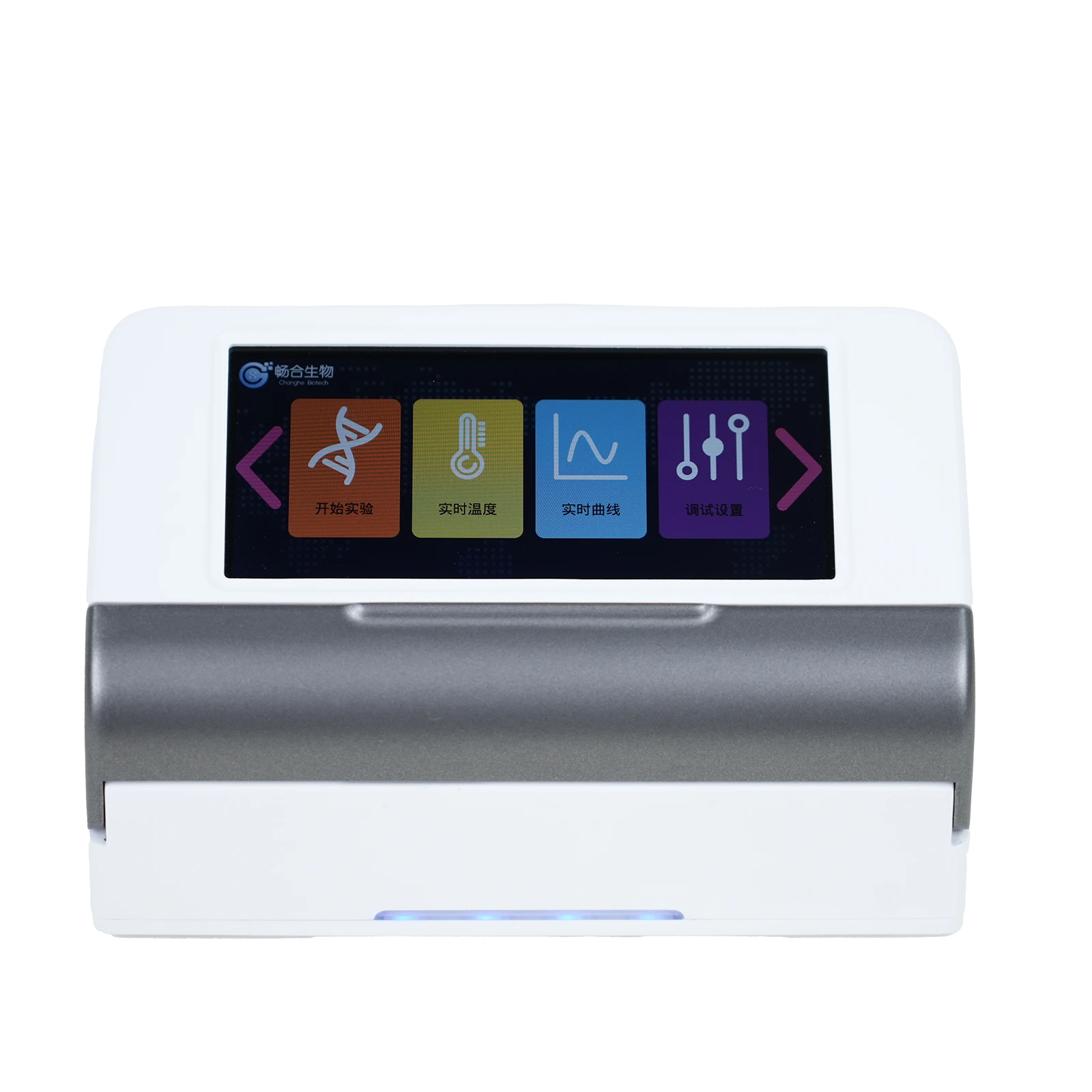
4. User Interface and Software Integration
Intuitive software with real-time data visualization, automatic threshold setting, and cloud connectivity enables users — from experienced molecular biologists to field technicians — to operate seamlessly and share results quickly.
5. Portability and Durability
As qPCR moves into field applications — think mobile health units or remote environmental testing — instruments are becoming more compact and rugged. Battery-powered options exist, especially useful in resource-limited settings.
Mini Takeaway:
All these factors combined make the qPCR instrument a versatile, indispensable tool for fast and accurate genetic testing — a must-have in modern labs and beyond.
Global Applications: Where qPCR Instruments Really Shine
The reach of qPCR instruments spans continents and industries:
- Healthcare and Infectious Disease: From HIV viral load monitoring in Africa to COVID-19 screening worldwide, these instruments are frontline diagnostics tools.
- Food Safety: Detecting bacterial contamination in Europe’s food processing plants ensures safer supply chains.
- Environmental Monitoring: Monitoring water quality or detecting invasive species in Asia-Pacific regions.
- Agriculture: GMO identification and crop disease surveillance improve yields and biosecurity in Americas and Africa.
- Pharmaceutical R&D: Tracking gene expression during drug development accelerates innovation everywhere.
In remote industrial zones, a portable qpcr instrument has enabled on-site microbial contamination checks — eliminating days of waiting and costly lab shipments.
Product Specification Table: Typical qPCR Instrument Features
| Feature | Specification |
|---|---|
| Detection Channels | 4–6 Fluorescent Channels (FAM, HEX, Cy5, etc.) |
| Sample Capacity | 96 or 384-well plates; Tubes (0.1–0.2 mL) |
| Temperature Range | 4°C to 99°C ±0.1°C precision |
| Run Time | Under 60 minutes (fast cycling options) |
| Connectivity | USB, Ethernet, WIFI, Cloud-compatible |
| Portability | Desktop and portable versions available |
Vendor Comparison: Choosing the Right qPCR Instrument Supplier
| Vendor | Price Range | Global Support | Advanced Features | Ideal Use Case |
|---|---|---|---|---|
| Thermo Fisher Scientific | $15,000–$40,000 | Extensive, 24/7 | Multiplexing, Cloud Software | Clinical Labs & Pharma |
| Bio-Rad Laboratories | $18,000–$35,000 | Worldwide | Fast Cycling, Duplex PCR | Research Institutes |
| Qiagen | $20,000–$38,000 | Moderate, Regional | Automation Ready | Biotech Startups |
| Portable qPCR Co. | $5,000–$12,000 | Limited | Battery Power, Rugged Design | Field & Environmental Testing |
The Tangible and Intangible Benefits of Using qPCR Instruments
It’s easy to focus only on the technical specs, but the value of qPCR instruments extends well into social impact and emotional reassurance. For starters, they dramatically reduce time-to-result from days to hours (or even less), saving lives when early diagnosis means everything.
On a sustainability note, these instruments reduce waste by enabling multiplexing and smaller reaction volumes — a greener footprint in laboratories worldwide. Plus, the sense of certainty they bring to diseases, food safety, or environmental threats builds trust among end-users and stakeholders.
Many labs report how streamlined qPCR workflows foster innovation and improve staff morale because the technology eliminates much of the guesswork and manual error...
What’s Next? Emerging Trends in qPCR Technology
- Green Manufacturing: More suppliers now focus on eco-friendly materials and energy-efficient designs.
- Digital Integration & AI: Machine learning algorithms for interpreting complex qPCR data are becoming common, easing result analysis.
- Miniaturization: Smarter, smaller instruments tailored for rapid field deployment will grow in demand.
- Automation: Robots and liquid-handling systems connected to qPCR platforms accelerate high-throughput testing.
- Standardization: International efforts to harmonize protocols for qPCR testing create more reliable cross-border data.
Addressing Challenges: Common Pitfalls and Expert Solutions
Despite their capabilities, qPCR instruments face hurdles — from contamination risks and costly reagents to data interpretation complexities. Operators often struggle with false positives or negatives due to poor sample handling or suboptimal primer design.
Experts recommend rigorous training, validated protocols, and cross-platform calibration. Moreover, partnering with vendors offering robust customer support and software updates can minimize downtime and boost confidence.
Frequently Asked Questions About qPCR Instruments
Q1: How do qPCR instruments differ from traditional PCR machines?
A1: Traditional PCR confirms the presence of DNA at the end of the cycling, whereas qPCR quantifies DNA in real time during amplification, providing speed and accuracy advantages useful in diagnostics and research.
Q2: Can qPCR instruments be used outside of a lab setting?
A2: Yes. Portable, battery-operated qPCR instruments are increasingly designed for field use in areas like environmental monitoring, outbreak surveillance, and remote clinical diagnostics.
Q3: What maintenance is required for reliable qPCR operation?
A3: Routine maintenance involves cleaning optical components, validating temperature accuracy, and software updates. Following vendor guidelines and periodic calibration ensures ongoing accuracy.
Q4: Is multiplexing possible with all qPCR instruments?
A4: Most modern qPCR instruments support multiplexing, but capacity varies by model and number of fluorescent detection channels. Always confirm specifications with the vendor to match your needs.
Q5: How can organizations choose the right qPCR instrument supplier?
A5: Consider factors like application type, budget, support availability, software usability, and scalability. Vendor reputations, warranty, and service networks also matter.
Wrapping It Up: Why Investing in qPCR Technology Makes Sense
Over time, the qPCR instrument has proven itself as a cornerstone technology in modern molecular biology. Its ability to deliver fast, precise genetic data affects everything from global health to food safety and environmental stewardship. For businesses, nonprofit agencies, or labs evaluating equipment upgrades or expansions, embracing this technology means stepping into a future of smarter, faster, and more trustworthy testing.
Curious to explore quality qpcr instrument options? Visit our website for details, demos, and expert consultations that help you navigate this dynamic market.
Mini Reflections:
As I’ve seen on many occasions, deploying the right qPCR setup can be transformative — turning a muddled testing process into clear, actionable science. And in times when rapid insight can save lives or livelihoods, that clarity is invaluable.
References
-
Uniplex PCR Equipment for Industrial Biosafety & MonitoringNewsDec.08,2025
-
TB PCR Kit: A Veteran’s Take on Leading Diagnostic ToolsNewsDec.08,2025
-
Stem Loop Rt Pcr – Advanced Molecular Detection Solutions for Industry | Bio Aerosol SamplerNewsDec.08,2025
-
Reliable RT PCR RNA Virus Testing & Bioaerosol Sampling EquipmentNewsDec.07,2025
-
Rt Pcr Monkeypox: Advanced Viral Detection Solutions for B2B IndustriesNewsDec.07,2025
-
RT PCR Kit for Monkeypox Detection – Reliable Diagnostics ToolNewsDec.07,2025