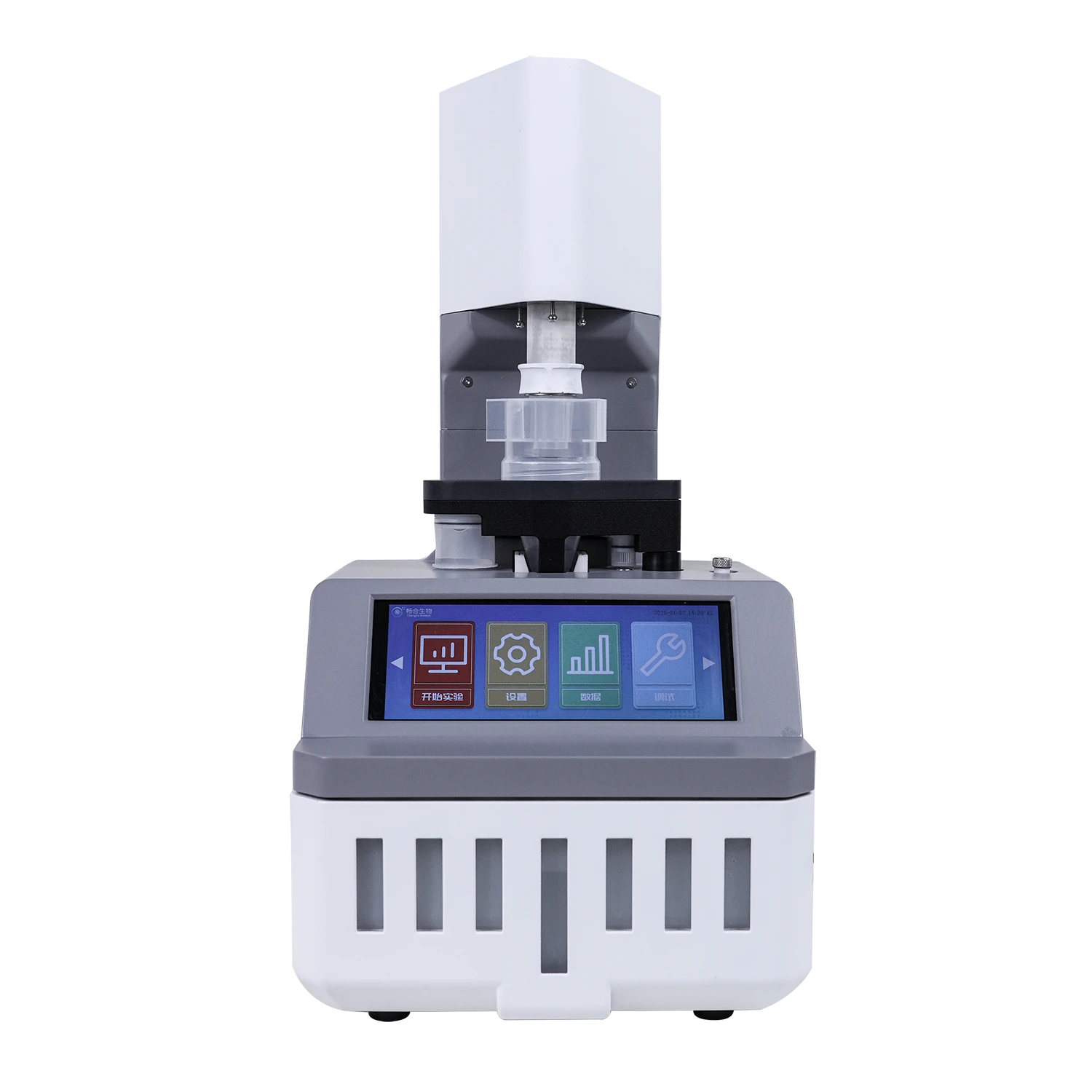

Understanding the ddpcr Instrument: Global Impact, Key Features, and Future Trends
What Is a ddpcr Instrument and Why Does It Matter Globally?
In the realm of molecular biology and diagnostics, the ddpcr instrument—or droplet digital PCR instrument—has quietly become a game-changer. While it might sound like jargon, the technology's impact on fields ranging from medical diagnostics to environmental monitoring is quite profound. Globally, as we grapple with viral outbreaks, cancer detection, and food safety challenges, the ddpcr instrument offers incredibly precise, quantitative insights that traditional methods can't match. Understanding it isn’t just academic; it can influence how societies improve health diagnostics and biological research, ultimately saving lives and resources.
Mini takeaway: At its core, the ddpcr instrument provides highly sensitive and absolute quantification of DNA or RNA, advancing precision medicine and ecological studies worldwide.
The Global Landscape: Why ddpcr Instrument Is More Relevant Than Ever
To grasp the global significance of the ddpcr instrument, consider some numbers from the World Health Organization and ISO standards: over 300 million cancer cases detected annually worldwide require precise genetic analysis for tailored treatments (WHO, 2023). Infectious disease outbreaks, like COVID-19, dramatically shifted focus towards diagnostic methods that are both fast and accurate. Traditional qPCR techniques, while useful, struggle with sensitivity when viral loads are low. This gap pushed molecular labs globally to adopt ddpcr instruments for their ability to detect minute genetic variations with unparalleled accuracy.
Yet, challenges persist: limited access in developing regions, and equipment cost barriers. As international health organizations stress personalized medicine and environmental biosurveillance, the ddpcr instrument stands at the intersection of technology and global health equity.
Mini takeaway: ddpcr instruments tackle crucial global challenges in disease detection and environmental monitoring, but affordability and access remain ongoing hurdles.
Defining the ddpcr Instrument: Simple Terms for a Complex Tool
Imagine taking a sample of genetic material, breaking it into thousands of tiny droplets, and running hundreds of mini PCR reactions simultaneously. That’s essentially how a ddpcr instrument works. It partitions the sample so that each droplet acts as an individual reaction. The instrument then measures how many of these tiny droplets contain the target DNA or RNA, allowing for absolute quantification without relying on standard curves.
This contrasts with traditional PCR, which provides only relative data and often struggles with mixed samples or low abundance targets. The precision of ddpcr links directly to breakthroughs in cancer genomics, infectious disease research, and even food contaminant detection, making it priceless in modern science and humanitarian efforts.
Mini takeaway: ddpcr instruments enable highly sensitive, absolute quantification of nucleic acids by dividing samples into thousands of droplets—streamlining detection in complex or low-abundance samples.
Core Components of a ddpcr Instrument That Make It Tick
1. Droplet Generator
This is the heart of the system. The droplet generator creates uniform microdroplets, each acting as a separate PCR reaction vessel. Consistency here ensures reliability in data output.
2. Thermal Cycler
The instrument performs temperature cycles to amplify the genetic material within droplets. Precise temperature control is critical for reaction specificity.
3. Droplet Reader
Fluorescence detection happens here. After PCR amplification, the reader counts how many droplets fluoresce (positive) versus those that don't (negative), giving a digital readout of the sample.
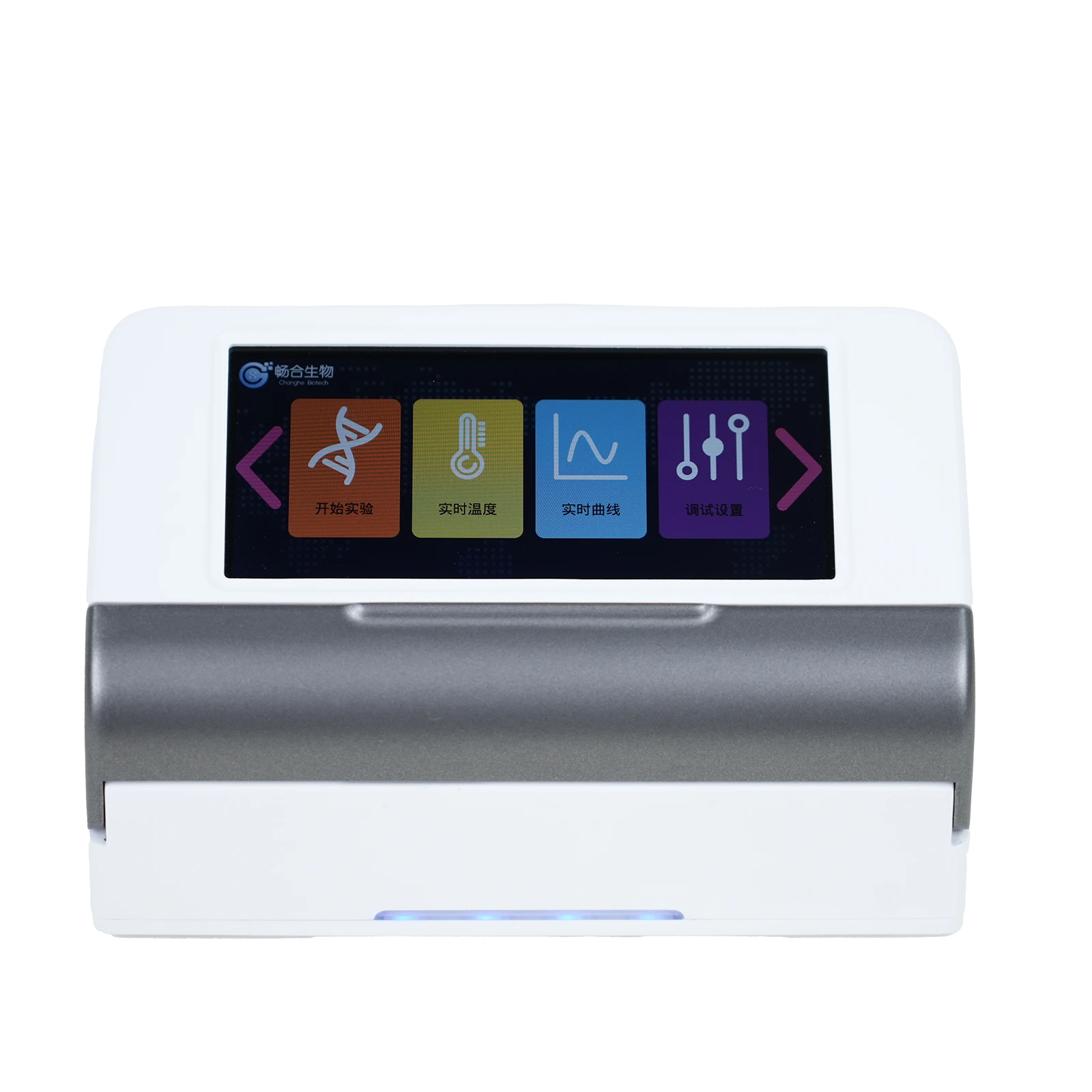
4. Software & Data Analysis Interface
Raw data requires processing—this component helps translate droplet counts into meaningful quantification and statistical confidence, often integrated with user-friendly dashboards.
5. Sample Preparation Accessories
Though sometimes overlooked, consumables like microfluidic chips, reagents, and pipetting tools influence precision and ease of use.
Each element amplifies the overall utility and user confidence of the ddpcr instrument, especially when applied in demanding contexts.
Mini takeaway: The synergy of droplet generation, thermal cycling, fluorescence reading, and smart software forms the technical backbone of robust ddpcr instruments.
Real-World Applications: How ddpcr Instruments Make a Difference
- Healthcare & Oncology: In cancer diagnostics, ddpcr instruments allow for monitoring minimal residual disease with extreme accuracy, guiding patient treatment plans more smartly.
- Infectious Disease Control: During outbreaks like COVID-19, some public health labs used ddpcr for ultra-sensitive viral load detection, helping to identify infections earlier and more reliably.
- Environmental Monitoring: Agencies track waterborne pathogens and genetic markers for pollution using ddpcr to quantify contaminants at trace levels.
- Food Safety: Detecting genetically modified organisms (GMOs) or allergens in food supply chains becomes more precise, ensuring compliance with safety standards.
- Biotech & Pharma R&D: For quality control and validation of gene therapies or novel vaccines, ddpcr instruments help ensure batch consistency.
Regions like North America and Western Europe lead in adoption due to infrastructure, but Asia-Pacific markets are rapidly growing as investments in biotech intensify.
Mini takeaway: ddpcr instruments serve wide-ranging sectors worldwide – from hospitals to environmental agencies, demonstrating versatility and essential accuracy.
Key Advantages and Why They Matter Long-Term
One standout benefit is the ability to provide absolute quantification, meaning there's no need for external calibration curves, which makes results more reproducible and trustworthy. Costs, once prohibitive, have been steadily dropping thanks to tech advances, improving accessibility.
Then there’s sustainability: because ddpcr instruments reduce the need for repeat testing, they save time, reagents, and power—small gains that add up globally in resource conservation.
Socially, applying ddpcr tech promotes safer communities through better disease surveillance and faster food recalls. The instrument fosters an innovative spirit and trust: clinicians can make decisions with confidence, which, oddly enough, improves patient dignity and peace of mind.
Mini takeaway: Beyond precision, ddpcr instruments offer cost efficiency, sustainability, and social benefits, making them a smart long-term investment for labs and organizations alike.
Product Specification Table for a Typical ddpcr Instrument
| Specification | Details |
|---|---|
| Droplet Generation | >20,000 droplets per sample |
| Thermal Cycling Range | 4°C to 98°C ±0.1°C |
| Detection Method | Fluorescence-based Digital Reading |
| Sample Throughput | 96 samples per run |
| Data Analysis | Integrated software with confidence intervals |
| Footprint | ~0.7 m² (compact benchtop) |
| Connectivity | USB, Ethernet, optional Wi-Fi |
Comparing Leading ddpcr Instrument Vendors
| Feature | Vendor A | Vendor B | Vendor C |
|---|---|---|---|
| Max Droplet Count | 25,000 | 20,000 | 22,000 |
| Throughput | 96 samples/run | 48 samples/run | 96 samples/run |
| Software Features | Advanced multiplexing, cloud backup | Basic analysis, local only | Multiplexing, remote diagnostics |
| Price Range | High | Medium | Medium-High |
| Warranty | 3 years | 2 years | 3 years |
The Future: Innovations and Trends Shaping ddpcr Instruments
Automated sample prep and integration with AI-based analytics will probably become standard soon—some startups are racing toward instruments that learn and self-optimize reactions. Green energy usage in ddpcr laboratories is also an emerging push, with solar-powered mini-instruments envisioned for remote or off-grid areas.
Digitization and cloud connectivity expand collaborative research and enable real-time data sharing across borders, crucial in pandemic response scenarios. We're also seeing advances in multiplexing capacity, allowing many targets to be measured in the same run, cutting down lab time and costs substantially.
Mini takeaway: Digital transformation, sustainability, and automation are steering ddpcr instruments toward more user-friendly, eco-conscious, and globally accessible tools.
Challenges and Innovative Solutions in ddpcr Implementation
Current challenges include equipment costs and the learning curve for lab technicians. Sample contamination risk remains an issue with droplet handling, and high-throughput needs sometimes outpace instrument capacity.
Solutions? Many labs now combine the ddpcr instrument with automated liquid handling robots to reduce human error. Training by manufacturers has become more standardized, smoothing adoption. Cost-wise, modular instruments or rental programs offer a stepping stone to entry.
In the end, the value usually outweighs early hurdles—experts suggest ongoing collaboration among manufacturers, users, and regulators to further refine usability and affordability.
Frequently Asked Questions about ddpcr Instrument
- Q1: How does ddpcr differ from traditional qPCR?
- A: ddpcr partitions samples into thousands of droplets, performing PCR in each. This enables absolute quantification without relying on calibration curves, providing higher sensitivity and precision, especially for low abundance targets.
- Q2: Are ddpcr instruments suitable for small clinical laboratories?
- A: Yes, many benchtop models are designed for moderate throughput and straightforward use. Cost and training are considerations, but rentals and training programs help lower these barriers.
- Q3: Can ddpcr instruments detect multiple genetic targets simultaneously?
- A: Many modern ddpcr instruments support multiplexing, allowing several targets to be analyzed in one reaction. This improves efficiency and reduces reagent consumption.
- Q4: What sample types are compatible with ddpcr instruments?
- A: The technology supports a range of samples including blood, tissue biopsies, environmental samples, or food extracts. Proper preparation is key to reliable results.
- Q5: How long does a typical ddpcr run take?
- A: Runs vary but generally take around 2 to 3 hours including droplet generation, PCR cycling, and reading. Improved instruments are increasingly optimizing cycle times.
Wrapping Up: Why ddpcr Instruments Deserve a Spot in Your Lab
So, to sum it up: the ddpcr instrument offers a modern, highly precise, and increasingly accessible way to quantify genetic material that ancient PCR methods just can’t touch. Whether you’re diagnosing cancers, tracking pandemics, or ensuring food safety, these instruments blend technical power with practical usability. The future looks bright — thanks to digital and sustainable innovations — but the key is adopting this tech thoughtfully, with an eye on training and costs.
Ready to explore more? Visit our website: ddpcr instrument for detailed specs, vendor contacts, and support resources.
Thanks for reading all the way through—seems like every lab is eyeing the potential of ddpcr these days... and that’s no surprise.
References
-
Uniplex PCR Equipment for Industrial Biosafety & MonitoringNewsDec.08,2025
-
TB PCR Kit: A Veteran’s Take on Leading Diagnostic ToolsNewsDec.08,2025
-
Stem Loop Rt Pcr – Advanced Molecular Detection Solutions for Industry | Bio Aerosol SamplerNewsDec.08,2025
-
Reliable RT PCR RNA Virus Testing & Bioaerosol Sampling EquipmentNewsDec.07,2025
-
Rt Pcr Monkeypox: Advanced Viral Detection Solutions for B2B IndustriesNewsDec.07,2025
-
RT PCR Kit for Monkeypox Detection – Reliable Diagnostics ToolNewsDec.07,2025