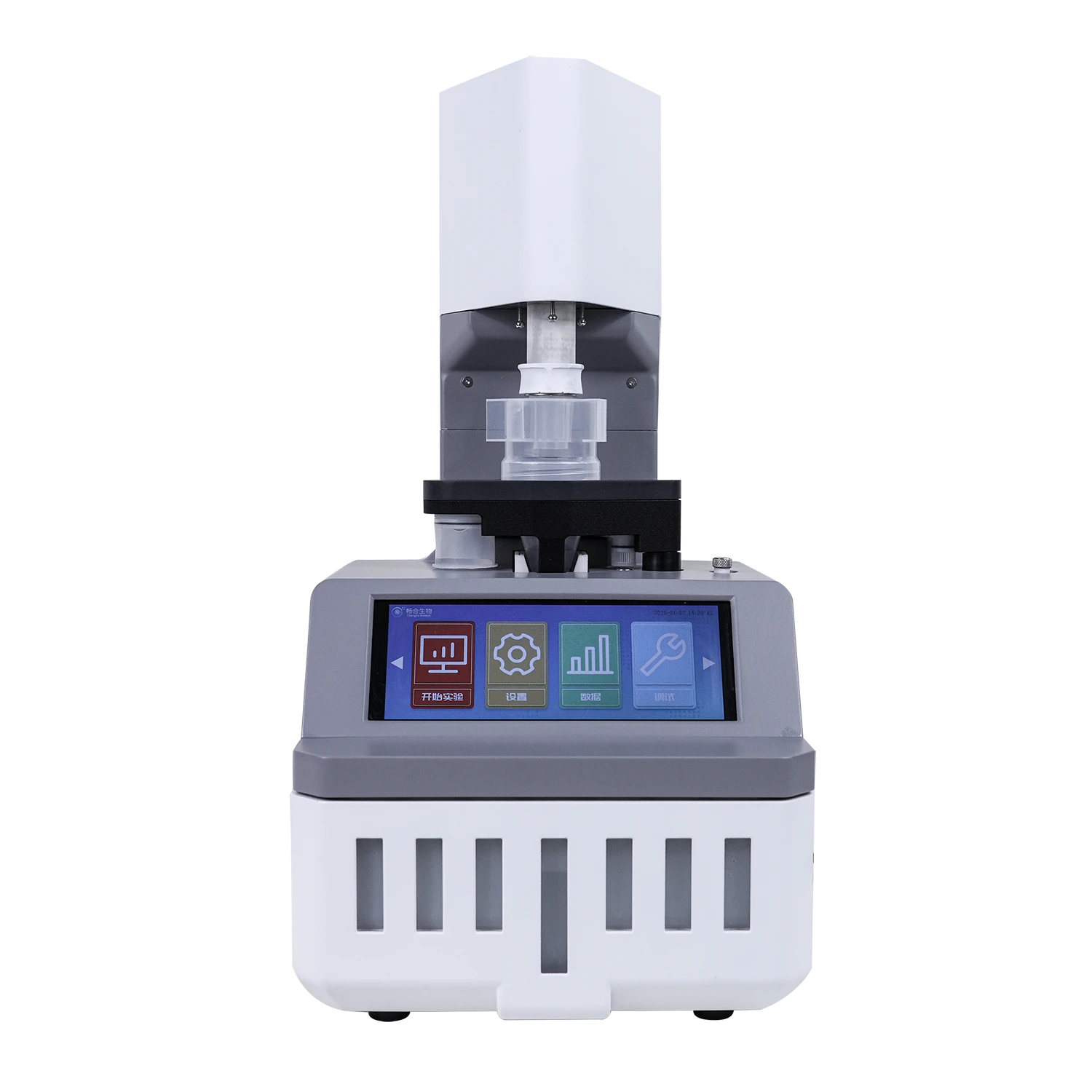

Conventional PCR Machine - Reliable DNA Amplification Tools for Global Health and Research
Nov . 27, 2025 06:30
Back to list
Conventional PCR Machine - Reliable DNA Amplification Tools for Global Health and Research
What’s a Conventional PCR Machine and Why Should You Care?
PCR machines might sound like niche lab equipment, right? But honestly, understanding conventional PCR machines is more relevant than ever — globally and across industries. These workhorses of molecular biology help identify diseases, authenticate food products, even track environmental changes. For public health, agriculture, and research, they’re crucial for timely and accurate DNA amplification. Frankly, PCR tech isn't just about fancy labs anymore; it's about global health security, bio-surveillance, and rapid diagnostics. Knowing what conventional PCR machines do and why they matter is kind of a window into how modern science tackles real-world problems you see in headlines daily.The Global Landscape of Conventional PCR Machines
Around the world, laboratory capabilities directly influence healthcare and research outcomes. The World Health Organization notes PCR use as foundational for disease detection — from HIV to COVID-19. Meanwhile, the UN’s Sustainable Development Goals (SDG) emphasize strengthening health systems, and PCR tech is a pillar in that effort. Interestingly, many regions face hurdles like limited infrastructure and funding to access advanced PCR tools. Conventional PCR machines, valued for reliability and straightforward operation, help bridge this gap. Their adaptability means nations with developing economies can still perform vital diagnostics without breaking the bank. It’s something that underscores a larger issue: accessibility matters as much as innovation. Imagine a remote clinic, armed with a familiar, conventional PCR setup, identifying infectious outbreaks early. The ripples of impact become global.Conventional PCR Machine: What Exactly Is It?
In the simplest terms, a conventional PCR (Polymerase Chain Reaction) machine is a thermal cycler. It sequentially heats and cools DNA samples allowing targeted DNA sequences to be copied exponentially. Picture it like a copy machine for genetic material, except the originals are tiny, and the copies reveal clues no one else can see. Unlike high-throughput real-time PCR devices, conventional PCR machines focus on endpoint analysis — meaning you see DNA results after the run completes, often through gel electrophoresis. They remain the backbone for labs focusing on genotyping, pathogen detection, and basic research. Lots of molecular testing still depends on them, especially when cost, tried-and-true technology, and ease of use outweigh bells and whistles.Durability: Built to Last in Diverse Conditions
One thing that stands out is their rugged build. Conventional PCR machines are designed for consistent cycles — 20 to 40 repeats of temperature shifts — without overheating or drift. Many models feature aluminum blocks for even heat distribution and long-term durability. This matters when labs operate in fluctuating environments, from tropical disease centers to industrial research hubs.Scalability: Small Lab to Medium Throughput
They mostly handle 96 samples or fewer per batch, which suffices for many diagnostic or research needs. While not as scalable as qPCR machines, their modularity allows straightforward upgrades. You can add sample plates or new block formats for different tube sizes or plates.Cost Efficiency: Affordable Without Sacrificing Performance
A conventional PCR machine still costs considerably less than more advanced real-time systems. For many institutions, that affordable price tag ensures regular testing can continue uninterrupted. The reagents, too, are generally standard and widely available, helping control overall outlay.User Friendliness: Simple Interface, Minimal Training
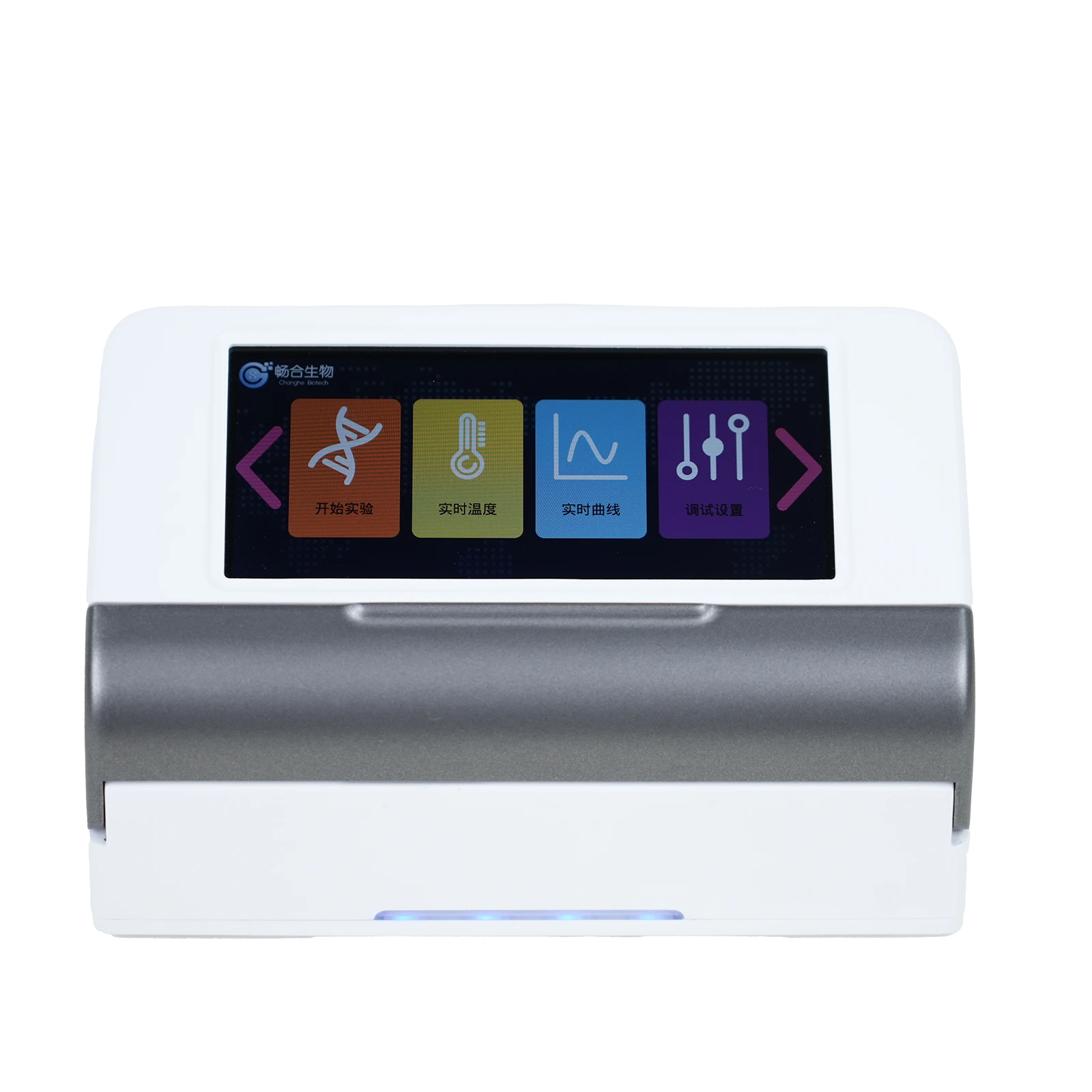
Most models sport intuitive controls: digital touchscreens, preset protocols, and basic programming. It means technicians with minimal molecular biology experience can operate them confidently. This lowers barriers in smaller clinics or field labs.How Conventional PCR Machines Are Used Around the World
The real magic is how these devices serve diverse needs globally. - Healthcare and Diagnostics: From rural hospitals in Africa to clinics in Southeast Asia, conventional PCR machines help detect infectious diseases — malaria, tuberculosis, HPV — swiftly enough to inform treatment. - Food Safety and Agriculture: Inspectors confirm contamination or genetically modified organisms by amplifying DNA signatures. - Environmental Monitoring: Researchers detect endangered species’ genetic material in water samples, tracking biodiversity. - Academic and Industrial R&D: Universities and companies use these machines in genetics research, pharma, and biotechnology innovation. Oddly enough, some humanitarian NGOs consider PCR essential for disaster relief teams to rapidly assess disease outbreaks after flooding or earthquakes. The reliability and portability of conventional PCR machines shine where larger, more complex devices might fail.Mini Takeaway:
Conventional PCR machines, while technology isn’t flashy, remain indispensable across global health, agriculture, and environment sectors due to their versatility and accessibility.
Advantages and Long-Term Value of Conventional PCR Machines
Let’s be honest: laboratory investment decisions hinge on ROI and reliability. Here’s why conventional PCR continues winning hearts and budgets: - Cost Savings: Lower purchase and maintenance costs make continual testing achievable, even in tight budgets. - Durability and Longevity: Machines often operate reliably for years, minimizing downtime and disruptions. - Proven Technology: It’s vetted and well-understood, lending trust to results critical in healthcare and research. - Global Support Network: Spare parts, consumables, and technical advice are more plentiful than with niche or newer models. - Safety and Dignity: Early pathogen detection via PCR supports effective treatment, preserving human life and dignity. - Scalable Innovation: As labs grow, conventional devices adapt well alongside newer tech integration.Looking Ahead: Trends Worth Watching in PCR Technology
Though "conventional" sounds like the starting line, innovation never stops. We see: - Green Energy Solutions: Energy-efficient heating blocks lower power consumption — crucial in labs off the grid. - Automation Integration: Automatic sample loaders and software make analyses faster and reduce human error. - Digital Upgrades: Remote monitoring, IoT connectivity, and AI-assisted protocol optimization are on the horizon. - Sustainable Materials: Using recycled metals and biodegradable plastics for components to reduce environmental impact. Basically, the familiar PCR machine is quietly evolving to meet 21st-century needs — I suppose like an old car getting a hybrid engine retrofit.Challenges We Can’t Ignore (and Some Clever Fixes)
It’s not all sunshine and smooth results: - Speed: Conventional PCR can take hours per run versus faster qPCR. Labs needing rapid turnaround sometimes struggle. - Interpretation: Endpoint results require gel analysis, adding steps and potential for human error. - Resource Dependency: Stable electricity and consumables are still necessary, limiting some deployments. Solutions? Labs now combine conventional PCR with smartphone gel imaging or low-cost solar power units. Some startups offer portable PCR kits with lyophilized reagents needing minimal cold chain. It feels like DIY molecular biology is no longer sci-fi.Product Specifications: Typical Conventional PCR Machine Model
| Feature | Specification |
|---|---|
| Sample Capacity | 96 wells (standard 0.2 mL tubes) |
| Temperature Range | 4°C to 99°C |
| Ramp Rate | 2.5 - 5°C/second |
| User Interface | Digital touchscreen with preset protocols |
| Power Supply | 110-240 V AC, 50/60 Hz |
| Dimensions | 35 x 40 x 25 cm (WxDxH) |
How Vendors Stack Up: A Quick Comparison
| Vendor | Price Range | Sample Capacity | Notable Features | Warranty |
|---|---|---|---|---|
| BioTech Instruments | $3,000 - $5,000 | 96-well | Touchscreen UI, USB connectivity | 2 years |
| LabMaster Tech | $2,500 - $4,500 | 48 to 96 wells | Fast ramp rate, preset protocols | 18 months |
| EcoLab Devices | $3,200 - $5,200 | 96-well | Energy-saving mode, ergonomic design | 3 years |
FAQ: Practical Questions About Conventional PCR Machines
- Q: How long does a typical conventional PCR run take?
A: Most protocols run between 1.5 to 3 hours, depending on the number of cycles and gene targets. It’s slower than real-time PCR but widely sufficient for many diagnostic and research workflows. - Q: Can conventional PCR machines be used in field diagnostics?
A: Absolutely, especially with portable models and power solutions like battery or solar setups. Their simplicity and robustness make them ideal where quick DNA amplification is needed without advanced infrastructure. - Q: What kind of maintenance does a conventional PCR machine require?
A: Routine cleaning of the heated block, software updates, and calibration every 6-12 months keep the machine performing optimally. Most issues relate to worn seals or temperature sensor drift, which vendors typically cover under warranty. - Q: How does conventional PCR differ from real-time PCR?
A: Conventional PCR detects DNA after the run completes — usually via gel electrophoresis — whereas real-time PCR measures DNA amplification in real-time, offering quicker, quantitative results but at higher cost and complexity.
Wrapping It Up: Why Conventional PCR Machines Still Matter
In a world fascinated by the latest, flashiest biotech gadget, conventional PCR machines quietly keep the lights on — enabling diagnostics, research, and public health worldwide. Their balance of reliability, affordability, and simplicity make them essential tools, particularly in resource-limited settings. If you’re interested in boosting your lab’s capability with proven, dependable equipment, why not explore the options at conventional pcr machine? Sometimes sticking to the classics means stepping confidently into the future.References & Suggested Reading
Latest news
-
Uniplex PCR Equipment for Industrial Biosafety & MonitoringNewsDec.08,2025
-
TB PCR Kit: A Veteran’s Take on Leading Diagnostic ToolsNewsDec.08,2025
-
Stem Loop Rt Pcr – Advanced Molecular Detection Solutions for Industry | Bio Aerosol SamplerNewsDec.08,2025
-
Reliable RT PCR RNA Virus Testing & Bioaerosol Sampling EquipmentNewsDec.07,2025
-
Rt Pcr Monkeypox: Advanced Viral Detection Solutions for B2B IndustriesNewsDec.07,2025
-
RT PCR Kit for Monkeypox Detection – Reliable Diagnostics ToolNewsDec.07,2025