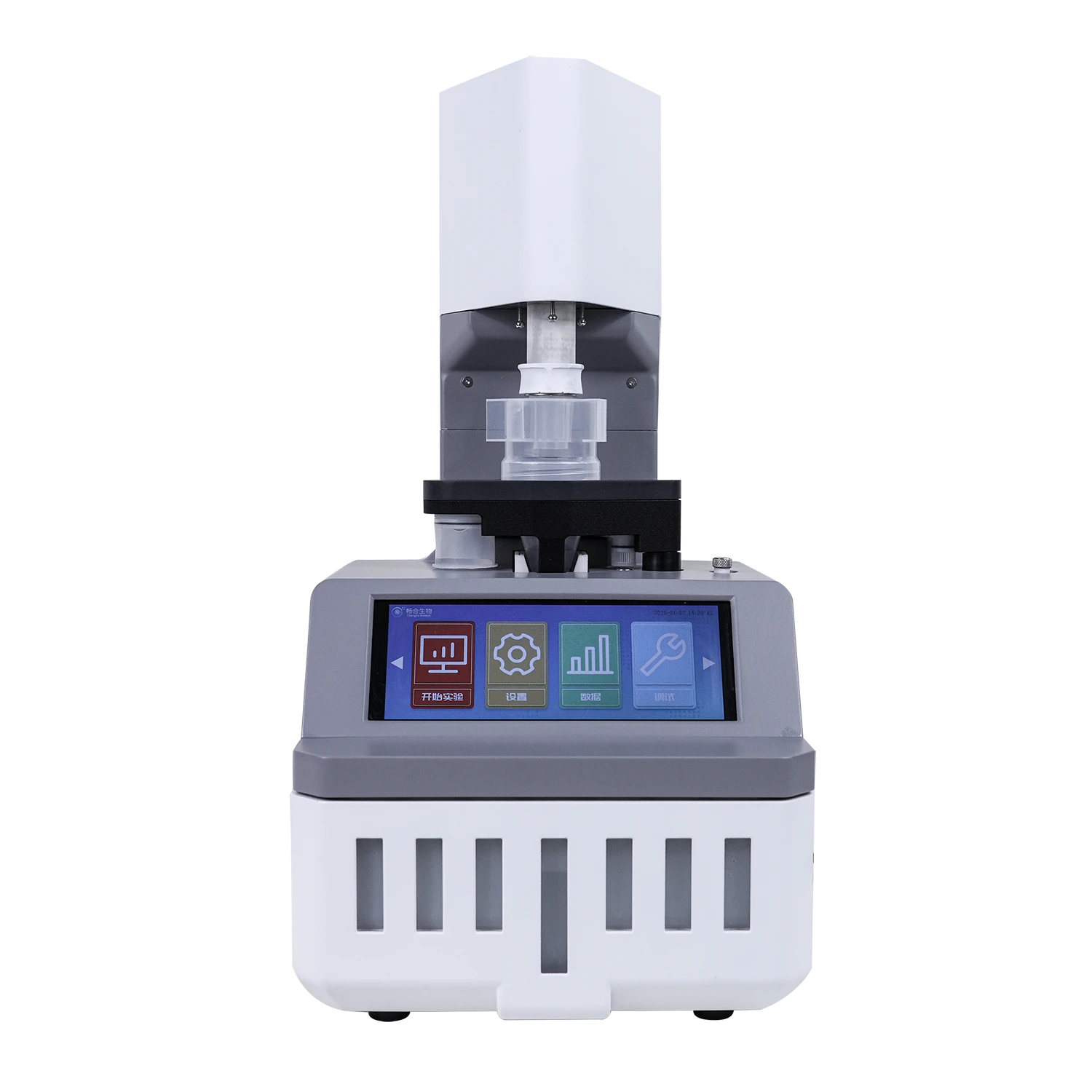

Discover the Power and Promise of dna pcr machine Technology
Why dna pcr machines matter now more than ever
The dna pcr machine — a tool that sounds complicated but is truly one of the unsung heroes in science and medicine — has become a backbone for solutions globally. It helps detect diseases, identify pathogens, and push forward innovations in everything from healthcare to environmental monitoring. Frankly, understanding how this technology works and why it’s vital feels like having a backstage pass to the future of diagnostics and biotech.
But why does it matter on a global scale? It all boils down to timely, reliable, and accurate DNA amplification. In pandemics, forensic labs, food safety, or wildlife conservation, the ability to analyze tiny snippets of genetic material rapidly can be the difference between containment and crisis.
Mini takeaway: A dna pcr machine isn’t just lab jargon; it’s the tiny powerhouse helping save lives and advance research worldwide.
Understanding the growing role of dna pcr machines worldwide
According to the World Health Organization, the demand for rapid, precise molecular diagnostics has exploded in the past decade, especially during the COVID-19 pandemic. PCR (polymerase chain reaction) technology enabled governments and hospitals to perform millions of tests quickly, providing crucial data for public health decisions.
But the relevance of dna pcr machines doesn’t stop there. The UN’s Food and Agriculture Organization highlights their use in detecting genetically modified organisms (GMOs), tracing foodborne pathogens, and ensuring food safety, which is critical as global food chains become increasingly complex. Meanwhile, environmental agencies use these machines to track endangered species through environmental DNA (eDNA) in water—a technique that’s growing fast.
Still, challenges remain. Many regions face bottlenecks due to expensive equipment, lack of trained personnel, or fragile supply chains. That’s why improvements and innovations in PCR machines aren’t just a tech issue but a global imperative.
Mini takeaway: PCR machines have become indispensable across industries, yet accessibility and cost remain hurdles to overcome.
What exactly is a dna pcr machine?
At its core, a dna pcr machine is an instrument designed to amplify specific segments of DNA — basically copying tiny amounts into millions of copies so researchers can study them in detail. Imagine photocopying a single page hundreds of times so you can hand it out for analysis. That’s PCR.
PCR machines work by repeatedly heating and cooling DNA samples to separate strands, allow primers to bind, and extend new DNA copies using an enzyme called DNA polymerase. This thermal cycling amplifies targeted DNA regions exponentially.
Its uses range from medical diagnostics (like detecting viruses) to forensic analysis, agricultural biotech, and even paleontology. In humanitarian contexts, rapid DNA tests powered by PCR machines identify pathogens during outbreaks, speeding up responses that can save lives and reduce suffering.
Mini takeaway: Though seemingly technical, the dna pcr machine is a replicator — a device amplifying DNA to reveal life’s microscopic secrets.
Key factors defining dna pcr machines
1. Accuracy and Sensitivity
At the heart of any PCR machine's value is its ability to detect incredibly small amounts of DNA without false positives or negatives. High accuracy means confidence in results—critical when testing patients or food samples.
2. Thermal Cycling Efficiency
Speedy and precise temperature changes define throughput. Faster thermal cycling leads to quicker test results, which is vital in clinical or emergency settings.
3. Portability and Size
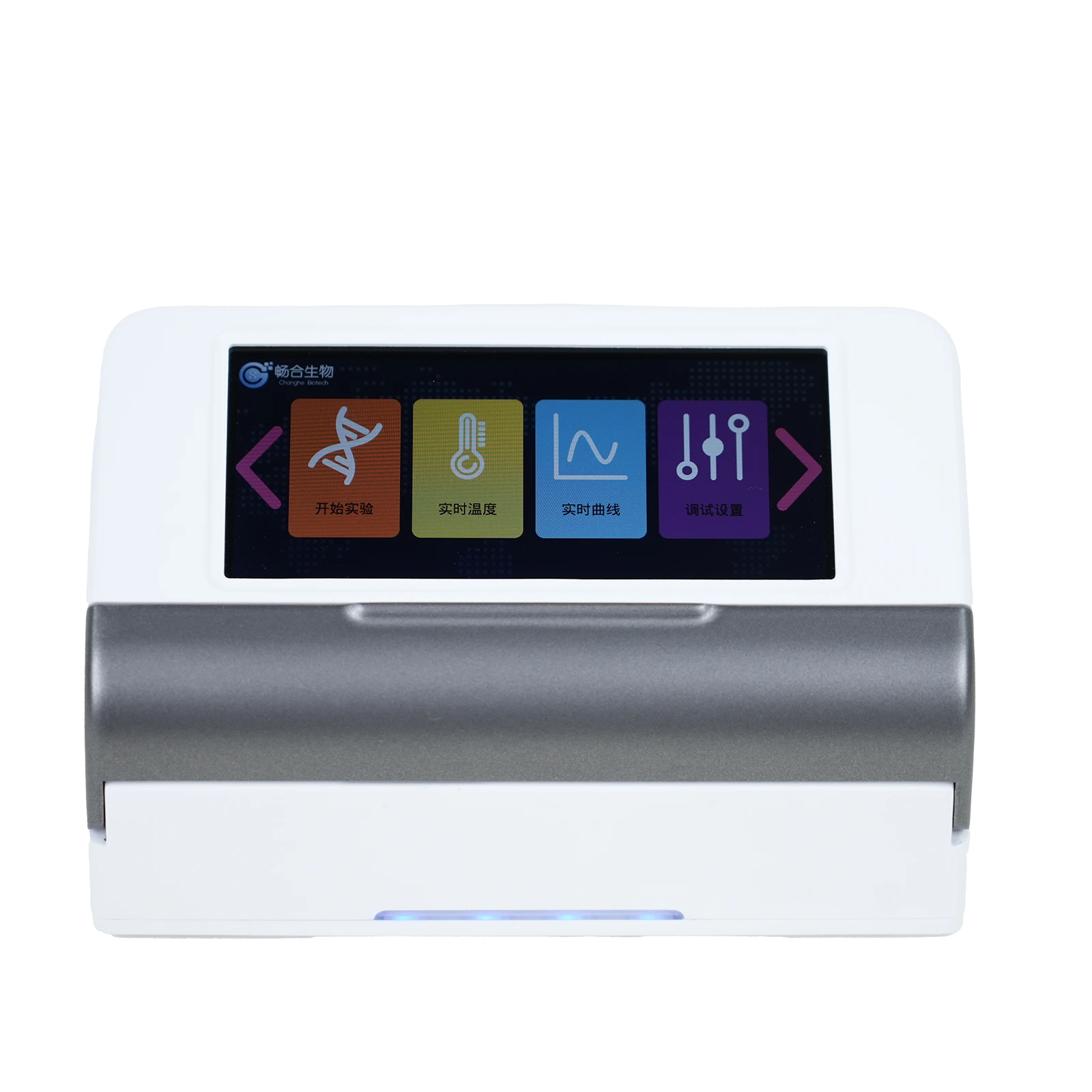
Traditional PCR machines are bulky, but newer models are compact and can even be handheld. This miniaturization expands applications, especially in fieldwork or remote clinics.
4. Multiplexing Capacity
The ability to test multiple DNA targets simultaneously increases efficiency and saves time and resources. Many modern PCR machines support multiplex assays.
5. User Interface and Automation
Intuitive controls and automation features reduce user errors and training needs. Touchscreens, software integration, and connectivity features are increasingly common.
6. Cost and Maintenance
Cost-effectiveness not just in purchase price but in consumables, power consumption, and upkeep matters, especially for budget-limited labs.
Mini takeaway: Choosing a dna pcr machine depends on balancing speed, accuracy, portability, and cost — the classic engineering tightrope.
How dna pcr machines power global applications
From bustling urban hospitals to remote research stations, DNA PCR machines are transforming how we study and protect life. Consider these snapshots:
- Healthcare: In Africa, rapid PCR-based diagnostics for malaria and HIV offer earlier detection, improving treatment outcomes.
- Food Safety: European food agencies regularly use PCR machines to detect contaminants and GMO materials, maintaining public trust.
- Wildlife Conservation: Organizations in the Amazon utilize portable PCR devices to monitor endangered amphibian populations via environmental DNA.
- Disaster Recovery: During outbreaks following natural disasters in Southeast Asia, mobile PCR labs enable fast pathogen identification.
- Research and Academia: Universities worldwide rely on advanced PCR setups to push genetic and biomedical research forward daily.
Even law enforcement agencies use PCR testing in forensic casework, showing how versatile this technology is.
Mini takeaway: The ubiquity of dna pcr machines across sectors underscores their transformative impact—from health to environment and beyond.
Advantages and long-term value of dna pcr machines
Sure, technical specs tell part of the story, but the true value of these machines often lies deeper:
- Reliability: Consistent, accurate detection builds trust in diagnostics and research alike.
- Speed: Faster time to results accelerates decision-making and patient care.
- Cost Savings: Early, precise detection reduces unnecessary treatments and interventions.
- Sustainability: Portable and energy-efficient models lower environmental footprints.
- Societal Impact: Facilitating disease control strengthens communities and preserves dignity.
Emotionally, it feels reassuring to know that such powerful tools are in use—whether managing pandemics or ensuring our food is safe. The dna pcr machine, quietly but assertively, shapes safer, healthier futures.
What’s next? Trends and innovations in dna pcr machines
Innovation doesn’t stop — in fact, this sector is buzzing. Here are some exciting directions:
- Digital PCR: Offering even higher sensitivity by partitioning samples into thousands of tiny reactions, enabling absolute quantification.
- Integration with AI: Smart software predicts and optimizes PCR cycles, reducing errors and human intervention.
- Green PCR: Machines designed with low power consumption, recyclable materials, and reduced reagent waste.
- Lab-on-a-chip Technologies: Miniaturized PCR platforms that fit into portable diagnostics kits, democratizing access.
- Automation & Connectivity: Remote monitoring, cloud data sharing, and robotic sample handling improve workflow and data integrity.
Honestly, as these trends mature, I expect PCR-based testing to be as routine and accessible as a thermometer check, but vastly more informative.
Facing challenges head-on
Still, not all is rosy. Some sticking points remain with PCR machines:
- High upfront cost: Many labs in low-resource settings find advanced machines prohibitively expensive.
- Training requirement: Operating PCR machines and interpreting results require expertise that isn’t always available.
- Supply chain vulnerabilities: Reagents and parts can be scarce during crises.
- Contamination risks: High sensitivity means the potential for false positives if protocols slip.
Innovative solutions include open-source PCR designs, remote training modules, and reagent kits that don’t need refrigeration. Organizations are also partnering to develop “PCR testing hubs” to decentralize access and reduce bottlenecks.
Mini takeaway: Challenges persist but push innovation and collaboration forward, slowly turning obstacles into stepping stones.
Frequently Asked Questions About dna pcr machines
Q1: How long does a typical dna pcr machine test take?
A: Most conventional PCR tests take roughly 1.5 to 3 hours depending on the protocol and machine speed. Some rapid PCR devices can deliver results in under 45 minutes, ideal for urgent diagnostics.
Q2: Are dna pcr machines portable for field use?
A: Yes! While traditional PCR units are lab-bound, many manufacturers now offer portable or handheld PCR machines designed for point-of-care or environmental testing in remote locations.
Q3: What maintenance do dna pcr machines require?
A: Routine calibration, cleaning of optical sensors, and occasional replacement of components like heating blocks are typical. Proper handling and adherence to maintenance schedules ensure reliable performance.
Q4: Can one dna pcr machine test multiple DNA targets at once?
A: Yes, many modern PCR machines support multiplexing, which allows the detection of multiple DNA sequences simultaneously, saving time and reagents.
Q5: How do I choose the right dna pcr machine for my lab?
A: Consider factors like throughput needs, portability, sensitivity, budget, and user-friendliness. It’s best to consult with vendors and possibly test demo units before purchase.
Comparing popular dna pcr machine vendors
| Vendor | Model | Max Sample Capacity | Run Time | Portability | Price Range |
|---|---|---|---|---|---|
| BioFast Tech | FAST-96 | 96 wells | 90 minutes | Bench-top | $12,500 – $15,000 |
| GeneStream | MiniLab Pro | 16 wells | 45 minutes | Portable | $8,000 – $11,000 |
| EnviroCheck | EcoPCR 24 | 24 wells | 75 minutes | Bench-top | $10,000 – $13,000 |
Typical specifications of a dna pcr machine
| Specification | Details |
|---|---|
| Thermal cycling range | 4°C to 99°C |
| Ramp rate | Up to 5°C/second |
| Sample formats | Microtubes, 96-well plates, strip tubes |
| Detection method | Fluorescence-based (real-time PCR) |
| Software compatibility | Windows/macOS with cloud export options |
| Power consumption | 100–240V AC, 50/60 Hz, max 150W |
For anyone looking to dive deeper or even consider purchasing, a quick browse on dna pcr machine offerings online can reveal new models that blend some of these features with emerging tech trends.
Final thoughts
To wrap it up: dna pcr machines are quietly changing the way we perceive diagnostics, environmental science, and research. They combine speed with precision and are becoming more accessible by the day. As innovations continue, expect these devices to play an even bigger role—from pandemic response to food security and beyond.
If you’re curious to explore the newest dna pcr machines, dive deeper into specs, or just want to know what’s hot in the industry, feel free to visit our recommended site for comprehensive solutions: dna pcr machine.
References:
1. World Health Organization (WHO)
2. Food and Agriculture Organization (FAO)
3. Wikipedia: PCR
-
Uniplex PCR Equipment for Industrial Biosafety & MonitoringNewsDec.08,2025
-
TB PCR Kit: A Veteran’s Take on Leading Diagnostic ToolsNewsDec.08,2025
-
Stem Loop Rt Pcr – Advanced Molecular Detection Solutions for Industry | Bio Aerosol SamplerNewsDec.08,2025
-
Reliable RT PCR RNA Virus Testing & Bioaerosol Sampling EquipmentNewsDec.07,2025
-
Rt Pcr Monkeypox: Advanced Viral Detection Solutions for B2B IndustriesNewsDec.07,2025
-
RT PCR Kit for Monkeypox Detection – Reliable Diagnostics ToolNewsDec.07,2025