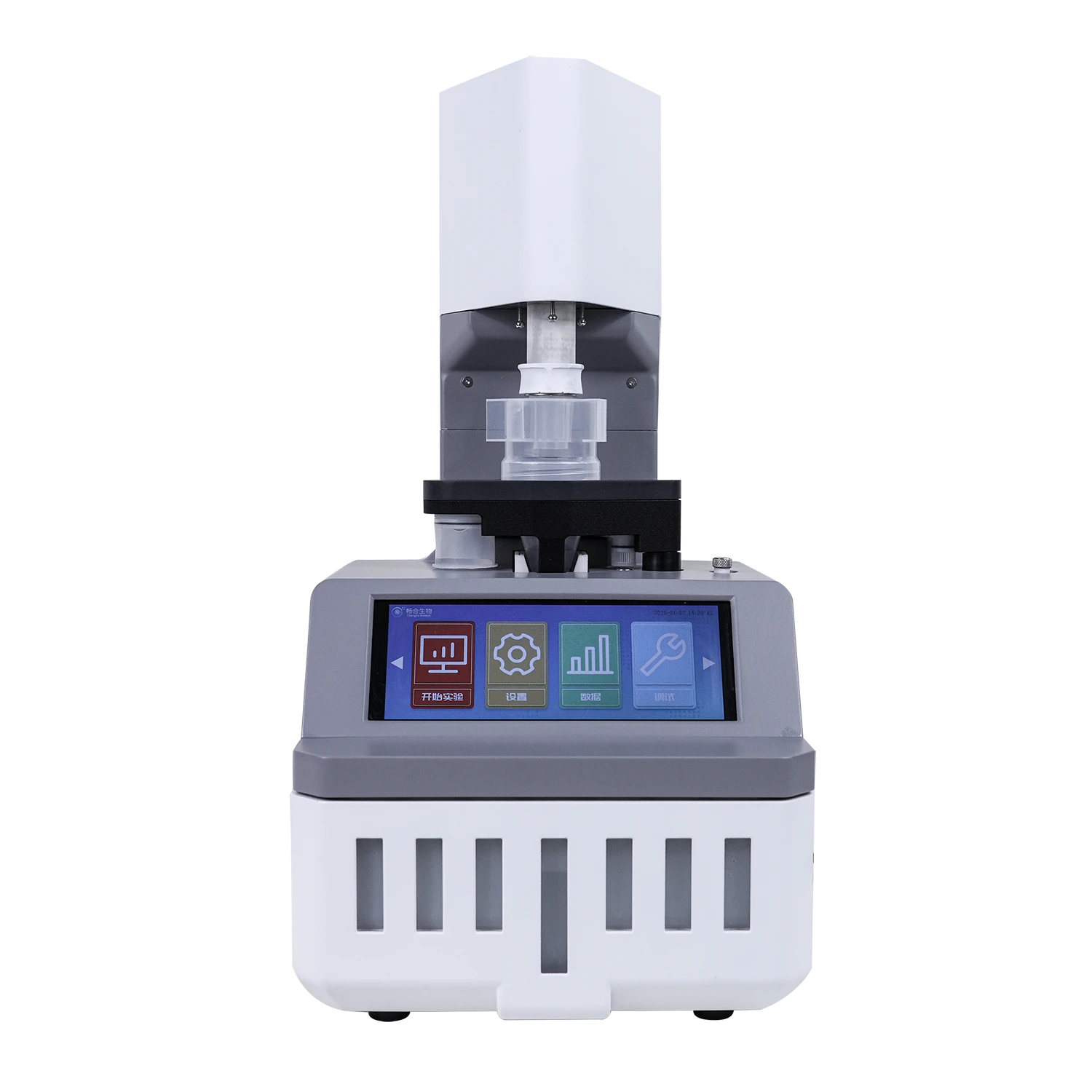

Fast PCR Machine: Revolutionizing Rapid Diagnostic Testing Worldwide
Understanding the Impact of a Fast PCR Machine in Today’s World
It might sound a bit technical at first blush, but the fast PCR machine is quietly revolutionizing how we detect and respond to diseases worldwide. To put it simply, this device speeds up the process of Polymerase Chain Reaction (PCR), a method used to amplify DNA sequences. Why does this matter? Well, in a global landscape still wrestling with pandemics, emerging diseases, and outbreaks, being able to quickly identify pathogens means saving lives and resources.
Grasping the benefits of these machines isn’t just for laboratory buffs — it’s crucial for public health agencies, hospitals, and even disaster response teams globally. With faster test results, decisions get made sooner, treatments begin earlier, and the ripple effects reduce economic strain and social disruption.
Mini takeaway: The fast PCR machine isn’t just lab jargon; it’s a frontline warrior in global health emergencies and everyday diagnostic accuracy.
The Global Context: Why Fast PCR Machines Are More Relevant Than Ever
Globally, infectious diseases remain one of the top causes of mortality. According to the World Health Organization (WHO), timely diagnosis reduces transmission and boosts treatment efficacy ([source](https://www.who.int)). In recent years, the COVID-19 pandemic threw the spotlight on the limits of slow testing methods. Delays in results meant delayed isolation and treatment.
Here’s where the fast PCR machine shines — slashing testing time from hours to often less than an hour. The World Bank estimates that fast diagnostic tools can potentially save billions in healthcare costs and lost productivity annually ([source](https://data.worldbank.org)). Yet, many regions still struggle without access to affordable, portable, and rapid PCR machines.
Mini takeaway: In real terms, investing in fast PCR technologies isn’t just smart; it’s essential to fighting global health crises and supporting economic resilience.
What Is a Fast PCR Machine? Simplifying the Science
Okay, breaking it down: a fast PCR machine is an advanced device that speeds up the traditional PCR testing process, mainly by optimizing thermal cycling — that’s heating and cooling the sample to multiply DNA rapidly. You can picture it as a highly specialized coffee machine that brews your espresso in half the time without compromising the taste.
Its broad use extends beyond clinical labs — including food safety checks, forensic labs, environmental monitoring, and even biotech research. The core need is to get reliable DNA or RNA test results fast, which helps with timely decision-making.
Mini takeaway: It’s essentially PCR technology on steroids — faster, smarter, but fundamentally doing the same job of reading tiny genetic instructions.
Key Factors Defining High-Performance Fast PCR Machines
1. Speed and Throughput
By far the headline feature. A fast PCR machine typically performs amplification in less than 30 minutes compared to 1-2 hours for standard devices. Throughput — how many samples can be processed simultaneously — also varies, impacting lab efficiency.
2. Portability and Durability
Especially critical for field use or disaster zones. Smaller footprint, battery-powered options offer flexibility but still need rugged builds to withstand harsh environments.
3. Sensitivity and Accuracy
Speed is great but not at the expense of precise detection of low viral loads or contaminants. High sensitivity ensures reliable diagnosis, which is vital for screening asymptomatic carriers or environmental samples.
4. Cost Efficiency and Maintenance
Ongoing expenses like reagent use, calibration, and repairs add up. Machines designed with cost-effective consumables and minimal maintenance demands save time and budgets.
5. User Interface and Software Integration
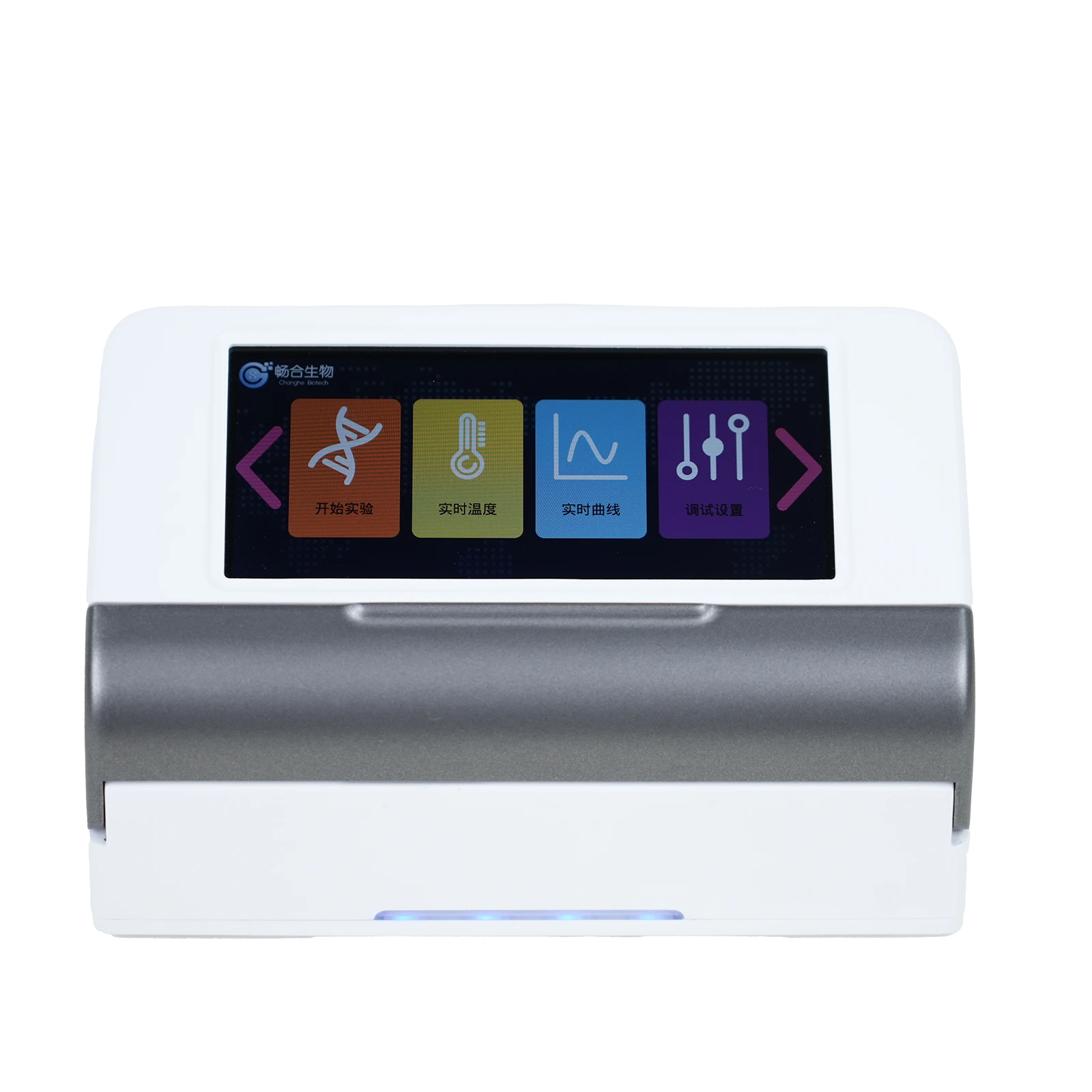
Modern fast PCR machines increasingly offer user-friendly touchscreens, data export options, and compatibility with electronic health records or cloud-based databases — critical for timely data sharing.
Mini takeaway: When choosing a fast PCR machine, don’t just chase speed; a balanced machine built for real-world application matters most.
How Are Fast PCR Machines Shaping Real-World Applications?
In public health, they’re game changers for speedy diagnosis of infectious diseases like influenza, COVID-19, or tuberculosis. During natural disasters, mobile labs equipped with fast PCR devices can test water and air samples on-site, preventing outbreaks.
Developing nations with limited lab infrastructure benefit enormously, allowing quicker patient triage and treatment. In industrial sectors, rapid food pathogen testing ensures safety standards without long delays that might spoil shipments.
A quick anecdote: A rural clinic in Sub-Saharan Africa once doubled its testing capacity overnight after receiving a portable fast PCR machine, dramatically cutting patient wait times and speeding treatment decisions.
Mini takeaway: The versatility and impact of fast PCR technology span continents and sectors, making it truly a global healthcare equalizer.
Why Investing in Fast PCR Machines Pays Off Long-Term
- Cost savings: Faster turnaround times reduce hospital stays and prevent costly outbreaks.
- Sustainability: Devices designed for lower energy consumption and reduced reagent waste lessen environmental footprints.
- Trust and safety: Reliable rapid diagnostics restore confidence in health systems and protect vulnerable populations.
- Innovation: Encourages continued development in biotech fields, fostering economic growth and scientific progress.
Frankly, in an era that demands more agile responses, fast PCR machines offer a blend of tech savvy and humanitarian value — which is rare, but so needed.
Fast PCR Machines: What Does the Future Hold?
Looking ahead, expect even smarter PCR machines combining AI for result interpretation, cloud-based epidemiological tracking, and greener manufacturing processes. Integration with smartphone apps could bring diagnostics fully to the patient’s pocket.
Automation and miniaturization will allow remote and resource-poor areas unparalleled access to molecular testing. Plus, emerging materials like graphene sensors might step in to boost speed or sensitivity further.
Mini takeaway: The fast PCR machine landscape is evolving fast, promising ever more democratic access and powerful diagnostic tools worldwide.
Common Challenges and How Experts Recommend Overcoming Them
Speed can sometimes cause technical trade-offs such as increased error rates or device heating issues. Some machines require expensive consumables, making scaling difficult for some regions.
Experts advocate for open-source designs, reagent sharing programs, and robust training for operators in remote settings. Collaborative innovation between NGOs, governments, and manufacturers also paves a smoother path for deployment.
In short, challenges remain, but the community is very much on the case.
Fast PCR Machine FAQ: Your Top Concerns Answered
- How fast is “fast” with these PCR machines?
- Typically, fast PCR machines complete the amplification process in 15–45 minutes, compared to 1–2 hours for conventional systems. This speed depends on the technology and sample type.
- Are portable fast PCR machines as accurate as lab-based systems?
- Yes, many portable fast PCR devices match lab standards in sensitivity and specificity, but it’s crucial to ensure proper calibration and operator training.
- Can I use a fast PCR machine for multiple types of pathogens?
- Most fast PCR machines are versatile and can be programmed to detect various DNA or RNA targets, including viruses, bacteria, or genetically modified organisms.
- What maintenance does a fast PCR machine require?
- Regular cleaning, software updates, and calibration are typical. However, many modern units are designed for low maintenance, especially field models.
- How easy is it to integrate fast PCR machines into existing health systems?
- Integration depends on software compatibility and data management infrastructure but manufacturers increasingly offer flexible solutions for electronic record keeping and reporting.
Wrapping Up: Why the Fast PCR Machine Is a Critical Investment
In the big picture, embracing fast PCR technology means stepping into a future where diagnosis no longer lags dangerously behind disease progression. It’s a marriage of speed, accuracy, and usability — capable of reshaping healthcare delivery, food safety, and environmental monitoring.
If you’re curious to explore fast PCR machine options, or want to deepen your understanding of their capabilities and applications, visit our website: fast pcr machine. There you’ll find a range of models suited for different needs, backed by expert support.
Fast PCR Machine Product Specification Table
| Specification | Model Alpha | Model Beta | Model Gamma |
|---|---|---|---|
| Amplification Time | 18 minutes | 25 minutes | 30 minutes |
| Sample Capacity | 16 samples | 24 samples | 8 samples |
| Portability | Compact, battery powered | Benchtop | Handheld |
| Sensitivity | 99.8% | 99.5% | 99.0% |
| Maintenance | Low, auto-cleaning | Moderate, manual | Minimal |
Vendor Comparison Table: Fast PCR Machine Options
| Vendor | Price Range | Global Support | Warranty | Notable Feature |
|---|---|---|---|---|
| SpeedLab Technologies | $12,000 - $20,000 | Yes, 24/7 | 3 years | AI-assisted analysis |
| RapidGen Instruments | $8,000 - $15,000 | Regional | 2 years | Portable, rugged design |
| BioFast Solutions | $10,000 - $18,000 | Yes, global | 5 years | Cloud connectivity |
References
- World Health Organization - Infectious Diseases
- World Bank Data on Healthcare
- Wikipedia - Polymerase Chain Reaction
In all, fast PCR machines stand at the crossroads of technology and timely response — quietly changing the way labs operate and society safeguards health. Whether it’s a bustling urban hospital or a remote clinic in need of rapid answers, these devices hold promise you don’t want to overlook.
-
Uniplex PCR Equipment for Industrial Biosafety & MonitoringNewsDec.08,2025
-
TB PCR Kit: A Veteran’s Take on Leading Diagnostic ToolsNewsDec.08,2025
-
Stem Loop Rt Pcr – Advanced Molecular Detection Solutions for Industry | Bio Aerosol SamplerNewsDec.08,2025
-
Reliable RT PCR RNA Virus Testing & Bioaerosol Sampling EquipmentNewsDec.07,2025
-
Rt Pcr Monkeypox: Advanced Viral Detection Solutions for B2B IndustriesNewsDec.07,2025
-
RT PCR Kit for Monkeypox Detection – Reliable Diagnostics ToolNewsDec.07,2025