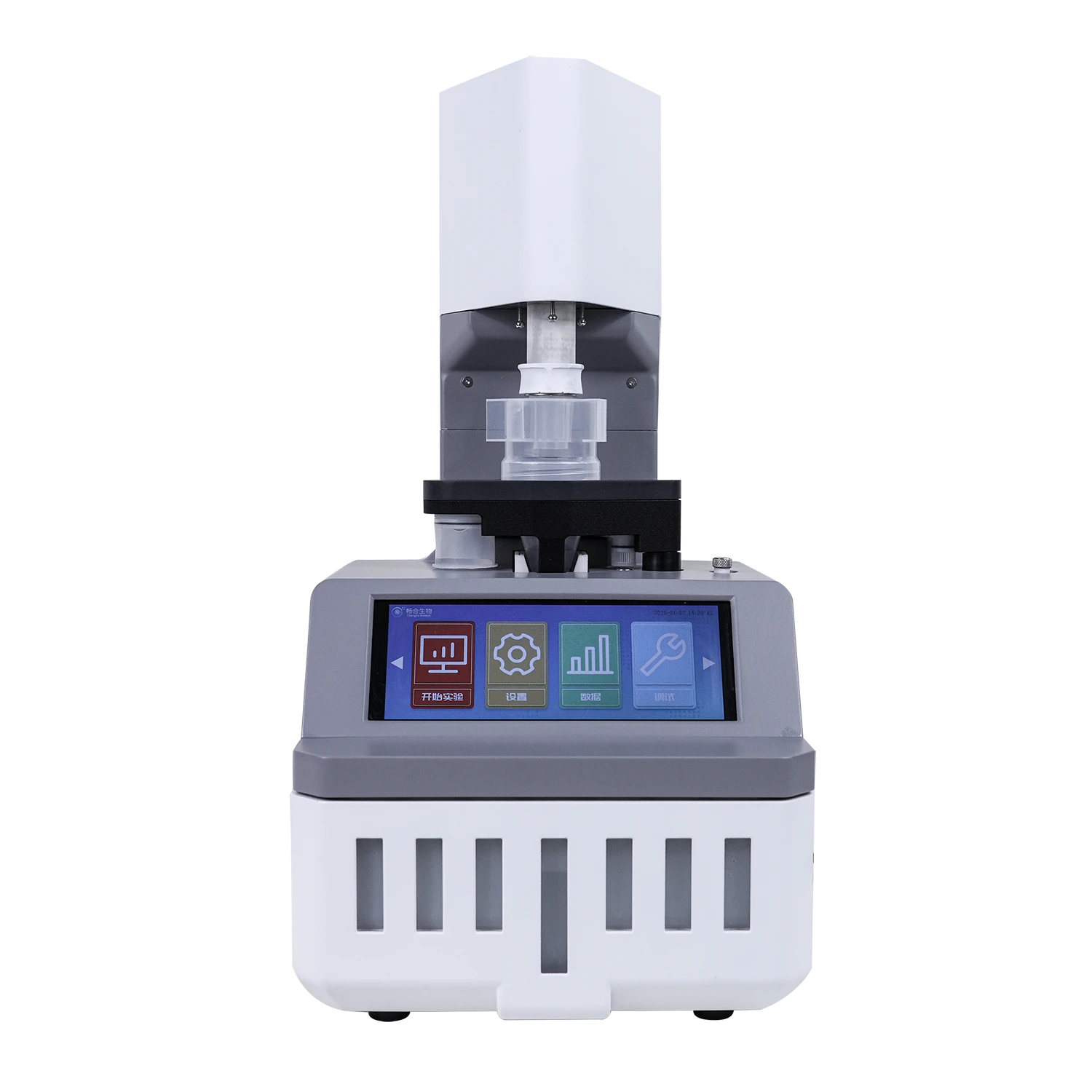

Discover the Power of Digital PCR Machines: Precision & Innovation
Understanding the Digital PCR Machine: Precision Tools Shaping Modern Science
In the vast and rapidly evolving world of molecular diagnostics, the digital PCR machine stands out as a game-changer. It’s no exaggeration to say this technology offers a transformative, laser-precise way of quantifying DNA and RNA — measurements that matter deeply across medicine, environmental science, and biotech research. But why does this matter on a global scale? For starters, battling complex diseases, ensuring public safety, and facilitating groundbreaking research all depend on reliable data. The digital PCR machine provides this with unparalleled accuracy.
Whether you’re in a state-of-the-art research lab in Boston or a remote field station collecting environmental DNA, understanding digital PCR technology clarifies how we’re inching closer to faster, more reliable diagnostics — with broad benefits from improved patient outcomes to enhanced bio-surveillance. So buckle up, this isn’t your average lab tool.
The Global Context: Why Digital PCR Machines Matter Today
Globally, the molecular diagnostics market was valued at over $9 billion as of recent estimates, growing fast due to rising demand in personalized medicine, infectious disease control, and food safety testing. According to the World Health Organization, roughly 60% of diagnostic errors stem from limitations in detection methods — a gap that digital PCR technology directly addresses. Its high sensitivity and precision help detect rare mutations, viral loads, and even emerging pathogens.
For instance, in outbreaks like COVID-19, the ability to reliably quantify viral RNA with digital PCR machines has proven crucial. Even as we talk, various government agencies and research institutions are deploying this technology for epidemiological surveillance and genomics research. Despite these advances, many labs face challenges integrating such sophisticated tools due to cost and expertise requirements — which, frankly, is slowly shifting as more affordable, scalable options become available.
What Is a Digital PCR Machine? A Simple Explanation
At its core, a digital PCR machine is a molecular biology instrument designed to precisely quantify nucleic acids (DNA/RNA) in a sample. Unlike traditional PCR, which gives semi-quantitative results by measuring fluorescence during amplification, digital PCR partitions the sample into thousands of tiny reactions (droplets, wells, or chambers). This compartmentalization allows the machine to count absolute numbers of DNA molecules — turning a fuzzy estimate into exact data.
Think of it as turning an old grain scale into a super-precise digital one. This fine-grained counting ability is critical when dealing with low-abundance targets or wanting absolute quantification without reference standards.
Key Features & Components of a Digital PCR Device
1. Precision Partitioning
The hallmark of any digital PCR machine is its ability to split samples into thousands of tiny partitions. Some use droplet-based microfluidics, others use chip wells. This process is crucial to achieving high sensitivity and specificity.
2. Thermal Cycling Module
Once partitioned, samples undergo PCR amplification in a carefully controlled thermal cycler — optimizing reaction conditions across all partitions uniformly.
3. High-Resolution Fluorescence Detection
Post-amplification, the machine detects fluorescence signals in each partition to determine positive vs. negative reactions. This data is then processed to provide absolute quantitation.
4. User-Friendly Software
Modern digital PCR machines feature intuitive software for data analysis, quality control, and reporting. This is key to accessibility for labs of varying expertise.
5. Compact Design & Automation
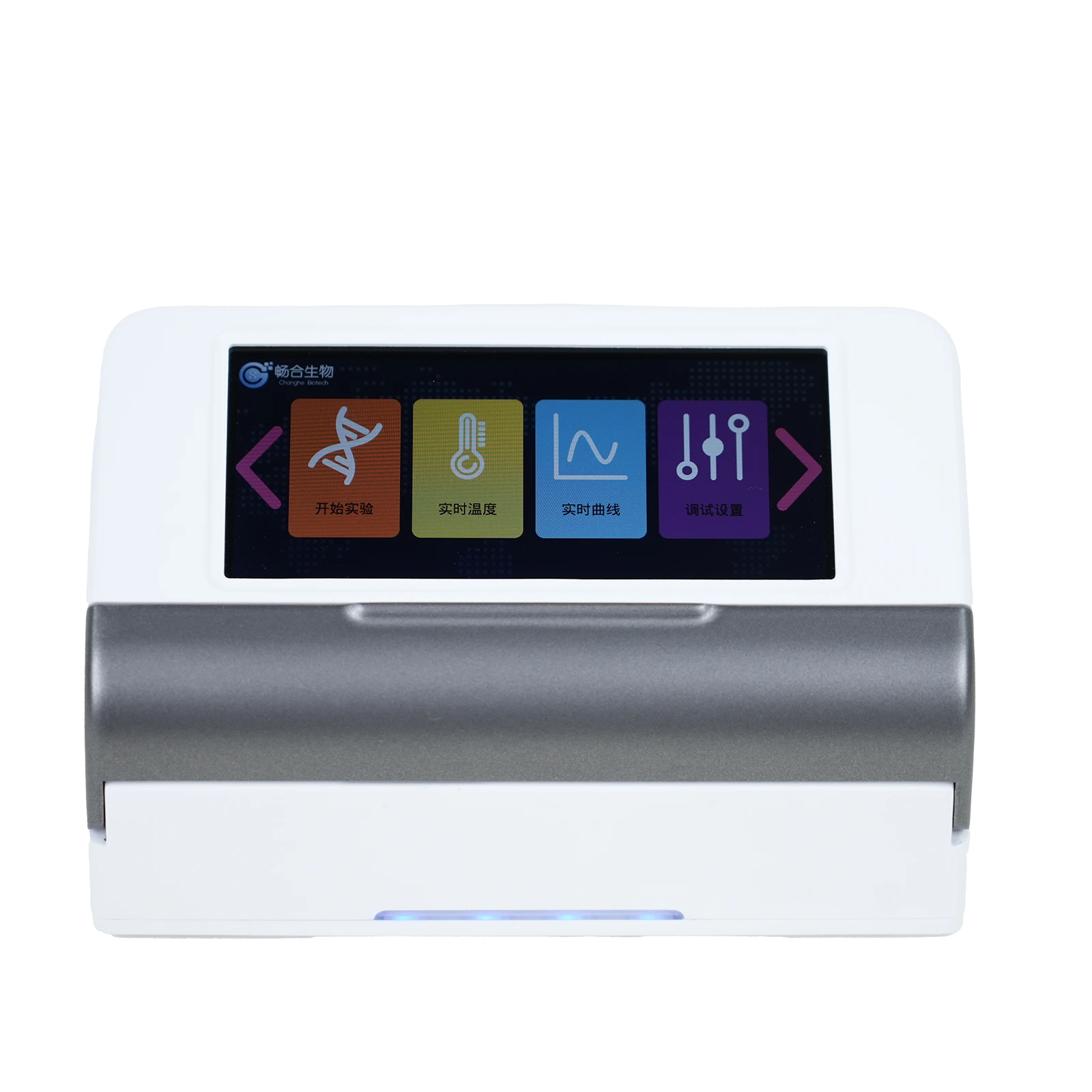
Many current models are designed with compact footprints, facilitating integration into existing lab workflows. Automation options reduce manual handling — increasing throughput and reproducibility.
| Feature | Specification |
|---|---|
| Partition Count | 20,000 – 40,000 droplets/wells |
| Thermal Cycling Range | 4°C to 99°C |
| Detection Channels | 1 to 5 fluorescence channels |
| Throughput | 1 to 96 samples per run |
| Software Features | Absolute quantification, QC, multiplex analysis |
How Digital PCR Machines Are Used Globally
Digital PCR technology isn't confined to fancy research labs — it’s making meaningful impacts worldwide across sectors:
- Healthcare & Diagnostics: Precise measurement of disease biomarkers, viral loads (HIV, SARS-CoV-2), and early cancer detection.
- Environmental Monitoring: Quantifying trace DNA to track biodiversity or detect contaminants in water and soil.
- Food Safety: Detecting GMO content and pathogens with greater assurance for consumers and regulators.
- Pharmaceutical R&D: Ensuring drug quality control and gene therapy quantification.
Regions like North America and Europe lead adoption due to infrastructure, but emerging economies are catching up fast — thanks in part to portability improvements and collaborations with NGOs. I know a lab in Southeast Asia that leveraged a digital PCR machine to monitor dengue fever outbreaks quickly — that’s real-world innovation meeting pressing needs.
The Advantages and Long-Term Impact of Using Digital PCR Machines
Here’s the part many professionals appreciate — the mix of tangible and intangible benefits:
- Accuracy & Sensitivity: Detect tiny amounts of DNA/RNA missed by conventional methods.
- Absolute Quantification: No need for standard curves, reducing variability.
- Reproducibility: Enables consistent results across labs and studies.
- Cost Efficiency: While initial investment may be higher, saved time and reagents add up.
- Trust & Safety: For clinicians and patients alike, better data means better decisions and outcomes.
Many say it also fosters a sense of scientific dignity — knowing you’re using the best tools on hand to arrive at truth, even in messy or constrained environments.
Emerging Trends and Innovations in Digital PCR Machines
The technology isn’t static — and frankly, that’s exciting:
- Integration with Microfluidics: New designs aim for even smaller, faster partitioning.
- Multiplexing: Detecting more targets simultaneously to speed assays.
- Automation & Cloud Connectivity: Smart devices uploading results for remote analysis.
- Green Tech: Efforts to reduce reagent volumes and energy consumption.
Some innovators are even developing handheld digital PCR tools to bring high-quality diagnostics straight to point-of-care or field sites — which, let’s be honest, is pretty futuristic.
Addressing Current Challenges and Practical Solutions
Of course, nothing comes without hurdles:
- Cost Barriers: High upfront equipment and reagent costs still limit access for many labs.
- Technical Expertise: Some operators find the technology intimidating at first.
- Sample Preparation: Quality still hinges on good input RNA/DNA.
Solutions? Vendors are simplifying software interfaces, offering comprehensive training, and sharing open protocols. Meanwhile, collaborations with nonprofits are helping implement cost-sharing schemes in developing areas.
Vendor Comparison: Choosing Your Digital PCR Machine
| Vendor | Partition Technology | Multiplex Capability | Price Range | User-Friendliness |
|---|---|---|---|---|
| Bio-Rad QX200 | Droplet Digital PCR | 4-plex | $$$ | Moderate |
| Thermo Fisher QuantStudio 3D | Chip-based PCR | 2-plex | $$ | High |
| Stilla Naica System | Crystal Digital PCR (chip) | 5-plex | $$$$ | High |
Frequently Asked Questions About Digital PCR Machines
- Q1: How is a digital PCR machine different from traditional PCR?
- Digital PCR provides absolute quantification by partitioning samples into thousands of individual reactions, while traditional PCR offers relative, less precise data based on amplification curves.
- Q2: What types of samples can I analyze with a digital PCR machine?
- Samples range from blood, tissue, and swabs to environmental water and soil extracts. The key is proper nucleic acid extraction prior to partitioning.
- Q3: Are digital PCR machines suitable for labs with limited budgets?
- Initial costs can be high, but there are lower-cost models and rental options. Additionally, the accuracy and reagent savings often justify the investment over time.
- Q4: Can I use a digital PCR machine for multiplex testing?
- Yes, many models support multiplexing, allowing simultaneous detection of multiple targets, saving both time and sample volume.
Final Thoughts: Embracing the Future with Digital PCR Technology
The rise of the digital PCR machine marks a shift from guesswork to precision in molecular analysis. Its global applications demonstrate tangible benefits not only in scientific breakthroughs but in real human health and environmental impacts. If you’re considering upgrading your lab or branching into advanced diagnostics, seriously look into this technology — it’s worth the journey.
Curious to learn more? Visit digital pcr machine for detailed product info, latest news, and expert resources.
References & Further Reading
-
Uniplex PCR Equipment for Industrial Biosafety & MonitoringNewsDec.08,2025
-
TB PCR Kit: A Veteran’s Take on Leading Diagnostic ToolsNewsDec.08,2025
-
Stem Loop Rt Pcr – Advanced Molecular Detection Solutions for Industry | Bio Aerosol SamplerNewsDec.08,2025
-
Reliable RT PCR RNA Virus Testing & Bioaerosol Sampling EquipmentNewsDec.07,2025
-
Rt Pcr Monkeypox: Advanced Viral Detection Solutions for B2B IndustriesNewsDec.07,2025
-
RT PCR Kit for Monkeypox Detection – Reliable Diagnostics ToolNewsDec.07,2025