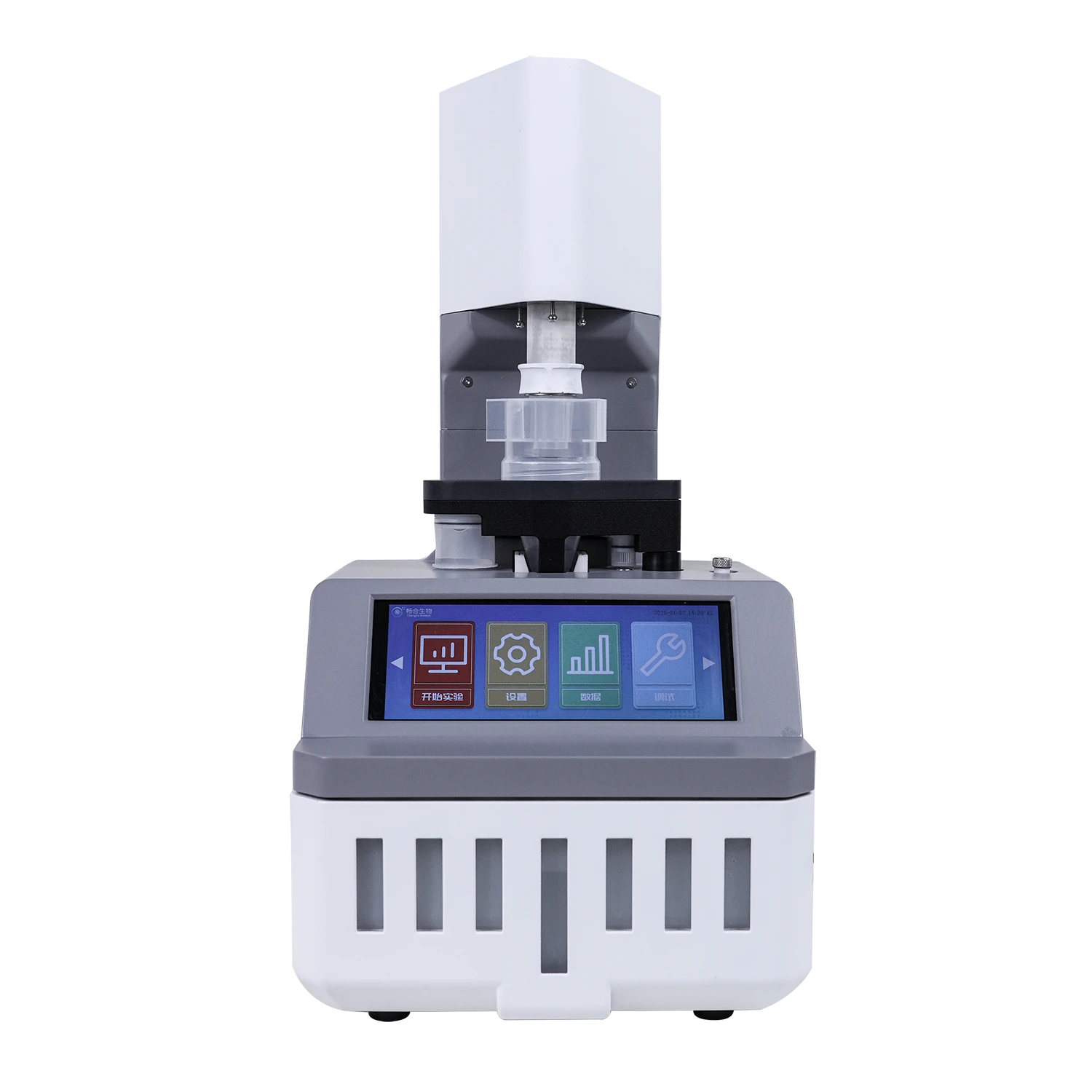

Comprehensive Guide to RT PCR Machines: Definition, Uses, and Future Trends
What Is an RT PCR Machine and Why Should You Care?
RT PCR machines, or real-time polymerase chain reaction machines, might sound like a mouthful, but their impact is pretty straightforward: they help detect and quantify DNA or RNA — the building blocks of life — quickly and accurately. In today's world, especially post-pandemic, understanding this tech isn't just for scientists and lab geeks. It matters because these machines fuel diagnostics, enabling doctors to spot diseases like COVID-19 early, save lives, and keep entire communities safer. Knowing how these machines work and their broader implications helps anyone grasp how science and technology intersect with health and global safety.
Mini takeaway: RT PCR machines aren't just lab equipment; they're essential tools in public health, diagnostics, and biomedical research worldwide.
The Global Importance of RT PCR Machines
Worldwide, the demand for precise molecular testing has skyrocketed. The United Nations and global health agencies estimate that effective molecular diagnostics contribute enormously to controlling epidemics and improving healthcare outcomes. For instance, the World Bank reports that molecular testing platforms have reduced diagnostic turnaround times from days to mere hours, crucial in emergencies.
But there’s a challenge — many developing regions struggle with test access due to costs, complexity, and infrastructure demands. RT PCR machines tackle this by providing highly sensitive, rapid detection methods. They play a pivotal role not just in hospitals but in field testing, border control, research labs, and even environmental monitoring.
Mini takeaway: RT PCR machines serve as frontline tools in global health, helping bridge diagnostics gaps worldwide.
What Exactly Is an RT PCR Machine?
In layman’s terms, an RT PCR machine is a device that amplifies specific genetic material (DNA or RNA) and monitors this amplification in real time. “RT” stands for “reverse transcription,” a process that converts RNA into DNA before amplification. Why does this matter? Because a lot of pathogens, like viruses, use RNA as their genetic code.
Think of it as a high-tech photocopier for genetic material that counts copies as it makes them, allowing precise measurement of viral load or gene expression. This capability makes the machine indispensable in areas ranging from clinical diagnostics, agricultural testing, food safety, to scientific research.
Mini takeaway: At its core, an RT PCR machine detects and quantifies nucleic acids, enabling rapid, accurate diagnostics.
Core Components That Make RT PCR Machines Tick
1. Thermal Cycler
This is the heart of the machine — it heats and cools samples in cycles, triggering the amplification process. The precision of temperature changes affects test accuracy and speed. Many engineers say the faster ramp rates improve throughput without compromising results.
2. Optical Detection System
This allows the machine to monitor fluorescence signals emitted during DNA amplification, providing real-time data. The better the optics, the clearer the signal, crucial in low viral load samples.
3. User Interface and Software
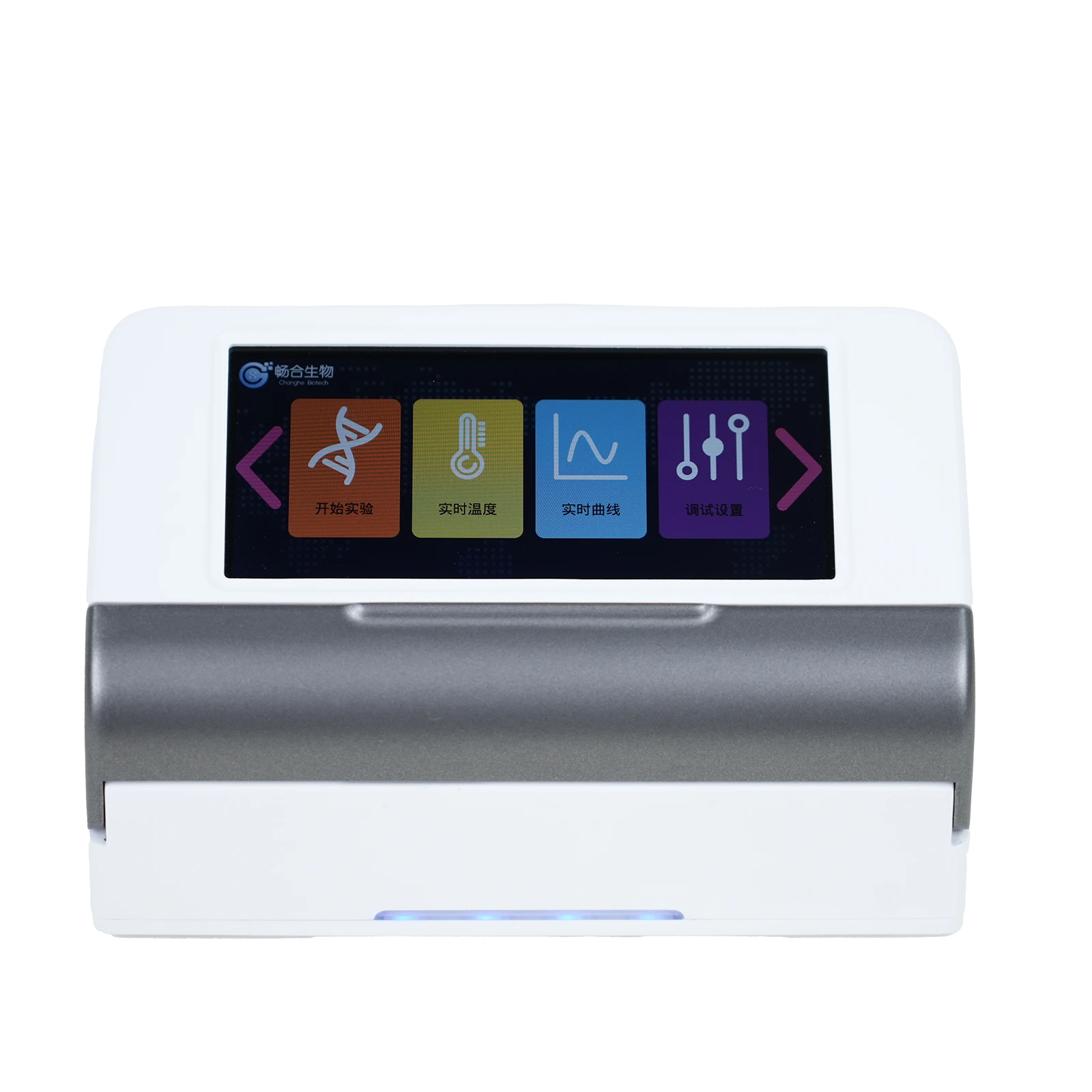
Modern RT PCR machines come with intuitive software featuring customizable workflows and data analysis tools. This ease of use enhances lab productivity and reduces errors, a big deal when testing high sample volumes.
4. Sample Capacity and Throughput
Machines vary wildly in how many samples they can process at once — from a handful up to hundreds. Choosing the right capacity depends on your lab’s needs, balancing speed with resource investment.
5. Portability and Durability
For field use or labs in challenging environments, rugged, compact designs matter. Battery-powered or low-energy options enable testing where electricity or lab space is limited — think remote villages or disaster zones.
Mini takeaway: The combination of thermal cycling, optical detection, and smart software defines RT PCR machine performance and suitability for diverse tasks.
Real-World Uses of RT PCR Machines Across the Globe
- Healthcare: Diagnosis of infectious diseases like COVID-19, influenza, and tuberculosis.
- Environmental Monitoring: Detecting pathogens in water sources or tracking viral outbreaks in wildlife.
- Food Safety: Screening for contamination by bacteria or viruses.
- Agriculture: Identifying crop pathogens early to prevent crop loss.
- Research: Gene expression studies and vaccine development.
In less developed regions, portable RT PCR machines have revolutionized outbreak response. For example, during Ebola outbreaks in West Africa, mobile labs equipped with these machines sped up diagnostics, helping contain the virus efficiently. Similarly, in remote industrial zones, they monitor water quality to protect worker health.
Mini takeaway: RT PCR machines aren’t confined to labs; they’re deployed globally in versatile contexts improving safety and research.
Why RT PCR Machines Are a Wise Investment Over Time
The immediate benefit is reliability — clinicians and researchers trust RT PCR for its unmatched sensitivity and specificity. But on a deeper level, these machines support long-term societal value by enabling early detection that prevents outbreaks and costly treatments. The technology also fosters innovation in personalized medicine and public health monitoring.
From an economic standpoint, automation reduces labor costs and errors. Environmentally, using consumables efficiently and minimizing repeat tests reduces waste — aligning with growing sustainability goals.
Emotionally, healthcare workers gain peace of mind knowing they can trust results, and patients experience dignity through timely diagnosis and treatment. Innovation breeds trust, after all.
What’s Next? Future Trends and Innovations in RT PCR Technology
- Green Chemistry and Sustainability: Emerging RT PCR kits use fewer hazardous reagents and biodegradable plastics.
- Automation: Full laboratory automation integrating RT PCR with sample prep and data management enhances efficiency.
- Digital Connectivity: Remote monitoring and cloud analysis speed up decision-making and improve data sharing globally.
- Advanced Materials: New thermoelectric components and microfluidics are shrinking device footprints.
- Multiplex Testing: Machines that detect multiple pathogens simultaneously even in a single test.
Oddly enough, the push for portability is boosting demand for handheld RT PCR units that can plug into smartphones or tablets — a real game-changer for field epidemiology.
Challenges Facing RT PCR Usage Today (and How Experts Suggest Fixing Them)
While incredibly powerful, RT PCR machines aren’t flawless:
- Cost & Accessibility: High upfront costs and reagent supply chains limit access in poorer regions.
- Technical Expertise: Skilled operators are often needed, which can bottleneck testing.
- Infrastructure Dependence: Power and climate control requirements can hinder deployment in harsh environments.
Innovations like lyophilized reagents (freeze-dried kits) and simplified “sample in, result out” devices reduce the need for technicians. Also, solar-powered and ruggedized models help offset infrastructure hurdles.
Mini takeaway: Tackling cost, complexity, and environmental hurdles is key to wider RT PCR adoption globally.
Frequently Asked Questions About RT PCR Machines
- What makes RT PCR machines different from traditional PCR?
- RT PCR detects RNA by converting it to DNA before amplification, allowing analysis of RNA viruses and gene expression. Traditional PCR only amplifies DNA.
- How quickly can RT PCR machines deliver results?
- Depending on the model and protocol, results can be available in 30 minutes to 2 hours, much faster than many traditional methods.
- Are portable RT PCR machines as accurate as lab-based ones?
- Advancements have made portable machines quite reliable, though highly complex tests might still require lab instruments.
- Can RT PCR machines be used outside of healthcare?
- Absolutely. They're widely used in agriculture, environmental monitoring, food safety, and research sectors.
- How do I ensure quality control with RT PCR devices?
- Regular calibration, use of control samples, and adherence to manufacturer protocols are essential to maintain accuracy and reliability.
Quick Comparison: Popular RT PCR Machine Models
| Model | Sample Capacity | Run Time | Portability | Price Range |
|---|---|---|---|---|
| BioMaster X-200 | 96 samples | ~1.5 hours | No | $25,000 - $35,000 |
| QuickAmp Portable | 16 samples | ~45 minutes | Yes (battery-operated) | $15,000 - $20,000 |
| GeneTrack Pro | 48 samples | ~1 hour | No | $22,000 - $28,000 |
How Top Vendors Stack Up for RT PCR Machines
| Vendor | Global Reach | Key Strength | Customer Support | Innovation |
|---|---|---|---|---|
| BioMaster Corp | 130+ countries | High throughput machines | 24/7 global support | Strong R&D pipeline |
| QuickHealth Tech | 85 countries | Portable RT PCR units | Excellent training programs | Early adopters of AI integration |
| GeneTrack Solutions | 70 countries | User-friendly interfaces | Responsive regional offices | Ongoing software upgrades |
Wrapping Up
RT PCR machines are more than just technical gadgets; they’re gateway technologies shaping the future of diagnostics and research. As society continues to face health, environmental, and agricultural challenges, reliable molecular testing will remain central to smart, proactive solutions. From safety and innovation to sustainability and trust, investing in the right RT PCR machine pays off — not just in numbers or speed, but in the quality of life it helps protect.
Curious to know more or explore options? Visit our website: rt pcr machine.
References & Further Reading
-
Uniplex PCR Equipment for Industrial Biosafety & MonitoringNewsDec.08,2025
-
TB PCR Kit: A Veteran’s Take on Leading Diagnostic ToolsNewsDec.08,2025
-
Stem Loop Rt Pcr – Advanced Molecular Detection Solutions for Industry | Bio Aerosol SamplerNewsDec.08,2025
-
Reliable RT PCR RNA Virus Testing & Bioaerosol Sampling EquipmentNewsDec.07,2025
-
Rt Pcr Monkeypox: Advanced Viral Detection Solutions for B2B IndustriesNewsDec.07,2025
-
RT PCR Kit for Monkeypox Detection – Reliable Diagnostics ToolNewsDec.07,2025