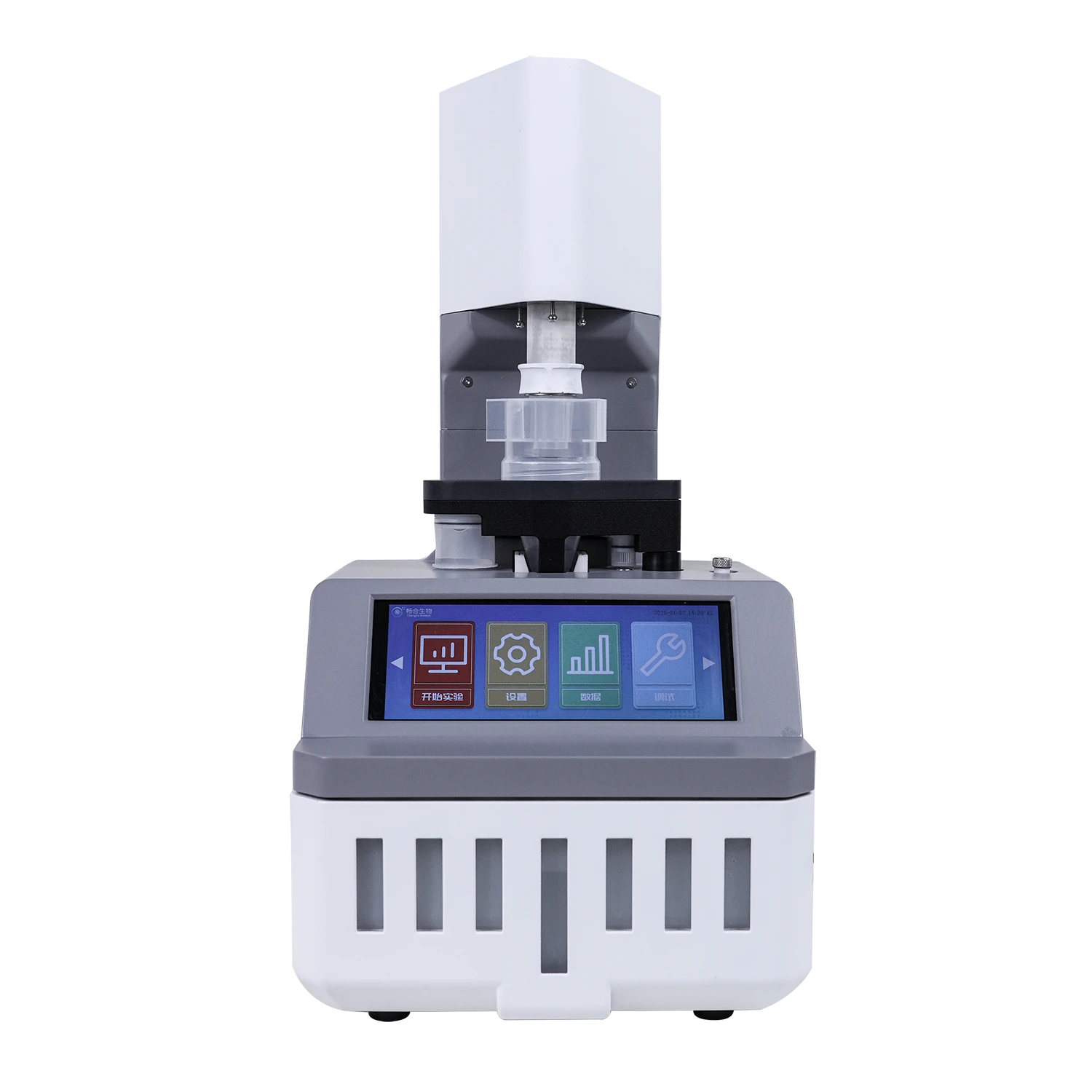

PCR Test Machine – Your Essential Guide to Modern Molecular Diagnostics
Understanding PCR Test Machines: A Gateway to Modern Diagnostics
At some point in the last few years, the term PCR test machine has become nearly impossible to avoid. Whether it’s in conversations about pandemic responses, infectious disease detection, or advanced biotech research, these devices sit at the heart of many vital efforts worldwide. But beyond the headlines, what exactly is a PCR test machine, and why does it truly matter—globally and industry-wide? Buckle up, because it’s more than just a lab gadget; it’s a cornerstone of modern molecular diagnosis, with implications that resonate from high-tech labs to frontline health workers.
Briefly, PCR (polymerase chain reaction) machines amplify tiny traces of DNA or RNA, making invisible biological signals visible—and actionable. Their ability to quickly and accurately identify genetic material has revolutionized fields like disease control, forensic science, food safety, and even environmental monitoring. Simply put: without reliable PCR testing machines, the world’s ability to respond swiftly to emerging pathogens, like the SARS-CoV-2 virus, would be turned upside down.
Mini takeaway: PCR test machines power today’s diagnostic breakthroughs, bridging microscopic biology with crucial real-world decisions.
The Global Pulse: Why PCR Testing Machines Are More Relevant Than Ever
Globally, the demand for PCR-based diagnostics has soared, driven by an unprecedented confluence of public health crises and technological advances. According to the World Health Organization, the rapid identification of infectious diseases via PCR testing played a significant role in managing outbreaks during the COVID-19 pandemic. In fact, PCR test volumes skyrocketed by over 250% worldwide during the early pandemic years.
Moreover, the International Organization for Standardization has been actively working on standards related to PCR testing equipment, ensuring that devices operate reliably, safely, and interoperably across borders and industries.
Yet, challenges remain—especially in low-resource settings, where reliable equipment, power supplies, and trained personnel are all in short supply. The existing technological divide means PCR machines can often be expensive luxury items rather than accessible front-line tools, complicating urgent global health responses.
Mini takeaway: PCR testing machines are indispensable to global disease control, but accessibility and scalability hurdles still challenge equitable healthcare delivery.
What Exactly Is a PCR Test Machine?
Your average PCR test machine isn’t just a metal box that spits out results. Simply put, it is a thermal cycler designed to amplify specific genetic material by cycling through a series of temperature changes, enabling DNA or RNA replication exponentially. By the end of this process, even a few copies of viral or bacterial genetic material become millions—easy to detect.
These machines operate with a clever combination: a precise heater, a cooler, a microcontroller, and a specialized cartridge or well-plate for reaction mixtures. Laboratories, hospitals, and research centers rely on these machines to diagnose diseases like tuberculosis, COVID-19, HIV, and even genetic disorders.
In humanitarian scenarios, the PCR test machine might also be the deciding factor for emergency interventions—imagine detecting a cholera outbreak early in a refugee camp, thereby saving thousands of lives.
Core Components That Make PCR Testing Tick
1. Thermal Cycler Unit
This is the heart of the machine—responsible for repeated cycles of heating and cooling, enabling DNA strand separation, primer annealing, and strand extension.
2. Optical Detection System
Modern PCR machines often feature real-time fluorescence detection, which tracks DNA amplification in real time, vastly improving speed and accuracy.
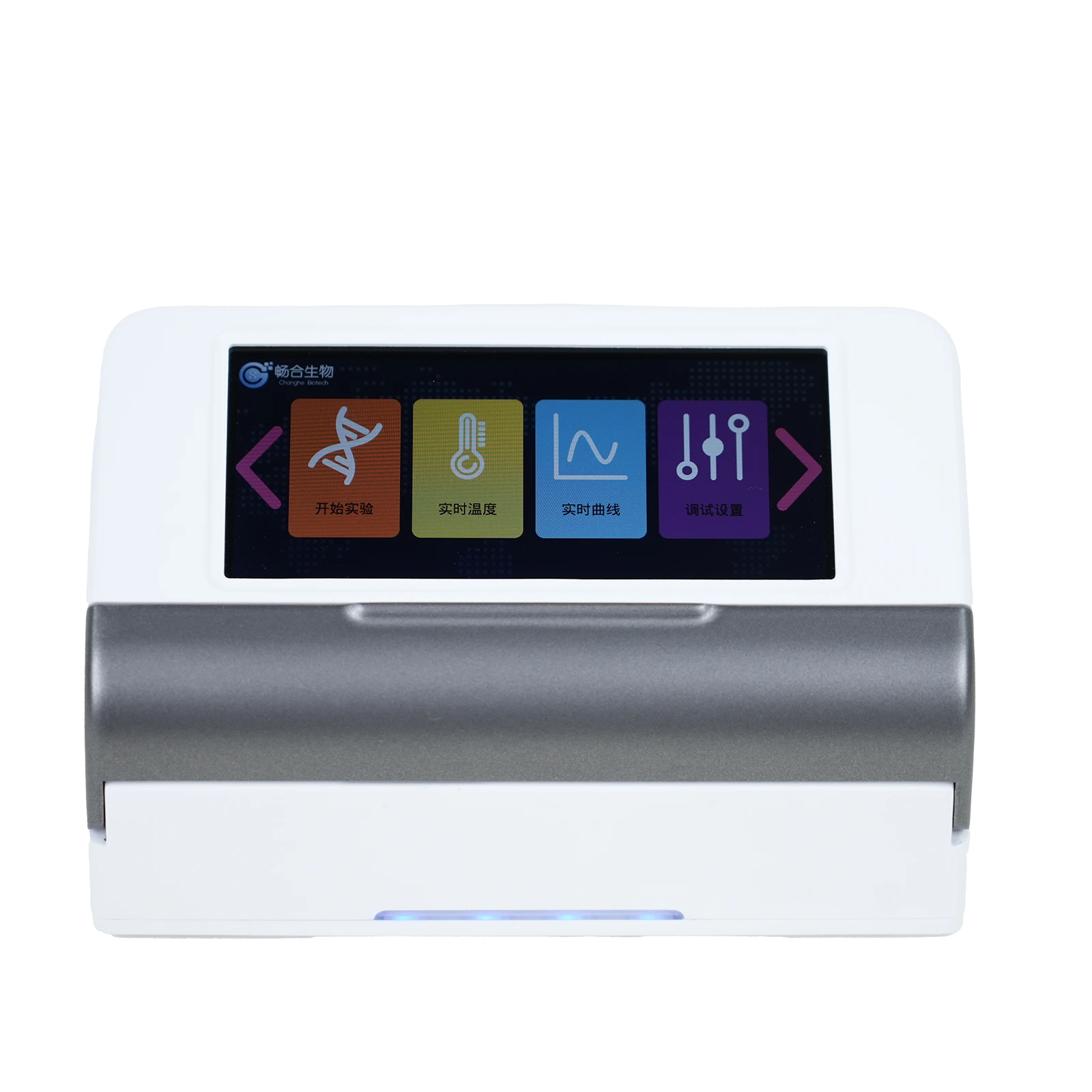
3. User Interface & Software
Intuitive control panels and data management systems allow technicians to program protocols, monitor runs, and export results efficiently.
4. Sample Capacity & Consumables
Depending on throughput requirements, machines range from small 8- or 16-well units to high-throughput systems handling hundreds of samples simultaneously.
5. Connectivity Options
Wi-Fi, USB, and cloud-enabled PCR systems support integration with laboratory information systems (LIS), enabling remote data access and analysis.
Mini takeaway: From heating blocks to smart software, every part of a PCR test machine plays a vital role in transforming DNA snippets into trustworthy diagnostics.
PCR Test Machines in Action: Real-World Applications
None of this matters unless you see the machines at work. Around the world and across sectors, PCR test machines are rewriting possibilities.
- Healthcare: Hospitals use them daily to quickly diagnose infections—COVID-19, influenza, and more—with results available in hours rather than days.
- Public Health: National disease surveillance programs rely on these devices to monitor outbreaks, saving lives by informing policy and response.
- Food Safety Industry: PCR testing identifies contamination by pathogens like Salmonella and Listeria, ensuring safer supply chains.
- Environmental Monitoring: Detecting viral particles in wastewater has become a cutting-edge epidemiological technique.
- Disaster Relief: Organizations like Médecins Sans Frontières deploy portable PCR machines in refugee camps and post-disaster zones to quickly detect contagious diseases even in remote areas.
Mini takeaway: PCR test machines are far more than lab tools—they’re pivotal in diverse settings, tailoring responses to local needs fast.
Product Specifications: Leading PCR Test Machines Compared
| Feature | Model A | Model B | Model C |
|---|---|---|---|
| Sample Capacity (wells) | 96 | 48 | 32 |
| Speed (minutes per cycle) | 30 | 35 | 40 |
| Real-time detection | Yes | No | Yes |
| Connectivity options | Wi-Fi, USB | USB | Wi-Fi |
| Approximate Cost (USD) | $18,000 | $10,000 | $12,000 |
Comparing Top PCR Test Machine Vendors
| Vendor | Strengths | Limitations | Ideal For |
|---|---|---|---|
| BioTech Solutions | High throughput, advanced software | Premium price point | Large hospitals, research labs |
| MediQuick Devices | Compact, user-friendly, affordable | Limited sample capacity | Clinics, mobile testing units |
| Global Diagnostics Inc. | Strong global support network | Moderate speed per cycle | Government labs, NGOs |
Why Choosing the Right PCR Test Machine Makes a Difference
Picking a reliable PCR machine is not just about specs and price tags. In real terms, it’s about trust—trust that the diagnosis is accurate, fast, and repeatable. Many healthcare providers emphasize cost efficiency, ease of use, and after-sales support as key decision factors. After all, even the best PCR test machine is only as good as the training of people who run it and the robustness of the supply chain for reagents and maintenance.
Emotional factors weigh in, too. For patients waiting anxiously for their results, a rapid answer isn’t a luxury — it’s critical for peace of mind and timely treatment. That human element often gets overshadowed in technical papers, but I think it’s crucial.
Emerging Trends Shaping the Future of PCR Technology
Innovation doesn’t stand still. Frankly, the future of PCR test machines is bright, with trends like:
- Automation: Fully automated workflows that reduce human errors.
- Portability: Compact, battery-operated devices suited for on-site testing, especially in remote regions.
- Green Technology: Lower power consumption and sustainable materials are gaining attention.
- Cloud Integration: Enabling remote data sharing and AI-assisted diagnostics.
- Multiplexing: Simultaneously detecting multiple pathogens in one run.
Manufacturers are also heeding calls to make reagents and consumables more affordable, which may democratize access, possibly leading to huge public health gains.
Addressing Common Challenges with PCR Test Machines
It’s not all smooth sailing. Some challenges confront users and manufacturers alike:
- Cost Barriers: Initial machine investment and ongoing reagent costs can be prohibitive.
- Maintenance: Machines need timely servicing to maintain accuracy.
- Power Dependence: Infrastructural gaps limit use in many rural or disaster-hit zones.
- Technical Skill Requirements: Skilled technicians are needed; training can be expensive.
Solutions? Experts suggest modular systems for easier repair, partnerships for subsidized pricing in developing countries, and hybrid devices combining PCR with isothermal amplification (faster, simpler) technologies. Portable pcr test machine variants are especially promising to help frontline teams diagnose in less-than-ideal conditions.
FAQ: Your Practical Questions About PCR Test Machines
- How long does a typical PCR test run take?
- Most modern PCR runs take around 30–45 minutes, but exact times vary based on machine model and sample type.
- Are portable PCR machines as reliable as lab-grade machines?
- Portable PCR machines have improved greatly and provide reliable results, especially for targeted testing. However, lab machines still offer higher throughput and multiplex capacity.
- What maintenance is needed to keep a PCR test machine working well?
- Regular calibration, cleaning, and software updates are key. Annual servicing by certified technicians prolongs machine lifespan.
- Can PCR machines test for multiple diseases in one run?
- Yes. Multiplex PCR assays allow detection of multiple pathogens simultaneously, improving efficiency.
- How can small clinics acquire PCR machines affordably?
- Look for vendors offering financing options, refurbished equipment, or portable point-of-care devices. Collaborations with NGOs sometimes provide funding support.
Wrapping Up: PCR Test Machines as Foundations of Diagnostic Progress
To put it plainly, the global health ecosystem leans heavily on PCR test machines—not just in crises, but every day, quietly supporting diagnoses and disease surveillance around the world. Their blend of precision, speed, and adaptability means the future of diagnostics traces a path lined with these devices. Interested in the latest innovations or ready to upgrade your lab’s capabilities? Visit our website at https://www.bioaerosolsampler.com for detailed product info and expert advice.
Just as you thought the story ends here, remember: in the world of PCR testing, the only constant is evolution...
References
-
Uniplex PCR Equipment for Industrial Biosafety & MonitoringNewsDec.08,2025
-
TB PCR Kit: A Veteran’s Take on Leading Diagnostic ToolsNewsDec.08,2025
-
Stem Loop Rt Pcr – Advanced Molecular Detection Solutions for Industry | Bio Aerosol SamplerNewsDec.08,2025
-
Reliable RT PCR RNA Virus Testing & Bioaerosol Sampling EquipmentNewsDec.07,2025
-
Rt Pcr Monkeypox: Advanced Viral Detection Solutions for B2B IndustriesNewsDec.07,2025
-
RT PCR Kit for Monkeypox Detection – Reliable Diagnostics ToolNewsDec.07,2025