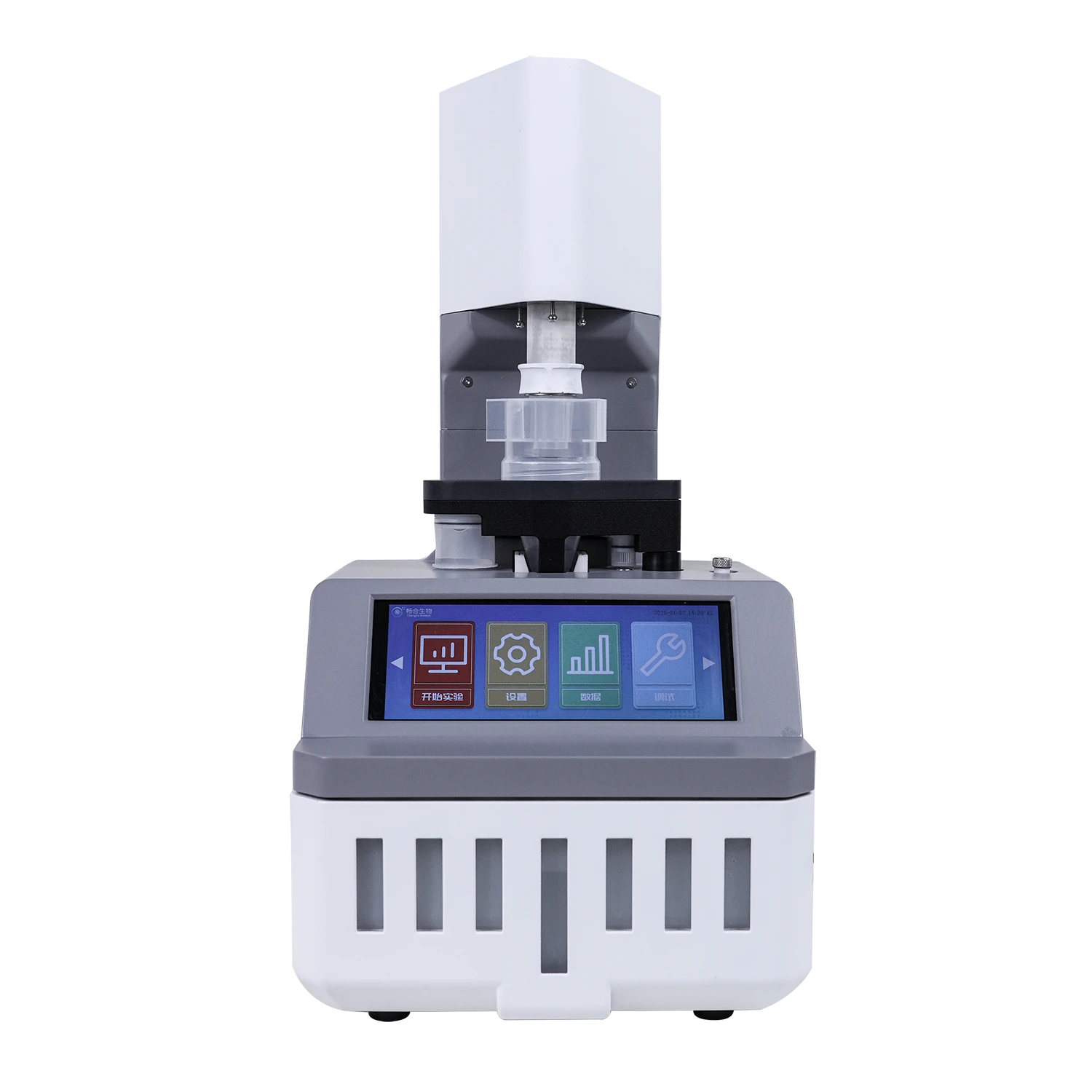

Comprehensive Guide to qrt pcr Machines – Technology, Applications & Vendors
Understanding the qrt pcr machine and Its Global Importance
If you’re in the biotech or molecular diagnostics world, you’ve probably heard about the qrt pcr machine, or quantitative real-time polymerase chain reaction machine. In a nutshell, this tech marvel measures DNA or RNA levels in real time — which may sound niche, but it’s actually fundamental to medicine, environmental testing, food safety, and much more. Globally, as faced with new infectious diseases or environmental challenges, real-time PCR machines have become an indispensable frontline tool. They help labs deliver accurate diagnostics faster, driving public health responses that literally save lives.
But why does understanding the qrt pcr machine matter beyond just scientists and clinicians? Because these machines underpin efforts in pandemic management, precision agriculture, forensic investigations, and even biosecurity. Getting a grip on their capabilities shapes how industries innovate and how decision-makers respond in crises.
Global Context: Why qrt pcr machines Are More Vital Than Ever
COVID-19 underscored the value of rapid, accurate nucleic acid testing. According to the World Health Organization, diagnostic testing capacity worldwide sharply scaled up since 2020 — and real-time PCR technologies led the way. It turns out that over 80% of molecular diagnostic labs lean heavily on qrt pcr machines because of their sensitivity and reliability.
Yet, it’s not just pandemics. The UN’s Food and Agriculture Organization highlights nucleic acid detection in improving food safety and detecting contamination. In developing countries, where lab infrastructure is often limited, compact, rugged qrt pcr machines are opening doors to localized testing. That’s a game-changer — imagine a remote clinic that previously sent samples hundreds of miles for analysis, now equipped for on-the-spot diagnostics.
Mini takeaway: The qrt pcr machine isn’t just lab gear; it’s a global catalyst for faster, smarter decision-making in health, agriculture, and environment.
What Exactly Is a qrt pcr machine?
At its core, a qrt pcr machine is a device that amplifies DNA sequences while measuring the amount of amplified product in real time through fluorescent markers. Unlike traditional PCR that shows results only at the end, this real-time aspect makes qrt pcr machines faster and gives quantitative data instead of mere presence or absence. Scientists call it quantitative real-time polymerase chain reaction because it quantifies nucleic acids as they amplify.
In practical terms: if testing for a virus, the machine will use fluorescent probes that light up as viral RNA is copied into DNA and multiplied. The intensity of the light tells you how much virus was present in the sample — a big help for diagnosing disease severity or viral load monitoring.
Core Components That Define qrt pcr Machines
1. Precision Thermal Cycler
This is the heart of the machine — accurately changing temperature to enable DNA denaturation, annealing of primers, and extension steps. Precise temperature control is crucial because even tiny fluctuations can skew results or reduce sensitivity.
2. Fluorescence Detection System
Most use LED light sources and photodiodes or CCD cameras to detect fluorescence emitted by probes or dyes during amplification cycles. The real-time signal is converted into numerical data showing DNA quantity.
3. User-Friendly Software Interface
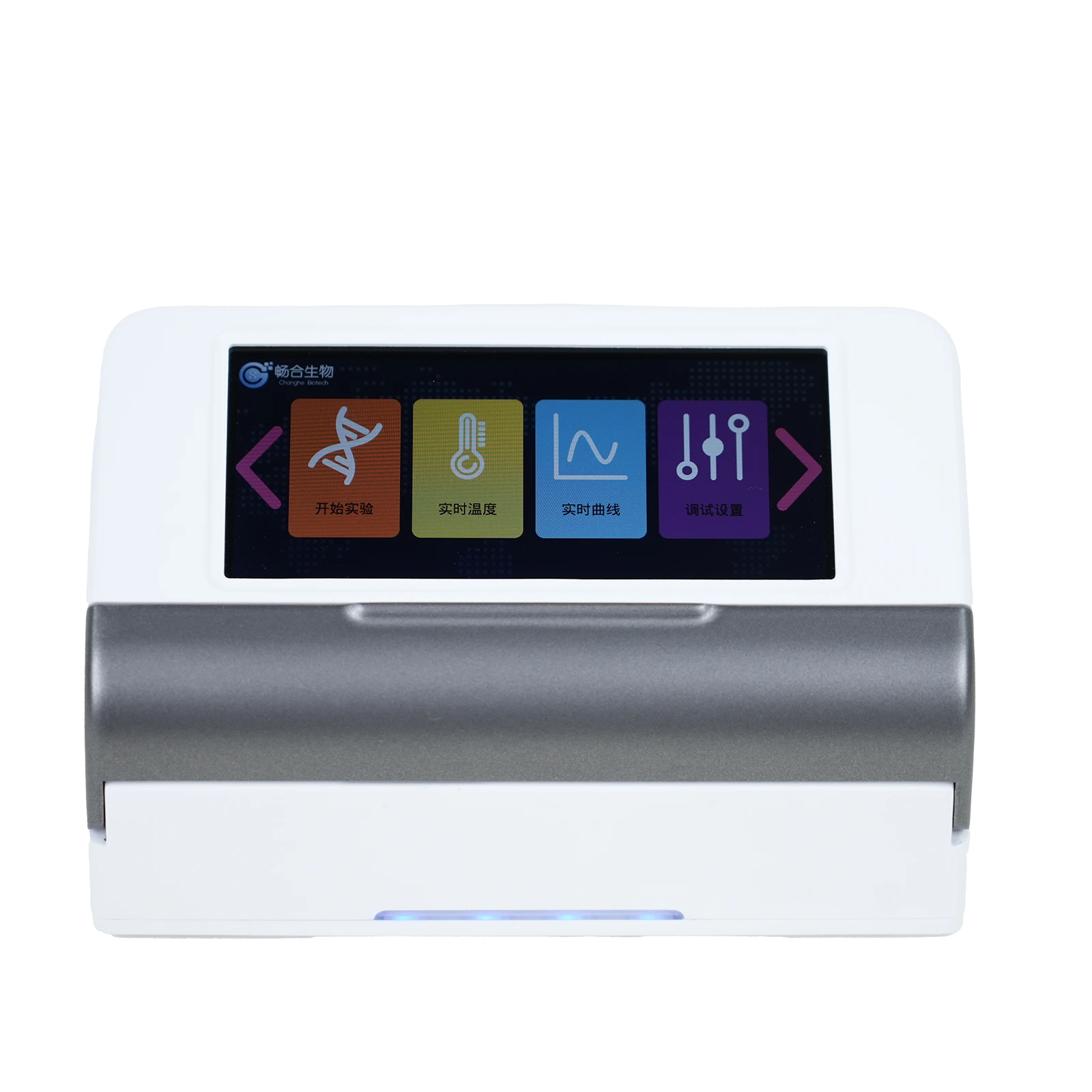
Modern qrt pcr machines come with software that not only runs assays but also automates data analysis, generates amplification curves, and assists quality control. Intuitive interfaces cut training time drastically.
4. Sample Handling & Throughput
Machines vary widely, from compact 48-well units suitable for small labs or field work, to high-throughput 384-well models for large clinical or research facilities. Flexibility here is key for scaling diagnostics.
5. Durability and Portability
Especially for remote or resource-limited settings, ruggedized devices—with shock absorption, battery options, and weather-proof casings—are gaining traction.
Mini takeaway: When choosing or evaluating a qrt pcr machine, it’s really about balancing precision, throughput, ease of use, and environment resilience.
Real-World Uses: Where and How qrt pcr Machines Come Into Play
The range is broad — here are a few key sectors and scenarios:
- Infectious Disease Diagnostics: Hospitals and public health labs worldwide lean on qrt pcr to detect viral, bacterial, and parasitic infections rapidly.
- Food Safety Testing: Regulatory bodies and agri-businesses use these machines to identify contamination by allergens, pathogens, or GMOs.
- Environmental Monitoring: Tracking microbial presence in water or soil samples helps governments and NGOs maintain ecosystem health.
- Forensics: Crime labs measure DNA evidence, often in minute quantities, relying on the high sensitivity of qrt pcr.
- Research & Development: From gene expression studies to drug development, qrt pcr machines are foundational tools.
Notably, in post-disaster zones like after a hurricane or earthquake, mobile labs with portable qrt pcr units have detected outbreaks quickly enough to trigger targeted interventions. Elsewhere, in remote agricultural regions of Africa and Asia, farmers and scientists collaborate using qrt pcr machines to test crop pathogens and inform pesticide use—advancing food security.
Advantages of qrt pcr Machines and Their Lasting Impact
There’s plenty to appreciate beyond speed and accuracy:
- Cost Efficiency Over Time: Automated processes reduce labor costs and minimize reagent wastage.
- Sustainability: Miniaturized and battery-operated units consume less power—great for green labs.
- Improved Patient Outcomes: Faster diagnostics mean timely treatment, reduced disease spread, and enhanced survival.
- Data Reliability & Reproducibility: Detailed quantitative outputs provide confidence in decisions, whether clinical or regulatory.
- Empowerment of Local Facilities: Decentralizing testing builds local capacity and supports self-reliance.
On an emotional level, these machines allow healthcare workers and scientists to face outbreaks and contamination crises with a little less uncertainty—a comforting trust in their toolkit. In the end, that means safer communities.
Looking Ahead: What’s Next for qrt pcr Technology?
Innovation keeps churning. Here are a few trends to watch:
- Integration with Digital Health: IoT-connected qrt pcr systems enable remote monitoring and data sharing in real time.
- Faster, More Compact Designs: Nanotechnology and microfluidics promise faster turnaround with smaller sample volumes.
- Green Chemistry Focus: Reagents with reduced toxic waste make testing more environmentally friendly.
- Enhanced Automation: From sample prep to results interpretation, AI-driven workflows will minimize human error.
- Expanded Multiplexing: Machines can simultaneously detect multiple pathogens or gene targets — streamlining diagnostics.
Challenges and How the Industry Is Addressing Them
Despite great strides, qrt pcr machines still face hurdles:
- Cost and Accessibility: High upfront costs can limit uptake in low-income regions, though leasing models and grants help.
- Need for Skilled Operators: Training is essential, but better user interfaces and automated features reduce the barrier.
- Sample Contamination Risks: Labs need strict protocols; closed-cartridge systems are one innovative mitigation.
- Supply Chain Dependence: Consumables and reagents shortages during spikes in demand have exposed vulnerabilities.
Innovators and global partnerships are working hard on tailored solutions — for instance, rugged portable qrt pcr devices paired with remote training modules are expanding testing capabilities in rural clinics worldwide.
Practical FAQs About qrt pcr Machines
- 1. How fast can a typical qrt pcr machine deliver results?
- Most machines take between 30 to 90 minutes per run depending on the protocol, which is significantly faster than traditional PCR methods.
- 2. Can qrt pcr machines be used outside traditional labs?
- Yes, portable and ruggedized qrt pcr machines have been designed specifically for field use in remote clinics, environmental studies, and disaster zones.
- 3. Are qrt pcr tests more expensive than conventional ones?
- While the equipment may be pricier initially, the accuracy, speed, and automation often make it more cost-effective in the long run.
- 4. How difficult is it to maintain and calibrate a qrt pcr machine?
- Regular maintenance is recommended, but many modern machines offer self-calibration and remote diagnostics, reducing downtime and expert intervention.
- 5. Where can organizations buy reliable qrt pcr machines?
- There are several reputable vendors. It’s advisable to compare features by contacting suppliers or visiting product showcases like qrt pcr machine marketplaces.
Comparing Popular qrt pcr Machines: Spec Highlights
| Model | Throughput (Wells) | Thermal Cycling Speed | Portability | Price Range (USD) |
|---|---|---|---|---|
| CircleLife QRT96 | 96 | ~40 min per run | Benchtop | $25,000 - $35,000 |
| NanoQ RealTime | 48 | ~30 min per run | Portable, battery-operated | $40,000 - $50,000 |
| GenePro 384X | 384 | ~60 min per run | Laboratory High Throughput | $75,000 - $90,000 |
Vendor Comparison: Who Offers What?
| Vendor | Product Range | Support & Training | Global Reach | Customization Options |
|---|---|---|---|---|
| BioScan Technologies | Low to mid throughput | Extensive on-site and remote | Americas, Europe, Asia | Software and protocol customization |
| QuantBio Solutions | Portable & rugged models | Online training & certification | Global with local distributors | Hardware modular upgrades |
| GenomeEdge Labs | High throughput & research grade | Dedicated technical account managers | Mainly Americas and Europe | Custom assay design & validation |
Wrapping Up: Why qrt pcr Machines Matter for the Long Haul
There’s no overstating it: qrt pcr machines are at the crossroads of science, healthcare, and industry. They’re quietly transforming everything from how we respond to outbreaks, to ensuring that the food on our tables is safe, to research breakthroughs. Their blend of speed, accuracy, and versatility is unmatched.
If you’re considering investing in this technology — whether for a diagnostic lab, an R&D center, or mobile healthcare provision — remember to weigh your throughput needs, budget, and environment carefully. The right machine empowers organizations, drives smarter decisions, and ultimately, protects communities better.
Curious to explore models or get tailored advice? Visit our site and browse trusted qrt pcr machine offerings to find your best fit today.
Additional Notes and References
-
Uniplex PCR Equipment for Industrial Biosafety & MonitoringNewsDec.08,2025
-
TB PCR Kit: A Veteran’s Take on Leading Diagnostic ToolsNewsDec.08,2025
-
Stem Loop Rt Pcr – Advanced Molecular Detection Solutions for Industry | Bio Aerosol SamplerNewsDec.08,2025
-
Reliable RT PCR RNA Virus Testing & Bioaerosol Sampling EquipmentNewsDec.07,2025
-
Rt Pcr Monkeypox: Advanced Viral Detection Solutions for B2B IndustriesNewsDec.07,2025
-
RT PCR Kit for Monkeypox Detection – Reliable Diagnostics ToolNewsDec.07,2025