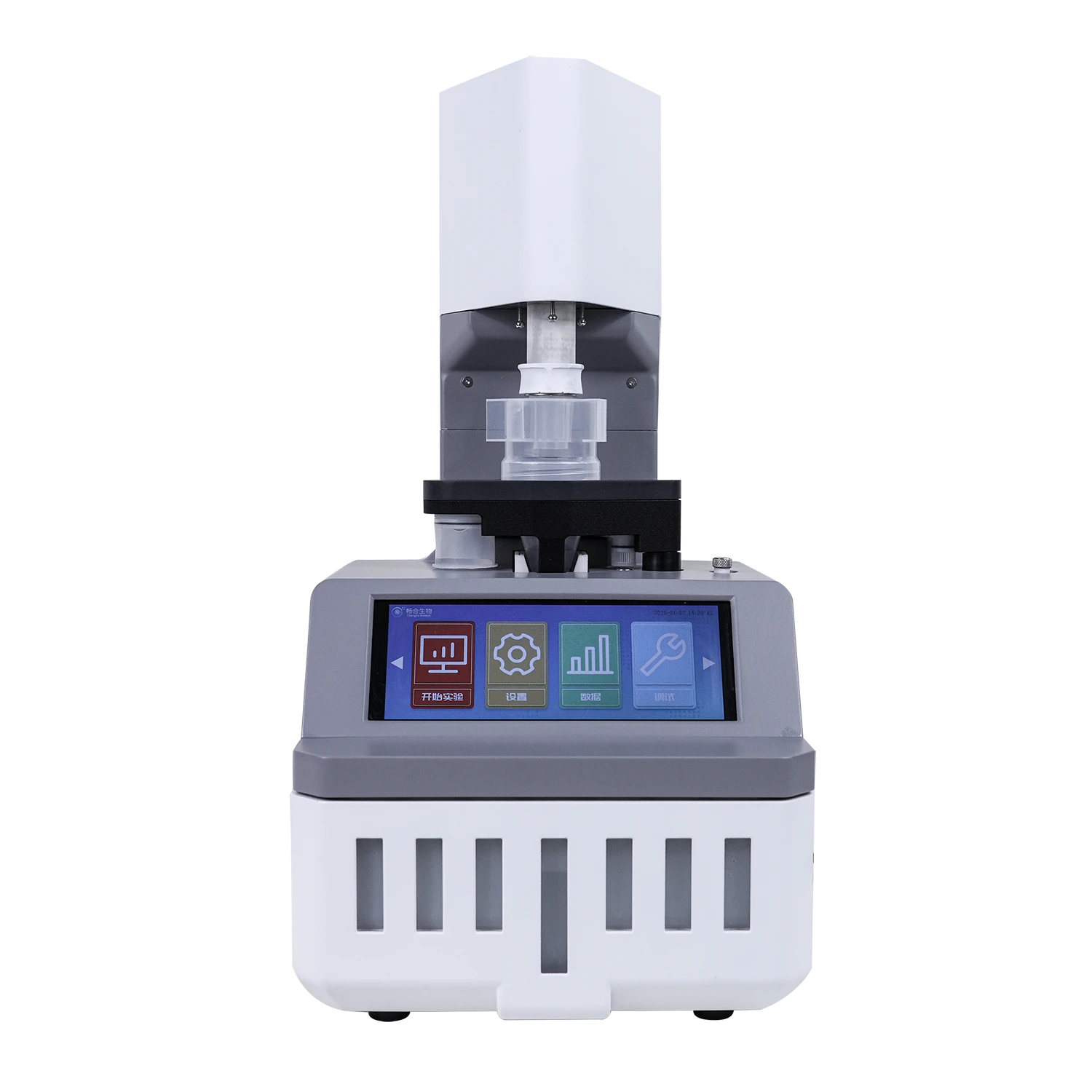

Understanding Digital PCR Instruments: Innovations, Applications & Global Impact
Understanding Digital PCR Instruments: Why They Matter Globally
Digital PCR instruments might sound like a niche topic reserved for high-tech labs, but their impact stretches far beyond. At the intersection of cutting-edge biotechnology and global health, these devices are quietly revolutionizing the way we detect and quantify nucleic acids — those strands of genetic material that shape everything from virus detection to cancer diagnostics.
Why does this matter? Because accurate and timely molecular quantification is critical to managing diseases, environmental monitoring, and even food safety worldwide. In an era where pandemics, antibiotic resistance, and climate change threaten populations, understanding digital PCR instruments — their potential, their scope — offers insights in tackling these challenges head-on.
Digital PCR Instruments in the Global Landscape
According to recent data from the United Nations and the World Health Organization, infectious diseases remain among the top causes of mortality globally. Early diagnosis and precise monitoring are lifelines in containing outbreaks. This is where digital PCR (dPCR) instruments come in — offering levels of sensitivity and quantification precision traditional methods can’t match.
The World Bank also highlights a growing demand in emerging economies for affordable, reliable molecular diagnostics — especially in rural and underserved areas. Despite progress, there's the persistent challenge of accurate pathogen quantification in low-resource environments where standard qPCR often falls short due to inhibitors or variability.
Digital PCR addresses these challenges by partitioning samples into thousands of smaller reactions, allowing absolute quantification without relying on standard curves. This means less guesswork, higher confidence. And that makes a difference.
What Exactly Are Digital PCR Instruments?
In simple terms, digital PCR is a technology designed to count DNA or RNA molecules by splitting a sample into thousands — sometimes millions — of tiny reaction chambers or droplets. Each contains zero or one target nucleic acid molecule, making the PCR amplification fate binary: either you see a positive signal or you don't.
This separation allows scientists to directly and precisely quantify the number of target molecules without relying on standard curves, which traditional quantitative PCR depends on. It’s much like counting the number of coins in piles rather than guessing their total weight.
Digital PCR instruments span from benchtop droplet readers to fully automated systems used in clinical, environmental, or agricultural labs. They are crucial in applications demanding the utmost accuracy, like detecting minimal residual disease in cancer or quantifying rare mutations in complex samples.
Core Components That Define Digital PCR Instruments
1. Sample Partitioning Method
The heart of digital PCR is how the sample gets divided: droplet-based systems, chip-based microfluidics, or microwell plates. This choice impacts accuracy, throughput, and ease of use. Droplet digital PCR is particularly popular for its scalability and sensitivity.
2. Thermal Cycling Module
Reliable thermal cycling — the repeated heating and cooling cycles to amplify DNA — is crucial. Many systems incorporate precise temperature controls with rapid ramp rates, enabling faster runs while maintaining amplification fidelity.
3. Detection System
Fluorescence detection, often via photodiodes or CCD cameras, is standard to identify positive reactions. Some instruments allow multiplexing — detecting several targets in one reaction — saving time and sample.
4. Data Analysis Software
Modern digital PCR instruments come with dedicated software for automated data interpretation, reducing operator bias and enabling easier reporting. Some platforms include cloud connectivity with digital pcr instruments for remote data management.
5. User Interface and Automation
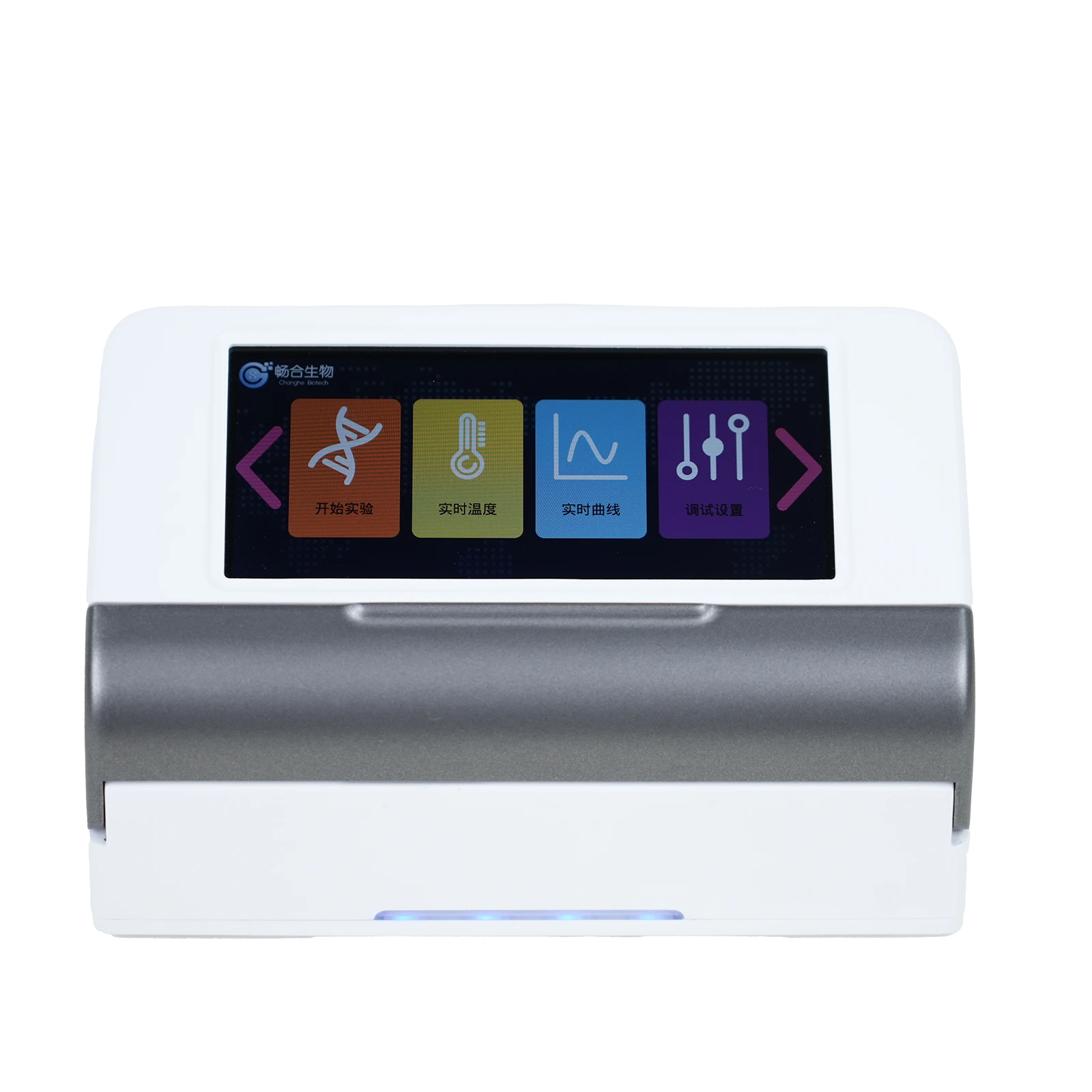
From touchscreens to robotic sample prep, ease of use varies widely. Automation boosts repeatability, especially in clinical labs processing large sample volumes.
Real-World Applications Across the Globe
Digital PCR instruments have found homes across healthcare, environmental science, food safety, and more, stretching from top-tier research centers in the US to field labs in Sub-Saharan Africa.
- Clinical diagnostics: Detecting low-abundance mutations in cancer or monitoring viral loads in HIV and hepatitis patients with unprecedented sensitivity.
- Environmental monitoring: Quantifying microbial contaminants in water or soil to ensure safety for communities and comply with ISO standards.
- Food industry: Identifying GMO content or pathogens like Listeria in food products to protect consumers.
- Post-disaster relief: In areas hit by natural disasters, rapid pathogen surveillance using portable digital PCR supports early public health interventions.
For example, during recent Ebola outbreaks, mobile labs equipped with digital PCR instruments enabled health workers in remote regions to rapidly detect viral presence earlier and isolate cases more effectively.
Advantages and Long-Term Value of Digital PCR Instruments
Why invest in these instruments? Besides the molecular level precision, there are tangible benefits that echo through budgets, workflows, and more intangible human factors.
- Cost-effectiveness: While initial costs can be steep, digital PCR reduces the need for expensive standards and repeat assays, saving time and money in the long run.
- Sustainability: Less reagent waste and fewer false positives contribute to greener lab practices.
- Reliability and Confidence: Results are absolute numbers, making diagnostics and research more trustworthy.
- Human impact: Early detection means earlier treatment, better patient outcomes, and in epidemic control, lives saved.
Product Specification Table: A Sample Digital PCR Instrument
| Specification | Details |
|---|---|
| Partition Method | Droplet-based microfluidics |
| Throughput | Up to 96 samples/run |
| Detection Channels | 2-4 multiplex fluorescence |
| Thermal Cycling Time | Approx. 2 hours (fast cycling option available) |
| Software Features | Automated data analysis, cloud-enabled reporting |
| Footprint | Benchtop, 0.5 m²; portable options available |
Comparing Leading Vendors of Digital PCR Instruments
| Vendor | Unique Features | Price Range (USD) | Best For |
|---|---|---|---|
| Quantabio | Ultra-fast cycling and cloud connectivity | $50,000 - $70,000 | Clinical diagnostics labs |
| Bio-Rad | Robust droplet generation, user-friendly interface | $60,000 - $80,000 | Research institutions |
| Stilla Technologies | Chip-based precision, multiplex up to 5 targets | $70,000 - $90,000 | Pharma and biotech industries |
| DropDx | Portable device optimized for point-of-care | $40,000 - $55,000 | Field diagnostics, remote areas |
Looking Forward: Trends to Watch in Digital PCR Instruments
The future feels bright for digital PCR. We're seeing trends like miniaturization — moving from bulky benchtop machines to portable devices. Combine that with AI-driven data analysis and integration into digital health platforms, and accessibility will skyrocket.
Sustainability is another hot topic: efforts are underway to develop consumables with biodegradable materials, and to reduce energy consumption overall. Plus, expansion into multiplexing capabilities means labs can analyze multiple genetic targets in one go, accelerating research or diagnosis.
Also, with rising demand for personalized medicine, digital PCR instruments are becoming invaluable in precision oncology, gene therapy monitoring, and even prenatal testing. Regulatory agencies, guided by ISO standards on molecular diagnostics, are increasingly recognizing the technology’s importance.
Common Challenges & Practical Solutions
Despite its advantages, digital PCR comes with hurdles. Cost is often cited; yes, entry-level prices are high compared to traditional PCR. But as the tech matures, economies of scale and competition are reducing price tags. Some labs also wrestle with interpretation complexities, especially when samples have inhibitors.
Experts advise robust sample prep and standardized protocols to overcome these issues. Furthermore, ongoing training and software improvements are smoothing the user experience.
FAQ: Frequently Asked Questions About Digital PCR Instruments
- How does digital PCR improve accuracy compared to qPCR?
- Unlike qPCR, which relies on quantification cycles and standard curves, digital PCR partitions samples into thousands of individual reactions, allowing absolute quantification of target nucleic acids, reducing variability and increasing sensitivity.
- Are digital PCR instruments suitable for low-resource settings?
- Yes, especially portable models designed for point-of-care. While some challenges remain (cost, power supply), innovations in compact devices and simplified workflows are making digital PCR increasingly accessible worldwide.
- What maintenance do digital PCR instruments require?
- Regular calibration of thermal cyclers and optical systems is recommended, along with cleaning or replacement of consumables like chips or droplet generators. Most vendors provide maintenance packages or remote diagnostics.
- Can digital PCR detect rare mutations in cancer samples?
- Absolutely. Digital PCR’s high sensitivity makes it ideal for detecting low-frequency mutations, aiding in early diagnosis and treatment monitoring in oncology.
- Is it possible to multiplex in digital PCR?
- Many modern instruments allow multiplexing, detecting multiple targets per reaction through different fluorescent dyes, increasing efficiency and conserving samples.
Wrapping Up: The Long-Term Payoff of Digital PCR Instruments
All in all, digital PCR instruments represent a leap toward more precise, reliable molecular biology. Whether you’re in a clinical lab, an environmental research station, or a field station battling emerging pathogens, these devices offer clarity, speed, and confidence that traditional methods struggle to match. The long-term social and economic benefits — better health outcomes, faster research, reduced waste — are just beginning to be tapped.
Interested in diving deeper? Visit our website at https://www.bioaerosolsampler.com for more insights into the latest digital pcr instruments and innovations.
References
-
Uniplex PCR Equipment for Industrial Biosafety & MonitoringNewsDec.08,2025
-
TB PCR Kit: A Veteran’s Take on Leading Diagnostic ToolsNewsDec.08,2025
-
Stem Loop Rt Pcr – Advanced Molecular Detection Solutions for Industry | Bio Aerosol SamplerNewsDec.08,2025
-
Reliable RT PCR RNA Virus Testing & Bioaerosol Sampling EquipmentNewsDec.07,2025
-
Rt Pcr Monkeypox: Advanced Viral Detection Solutions for B2B IndustriesNewsDec.07,2025
-
RT PCR Kit for Monkeypox Detection – Reliable Diagnostics ToolNewsDec.07,2025