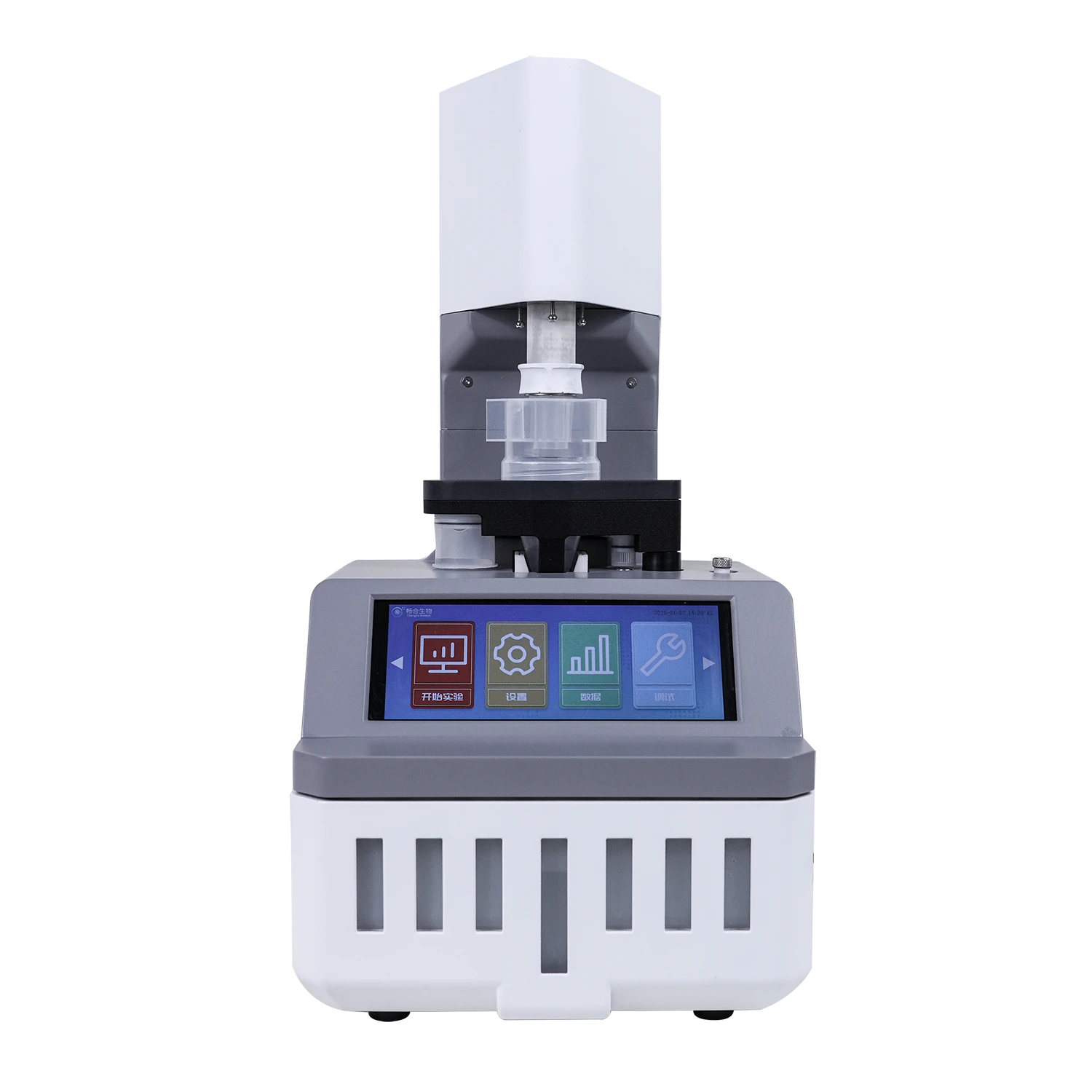

Everything You Need to Know About Quantitative PCR Machines for Modern Diagnostics
Why Understanding the Quantitative PCR Machine Matters Today
In the world of molecular biology and diagnostics, the quantitative PCR machine (often called qPCR) is a game-changer. It’s fascinating how this device, which measures DNA amplification in real time, isn’t just a lab curiosity but a vital tool impacting global health efforts, environmental monitoring, and even food safety. As we’ve seen during recent pandemics, the ability to quickly and accurately quantify viral loads can make or break public health responses. Globally, with infectious diseases still a top concern, understanding how these machines work and their benefits becomes crucial—not just for scientists, but for everyone invested in smarter diagnostics and better health outcomes.
Mini takeaway: A quantitative PCR machine isn’t just lab equipment; it’s a critical connector between raw data and actionable decisions worldwide.
Global Context: Why Quantitative PCR Machines Are Pivotal
According to the World Health Organization (WHO), rapid molecular diagnostics have revolutionized disease detection, reducing diagnostic delays significantly. For example, the global molecular diagnostics market was valued at over $13 billion in 2023—stark proof that qPCR technology is a rapidly expanding sector. Countries battling outbreaks rely on these machines to detect minute traces of viral DNA or RNA sooner. Yet, challenges remain: accessibility gaps, cost hurdles, and infrastructure issues limit broad deployment in low-resource areas.
In humanitarian and industrial contexts, a quantitative PCR machine helps overcome these obstacles by offering fast, accurate readings that save lives, reduce food contamination, or monitor biothreats. The UN’s Sustainable Development Goals even point toward enhanced diagnostic tools to improve health equity and response times (reference: SDG 3 - Good Health and Wellbeing).
Mini takeaway: As the demand for precise, robust diagnostics grows globally, the quantitative PCR machine stands out as a linchpin solution — but distribution and affordability remain key hurdles.
What Exactly Is a Quantitative PCR Machine?
Put simply, a quantitative PCR machine is an advanced lab instrument that amplifies and measures DNA sequences in real time. Unlike traditional PCR, which just shows whether a target DNA is present, qPCR quantifies the amount during each cycle, allowing researchers to know exactly how much DNA or RNA is there. This is especially important when measuring viral loads, gene expression, or pathogen detection.
The connection to industry is deep. In medical diagnostics, it can monitor diseases like HIV or COVID-19. In agriculture, it detects genetically modified organisms (GMOs). In environmental monitoring, it traces microbial contaminants in water supplies. It’s the bridge between complex genetic material and information that shapes decisions.
Core Components and Key Aspects of a Quantitative PCR Machine
1. Sensitivity and Accuracy
At its core, the qPCR machine’s greatest strength is its ability to detect minute quantities of nucleic acids with high precision. The fluorescence-based detection systems track DNA amplification in real time, meaning results can be trusted for clinical and research use.
2. Speed of Analysis
Time is often critical. Many models complete runs in under an hour, a huge upgrade over older methods. This speed directly improves patient outcomes or environmental decisions.
3. Scalability and Throughput
Different machines cater to 16, 96, or 384 well plates, making it flexible for labs ranging from small clinics to large research centers. Often, scalability also affects cost efficiency.
4. User Interface and Software Integration
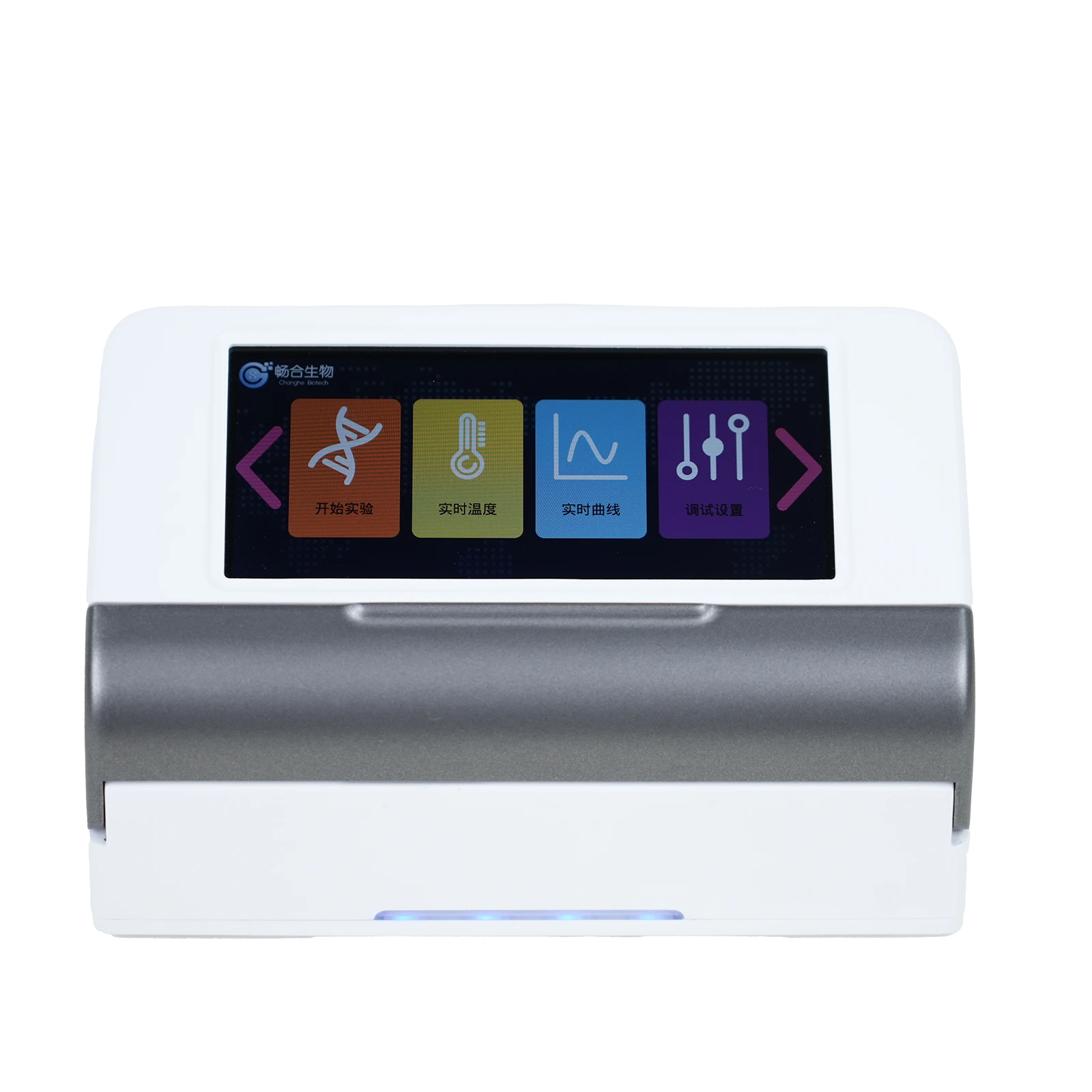
Modern qPCR devices offer intuitive interfaces and software for data analysis, sharing, and reporting. Integration with Laboratory Information Management Systems (LIMS) is common, which simplifies workflows.
5. Durability and Portability
Interestingly, more companies now design portable qPCR machines that can be used in field testing or remote areas, which was once unthinkable. Durability against environmental challenges is key here.
6. Cost and Maintenance
Though initial costs can be steep, many devices now prioritize lower maintenance or consumable costs, critical for wider adoption.
Mini takeaway: From speed to ease of use, every piece impacts how effectively a quantitative PCR machine serves its end-users — whether in a high-tech lab or a remote testing site.
Global Applications & Use Cases
- Public Health Diagnostics: Governments in Asia and Africa utilize qPCR machines extensively for detecting tuberculosis and viral infections before they spread.
- Food Industry: In Europe and North America, these machines test food products for contamination or allergens, ensuring safety across supply chains.
- Environmental Monitoring: Agencies in Australia use qPCR tech to track water quality, detecting microbial threats early.
- Post-Disaster Relief: Field teams equipped with portable qPCR machines in disaster zones (earthquakes, floods) rapidly screen water sources for pathogen outbreaks.
Overall, their versatility means qPCR machines are embedded in diverse sectors, from pharma R&D all the way to on-the-ground humanitarian efforts.
Advantages and Long-Term Value of Quantitative PCR Machines
Honestly, the biggest tangible benefit is trust — trust in the data guiding health, safety, and research decisions. For labs, the cost savings from reduced false positives and faster diagnosis add up quickly. Environmentally, the ability to detect minute pollutants early means fewer health crises down the road. Plus, socially, helping patients get timely treatment means dignity and lives saved.
Reliability is huge — many operators report some machines running thousands of tests with minimal downtime. It’s innovation turning into practical impact, with enduring connections to better global health and sustainable growth.
Future Trends & Innovations to Watch
The next frontier is clearly digital transformation, with AI-driven analysis improving result interpretation and cloud connectivity enabling instant data sharing worldwide.
Green initiatives are also making waves, where manufacturers strive to lower energy use or incorporate recycled materials in device construction. The trend toward miniaturized, battery-powered qPCR machines promises broader field deployment, particularly in low-resource settings.
Automation, too, is key — combining sample prep and PCR in a single instrument further shortens turnaround time. And policy frameworks rewarding faster response through molecular diagnostics push innovation forward.
Challenges & Solutions in Current Practice
Cost remains a significant barrier for many institutions, particularly in developing countries. Additionally, operational complexity can demand specialized training and infrastructure that aren’t always present on site.
Solutions are emerging:
- Modular, easy-to-use devices.
- Subsidies or bulk buying schemes to reduce prices.
- Cloud-based platforms to simplify data management.
Product Specification Table
| Feature | Typical Range | Details |
|---|---|---|
| Throughput | 16 to 384 wells | Matches lab size and workload |
| Run Time | 30–90 minutes | Depends on protocol and sample |
| Sensitivity | Detects as low as 10 copies | Critical for viral load measurement |
| Portability | Portable to benchtop | Field use models available |
| Software | Integrated analysis tools | Data QC, export, and LIMS support |
Vendor Comparison Table
| Brand | Typical Price Range | Unique Strength | Best for |
|---|---|---|---|
| BioRad CFX96 | $25,000–35,000 | Robust data analysis software | Research & clinical labs |
| Thermo Fisher QuantStudio | $30,000–40,000 | High-throughput capacity | Large scale testing centers |
| QIAGEN Rotor-Gene Q | $35,000–45,000 | Precise temperature control | Specialized research |
| Cepheid GeneXpert | $50,000+ | Integrated sample prep and testing | Point-of-care diagnostics |
FAQ: Common Questions About Quantitative PCR Machines
Q1: How fast can a quantitative PCR machine generate results?
Most qPCR runs take between 30 to 90 minutes depending on sample prep and the assay used. Faster protocols are emerging but generally, you should expect roughly an hour from start to finish. The quick turnaround is ideal for timely diagnostics.
Q2: Are quantitative PCR machines suitable for field use?
Traditionally, these machines were lab-bound but portable models now exist with battery power and rugged construction. These are increasingly used for on-site environmental testing or outbreak control in remote areas.
Q3: What maintenance does a qPCR machine require?
Routine cleaning, calibration, and software updates are essential. The frequency depends on usage intensity but with proper care, many machines maintain precision over years with minimal downtime.
Q4: Can qPCR machines detect all types of pathogens?
qPCR can detect virtually any pathogen if the right primers and probes are available. Its versatility allows broad applications from viruses and bacteria to fungi and genetic mutations.
Q5: How does a quantitative PCR differ from traditional PCR?
Traditional PCR tells you if the DNA is present or not; quantitative PCR tells you exactly how much DNA is in the sample in real time, which is vital for monitoring disease severity or treatment progress.
Conclusion: Why the Quantitative PCR Machine Remains Essential
The quantitative PCR machine stands at the intersection of science and real-world impact. By providing precise, rapid insights into genetic material, it empowers labs, clinics, and field teams worldwide to make informed decisions that save lives and improve safety. Whether you’re in a cutting-edge research facility or an emergency response unit in a remote location, this tech changes the game.
For those curious to explore or upgrade their qPCR capabilities, visiting https://www.bioaerosolsampler.com is a great place to start. Innovation never stops, and these machines will only become more indispensable moving forward.
References:
1. World Health Organization (WHO)
2. United Nations Sustainable Development Goals
3. Wikipedia: Quantitative PCR
-
Uniplex PCR Equipment for Industrial Biosafety & MonitoringNewsDec.08,2025
-
TB PCR Kit: A Veteran’s Take on Leading Diagnostic ToolsNewsDec.08,2025
-
Stem Loop Rt Pcr – Advanced Molecular Detection Solutions for Industry | Bio Aerosol SamplerNewsDec.08,2025
-
Reliable RT PCR RNA Virus Testing & Bioaerosol Sampling EquipmentNewsDec.07,2025
-
Rt Pcr Monkeypox: Advanced Viral Detection Solutions for B2B IndustriesNewsDec.07,2025
-
RT PCR Kit for Monkeypox Detection – Reliable Diagnostics ToolNewsDec.07,2025