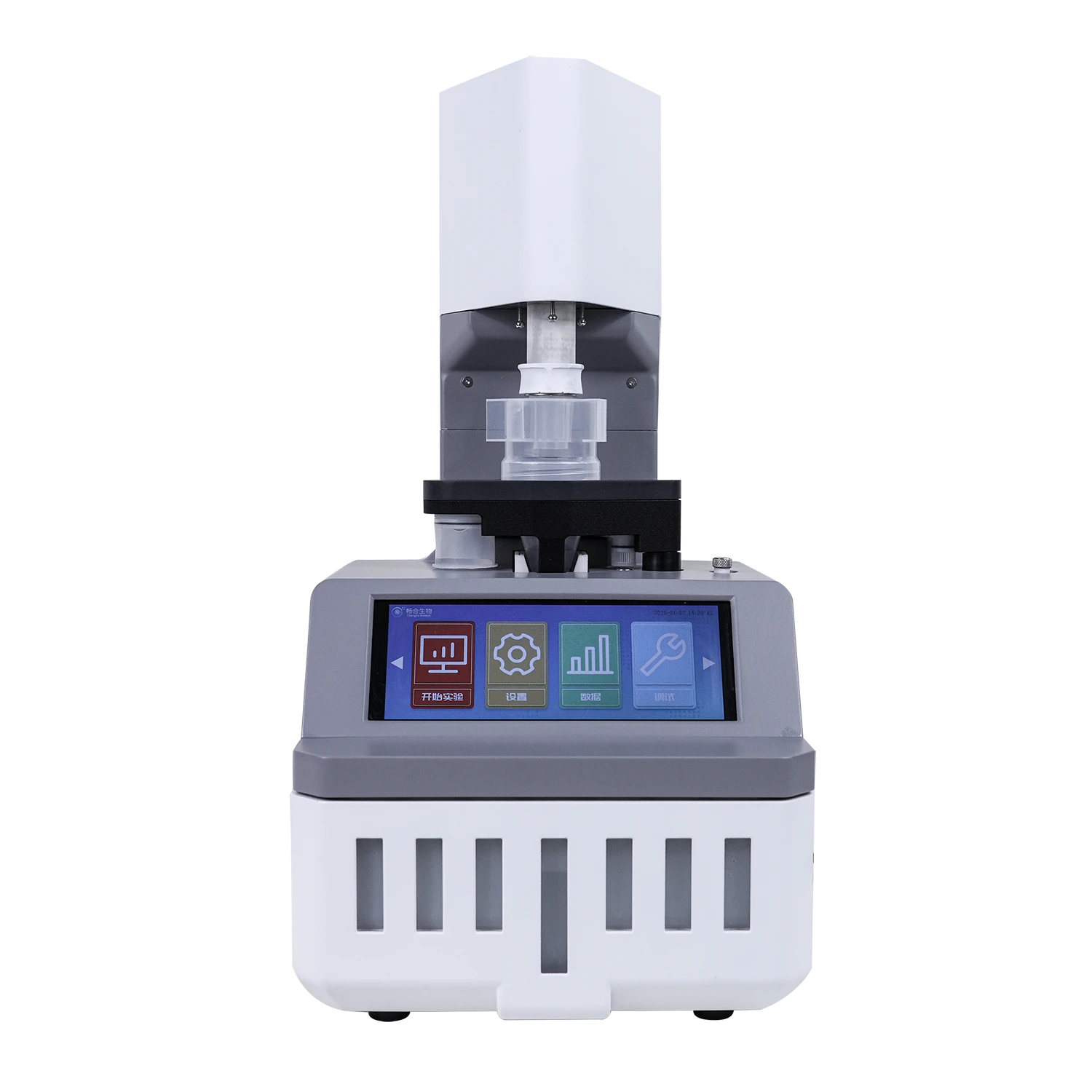

Open qPCR Solutions for Affordable and Flexible Molecular Diagnostics
Understanding Open qPCR: Why It’s Changing The Way We Detect & Diagnose
If you’ve ever wondered how scientists can detect tiny bits of viruses, bacteria, or genetic material so quickly and reliably, you’ve probably skated across the vast iceberg of open qPCR. In a nutshell, open qPCR is a form of quantitative polymerase chain reaction (qPCR) technology, designed with openness and flexibility at its core. It’s not just a fancy lab tool; it’s a global game-changer for disease diagnostics, environmental monitoring, and food safety — spreading its impact far beyond the lab bench.
Why does this matter? Well, in a world where a viral outbreak can spread faster than you can say “PCR,” having accessible, fast, and reliable testing methods is crucial. According to the World Health Organization, molecular diagnostics like qPCR remain the gold standard for detecting pathogens quickly. Open qPCR platforms help break down cost and proprietary barriers, making this powerful technology available to more researchers, clinicians, and even remote communities. Plus, it accelerates research innovations by allowing method sharing and customization.
A World in Need: The Global Relevance of Open qPCR
Globally, health crises like COVID-19 have pushed molecular diagnostics into the spotlight, and open qPCR solutions are a big reason testing became more widely accessible. The UN’s Sustainable Development Goal (SDG) 3 emphasizes good health and well-being — open qPCR directly supports this by enabling rapid detection of infectious diseases and pathogens in places that cannot afford expensive, closed proprietary machines.
Yet despite advances, challenges remain: labs in developing countries sometimes struggle with restrictive licensing or expensive reagents. That’s where open-source and open platform qPCR machines come into play — they allow users to tailor protocols, swap reagents, and even develop new primer designs. Essentially, open qPCR is becoming the “democratized” backbone of modern molecular diagnostics.
What Exactly is Open qPCR?
Let’s break it down — traditional qPCR machines detect and quantify DNA or RNA by amplifying target sequences using fluorescence signals. A “closed” system often locks you into one manufacturer’s reagents and software. An open qPCR system, however, offers transparency in hardware configuration and software control, often supports multiple chemistries and reagents, and encourages user innovation. That means more freedom, lower costs, and wider applicability.
From academia to humanitarian efforts, this openness helps push molecular tools toward practical, real-world uses — for example, quick pathogen detection in refugee camps or on-the-spot water quality testing in remote areas.
Key Factors Behind Successful Open qPCR Platforms
1. Flexibility and Customizability
Open qPCR devices usually allow user modifications—from cycling protocols to software interfaces. This is especially handy for researchers who want to experiment or adapt assays to local needs.
2. Affordability and Cost Efficiency
Because you’re not locked into proprietary consumables or software, open qPCR systems often come with drastically reduced operational costs — a big deal for labs on tight budgets.
3. Portability and Field Usability
Many open qPCR machines are compact and robust enough to operate outside traditional labs. Think mobile clinics or field stations in environments without stable infrastructure.
4. Data Accessibility and Transparency
Open-source software means raw data is accessible for independent verification, which builds trust and encourages collaborative improvements.
5. Compatibility with Multiple Reagents
Since the systems don’t restrict users to branded kits, labs can source local reagents, even custom formulations — crucial during supply chain disruptions.
Quick Takeaway
Open qPCR builds on the powerful science of PCR but opens the door wide for innovation, affordability, and real-world use — especially where it matters most.
How Open qPCR Is Used Worldwide: Real-Life Examples
Open qPCR’s versatility shows in the varied places it’s already making an impact:
- Post-disaster relief operations: After earthquakes or floods, quick pathogen screening in water can prevent outbreaks. Open qPCR devices fit the bill where mobility and speed are key.
- Remote industrial zones: Mining or oil field camps often need onsite health monitoring — no need to wait days for lab results.
- Agricultural monitoring in developing regions: Detecting plant pathogens early helps farmers avoid crop loss, boosting food security.
- Education and research: Open platforms allow universities with limited budgets to teach advanced molecular biology techniques.
Organizations like Médecins Sans Frontières and numerous NGOs favor open qPCR technologies for field diagnostics because they blend reliability and low cost. Regions like Sub-Saharan Africa, Southeast Asia, and Latin America are prime beneficiaries.
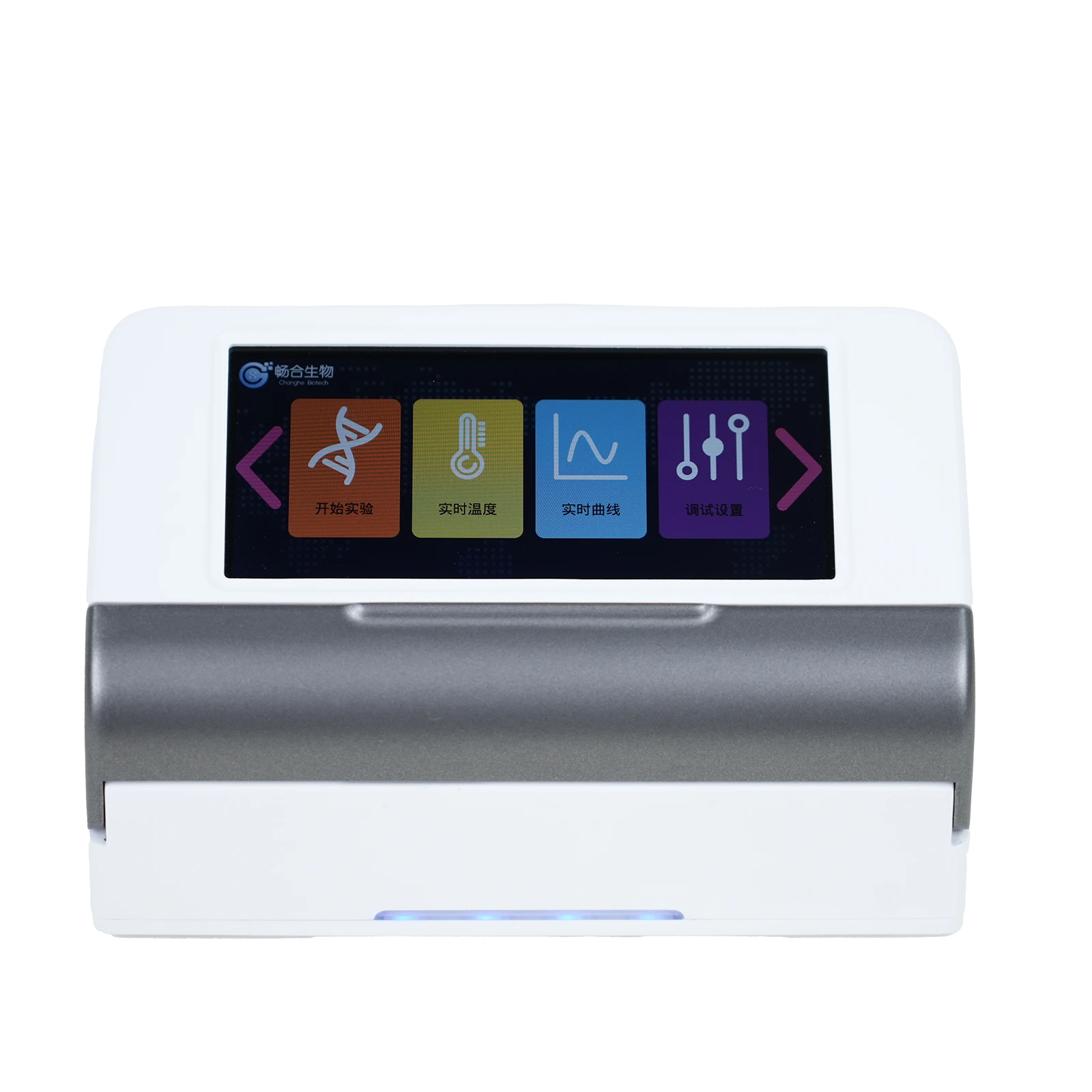
Practical Product Specifications of a Typical Open qPCR Device
| Specification | Typical Values |
|---|---|
| Cycling Channels | 4–6 Fluorescence Channels |
| Temperature Range | 4°C to 99°C ± 0.2°C |
| Sample Capacity | 16–48 wells (varies by model) |
| Connectivity | USB / Wi-Fi / Ethernet |
| Software | Open-source, customizable interface |
| Power | Battery (optional), 100–240 VAC |
How the Major Open qPCR Vendors Stack Up
| Vendor | Customizability | Price Range | Field Usability | Support & Community |
|---|---|---|---|---|
| Company A | High (open code, firmware) | $8,000–$12,000 | Good (portable, battery) | Strong user forums |
| Company B | Moderate (SDK, API available) | $10,000–$15,000 | Average (needs AC power) | Official support + community |
| Company C (Open Source) | Very High (fully open hardware/software) | $5,000–$9,000 | Excellent (rugged, portable) | Community driven |
Why Choose Open qPCR? Advantages and Value Over Time
Here’s the deal: open qPCR isn’t just a cost-effective quick fix—it offers long-term value. Economically, avoiding software lock-ins and proprietary reagents means labs can allocate funds to expanding testing capacity or developing new assays. From a sustainability perspective, open systems often use less plastic waste or allow reagent substitution.
Socially and ethically, rapid and reliable pathogen detection means lives saved and dignity preserved, especially in vulnerable populations. Trust in data — because it’s transparent and verifiable — also boosts collaboration across borders, research institutions, and public health bodies. In a sense, investing in open qPCR technology is investing in a more connected, safer future.
Looking Ahead: Trends and Innovations in Open qPCR
The open qPCR world is buzzing with innovation:
- Green Energy Integration: Solar-powered qPCR devices for fieldwork.
- Automation & AI Analytics: Self-optimizing protocols and machine learning for result interpretation.
- Material Advances: More robust, lightweight hardware using bioplastics and carbon composites.
- Cloud Connectivity: Devices uploading anonymized data to global health databases in real time.
These trends promise even greater impact, turning open qPCR into a cornerstone of digital global health.
Common Challenges & Smart Solutions
Of course, open qPCR isn’t flawless. Challenges include ensuring calibration stays consistent without proprietary kits, user training to avoid data misinterpretation, and supply chain issues for reagents. But experts find these hurdles quite surmountable:
- Community-driven protocol libraries and training videos to support users worldwide.
- Modular hardware designs that allow easy swapping of worn parts.
- Partnerships with local manufacturers to produce reagents and consumables regionally.
So, it’s a work in progress, with a vibrant crowd pushing boundaries.
FAQ: Your Quick Questions About Open qPCR
- What’s the main difference between open qPCR and traditional qPCR machines?
- Open qPCR platforms provide customizable hardware and software, allowing use of a wider variety of reagents and protocols. Traditional machines often restrict you to proprietary consumables and closed software systems.
- Can open qPCR be used effectively in remote or low-resource settings?
- Absolutely. Many open qPCR devices are built for portability, battery operation, and rugged environments, making them ideal for field diagnostics or labs without stable infrastructure.
- How does open qPCR reduce testing costs?
- It avoids vendor lock-ins by allowing use of generic reagents and open-source software, which lowers consumable expenses and initial investment compared to traditional closed systems.
- Is it difficult to switch to open qPCR if my lab uses a standard qPCR system?
- Transitioning requires some staff training and validation, but many users find open qPCR systems intuitive once familiar with the flexible protocols and software.
- Where can I learn more or get support for open qPCR?
- There are active online communities, forums, and open-source project sites dedicated to open qPCR. You can also visit open qpcr for resources and expert advice.
Wrapping It Up: Why Open qPCR Is Worth Your Attention
Open qPCR is more than a technological tool — it represents a shift toward accessibility, innovation, and collaboration in molecular diagnostics. The ability to adapt, customize, and deploy affordable pathogen detection empowers health workers, researchers, and communities worldwide to respond faster and smarter. As we face emerging diseases and global challenges, open qPCR stands ready as a trustworthy ally.
Curious to explore the latest open qPCR solutions? Visit our website: open qpcr for state-of-the-art devices and expert insights.
References
-
Uniplex PCR Equipment for Industrial Biosafety & MonitoringNewsDec.08,2025
-
TB PCR Kit: A Veteran’s Take on Leading Diagnostic ToolsNewsDec.08,2025
-
Stem Loop Rt Pcr – Advanced Molecular Detection Solutions for Industry | Bio Aerosol SamplerNewsDec.08,2025
-
Reliable RT PCR RNA Virus Testing & Bioaerosol Sampling EquipmentNewsDec.07,2025
-
Rt Pcr Monkeypox: Advanced Viral Detection Solutions for B2B IndustriesNewsDec.07,2025
-
RT PCR Kit for Monkeypox Detection – Reliable Diagnostics ToolNewsDec.07,2025