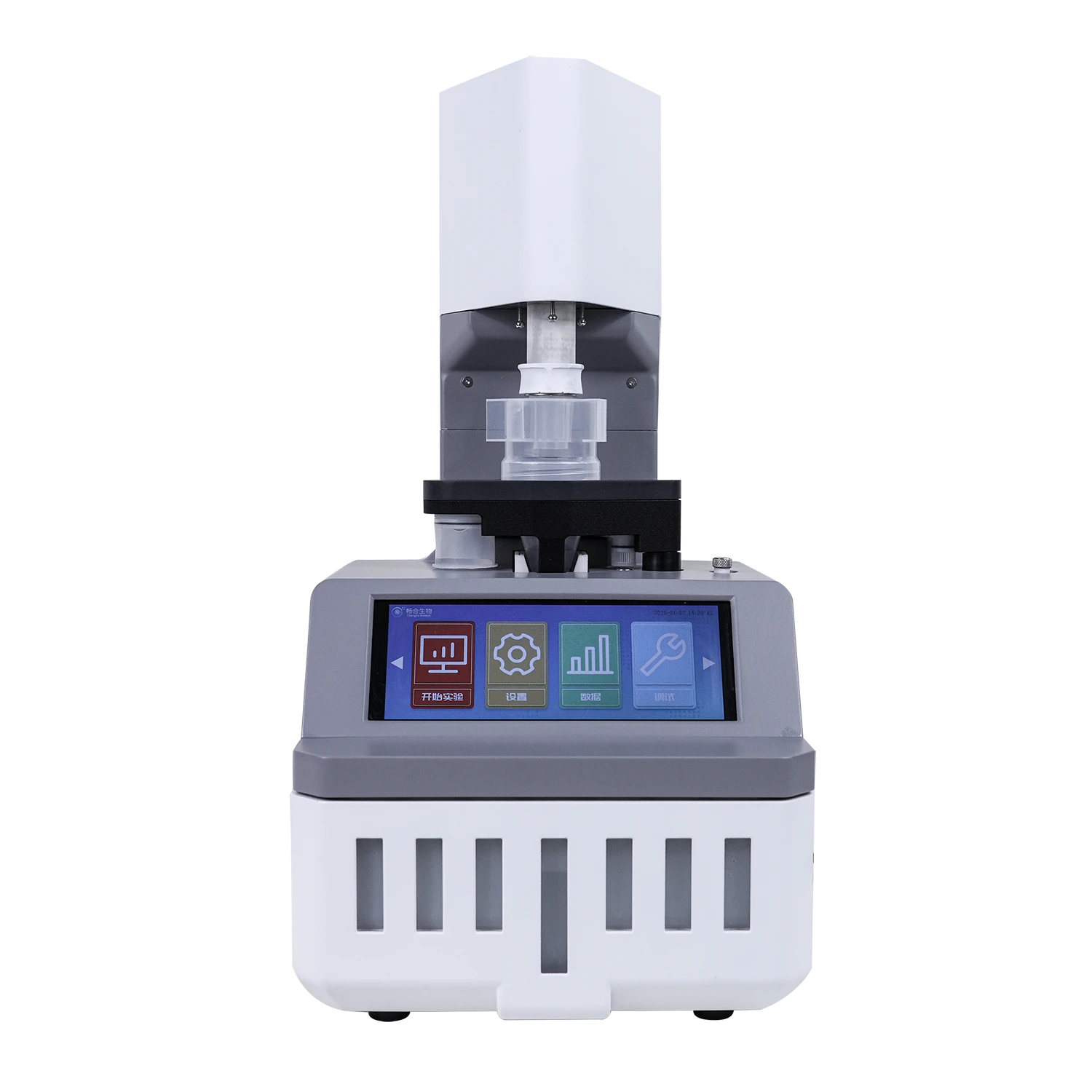

Personal PCR Machine – Portable, Accurate DNA & RNA Testing Solutions
Understanding the Rise of the Personal PCR Machine: A Global Perspective
Over the past decade, the concept of personal PCR machines has moved from specialized laboratory gear to an essential tool for health, research, and even environmental monitoring worldwide. But why is this shift so important, and what are the real-world benefits that come with understanding and adopting these devices?
Frankly, the ability to perform rapid polymerase chain reaction (PCR) tests at a personal or near-patient level has transformed how communities detect infectious agents, manage outbreaks, and even monitor quality control in specialized industries. Globally, this trend lines up with larger efforts to decentralize healthcare, bringing faster diagnostics to rural or underserved areas (which still account for over half of the world's population according to the United Nations).
In short, the personal PCR machine is more than a gadget—it’s a part of a global movement toward accessible, reliable, and instant testing technology.
Why Do Personal PCR Machines Matter Globally?
It’s worth considering the broader picture: infectious diseases cause nearly 17 million deaths worldwide annually (World Health Organization). Fast, sensitive diagnostics like the personal PCR machine can improve detection times, reduce transmission risk, and ultimately save lives. Especially in the wake of the COVID-19 pandemic, the demand for point-of-care testing surged, emphasizing the gap between centralized labs and remote areas.
The personal PCR machine addresses several key challenges:
- Accessibility: Testing no longer confined to large laboratories.
- Speed: Faster detection means quicker response and treatment.
- Cost-effectiveness: Cheaper instruments and reagents enable broader use.
- Portability: Useful in disaster zones, remote clinics, and even field research.
Oddly enough, even industries like food safety, agriculture, and environmental science are seeing the benefits of these compact PCR systems. It's not just healthcare anymore.
What Is a Personal PCR Machine?
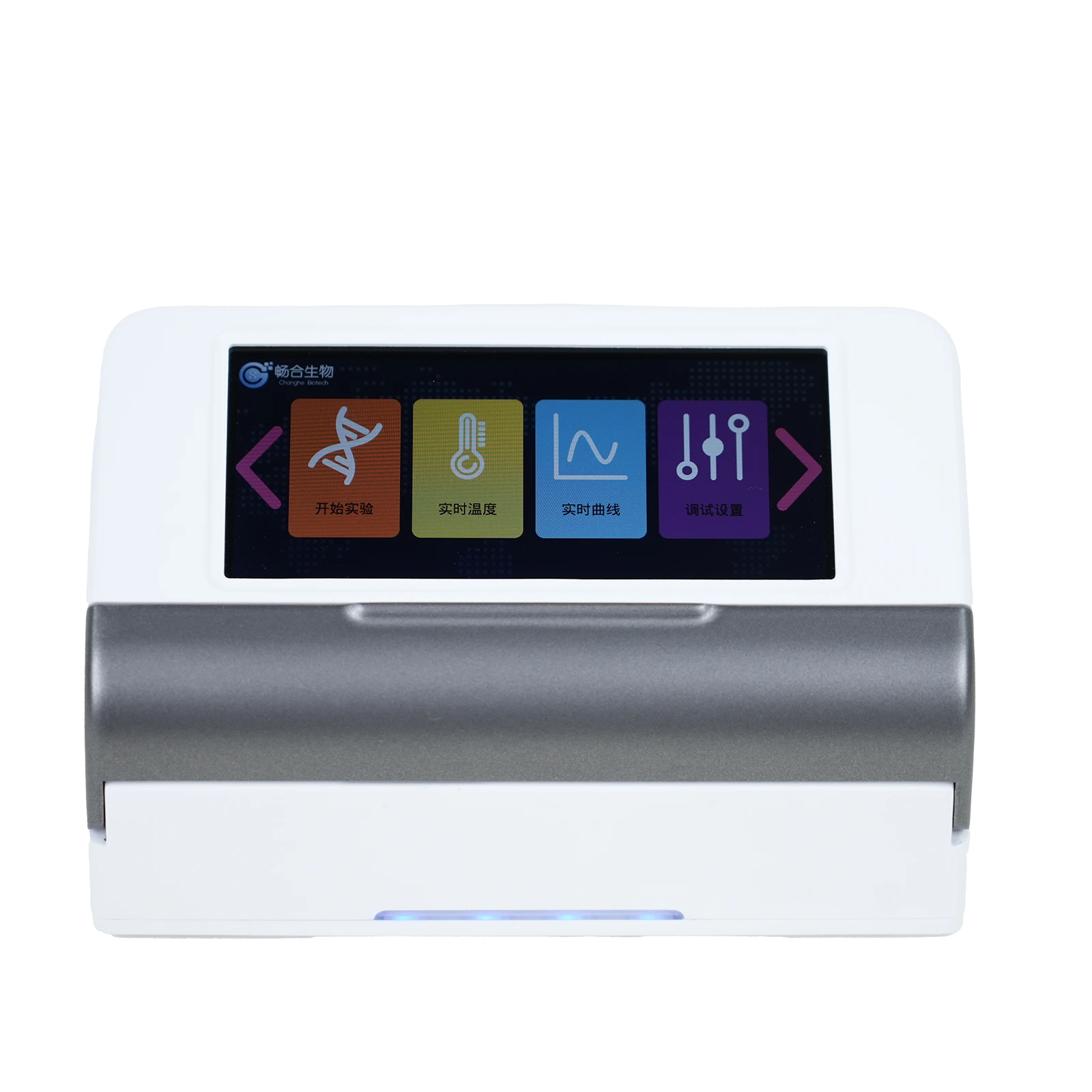
In simple terms, a personal PCR machine is a miniaturized, user-friendly version of the traditional thermocycler used in molecular biology. It allows users to amplify DNA or RNA segments on-site without the need for complex infrastructure or expert training. Think of it as your pocket-sized lab assistant, capable of running sensitive tests in under an hour.
They combine the essentials—thermal cycling, fluorescence detection—with intuitive software and often smartphone or tablet connectivity. Their rise corresponds with demands for faster diagnostics in fields ranging from infectious disease management to border control and biosecurity.
Core Components That Define Personal PCR Machines
1. Portability and Compact Design
The small footprint is critical. Many models weigh less than 1 kg and fit comfortably on a desk or can even be handheld. This means tests can be performed wherever they are needed—on a ship, in a refugee camp, or in a remote mining outpost.
2. User Accessibility and Ease of Use
Manufacturers focus heavily on user interfaces that require minimal training. Intuitive software, preloaded protocols, and automated analysis have made these devices accessible to non-specialists, expanding their reach dramatically.
3. Sensitivity and Accuracy
Despite their size, many personal PCR devices rival their lab counterparts in performance. Sensitivity to detect low viral loads or genetic markers is maintained, which is vital for early detection and precise results.
4. Power and Connectivity
Battery life and options for solar or alternative energy sources make these devices reliable even in places with unstable electricity. Wireless connections allow results to be sent directly to databases or clinicians, speeding up public health responses.
5. Cost Efficiency
While some early models were pricey, increased competition and innovation have driven prices down significantly, making personal PCR machines a viable investment for small clinics and NGOs.
Mini takeaway: A personal PCR machine is a sophisticated but user-friendly tool combining portability, accuracy, and fast connectivity — making it ideal for a variety of users and settings worldwide.
How Personal PCR Machines Are Deployed Around the World
Let’s talk applications. These devices shine not just in healthcare but across industries and regions:
- Healthcare: Rapid COVID-19 and influenza testing in airports, clinics, schools, and workplaces.
- Disaster Relief: In post-earthquake or flood zones, rapid pathogen screening helps contain outbreaks when infrastructure is down.
- Agriculture: Detection of plant pathogens in remote farming communities to prevent crop loss.
- Food Safety: Testing fresh produce or meat in supply chains to ensure compliance and consumer safety.
- Environmental Monitoring: Detecting allergens, pollutants, or invasive species in parks, rivers, and coasts.
For example, NGOs like Médecins Sans Frontières have integrated personal PCR machines in field hospitals in sub-Saharan Africa, cutting turnaround times from days to hours and greatly improving patient outcomes.
Advantages and Long-Term Value of Personal PCR Machines
Here’s the kicker: beyond the obvious technical benefits, these machines bring social value — helping build trust in communities by enabling immediate answers to health concerns, empowering local staff rather than constantly relying on external labs. Financially, they reduce costs associated with sample transport and delays.
A couple of key advantages include:
- Sustainability: Less need for cold chain logistics reduces environmental impact.
- Reliability: Robust designs withstand rough conditions.
- Innovation-friendly: Easier integration with emerging data platforms supports modern epidemiology.
Personal PCR Machine: Specifications at a Glance
| Feature | Typical Range | Description |
|---|---|---|
| Weight | 0.7 - 1.5 kg | Easy to carry and deploy |
| Thermal Cycling Speed | 30 - 45 min/run | Fast amplification cycles |
| Battery Life | 4 - 8 hours | Supports off-grid use |
| Connectivity | WiFi, Bluetooth, USB | Data sharing and cloud access |
| Sample Throughput | 1 - 16 samples/run | Scalable to user needs |
Vendor Comparison: Leading Personal PCR Machines
| Vendor | Price Range | Features | Ideal Use Case |
|---|---|---|---|
| BioRapid Inc. | $5,000 - $7,000 | Compact, fast, app integration | Clinics & field healthcare |
| GeneSwift | $7,000 - $9,500 | Multiplex testing, rugged design | Disaster relief & military use |
| QuickLab Tech | $4,500 - $6,000 | Affordable, reliable, cloud-ready | Small clinics & research |
Looking Ahead: Innovations in Personal PCR Machines
The future looks pretty bright here. Miniaturization continues apace, with nanoengineering promising even smaller, more sensitive devices. There's also a push toward greener PCR — devices powered by solar energy, using recyclable or biodegradable plastics.
Digital transformation merges with automation too, where AI-assisted diagnostics can interpret results instantly, reducing human error and speeding decision-making.
I personally find the trend to integrate PCR with other molecular techniques (like CRISPR-based diagnostics) fascinating: a potential game-changer for personalized medicine and environmental biosensing.
Current Challenges & Potential Solutions
That said, no tech is perfect. Many personal PCR machines still face:
- Reagent stability: Keeping reagents fresh without refrigeration is tricky.
- Costs of accessories: Disposable chips and sample prep kits can add up.
- Data security: Reliable transmission of sensitive health info demands strong encryption.
Thankfully, ongoing research aims to stabilize reagents with novel formulations; vendors increasingly include incentive pricing or bundle consumables; and standard protocols improve data protection.
Frequently Asked Questions About Personal PCR Machines
- How fast can a personal PCR machine deliver results?
- Most models provide results within 30 to 45 minutes, making them suitable for rapid diagnostics in urgent settings.
- Are personal PCR machines reliable compared to traditional lab equipment?
- Yes, many portable PCR machines achieve comparable sensitivity and specificity to conventional lab thermocyclers. Validation studies are always recommended before deployment.
- Can they be used outside clinical settings?
- Absolutely. They’re designed for use in diverse environments—from agricultural fields to emergency relief zones—owing to their portability and ease of use.
- What kind of training is required to operate these machines?
- Most systems come with user-friendly interfaces and detailed protocols requiring minimal training, often just a short orientation or video tutorial.
- Where can I learn more or purchase a personal PCR machine?
- For more details and trusted options, visit our recommended suppliers.
Final Thoughts
In real terms, the personal PCR machine is breaking barriers—making critical molecular diagnostics accessible anywhere and anytime. By decentralizing testing, we empower frontline workers, improve global health responses, and ultimately, create stronger, more resilient communities around the world.
If you’re in the market or simply curious, exploring this technology could be your next smart move. Discover more about these potential lifesavers and their evolving landscape at our product showcase.
References
-
Uniplex PCR Equipment for Industrial Biosafety & MonitoringNewsDec.08,2025
-
TB PCR Kit: A Veteran’s Take on Leading Diagnostic ToolsNewsDec.08,2025
-
Stem Loop Rt Pcr – Advanced Molecular Detection Solutions for Industry | Bio Aerosol SamplerNewsDec.08,2025
-
Reliable RT PCR RNA Virus Testing & Bioaerosol Sampling EquipmentNewsDec.07,2025
-
Rt Pcr Monkeypox: Advanced Viral Detection Solutions for B2B IndustriesNewsDec.07,2025
-
RT PCR Kit for Monkeypox Detection – Reliable Diagnostics ToolNewsDec.07,2025