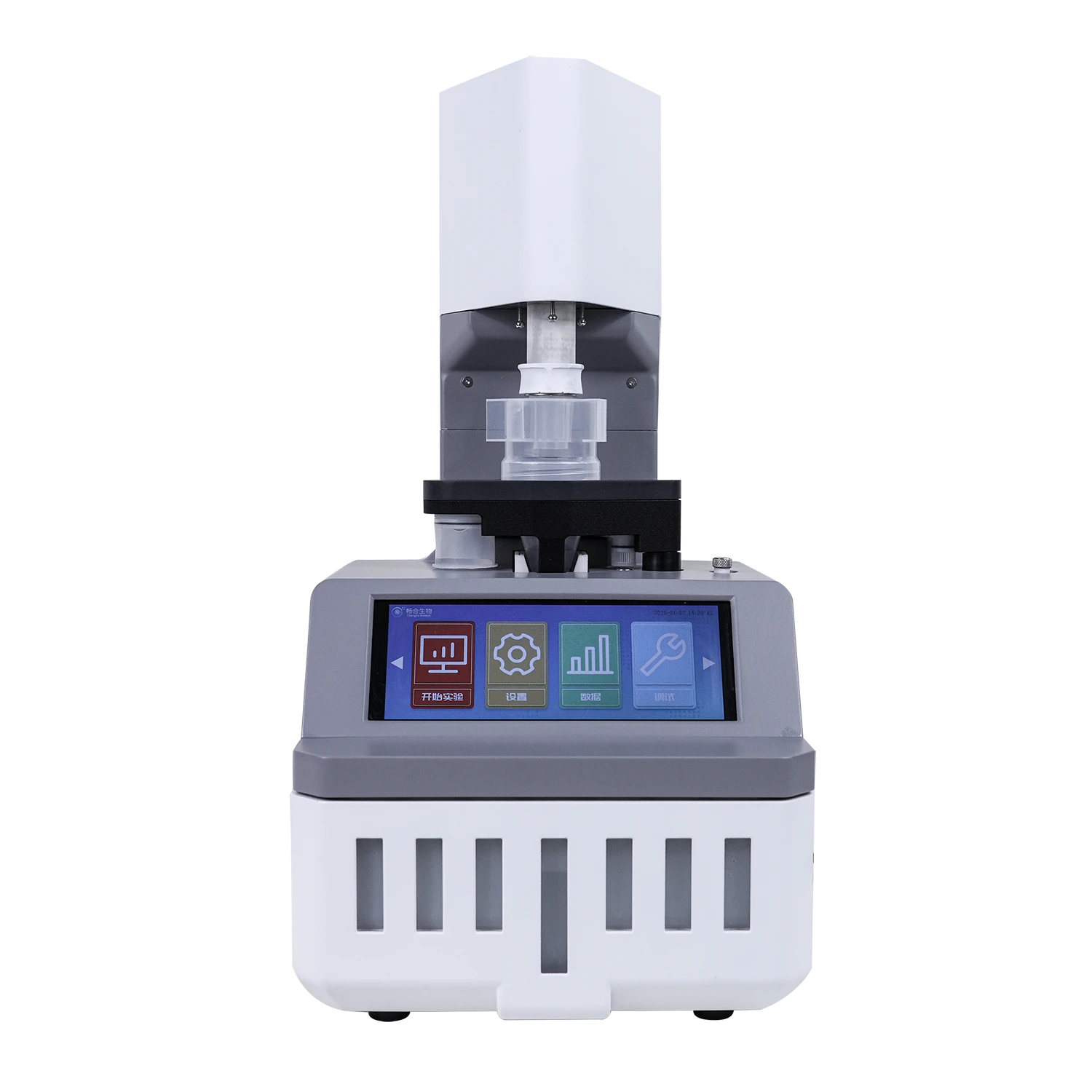

Comprehensive Guide to PCR Lab Equipment: Global Applications and Innovations
The Big Picture: Why PCR Lab Equipment Matters Globally
In an increasingly interconnected world, the importance of PCR lab equipment cannot be overstated. Whether for diagnosing deadly viruses, confirming outbreaks, or advancing research in genetics, the tools that power Polymerase Chain Reaction (PCR) analysis are foundational in public health, biosecurity, and even food safety. The global reliance on fast, accurate, and reliable PCR technologies has only intensified since recent events like the COVID-19 pandemic, shining a spotlight on how vital this equipment is for rapid detection and containment.
Understanding the nuances of PCR lab equipment—its components, applications, and challenges—gives industries, governments, and NGOs a significant edge in tackling biological threats worldwide, while also supporting sustainable and cost-efficient operations.
PCR Lab Equipment: A Snapshot of its Global Relevance
According to the World Health Organization (WHO), molecular diagnostic tests like PCR have become the gold standard for detecting pathogens due to their sensitivity and specificity.1 The global PCR market is projected to surpass $10 billion by 2026, driven largely by demand in regions fighting infectious diseases or advancing personalized medicine.
But the challenge remains: How to ensure that PCR lab equipment is accessible, robust, and scalable, especially in underserved or disaster-prone regions? Here lies the crossroads of innovation and humanitarian response. PCR lab equipment is not just about tech; it’s about lives, adaptability, and trust.
What Exactly is PCR Lab Equipment?
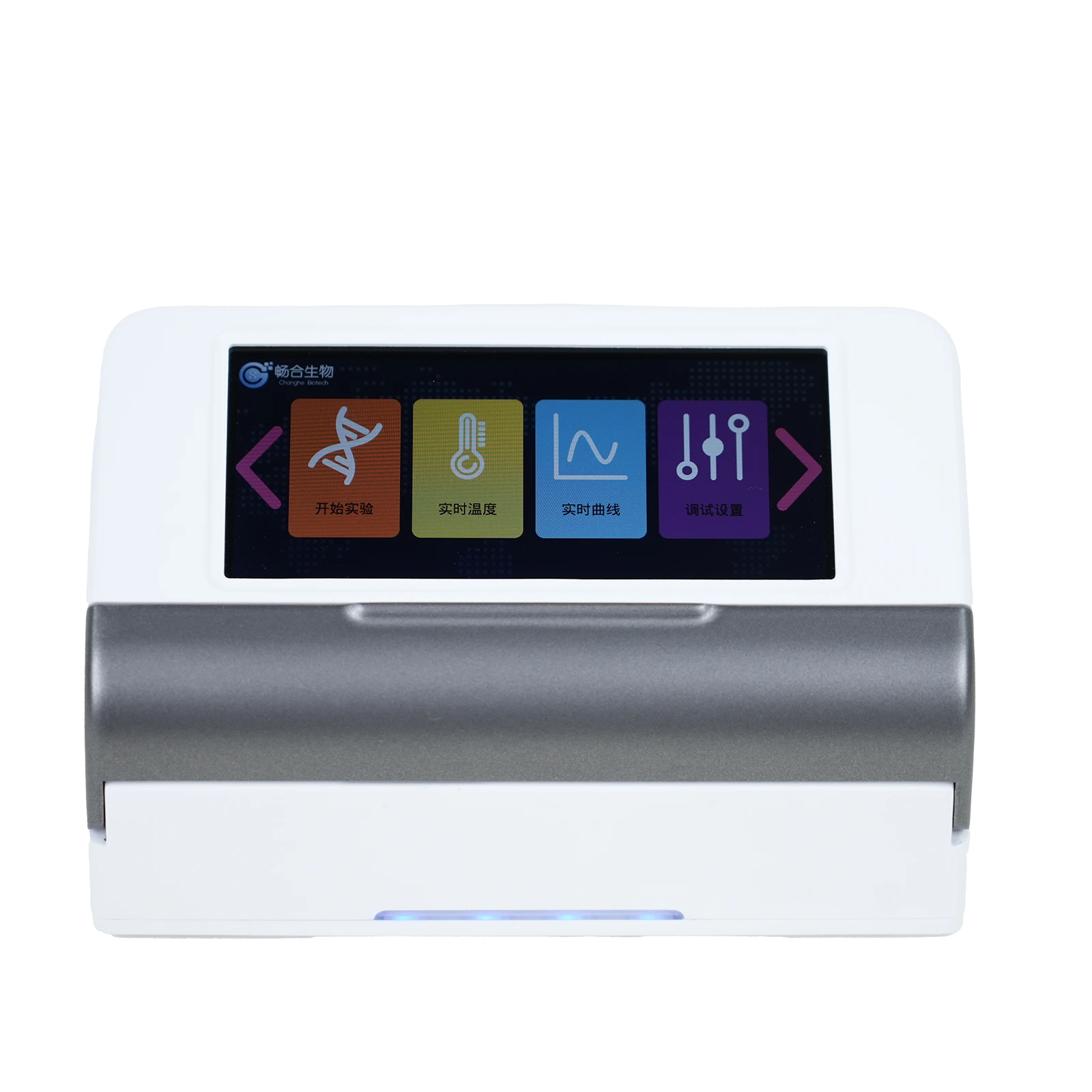
At its core, PCR lab equipment refers to the collection of specialized devices and instruments used to amplify DNA or RNA segments exponentially, enabling their detection and analysis. This ensemble typically includes:
- Thermal Cyclers: Machines that automate the cycling of temperatures to denature and replicate genetic material.
- Reagents and Consumables: Chemical components necessary for the reaction—enzymes, primers, nucleotides, etc.
- Detection Systems: Devices, often optical, to measure and interpret amplified DNA signals.
Importantly, PCR tech bridges the gap between laboratory research, clinical diagnostics, and field operations—making it indispensable to modern life sciences and emergency response efforts.
Core Components of Reliable PCR Lab Equipment
1. Accuracy and Sensitivity
Without highly accurate thermal control and sensitive detection, PCR results become unreliable. This affects everything from patient outcomes to the validity of scientific findings.
2. Durability and Portability
Especially critical for field deployments—think remote clinics or disaster zones—equipment must withstand harsh conditions without compromising performance.
3. Scalability and Throughput
Some labs need to process thousands of samples daily, while others require just a handful. Flexibility in throughput helps cater to diverse operational scales.
4. Cost Efficiency
Balancing top-tier performance with affordability drives broader access and sustainability. Consumables and maintenance can be surprisingly expensive if not carefully managed.
5. User-Friendly Interface
Not every operator is a scientist; intuitive software and clear protocols ensure that PCR tech reaches a wider audience safely.
Mini Takeaway:
Choosing PCR lab equipment isn’t just about picking the fanciest machines, but about matching precision, durability, and usability to the environment and needs at hand.
How PCR Lab Equipment is Making a Difference Globally
Across continents and industries, the applications are staggering:
- Healthcare: Clinics all over Africa and South Asia using portable PCR systems to detect malaria and tuberculosis rapidly.
- Food Safety: European and North American producers deploying PCR assays to detect contamination from pathogens like Listeria.
- Emergency Response: Post-disaster zones in Southeast Asia where mobile labs screen water sources for harmful microbes.
- Environmental Monitoring: Research centers in the Amazon tracking biodiversity and disease carriers using PCR tools.
Each example shows how well-equipped labs promote timely decisions, reduce disease spread, and improve overall public health.
Advantages & Long-Term Value of Investing in PCR Lab Equipment
Institutions investing in robust PCR setups often see a clear return—not only in financial terms but in improved safety, trust, and innovation potential. Tangible benefits include:
- Rapid Diagnostics: Faster results mean quicker treatments and containment.
- Reduced Waste: Efficient workflows and reusable instruments save resources.
- Enhanced Trust: Reliable testing builds public confidence especially during epidemics.
- Sustainability: Energy-efficient equipment and low-waste consumables align with green initiatives.
- Social Impact: Access to PCR diagnostics empowers communities and preserves dignity.
Realistic Product Specification Table: Sample PCR Thermal Cycler
| Specification | Value |
|---|---|
| Temperature Range | 4°C to 99°C |
| Ramp Rate | 4.5°C/sec |
| Sample Capacity | 96-well plate |
| Dimensions | 35 x 28 x 22 cm |
| Power Consumption | 120W |
| Weight | 6 kg |
Vendor Comparison: Leading PCR Equipment Manufacturers
| Vendor | Price Range | Portability | Customer Support | Warranty |
|---|---|---|---|---|
| BioTherm Inc. | $$$ | No | 24/7 Phone & Email | 3 Years |
| GeneXpress | $$ | Yes (Portable Versions) | Email Support | 2 Years |
| MicroLabTech | $$$ | Limited | On-site & Remote | 4 Years |
| QuickAmp Solutions | $ | Highly Portable | Online Chat & Hotline | 1 Year |
Looking Ahead: Innovations in PCR Lab Equipment
Technology never stands still, and neither does PCR lab equipment. Among next-gen trends:
- Integration with AI & Cloud: Smarter software automates interpretation, enabling real-time epidemiological tracking.
- Green Chemistry: Replacing potentially harmful reagents with eco-friendly alternatives.
- Miniaturization & Lab-on-a-Chip: Shrinking entire PCR workflows to handheld devices for ultra-portability.
- Energy Efficiency: Using low-power thermal cycling and solar-powered units for off-grid labs.
Common Issues and How Experts Address Them
Of course, nothing’s perfect. Common challenges include:
- Sample Contamination: Leading to false positives—mitigated by rigorous protocols and closed-tube assays.
- Cost Barriers: Particularly in low-income regions, solved in part with modular systems and reagent-sharing programs.
- Technical Expertise Shortage: Continuous training and user-friendly software help democratize availability.
FAQ: Frequently Asked Questions About PCR Lab Equipment
Q1: How portable is PCR lab equipment for field use?
Portable PCR devices are increasingly compact and rugged, allowing deployment in remote or disaster-affected areas. While they may handle fewer samples than full lab systems, their ability to deliver rapid results on-site is a game-changer.
Q2: What does maintenance for PCR equipment typically entail?
Maintenance usually involves calibration of thermal cyclers, cleaning optical sensors, and replenishing reagents. Regular upkeep ensures accuracy and prolongs equipment life, though exact schedules depend on manufacturer guidelines.
Q3: Can PCR lab equipment test for multiple pathogens simultaneously?
Yes, multiplex PCR protocols allow amplification of several target genes in one reaction, increasing efficiency and conserving resources—a boon in diagnostics and research alike.
Q4: How do labs manage the high cost of consumables?
Laboratories often negotiate bulk purchasing, use vendor-supplied kits optimized to reduce waste, or adopt reusable plastics when safe and feasible, balancing cost with quality.
Wrapping It Up: Why Investing in PCR Lab Equipment Pays Off
At the end of the day, robust PCR lab equipment is much more than a bundle of machines. It’s an investment in global health, rapid innovation, and scientific trustworthiness. From saving lives in outbreak zones to building environmental safeguards, PCR tech has quietly become part of our shared modern infrastructure.
If you’re interested in reliable and efficient PCR lab equipment, exploring trusted vendors, or learning more about innovations—don’t hesitate to dive deeper.
Quick Takeaway:
The future of diagnostics and research leans heavily on PCR technologies evolving to be more accessible, smart, and sustainable. Paying attention to quality, cost, and user experience today ensures we’re ready for tomorrow’s challenges.
References:
-
Uniplex PCR Equipment for Industrial Biosafety & MonitoringNewsDec.08,2025
-
TB PCR Kit: A Veteran’s Take on Leading Diagnostic ToolsNewsDec.08,2025
-
Stem Loop Rt Pcr – Advanced Molecular Detection Solutions for Industry | Bio Aerosol SamplerNewsDec.08,2025
-
Reliable RT PCR RNA Virus Testing & Bioaerosol Sampling EquipmentNewsDec.07,2025
-
Rt Pcr Monkeypox: Advanced Viral Detection Solutions for B2B IndustriesNewsDec.07,2025
-
RT PCR Kit for Monkeypox Detection – Reliable Diagnostics ToolNewsDec.07,2025