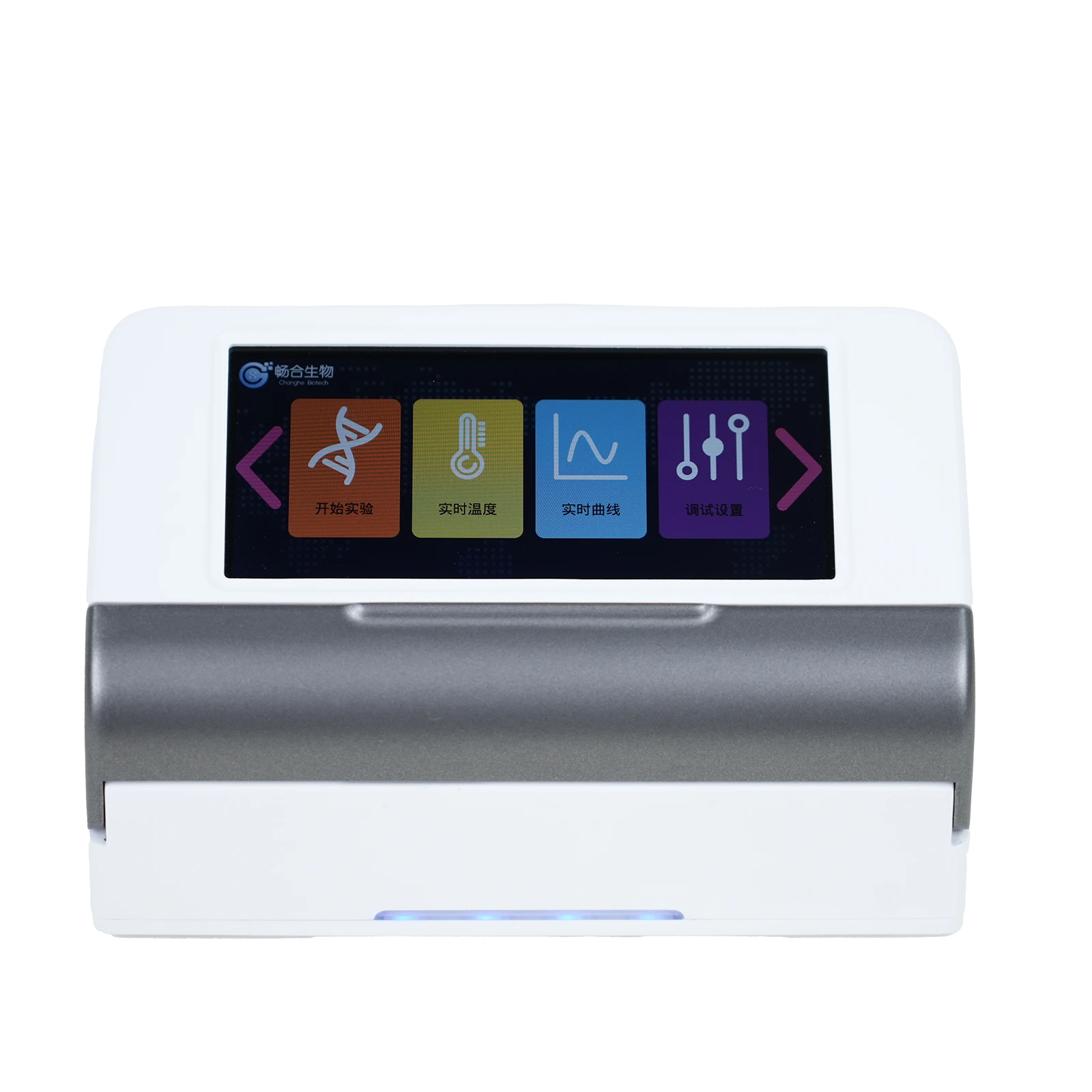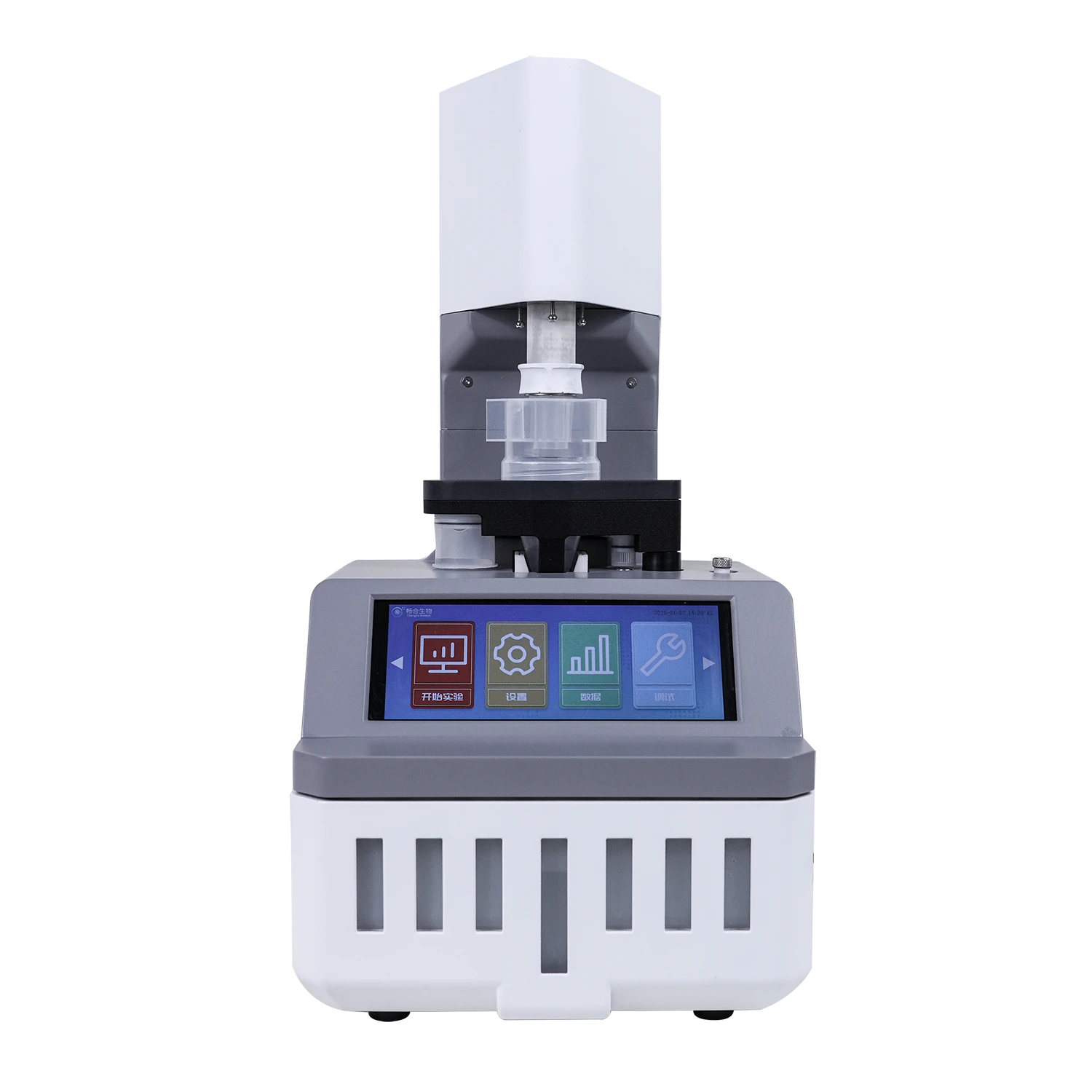

Multiplex PCR Machine – Advanced Multiplexed DNA & RNA Testing Solutions
The Multiplex PCR Machine: Why It Matters in Today’s World
In a world moving faster than ever, the need to detect multiple pathogens or genetic targets simultaneously has never been greater. Enter the multiplex PCR machine, a device that’s quietly revolutionizing fields from clinical diagnostics to environmental testing. Understanding how this tech works and why it’s so crucial opens doors to innovations in healthcare, agriculture, and even disaster response.
Introduction: The Global Push for Faster, Better Diagnostics
Globally, infectious diseases affect millions yearly, and the demand for quick, accurate, and cost-effective testing is soaring. The World Health Organization (WHO) estimates that rapid molecular diagnostic tools could reduce diagnostic delays by up to 50%, saving countless lives during outbreaks (1). Meanwhile, agricultural losses due to pests and diseases — monitored through multiplex PCR methods — negatively impact food security, especially in developing countries. These machines address a big challenge: testing multiple genetic markers at once without multiple runs, thereby accelerating results and reducing sample usage.
Frankly, in a pandemic era where time is everything, waiting days for a diagnosis isn't just frustrating—it can be deadly. Multiplex PCR machines allow reliable screening for several viruses or bacteria in a single go, making them indispensable in modern labs and field units alike.
Mini Takeaway: The multiplex PCR machine isn’t just fancy lab gear. It responds directly to pressing global health and sustainability needs.
What Exactly Is a Multiplex PCR Machine?
Simply put, a multiplex PCR machine is a laboratory instrument designed to amplify — that is, copy many times — several target DNA or RNA sequences simultaneously in a single test tube. This contrasts with traditional PCR machines that typically amplify only one target at a time.
Imagine trying to find multiple needles in a giant haystack—doing it one at a time is exhausting and slow. Multiplex PCR is like having a metal detector tuned to find many different metals together. The machine controls temperature, time, and reagent mixing precisely, enabling these simultaneous reactions, which is invaluable for complex diagnostic or research needs.
Its role extends beyond health: food safety inspectors test for several contaminants simultaneously, conservationists monitor biodiversity, and humanitarian agencies screen for multiple pathogens before deploying relief.
Core Components and What Makes These Machines Tick
1. Thermal Cycler Precision
The heart of the system is the thermal cycler, which controls the rapid heating and cooling cycles needed for DNA denaturation and polymerase activity. Precision here means consistent, reproducible results, even when juggling several different target sequences.
2. Multiplex Fluorescence Detection
Modern machines use specialized fluorescent probes tagged to different targets, allowing the system to differentiate signals simultaneously in real time. This means you can literally “see” multiple targets appearing as you run the test.
3. Scalability & Throughput
Depending on the machine, labs can run anywhere from a handful to hundreds of samples daily. Scalability is crucial for busy disease control centers or research facilities.
4. User-Friendly Software
Data analysis and result interpretation are only as good as the software driving them. Intuitive software eases adoption and reduces operator error, especially important in under-resourced settings.
5. Durability and Portability
In some scenarios, such as disaster sites or remote regions, sturdier and sometimes portable versions of multiplex PCR machines are preferred. These models balance ruggedness with analytical power.
| Feature | Typical Range / Description |
|---|---|
| Thermal Cycling Range | 4°C to 99°C |
| Target Multiplex Capacity | Up to 6 targets per reaction |
| Sample Throughput | 48 to 96 samples per run |
| Detection Technology | Multiplex fluorescence channels (3-5) |
| Run Time | 30 to 90 minutes |
| Portability | Models available (benchtop & portable) |
Mini Takeaway: Multiplex PCR machines are complex but rely on a few key elements to deliver multiple answers in one go.
Global Use Cases and Impact
The multiplex PCR machine finds practical uses worldwide:
- Healthcare: Rapid screening of respiratory illnesses (e.g., COVID-19, influenza, RSV) in hospitals across the US and Europe accelerates patient diagnosis and treatment decisions.
- Agriculture: In Sub-Saharan Africa, plant pathologists use multiplex testing to detect multiple crop diseases early, preventing yield losses.
- Disaster Relief: In post-flood areas of Southeast Asia, humanitarian teams deploy portable multiplex PCR units to test waterborne pathogens, protecting vulnerable populations.
- Food Safety: Regulatory bodies in the EU use multiplex PCR to test for various foodborne bacteria in a single batch, reducing turnaround time for food product clearance.
Interestingly, many emerging markets leapfrogging old diagnostic hurdles see multiplex PCR as a game changer, partly because it’s cost-effective when factoring in reagents and labor time.
Advantages and the Lasting Value of Multiplex PCR Machines
There’s more than just speed to this technology. The ability to multitask within a single assay means labs can conserve precious samples, crucial when specimens are limited. Financially, reducing the number of reactions means less reagent consumption, fewer consumables, and less energy use — a win for sustainability goals. Socially, faster and reliable tests foster community trust, helping authorities act swiftly during outbreaks.
On a personal note, healthcare workers repeatedly tell me that having multiplex PCR machines in their toolkit isn’t just about the tech — it feels like having a trusted colleague able to answer multiple tricky questions at once. That kind of confidence? Priceless.
Innovations on the Horizon
Automated sample prep integration, AI-supported data analysis, and miniaturization for field-deployable models are all bubbling up in recent patents. Plus, developers are exploring green chemistry reagents to lessen environmental impact, alongside enhanced digital connectivity allowing remote monitoring and reporting.
Multiplex PCR machines may soon be paired with CRISPR-based detection methods for even faster, more sensitive assays, which would truly turn lab-on-a-chip concepts into everyday realities.
Obstacles and How Experts Are Tackling Them
Yeah, not everything is perfect. Multiplex PCR assays sometimes suffer from primer-dimer formations and cross-reactivity, which can muddy results. Validation for multiple targets can be a headache, especially when new pathogens emerge.
Experts recommend rigorous assay design, software that flags suspect runs, and ongoing training. Some innovative companies offer on-demand support and pre-validated panels, reducing the learning curve for lab technicians.
Vendor Comparison: Finding the Right Multiplex PCR Machine
| Vendor | Max Targets | Throughput | Portability | Price Range (USD) |
|---|---|---|---|---|
| BioFast Tech | 6 | 96 samples/run | Benchtop only | $20,000 - $35,000 |
| GeneSprint Labs | 5 | 48 samples/run | Portable model available | $25,000 - $40,000 |
| Quantum Molecular | 4 | 72 samples/run | Benchtop only | $18,000 - $28,000 |
| Nexa BioSystems | 6 | 96 samples/run | Benchtop with rugged casing | $30,000 - $45,000 |
Frequently Asked Questions About Multiplex PCR Machines
Q1: How do multiplex PCR machines differ from standard PCR devices?
A: Standard PCR machines amplify one DNA/RNA target per reaction, while multiplex PCR machines analyze multiple targets simultaneously. This saves time, reduces costs, and conserves samples.
Q2: Are multiplex PCR machines suitable for field use?
A: Many manufacturers now offer portable multiplex PCR devices designed for rugged or remote conditions, ideal for outbreak settings or disaster relief.
Q3: What kind of training is required to operate these machines?
A: Basic molecular biology knowledge is essential. User-friendly software and vendor support reduce the learning curve, but hands-on training ensures best results.
Q4: How much does a typical multiplex PCR machine cost?
A: Prices vary from around $18,000 to $45,000 depending on features like throughput, multiplex capacity, and portability.
Q5: Can multiplex PCR technology detect new or mutating pathogens?
A: It can, but assays need constant updates and validation to reliably detect emerging strains. This remains a key challenge for labs worldwide.
Wrapping Up: Why Multiplex PCR Matters More Than Ever
Whether you’re running a clinical lab in a crowded city hospital or helping monitor food safety in a rural region, the multiplex PCR machine offers a powerful way to get more done — smarter, faster, and with less waste. With ongoing innovations, these machines promise to become even more vital in addressing future diagnostic challenges.
If you’re curious about integrating this technology or upgrading your existing setup, don’t hesitate to explore options on multiplex pcr machine.
References:
-
Uniplex PCR Equipment for Industrial Biosafety & MonitoringNewsDec.08,2025
-
TB PCR Kit: A Veteran’s Take on Leading Diagnostic ToolsNewsDec.08,2025
-
Stem Loop Rt Pcr – Advanced Molecular Detection Solutions for Industry | Bio Aerosol SamplerNewsDec.08,2025
-
Reliable RT PCR RNA Virus Testing & Bioaerosol Sampling EquipmentNewsDec.07,2025
-
Rt Pcr Monkeypox: Advanced Viral Detection Solutions for B2B IndustriesNewsDec.07,2025
-
RT PCR Kit for Monkeypox Detection – Reliable Diagnostics ToolNewsDec.07,2025