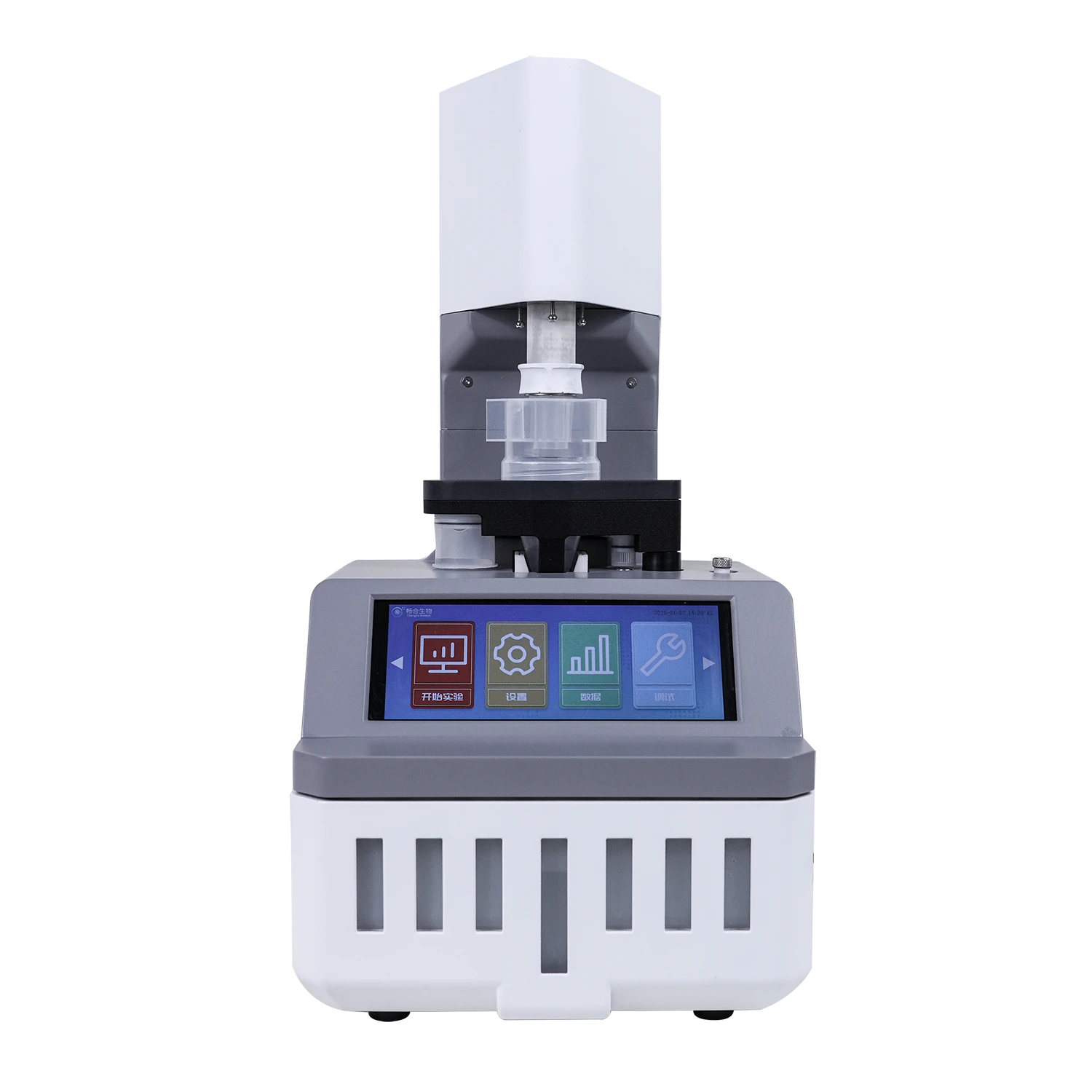

Automated RT PCR Machine – Fast, Accurate Molecular Diagnostics for Global Health
What Is an Automated RT PCR Machine and Why Should You Care?
If you’ve been following medical technology or the latest global pandemic news, chances are you’ve bumped into the term automated RT PCR machine. But beyond the buzz, what exactly is this device, and why does it matter so much on a global scale?
In simple terms, an automated RT PCR machine is a sophisticated laboratory device that directly impacts how quickly and accurately we detect RNA viruses — like SARS-CoV-2, influenza, and many others — by automating the process of reverse transcription-polymerase chain reaction (RT-PCR). This technology has become a linchpin in global health, speeding up diagnostics to save lives and control outbreaks. But beyond health emergencies, it's increasingly vital in biotechnology, veterinary health, and environmental monitoring.
Understanding automated RT PCR machines helps us appreciate how scientific innovation shapes real-world responses, and can even help healthcare professionals, lab managers, and policy-makers make smarter infrastructure choices. So, let’s break it down.
The Global Importance of Automated RT PCR Machines
Globally, the demand for accurate and fast molecular diagnostics has skyrocketed. The World Health Organization (WHO) reported a surge in RT-PCR testing capacity during COVID-19, with automated systems playing a crucial role. Automation in RT PCR essentially means higher throughput, less human error, and faster turnaround times — invaluable in a crisis where every hour counts.
But it’s not just pandemics. According to ISO standards on medical laboratory testing, standardizing and automating RT PCR improves reproducibility and data integrity worldwide. This matters especially in low-resource settings, where lab errors are more common due to manual handling.
The problem? Manual RT PCR is labor-intensive, prone to contamination, and slow. Automated RT PCR machines address these bottlenecks, offering consistent, reproducible results at scale — a game-changer for healthcare systems, research labs, and biosecurity agencies alike.
What Exactly Is an Automated RT PCR Machine?
Breaking it down simply: RT PCR stands for Reverse Transcription Polymerase Chain Reaction. It’s a molecular technique that converts virus RNA into DNA, then amplifies specific genetic segments so they become detectable. Traditionally, this was a manual, multi-step process — think pipettes, tubes, and a lot of waiting.
An automated RT PCR machine integrates RNA extraction, reverse transcription, amplification, and detection within one or more devices, often managed by software. This eliminates much of the manual labor, speeds the process, and reduces contamination risks. The "automated" part means less technician time, less error, and a lot more throughput.
In real-world terms, these machines are essential in hospitals, testing labs, veterinary clinics, industrial biosecurity, and increasingly in research facilities. They connect modern diagnostics with global health priorities in a remarkably efficient way.
Core Components of Automated RT PCR Machines
1. Sample Preparation and RNA Extraction
One of the trickiest parts of PCR is isolating the RNA from patient samples or environmental swabs. Modern machines often include automated extraction modules that use magnetic beads or chemical lysis to efficiently purify RNA. This step used to be a headache; automation makes it hands-off and consistent.
2. Thermal Cycling System
The heart of PCR — where temperature changes enable DNA amplification. Automated machines feature precision thermal cyclers, able to switch temperatures within seconds. This controls the biochemical reactions with high accuracy for reproducible results.
3. Real-Time Detection (Fluorescence Monitoring)
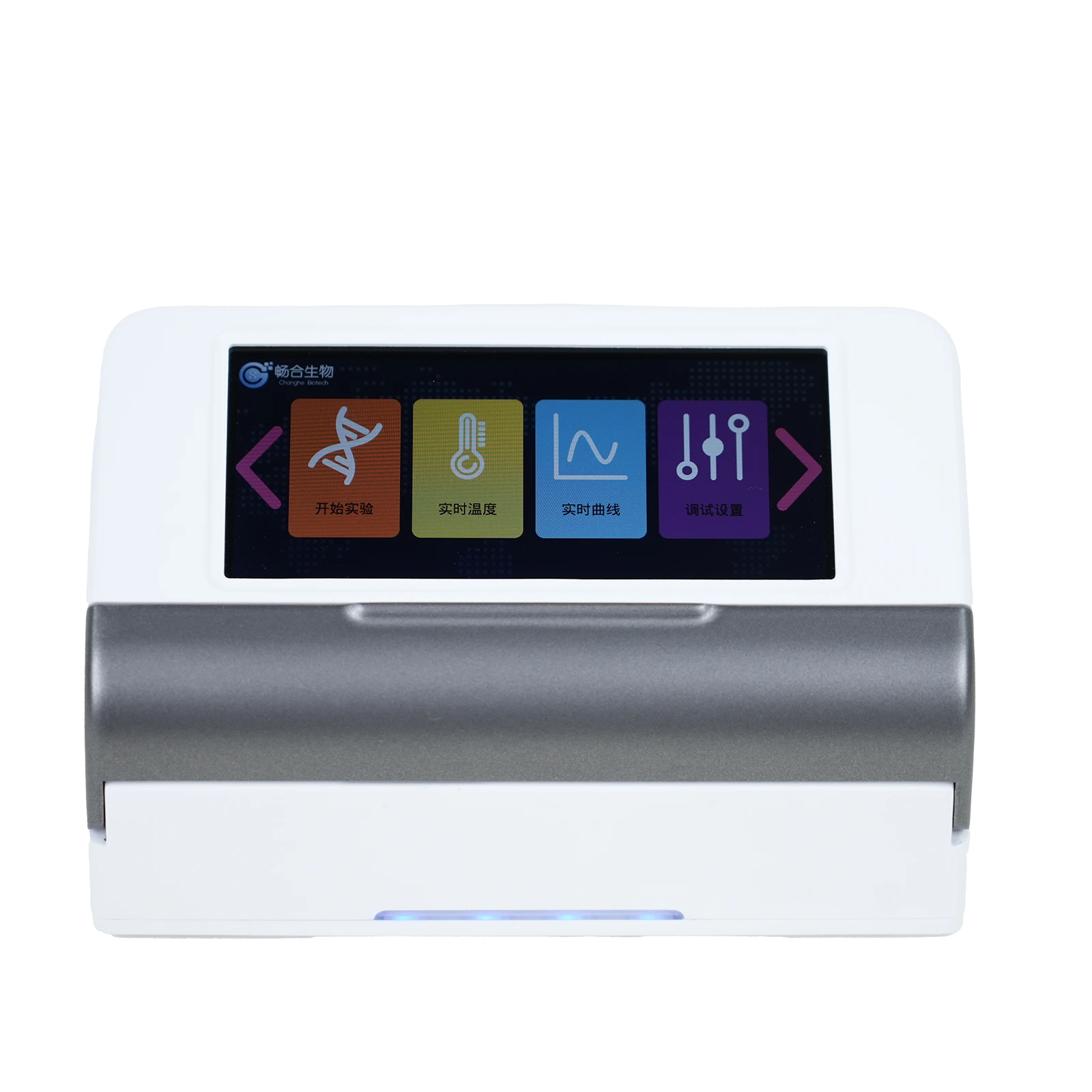
Automated RT PCR machines often include real-time fluorescence detection, where the machine measures amplified DNA quantities on the fly using fluorescent dyes. This optical system allows immediate data collection and often comes with integrated software for result analysis.
4. Integrated Software and User Interface
These systems are no longer just hardware — user-friendly software aids protocol setup, control, and data interpretation. Many devices also support laboratory information management systems (LIMS) integration, enhancing workflow and traceability.
5. Multiplexing Capability
Some automated RT PCR machines can detect several target genes at once — saving precious time and sample volume. This is especially helpful in viral panels or monitoring co-infections.
6. Compact and Scalable Design
From benchtop to industrial-scale, machines come in various sizes, suitable for labs of all levels. Scalability is critical in adapting to shifting testing demands without massive infrastructure changes.
Global Use Cases of Automated RT PCR Technology
In the thick of the COVID-19 pandemic, automated RT PCR machines became frontline heroes worldwide. From large urban hospitals in New York and London, to smaller clinics in rural India, the machines ensured testing scalability and speed.
- Public Health Monitoring: Governments use automated RT PCR instruments for border screening, community surveillance, and outbreak containment.
- Veterinary Diagnostics: Early detection of animal diseases like avian influenza leverages these machines to protect livestock and food security.
- Environmental Surveillance: Water quality labs detect viral RNA to assess contamination after floods or in wastewater systems.
- Pharmaceutical R&D: Automated RT PCR accelerates vaccine development and gene expression studies.
- Remote or Low-Resource Settings: Portable automated RT PCR systems expand testing access in regions with limited lab infrastructure.
One neat case is how the WHO deployed automated units during Ebola outbreaks in West Africa — saving precious time and reducing technician exposure to dangerous samples. Frankly, these devices have become indispensable beyond what many initially imagined.
Advantages and Long-Term Benefits of Automated RT PCR Machines
- Speed and Throughput: Automation slashes turnaround times from hours to under an hour in some cases, helping clinicians make quick decisions.
- Reliability: Reduced human error means more confident diagnoses and consistent data — vital for tracking epidemiological trends.
- Cost Efficiency Over Time: Although upfront investment can be steep, the reduced labor cost and higher capacity balance out expenses.
- Improved Safety: Minimizes sample handling risk for lab workers.
- Social Impact: Better diagnostic capacity supports timely treatment, controls outbreaks, and promotes community trust.
- Scalability: Adaptable for small clinics or large reference labs alike.
For any organization aiming to future-proof their diagnostics, automated RT PCR machines offer a durable, scalable, and innovative solution — blending technical reliability with meaningful social benefits.
Emerging Trends and Innovations in automated RT PCR technology
The excitement around automated RT PCR continues. For example, new machines are emphasizing robotics and AI-driven data interpretation to not only automate but intelligently optimize runs. Some labs experiment with green technologies — using less plastic consumables or energy-efficient thermal cyclers.
Digital transformation also means integration with cloud-based databases for real-time epidemiology tracking. And miniaturization promises more portable or even point-of-care solutions that bring lab capabilities out of the traditional lab setting.
Not to mention, multiplex panels are evolving rapidly — detecting dozens of viral strains simultaneously, which could be a huge asset for flu season and future pandemics.
Challenges and How to Overcome Them
Despite these advantages, automated RT PCR machines face hurdles:
- High Initial Cost: Smaller labs sometimes balk at capital investment. Leasing or modular expansion schemes can help ease this.
- Maintenance and Training: Sophisticated machines need skilled operators and ongoing servicing.
- Supply Chain Issues: Consumable shortages or hardware delays may disrupt testing.
- Data Integration: Systems don't always interface smoothly with existing hospital databases.
Addressing these requires robust vendor partnerships, investment in workforce training, and the adoption of open-standard software protocols. Increasingly, manufacturers offer remote support and training resources that lessen on-site burdens.
Automated RT PCR Machines: Quick FAQs
- How does an automated RT PCR machine improve testing accuracy compared to manual methods?
- Automation reduces manual pipetting errors and contamination risks by standardizing sample prep and amplification steps, improving overall accuracy and reproducibility of results.
- Can automated RT PCR machines be used in low-resource settings effectively?
- Yes, newer compact and portable models are designed for ease of use with minimal operator input, making them ideal for remote or low-infrastructure environments.
- What maintenance should an automated RT PCR machine regularly undergo?
- Regular calibration of thermal cyclers, cleaning of optical systems, software updates, and periodic mechanical checks help keep machines reliable and ensure test quality.
- Are test results from different automated RT PCR machine brands comparable?
- While methodologies are standardized (ISO/IEC 17025), minor variations exist. However, most reputable machines produce consistent results when protocols are followed correctly.
- How quickly can results be obtained from automated RT PCR testing?
- Depending on the device and protocol, results range from 30 minutes to 2 hours — significantly faster than many manual assays.
Choosing the Right Automated RT PCR Machine: A Comparison
| Specification | Model A | Model B | Model C |
|---|---|---|---|
| Throughput (Tests/Run) | 96 | 192 | 48 |
| Run Time | 90 min | 75 min | 60 min |
| Multiplex Targets | 4 | 6 | 3 |
| Automated Sample Prep | Yes | Partial | No |
| Software Integration | LIMS Compatible | Basic UI | Standalone |
| Price Range | $75K-$90K | $120K-$150K | $45K-$55K |
Comparing Top Automated RT PCR Vendors
| Vendor | Global Reach | Support & Training | Innovations | Pricing Model |
|---|---|---|---|---|
| BioTech Solutions | 140+ Countries | 24/7 Remote and On-site | AI Data Analysis | Lease or Purchase |
| GeneSmart Corp | 80+ Countries | Business Hours Remote Support | Eco-Friendly Consumables | Purchase Only |
| LabMetrics | 50 Countries | Online Training Portal | Portable RT PCR Units | Subscription-Based |
Thinking about boosting your lab’s capabilities with an automated rt pcr machine? Now’s the time — technology keeps improving, and so do the support ecosystems.
In Conclusion: Why Automated RT PCR Machines Are Here to Stay
All in all, automated RT PCR machines represent a fusion of science, technology, and foresight. They solve persistent problems around speed, accuracy, and scalability in diagnostics — issues that matter not only in pandemic preparedness but everyday medicine and environmental science.
If you’re running or managing a lab, considering automated RT PCR technology is more than just modernizing — it’s future-proofing your ability to respond quickly to emerging needs, scientific demands, and humanitarian challenges.
To learn more about automated rt pcr machine options and how they might fit your lab’s workflow, check out our detailed resources online.
References and Further Reading
-
Uniplex PCR Equipment for Industrial Biosafety & MonitoringNewsDec.08,2025
-
TB PCR Kit: A Veteran’s Take on Leading Diagnostic ToolsNewsDec.08,2025
-
Stem Loop Rt Pcr – Advanced Molecular Detection Solutions for Industry | Bio Aerosol SamplerNewsDec.08,2025
-
Reliable RT PCR RNA Virus Testing & Bioaerosol Sampling EquipmentNewsDec.07,2025
-
Rt Pcr Monkeypox: Advanced Viral Detection Solutions for B2B IndustriesNewsDec.07,2025
-
RT PCR Kit for Monkeypox Detection – Reliable Diagnostics ToolNewsDec.07,2025