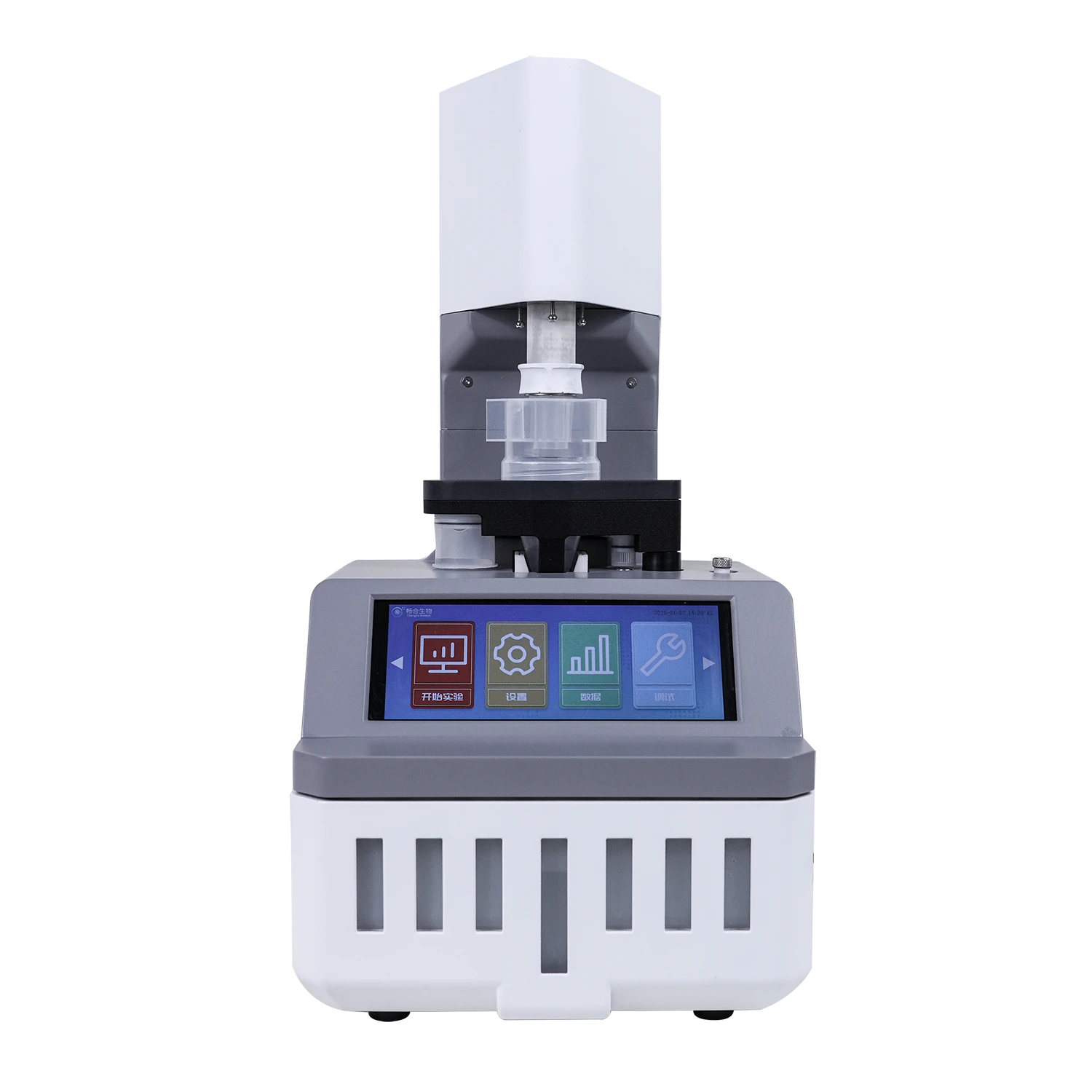

Understanding PCR Machines for COVID Testing: Technology, Benefits, and Global Impact
Understanding the PCR Machine for COVID: Why It Matters Globally
Since the SARS-CoV-2 pandemic reshaped our world, the PCR machine for COVID has gone from a niche laboratory tool to a global frontline hero in disease detection. But why does this matter so much? It’s not just about testing—it’s about early detection, controlling outbreaks, and ultimately saving lives. Understanding the role and benefits of PCR machines allows governments, healthcare systems, and even private companies to navigate this health crisis with data-backed confidence. Plus, their technology has ripple effects—improving diagnostics worldwide, from hospitals in New York to remote clinics in sub-Saharan Africa.
To put it simply: PCR machines help us see the virus before it spreads uncontrollably. Knowing their ins and outs is more than technical—it’s about global health security.
Global Context: COVID Testing and the Role of PCR Technology
The pandemic pushed the demand for reliable COVID-19 testing beyond imagination. According to WHO data, over 600 million PCR tests have been conducted worldwide as of 2023. The polymerase chain reaction (PCR) machine for COVID is the gold standard due to its accuracy and speed compared to antigen tests.
However, many challenges have emerged: varied testing capacities, supply chain bottlenecks, and regional disparities. Globally, PCR machines have been critical in:
- Enabling mass-scale testing in urban centers
- Providing diagnoses in rural or underserved zones
- Supporting contact tracing and epidemiological surveillance
Yet, even today, regions struggle with limited access to advanced PCR machinery, raising questions about global health equity and preparedness for future pandemics.
What Is a PCR Machine for COVID – Explained Simply
In essence, a PCR machine is a device that amplifies tiny fragments of viral genetic material from patient samples. This amplification makes it easier to detect the virus even when present in very low quantities. Think of it as turning up the volume on a whisper until you hear it loud and clear.
Specifically, the PCR machine for COVID uses reverse transcription (RT-PCR) because the coronavirus stores its genetic code in RNA, not DNA. The device cycles through heating and cooling phases to replicate this RNA after converting it into DNA, revealing infection presence.
This technology isn’t just cutting edge for COVID—it’s a critical part of molecular diagnostics, aiding in disease control and even research into virus variants.
Key Components That Make PCR Machines Tick
1. Thermal Cycler – The Heart of the Process
It rapidly heats and cools samples to enable DNA/RNA replication. Precision is key here—too much or too little heat can spoil results.
2. Optical Detection Systems
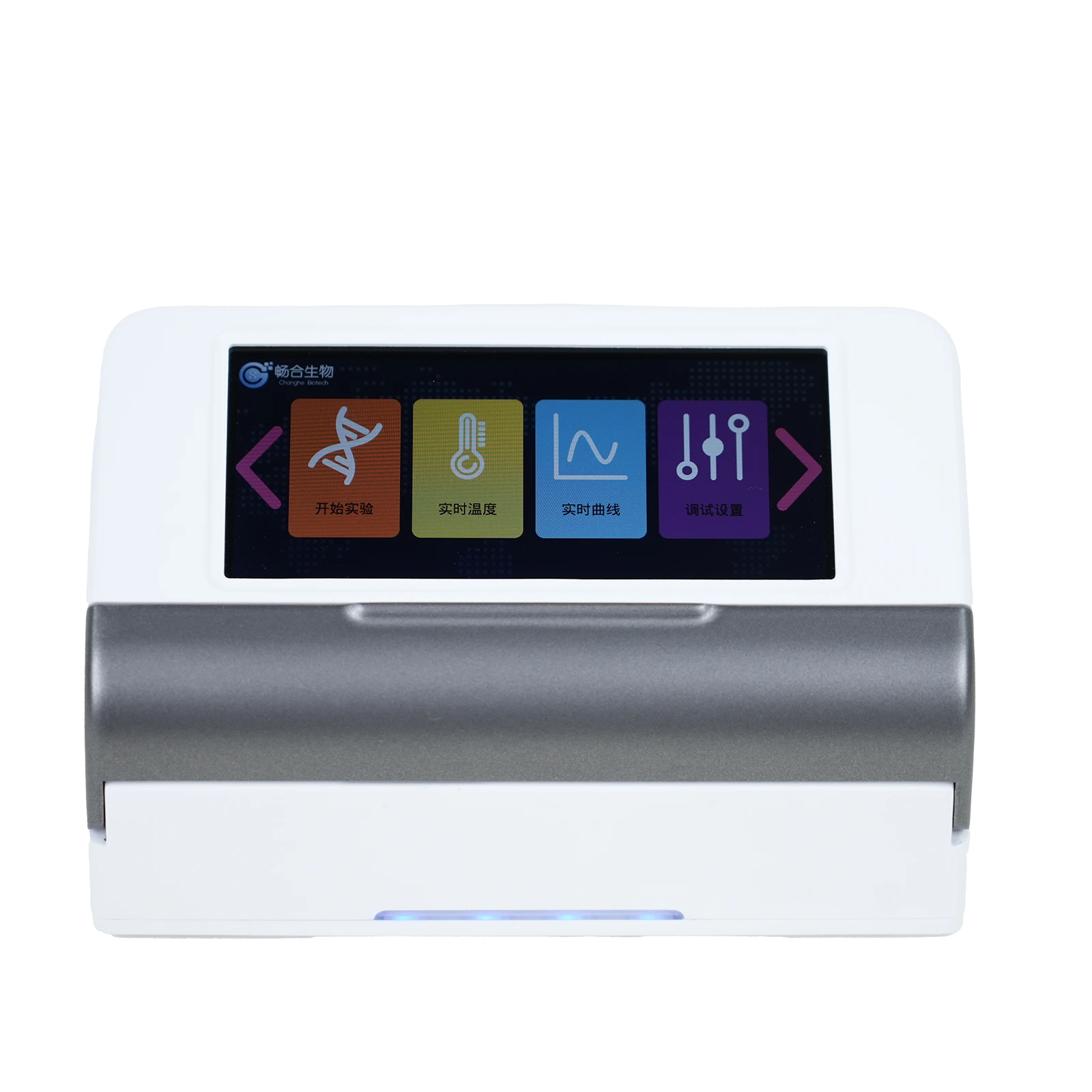
Many modern PCR machines detect amplified genetic material through fluorescence, providing real-time data rather than just end-point results. This enhances accuracy and speed.
3. Software and Data Analytics
Robust software interfaces help technicians interpret results quickly, often with AI-assisted algorithms to flag anomalies or confirm positives.
4. Portability and Scalability
A machine’s footprint matters. Smaller, portable PCR units have proved essential for on-site testing in airports, schools, and remote villages, while larger, scalable models handle high-throughput labs.
5. Reliability and Maintenance
Longevity, ease of calibration, and minimal downtime are indispensable in pandemic conditions—where every minute counts.
6. Cost Efficiency
Since PCR machines require reagents and consumables, affordability impacts their true value, especially in low-resource settings.
Mini takeaway: The perfect PCR device balances precision, usability, and accessibility to truly serve public health needs.
Where PCR Machines for COVID Are Changing the World
The practical impact of PCR machines can be seen from sprawling urban hospitals in the US to grassroots public health efforts in India.
- Urban Medical Centers: High-volume centers like those in Europe use high-throughput PCR machines to process thousands of samples daily.
- Rural or Underserved Areas: Portable PCR devices enable testing where lab infrastructure is scarce—crucial in Africa, South America, and parts of Asia.
- Emergency Response Teams: During outbreaks or localized surges, rapid deploy PCR machines help contain spread rapidly.
Oddly enough, even industries such as airlines and schools rely on PCR testing programs to maintain safe operations without lockdowns—a testament to the machine’s cross-sectoral value.
Advantages & Long-Term Benefits of PCR Machines in COVID Detection
- Accuracy: PCR tests detect even trace viral loads, reducing false negatives.
- Early Intervention: Rapid diagnosis allows timely quarantine or treatment.
- Data Reliability: Governments and organizations base policy decisions on robust, PCR-based case numbers.
- Economic Continuity: Confident testing programs reduce shutdowns and disruptions.
- Trust and Safety: In communities, reliable testing builds confidence in public health responses.
At an emotional level, PCR machines foster both hope and safety in uncertain times.
Looking Ahead: Future Innovations in PCR Technology
The PCR field is not standing still. Several trends deserve mention:
- Automation and AI: Next-gen devices will integrate robotics and smarter software to minimize human error.
- Green Energy Integration: Solar-powered PCR units could revolutionize testing in off-grid communities.
- Miniaturization: Lab-on-a-chip PCR tech promises faster, cheaper, and portable diagnostics.
- Multiplex Testing: Simultaneously detecting multiple pathogens to streamline diagnosis.
The merging of IoT and cloud technology offers real-time, geo-tagged pandemic data – a gamechanger for public health logistics.
Challenges: What Holds Us Back and How to Push Forward
Despite progress, some hurdles remain:
- Cost & Accessibility: High-end PCR machines remain pricey and supply-chain dependent.
- Training & Infrastructure: Skilled technicians and lab setups are not universally available.
- Reagent Shortages: Pandemic spikes can deplete critical supplies rapidly.
Experts suggest hybrid solutions — combining centralized labs with decentralized portable testers — and investment in supply resilience. NGO partnerships and local manufacturing could also be gamechangers.
Product Specification Table: Typical PCR Machine for COVID Testing
| Specification | Typical Value / Feature |
|---|---|
| Test Type | Real-time RT-PCR |
| Throughput | 96 - 384 samples per run |
| Run Time | 1.5 – 2 hours |
| Temperature Range | 4°C to 99°C |
| Detection | Fluorescent Probes / SYBR Green |
| Portability | Benchtop and portable models available |
| Software | Integrated with data analytics and reporting |
Vendor Comparison: Leading PCR Machines for COVID Testing
| Vendor | Throughput | Portability | User Interface | Approximate Cost |
|---|---|---|---|---|
| Thermo Fisher Applied Biosystems | 384 samples/run | No (Benchtop) | Touchscreen, intuitive | $50,000 – $75,000 |
| Bio-Rad CFX96 Touch | 96 samples/run | No (Benchtop) | User-friendly software | $30,000 – $45,000 |
| Cepheid GeneXpert | 1-16 samples/run | Yes (Portable) | Simple cartridge-based | $17,000 – $120,000 (depending on modules) |
| Qiagen Rotor-Gene Q | 72 samples/run | No (Benchtop) | Rotary design for uniform heating | $40,000 – $60,000 |
Frequently Asked Questions About PCR Machines for COVID
Q1: How fast can a PCR machine detect COVID-19 infection?
Typical PCR machines analyze samples within 1.5 to 2 hours, but rapid protocols can reduce this to under an hour. The overall time depends on sample prep and throughput volume.
Q2: Can portable PCR machines provide the same accuracy as lab-based ones?
Portable PCR machines generally use the same fundamental process and offer comparable accuracy, but might have lower throughput. They are excellent for point-of-care testing when lab access is limited.
Q3: Are PCR machines for COVID reusable or single-use?
The machines themselves are reusable; however, consumables like reaction tubes or cartridges are disposable to prevent contamination.
Q4: What are typical operating costs beyond the machine price?
Reagents, consumables, maintenance, and trained personnel represent ongoing costs—often matching or exceeding the initial device price over time.
Q5: How does PCR testing relate to variant detection?
PCR tests can be tailored to target variant-specific mutations, aiding public health officials in tracking evolving strains of the virus.
Mini takeaway: While technical in nature, understanding these FAQs helps healthcare providers and policymakers make informed decisions about PCR testing deployment.
Wrapping Up: Why PCR Machines Remain Vital in COVID Management
The PCR machine for COVID is more than a device; it’s a pivotal tool that empowers us to fight a microscopic enemy with microscopic precision. Its versatile applications, from high-throughput urban labs to off-grid testing kiosks, show just how indispensable it has become.
With ongoing innovations, rising accessibility, and global collaboration, PCR remains critical—not only for managing the current pandemic but for future public health preparedness.
If you’re exploring reliable PCR testing options or want to learn about the latest advancements, don’t hesitate to visit our site for more info on pcr machine for covid.
References
-
Uniplex PCR Equipment for Industrial Biosafety & MonitoringNewsDec.08,2025
-
TB PCR Kit: A Veteran’s Take on Leading Diagnostic ToolsNewsDec.08,2025
-
Stem Loop Rt Pcr – Advanced Molecular Detection Solutions for Industry | Bio Aerosol SamplerNewsDec.08,2025
-
Reliable RT PCR RNA Virus Testing & Bioaerosol Sampling EquipmentNewsDec.07,2025
-
Rt Pcr Monkeypox: Advanced Viral Detection Solutions for B2B IndustriesNewsDec.07,2025
-
RT PCR Kit for Monkeypox Detection – Reliable Diagnostics ToolNewsDec.07,2025