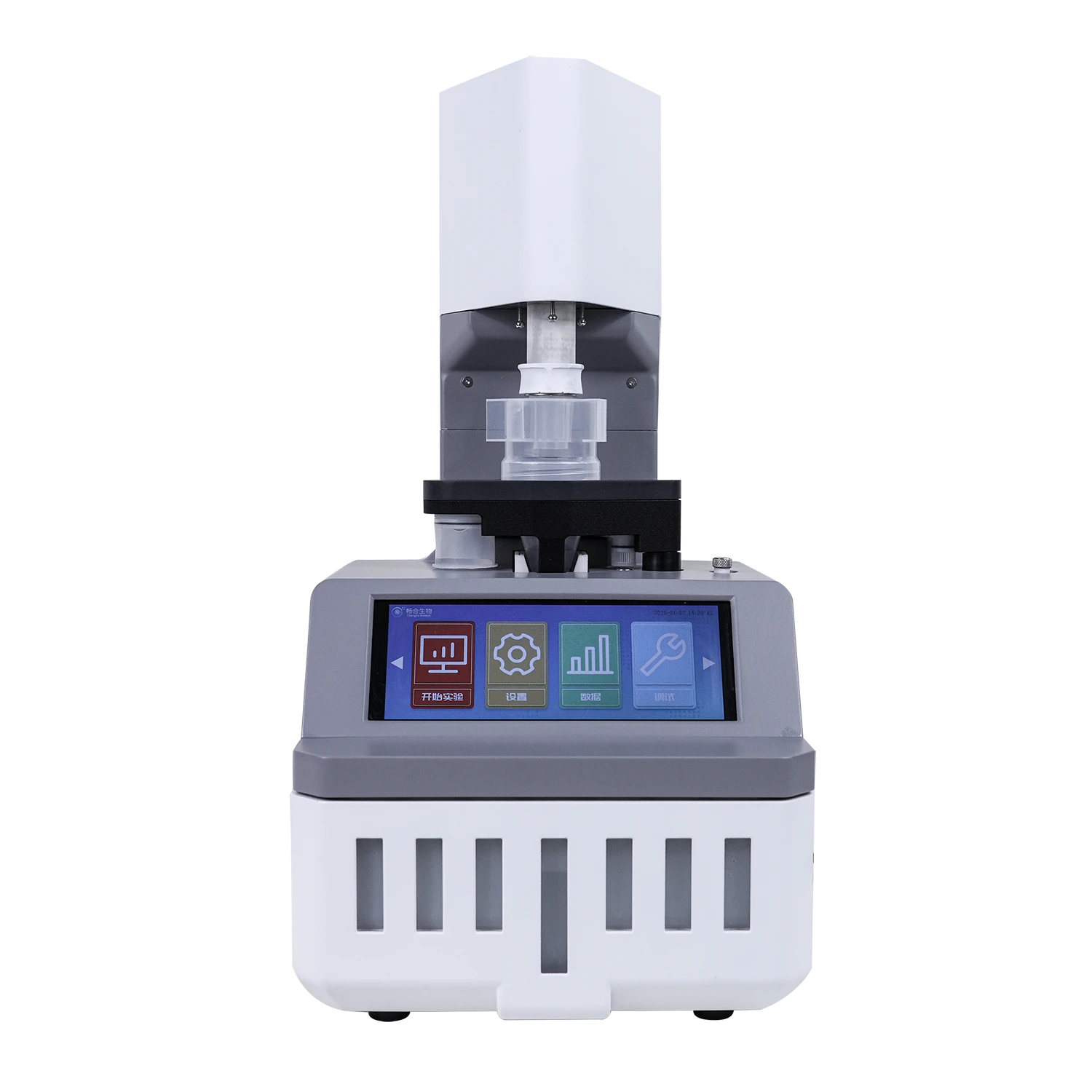

PCR Apparatus – Essential Technology for Modern Diagnostics and Research
Unpacking the Role of PCR Apparatus: Why It Matters Today More Than Ever
These days, whenever a new strain of virus hits the headlines, or a lab tweaks a quick diagnostic tool, one unsung hero quietly steps up: the PCR apparatus. In short, this machine often makes or breaks how fast and accurately we detect genetic information — whether that’s in disease control, environmental studies, or even food safety. PCR apparatus (polymerase chain reaction devices) help replicate DNA sequences millions of times over so scientists can analyze tiny clues from samples that would otherwise be invisible.
Why should all of us care? Well, in a world wrangling with pandemics, antibiotic resistance, and even food fraud, PCR technology underpins better decisions, swifter responses, and more research breakthroughs. It’s arguably one of modern biotech’s quiet power players.
Mini Takeaway: Understanding how PCR apparatus works and why it’s vital explains a lot about today’s medical and scientific advancements — it’s more than just a lab gadget, it’s a global game-changer.
Setting the Stage: PCR Apparatus in the Global Context
The PCR apparatus isn’t just a technical tool; it’s tied deeply into global health and industry trends. According to the World Health Organization, molecular diagnostics — which rely heavily on PCR — account for a rapid increase in disease detection efficiency worldwide. In fact, ISO standards for diagnostic equipment emphasize PCR machines’ precision and reliability as key criteria to managing outbreaks.
But here’s where the rubber meets the road: many regions still struggle with expensive, bulky PCR setups that don’t fare well outside advanced labs. A huge challenge remains around making PCR apparatus scalable and accessible, especially in remote or low-resource settings where timely diagnosis can save lives.
The stakes have never been higher. As demand surges in both healthcare and environmental monitoring sectors, manufacturers and users alike push for devices that offer accuracy, ease of use, and durability.
Mini Takeaway:
- PCR apparatus plays a pivotal role in modern diagnostics.
- Global demand and regulatory frameworks are shaping innovation.
- Accessibility and cost remain key hurdles in many regions.
What Exactly Is PCR Apparatus?
Simply put, a pcr apparatus is a machine designed to amplify tiny fragments of DNA or RNA, making millions of copies through repetitive heating and cooling cycles — a process known as polymerase chain reaction. This allows scientists to detect genetic material that might be present in minuscule amounts.
Its relevance quickly extends from research labs into hospitals, food safety labs, forensic units, environmental agencies — basically anywhere identifying genetic information quickly and correctly is critical.
One could think of a PCR apparatus as a molecular photocopier but with precision so refined that it can differentiate between nearly identical genetic sequences.
Core Components That Make PCR Equipment Tick
1. Thermal Cycler Precision
The heart of the PCR apparatus is the thermal cycler, which controls temperature changes to denature DNA, anneal primers, and extend new DNA strands. The accuracy and ramp speed of temperature shifts matter a lot — odd fluctuations can ruin a run.
2. Optical Detection Systems
Many modern machines feature fluorescence detection, allowing real-time quantification of the DNA as it amplifies. It’s like watching the recipe come together live — invaluable for diagnostics.
3. User Interface and Automation
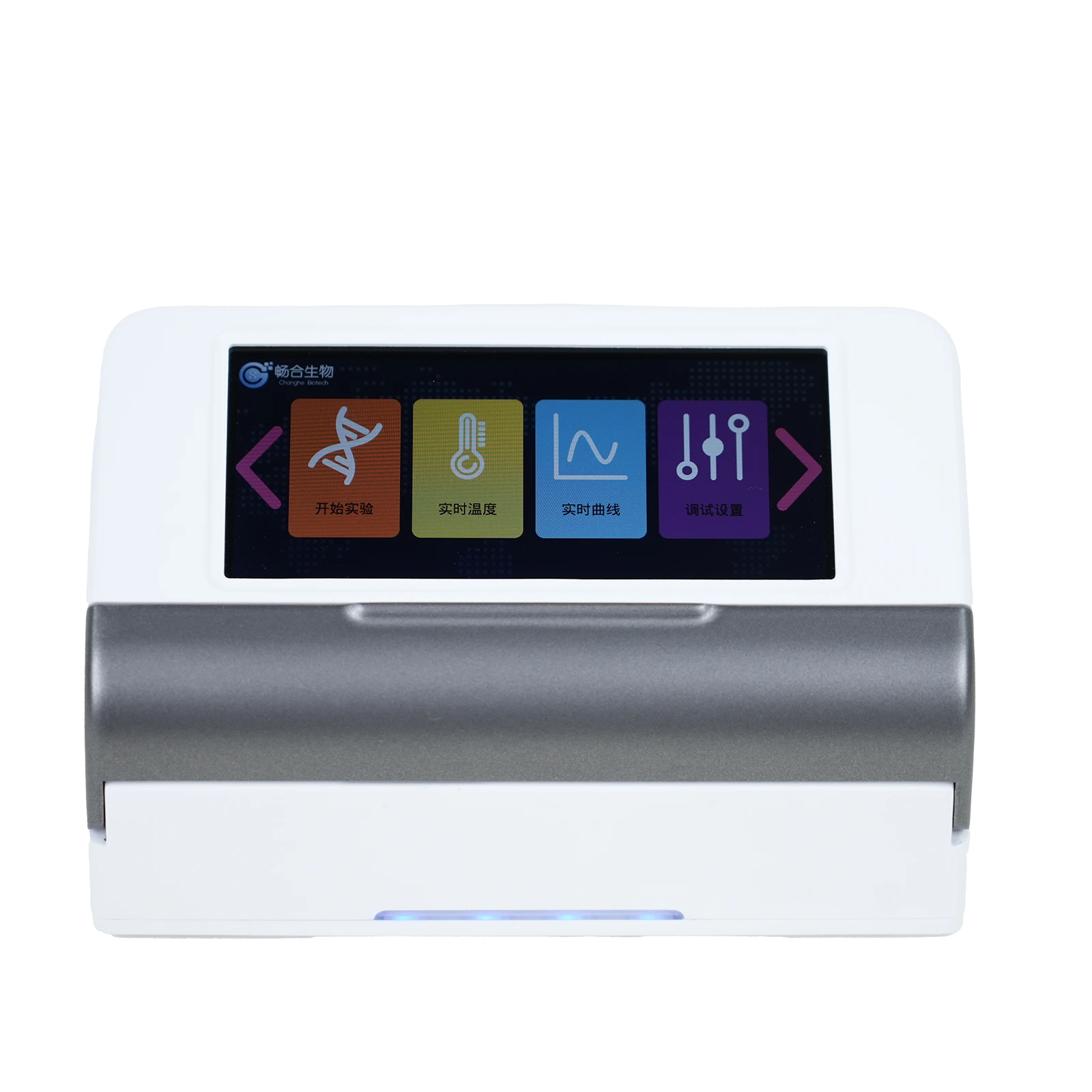
Manufacturers now focus on touchscreens and intuitive software. Skilled technicians appreciate this, but it also means places with less-trained operators can still get reliable results without too much trial and error.
4. Sample Capacity & Scalability
From small bench-top units handling 16 samples to high-throughput devices that manage 384 or more in parallel, choosing the right size depends on the use case: research vs. mass screening.
5. Durability and Portability
Some PCR apparatus for field use come ruggedized — important when working in remote environments, disaster zones, or mobile clinics.
Mini Takeaway:
- Precision thermal cycling is essential.
- Real-time detection increases usefulness.
- User-friendly controls help a range of users.
- Device size and durability must match the workflow.
Where PCR Apparatus Is Making a Tangible Impact Globally
Not just in top-tier labs but on the ground, PCR apparatus is rapidly expanding its footprint. For instance, during the COVID-19 pandemic, rapid PCR-based testing distinguished itself as the gold standard, saving countless lives worldwide.
- Healthcare: Hospitals from urban US centers to rural clinics in Sub-Saharan Africa rely on PCR for viral detection & antibiotic resistance profiling.
- Environmental Monitoring: Agencies use PCR to detect pathogens in water and air, protecting public health especially after floods or contamination events.
- Food Industry: PCR verifies genetic makeup to prevent food fraud and ensure “clean label” authenticity.
- Forensics: Law enforcement agencies use PCR for DNA fingerprinting to solve crimes.
Oddly enough, compared with older methods, PCR apparatus brings not just speed but also a new level of sensitivity — handy when stakes are high and evidence is limited.
Mini Takeaway:
PCR apparatus works quietly behind the scenes, delivering critical insights that support health, safety, and justice worldwide.
Product Specifications at a Glance
| Feature | Typical Value | Notes |
|---|---|---|
| Sample Capacity | 16 to 384 wells | Compact or high-throughput models |
| Temperature Range | 4°C to 99°C | Rapid ramp rates of 3–5 °C/sec |
| Detection Method | Fluorescence real-time monitoring | Optional endpoint analysis |
| Power Requirement | 100–240 VAC, 50/60 Hz | Some portable units battery-powered |
| Weight | 5 to 25 kg | Varies widely by model |
Picking Your Partner: Comparing Leading PCR Apparatus Vendors
| Vendor | Typical Sample Capacity | Price Range (USD) | Notable Features | Best Use Cases |
|---|---|---|---|---|
| Thermo Fisher | 96 to 384 wells | $15,000–$100,000 | High accuracy, extensive software | Large research labs, biotech firms |
| Bio-Rad | 16 to 96 wells | $8,000–$40,000 | User-friendly, robust design | Universities, clinical labs |
| Qiagen | Up to 96 wells | $10,000–$50,000 | Integrated sample prep, multiplexing | Medical diagnostics, pharma |
| Portable PCR Co. | 4 to 16 wells | $5,000–$15,000 | Battery powered, field-ready | Field labs, mobile clinics |
Advantages & The Long-Term Value of PCR Apparatus
What’s really impressive about PCR apparatus is how it blends scientific rigor with practical benefits:
- Speed & Accuracy: This machine turns days of genetic analysis into mere hours without compromising precision.
- Cost Efficiency: More advanced automation reduces the hands-on time and human error, lowering operational costs in the long run.
- Sustainability: Some new models focus on energy efficiency and lower reagent waste, aligning with green lab initiatives.
- Social Impact: Faster diagnoses improve patient outcomes — there’s an emotional weight behind that.
- Trust & Innovation: It empowers healthcare systems and research to stay a step ahead of emerging threats.
Frankly, the trust put in PCR results means when done well, these apparatus enable both rapid decision making and peace of mind — not to mention the ripple effect on public health policies.
Looking Forward: Emerging Trends in PCR Technology
Every few years, PCR apparatus gets an upgrade — and the next wave promises even more game-changing features:
- Integration with AI and Machine Learning: For smarter data interpretation and error detection.
- Miniaturization & Portability: Smaller devices for use right at the point of care or in the field.
- Green Tech Approaches: Lower energy consumption and recyclable materials to reduce environmental impact.
- Multiplex PCR Advancement: Detecting multiple genetic targets in one run, saving time and reagents.
- Cloud Connectivity: Remote monitoring and data sharing between labs worldwide for faster collaboration.
Challenges & Innovative Solutions
That said, no tech is perfect. Common challenges include:
- Initial Cost Barriers: Many powerful PCR apparatus remain costly for small clinics or developing nations.
- Technical Complexity: Training is needed, though software improvements are easing this burden.
- Sample Contamination Risks: Which can skew results and require rigorous sterile protocols.
Innovative solutions range from modular designs to open-source protocols and even collaborative leasing programs to share equipment costs.
FAQ: Your PCR Apparatus Questions Answered
Q1: What should I consider when choosing a PCR apparatus for a small clinic?
A1: Look for machines with simple interfaces, moderate sample capacity (16–48 wells), and reliable warranty support. Portability or bench-top size matters too, especially if lab space is limited.
Q2: How long does a typical PCR run take?
A2: Standard PCR runs can take anywhere from 30 minutes to 2 hours, depending on the protocol and machine efficiency.
Q3: Are portable PCR devices as accurate as lab-based models?
A3: Generally, yes — but portable units may have lower throughput. Advances have greatly closed the accuracy gap, making them viable for point-of-care testing.
Q4: Can PCR apparatus be used for detecting COVID-19 variants?
A4: Absolutely. PCR assays can be designed to target specific genetic mutations, making them ideal for variant identification.
Q5: How do I maintain PCR apparatus to ensure longevity?
A5: Regular calibration, cleaning of optical components, software updates, and following manufacturer guidelines are key to keeping the machine reliable.
Wrapping It Up: The PCR Apparatus as an Indispensable Tool for the Future
In sum, PCR apparatuss are much more than just machines; they represent a critical technology foundation across industries and regions. They empower faster, better decision-making that touches public health, environmental safety, and scientific progress. For anyone interested in up-to-date diagnostics or environmental genetic monitoring, understanding the nuances of pcr apparatus is a step toward embracing innovation with practical meaning.
Curious to dive deeper or find the right device for your needs? Visit our website: pcr apparatus and explore a range of options designed for your success.
References
-
Uniplex PCR Equipment for Industrial Biosafety & MonitoringNewsDec.08,2025
-
TB PCR Kit: A Veteran’s Take on Leading Diagnostic ToolsNewsDec.08,2025
-
Stem Loop Rt Pcr – Advanced Molecular Detection Solutions for Industry | Bio Aerosol SamplerNewsDec.08,2025
-
Reliable RT PCR RNA Virus Testing & Bioaerosol Sampling EquipmentNewsDec.07,2025
-
Rt Pcr Monkeypox: Advanced Viral Detection Solutions for B2B IndustriesNewsDec.07,2025
-
RT PCR Kit for Monkeypox Detection – Reliable Diagnostics ToolNewsDec.07,2025