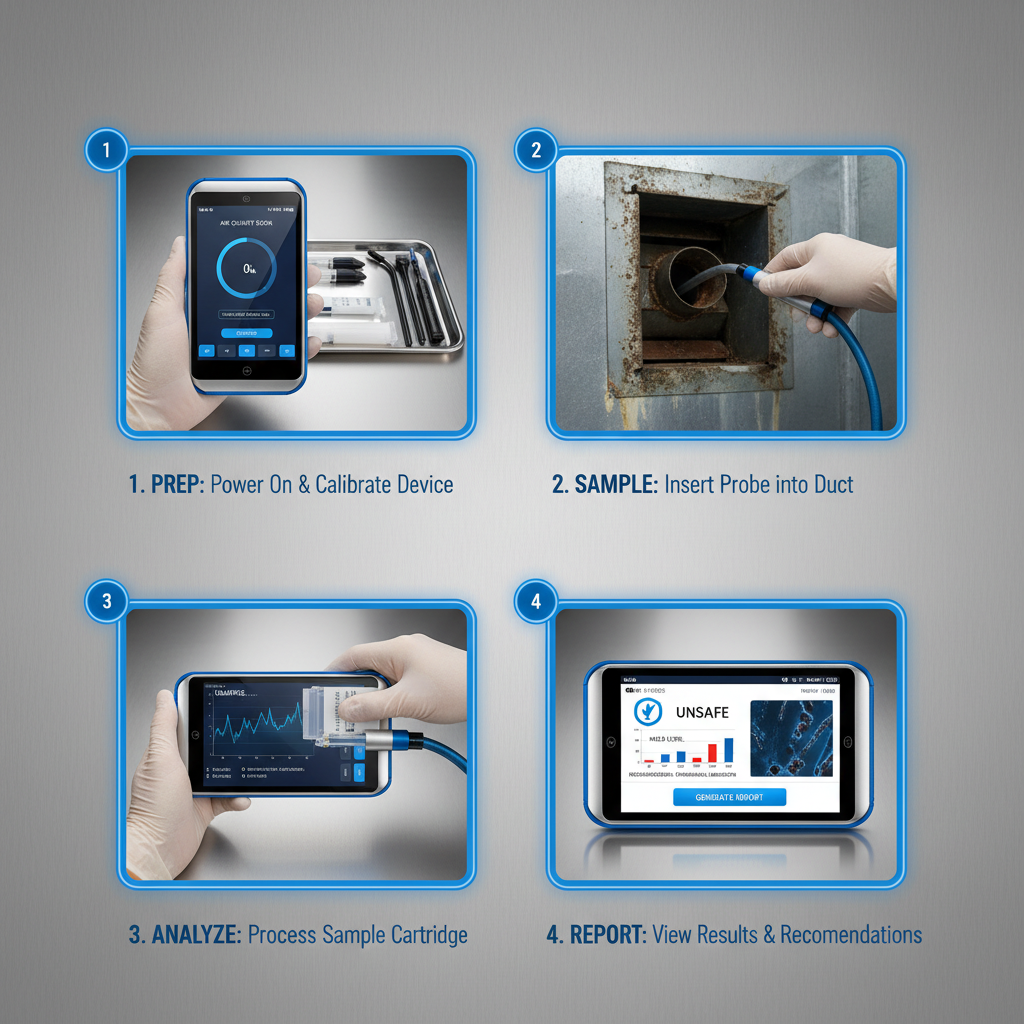
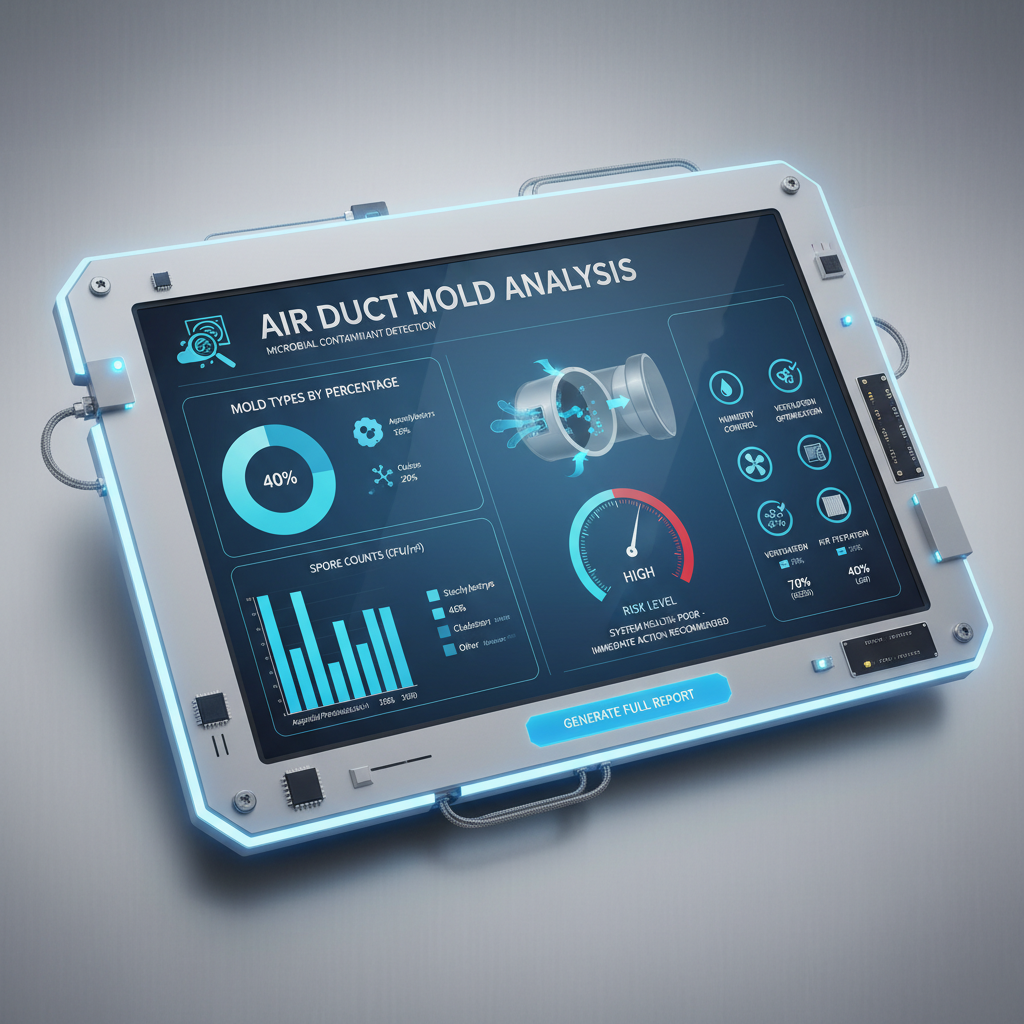
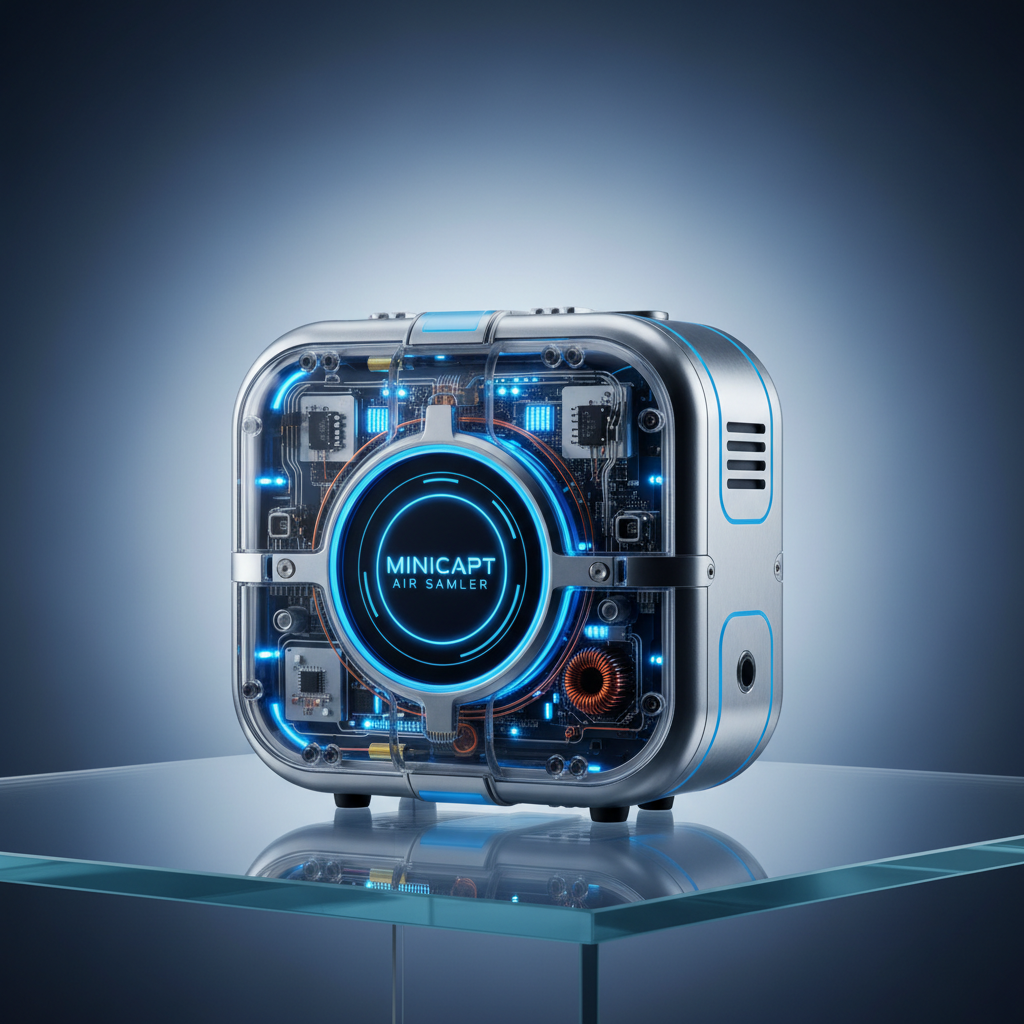
Ensuring indoor air quality is a critical priority for modern facility management, particularly in healthcare and industrial environments where sterile conditions are non-negotiable. One of the most overlooked yet hazardous areas for contamination is the HVAC system, making air duct mold testing an essential practice for preventing the spread of airborne spores. By identifying fungal growth within the ventilation infrastructure, building owners can mitigate health risks and maintain compliance with stringent safety standards.
The prevalence of bioaerosols in climate-controlled spaces has become a global concern, as mold colonies can proliferate rapidly in damp, dark ductwork. When these spores are released into the airflow, they can lead to "Sick Building Syndrome," triggering respiratory issues and allergic reactions in occupants. Implementing a rigorous protocol for air duct mold testing allows for the detection of these hidden threats before they manifest as widespread health crises.
Beyond health, the structural integrity of ventilation systems and the efficiency of air filtration depend on the absence of biological buildup. Modern advancements in bioaerosol monitoring, including the use of high-precision samplers and Mini PCR technology, have transformed how we approach air duct mold testing, moving from reactive cleaning to proactive, data-driven environmental management.
The Global Importance of Air Duct Mold Testing
On a global scale, the rise of mega-cities and high-density commercial buildings has led to an increased reliance on centralized HVAC systems. According to World Health Organization (WHO) guidelines regarding indoor air quality, biological contaminants such as mold and bacteria can significantly degrade the health of urban populations. air duct mold testing is no longer a luxury but a necessity to prevent the systemic distribution of allergens and pathogens across large-scale facilities.
The challenge lies in the invisibility of these contaminants; mold often thrives in inaccessible sections of the ductwork where condensation occurs. Without specialized testing, these colonies can grow unchecked, leading to increased energy costs due to restricted airflow and severe liability risks for facility managers. By integrating systemic testing, organizations can adhere to ISO standards for cleanroom and environmental control, ensuring a safe breathing environment for all.
Defining Air Duct Mold Testing and Its Scope
In simple terms, air duct mold testing is the scientific process of sampling air and surface materials within a building's ventilation system to identify the presence, type, and concentration of fungal spores. Unlike general room air testing, this targeted approach focuses on the source of the contamination, analyzing the internal linings of ducts, filters, and air handling units (AHUs) to determine if the HVAC system is acting as a source of pollution rather than a filter.
This process is deeply connected to modern humanitarian and public health needs, especially in hospital settings where immunocompromised patients are highly susceptible to opportunistic fungal infections. In these environments, the scope of testing extends beyond simple presence/absence checks to include species-level identification using advanced molecular tools. This ensures that specific hazardous molds, such as Aspergillus, are identified and eradicated.
Furthermore, the scope of air duct mold testing encompasses both qualitative and quantitative analysis. Qualitative analysis identifies "what" is growing, while quantitative analysis determines "how much," providing a baseline for determining whether the levels of bioaerosols exceed safe thresholds. This dual approach is vital for developing a comprehensive remediation plan that addresses the root cause of moisture intrusion.
Core Components of Effective Mold Detection
Precision is the cornerstone of air duct mold testing. The first core component is Sampling Accuracy, which involves using calibrated bioaerosol samplers to ensure that the volume of air analyzed is representative of the entire system. Without standardized flow rates, results can be misleading, leading to either unnecessary remediation costs or dangerous oversights.
Another critical factor is Species Identification. Not all molds are equally hazardous; some are common environmental fungi, while others are highly toxigenic. Utilizing Mini PCR and continuous bioaerosol samplers allows technicians to perform rapid, on-site genetic identification, transforming air duct mold testing from a slow lab-based process into a real-time diagnostic tool.
Finally, Environmental Correlation is essential. Effective testing doesn't just look at spores but also analyzes humidity levels, temperature gradients, and air pressure within the ducts. Understanding why the mold grew—such as a leak in the cooling coil or poor insulation causing condensation—is the only way to ensure that the air duct mold testing leads to a permanent solution rather than a temporary fix.
Technical Methodologies for Sampling Accuracy
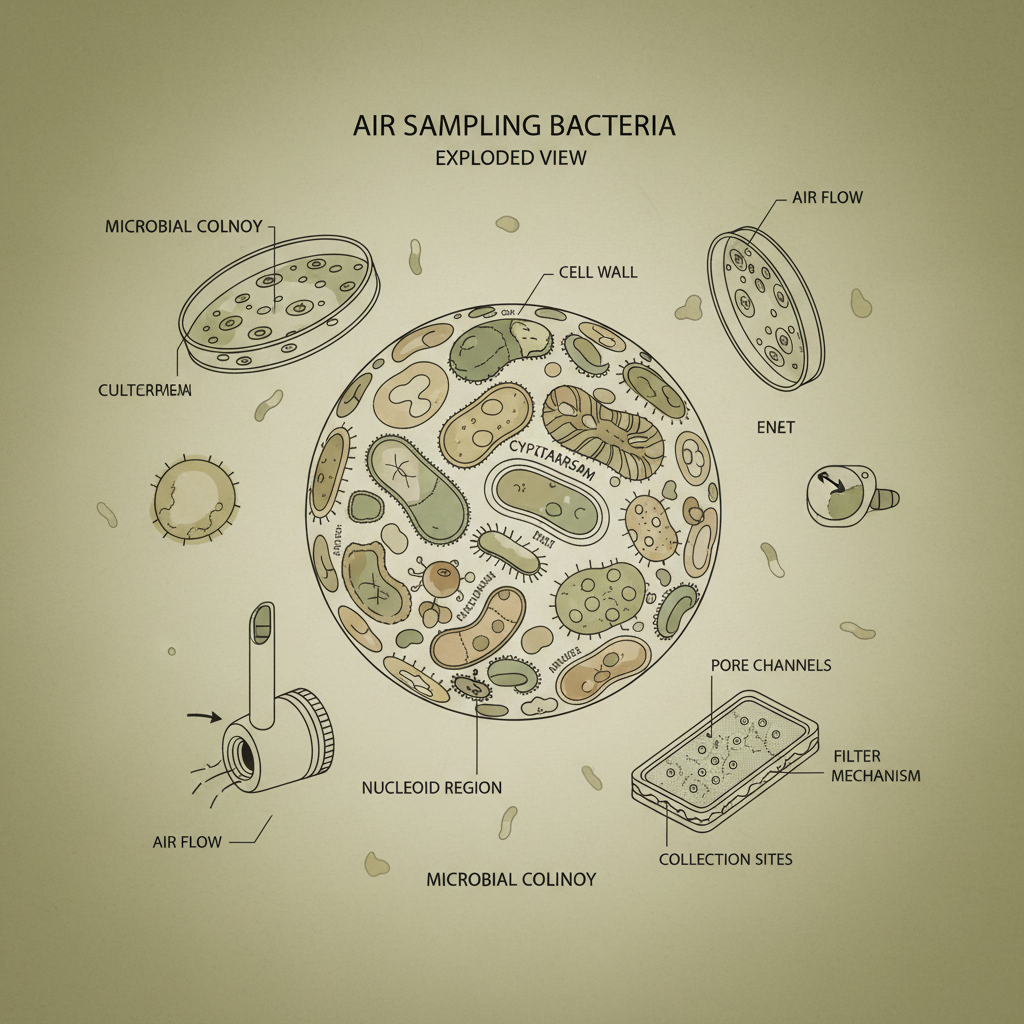
The methodology used in air duct mold testing varies based on the facility's requirements. Impaction sampling, where air is drawn through a nozzle onto a growth medium, remains a standard for calculating spore concentrations. However, for high-stakes environments like pharmaceutical labs, continuous monitoring devices provide a constant stream of data, alerting managers to "spikes" in bioaerosol levels that a periodic sample might miss.
Integrating modern detection devices allows for a more nuanced understanding of the biological load. By comparing the concentrations of spores inside the duct versus the air delivered to the room, experts can determine the "filtration efficiency" of the system. This quantitative approach ensures that air duct mold testing provides actionable intelligence for HVAC engineers.
Efficiency Comparison of Air Duct Mold Testing Methods
Real-World Applications Across Diverse Industries
In the healthcare sector, air duct mold testing is a critical part of infection control. Hospitals utilize continuous bioaerosol samplers in operating theaters and ICU wards to ensure that ventilation systems are not introducing spores that could lead to postoperative infections. In these settings, the ability to detect mold in real-time can literally be a matter of life and death for patients with compromised immune systems.
Outside of medicine, the food and beverage industry relies on similar testing to prevent the contamination of production lines. In large-scale bottling plants or bakeries, mold spores circulating through the HVAC system can settle on products, leading to massive recalls and financial loss. By implementing a scheduled air duct mold testing program, these companies protect their brand reputation and ensure food safety compliance.
Long-Term Value of Proactive Bioaerosol Monitoring
The transition from reactive cleaning to proactive monitoring offers immense economic value. Many facility managers only invest in air duct mold testing after employees complain of illness or after a visible leak is discovered. However, this "crisis management" approach is far more expensive, often requiring full duct replacement and resulting in significant downtime and lost productivity.
From a sustainability perspective, a mold-free HVAC system operates more efficiently. Mold buildup creates physical obstructions and increases static pressure, forcing fans to work harder and consume more electricity. Regular testing and maintenance reduce the carbon footprint of the building while extending the lifespan of expensive equipment like AHUs and chillers.
Beyond the numbers, there is a profound emotional and social impact. Providing a clean, healthy breathing environment fosters trust between employers and employees. In corporate offices, a commitment to rigorous air duct mold testing signals a culture of care and innovation, directly correlating to higher employee satisfaction and a reduction in sick leave.
Future Innovations in HVAC Biological Analysis
The future of air duct mold testing is inextricably linked to the digital transformation of building management. We are seeing the rise of "Smart HVAC" systems that integrate bio-sensors directly into the ductwork. These sensors can detect volatile organic compounds (VOCs) emitted by mold in its early stages, triggering an automated alert to facility managers before the colony becomes a systemic problem.
Furthermore, the integration of Artificial Intelligence (AI) will allow for predictive modeling. By analyzing historical data from bioaerosol samplers alongside weather patterns and occupancy rates, AI can predict "high-risk" windows for mold growth. This allows for the precision application of antimicrobial treatments, reducing the use of harsh chemicals and promoting a "green" approach to indoor air quality.
As molecular biology continues to evolve, the accessibility of Mini PCR and rapid sequencing will make species-level air duct mold testing instantaneous. This shift toward "on-the-fly" diagnostics will eliminate the days-long wait for lab results, allowing for immediate remediation and ensuring that sterile environments remain truly sterile.
Comparison of Traditional vs. Innovative Mold Testing Frameworks
| Testing Dimension |
Traditional Culture Method |
Modern Bioaerosol Sampler |
Future AI-Integrated Sensor |
| Detection Speed |
5-14 Days |
Hours (via PCR) |
Real-time/Instant |
| Accuracy Level |
Moderate (Culturable only) |
High (Genetic markers) |
Ultra-High (Predictive) |
| Cost per Test |
Low (Initial) |
Moderate |
High (Setup), Low (Op) |
| Labor Intensity |
High Manual Work |
Moderate |
Fully Automated |
| Risk Mitigation |
Reactive |
Proactive |
Preventative |
| Suitability |
General Residential |
Healthcare/Industrial |
Smart Cities/Labs |
FAQS
For standard commercial buildings, an annual inspection is typically sufficient. However, for high-risk environments like hospitals, laboratories, or regions with extreme humidity, quarterly air duct mold testing is recommended. Continuous monitoring devices are the gold standard for facilities that cannot afford any biological contamination spikes.
While DIY kits can provide a basic indication of presence, they lack the precision required for professional remediation. Professional air duct mold testing utilizes calibrated samplers and PCR analysis to provide quantitative data and species identification, which are necessary for insurance claims and health compliance.
Air sampling detects bioaerosols that are currently being distributed throughout the building, identifying the immediate risk to occupants. Surface sampling (swabbing) identifies the actual colony living on the duct walls. A comprehensive air duct mold testing protocol uses both to find the source and measure the impact.
A negative result indicates that mold levels are below the detection threshold at the time of sampling. Because mold growth can be patchy, it is important to sample multiple points across the HVAC system. Regular, periodic air duct mold testing is the only way to ensure long-term cleanliness.
Mini PCR allows for the amplification of specific DNA sequences from mold spores. This means that instead of waiting for a mold colony to grow in a petri dish over a week, technicians can identify the exact genus and species of the mold within hours, making air duct mold testing significantly faster and more accurate.
Yes, indirectly. Mold and biofilm buildup in ducts increase airflow resistance (static pressure). By using air duct mold testing to identify and remove these obstructions, the HVAC system can operate more efficiently, reducing the load on fans and lowering overall energy consumption.
Conclusion
In summary, air duct mold testing is a critical component of modern facility management that bridges the gap between engineering and public health. By utilizing a combination of precision sampling, molecular identification (such as Mini PCR), and continuous monitoring, building owners can effectively eliminate biological hazards and ensure a safe, sterile environment. The shift from reactive cleaning to a data-driven, proactive strategy not only protects the health of occupants but also enhances the operational efficiency and longevity of the HVAC infrastructure.
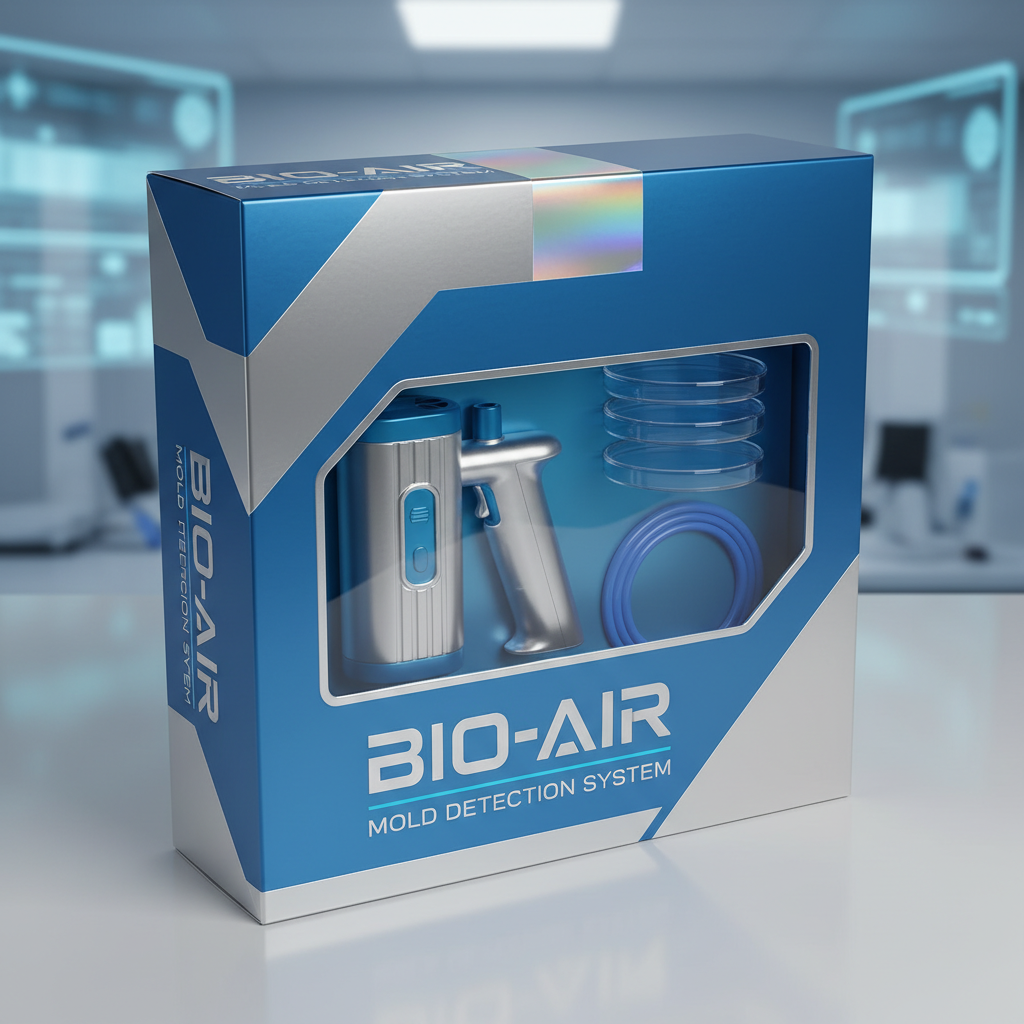
Looking forward, the integration of AI-driven sensors and real-time bioaerosol analysis will redefine how we perceive indoor air quality. We encourage facility managers and healthcare administrators to move beyond basic inspections and adopt a rigorous, technology-led approach to biological monitoring. Investing in high-quality detection devices today is the most effective way to prevent the costly and hazardous complications of systemic mold growth. For professional solutions in bioaerosol detection, visit our website: www.bioaerosolsampler.com