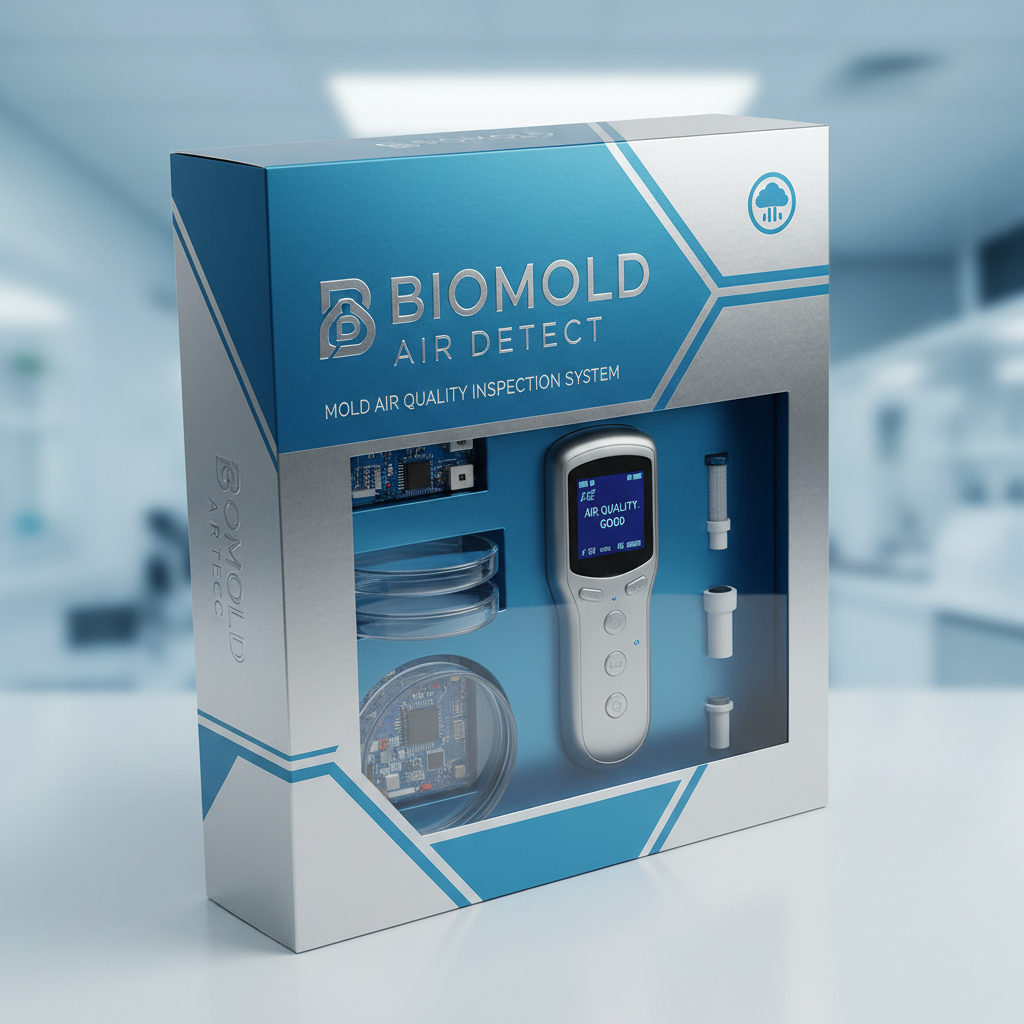
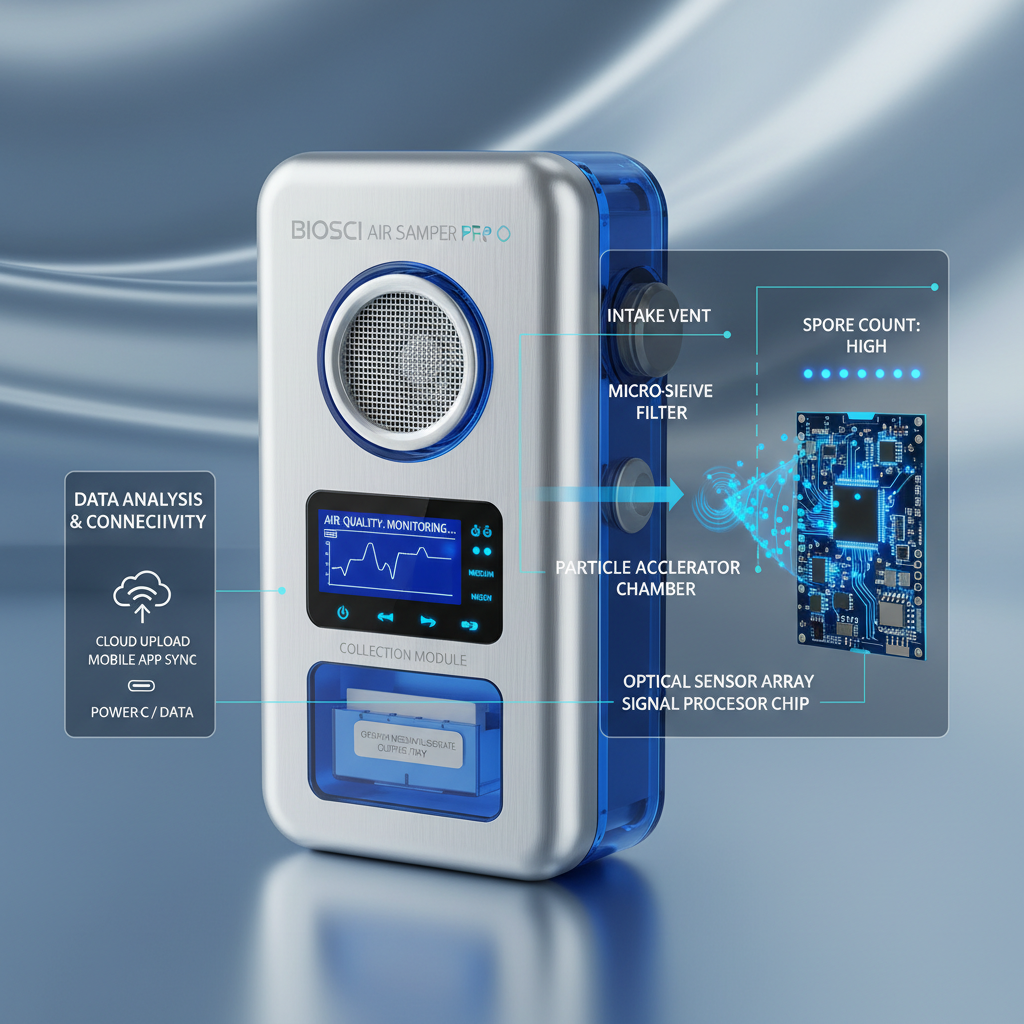
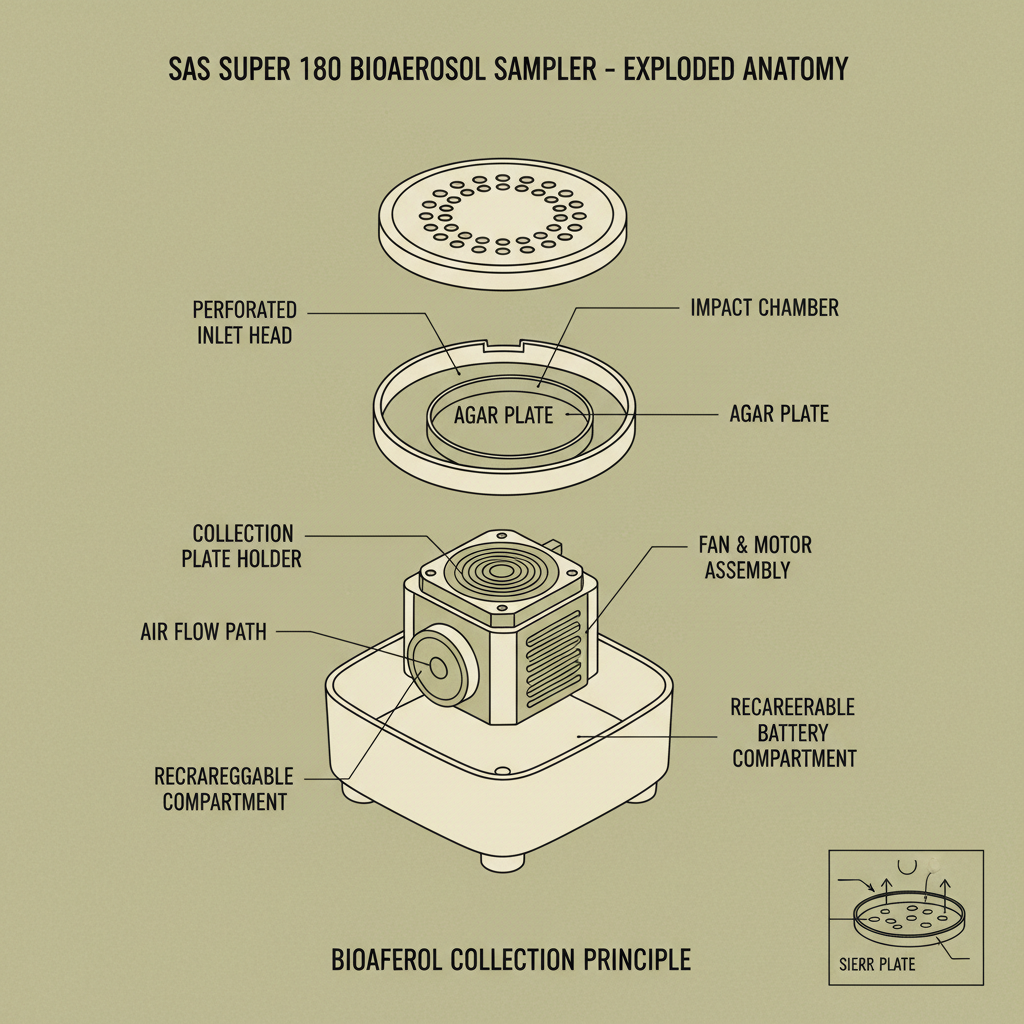
Mold air inspection is a critical process for assessing indoor environmental quality, particularly in sensitive settings like healthcare facilities, pharmaceutical manufacturing plants, and food processing units. It involves the collection and analysis of airborne mold spores and fragments to identify potential health hazards and prevent contamination. The increasing awareness of the health impacts of mold exposure and stringent regulatory standards are driving the demand for accurate and reliable mold air inspection services. Understanding the nuances of mold air inspection is crucial for maintaining safe and healthy indoor environments.
Globally, concerns regarding indoor air quality and the proliferation of mold growth are rising. Factors like climate change, increased urbanization, and aging infrastructure contribute to dampness and mold development in buildings. Organizations such as the World Health Organization (WHO) and the Environmental Protection Agency (EPA) emphasize the importance of mold prevention and remediation. The economic burden associated with mold-related illnesses and building damage is substantial, highlighting the need for proactive mold air inspection programs.
The ability to quickly and accurately identify and quantify mold levels in the air is paramount. This capability allows for informed decisions regarding remediation strategies, protecting occupants from potential health risks, and maintaining the integrity of sensitive manufacturing processes. Technologies like bioaerosol samplers and mini PCR devices are revolutionizing how mold air inspection is conducted, providing faster, more precise, and cost-effective solutions.
The Significance of Mold Air Inspection
Mold air inspection is not merely a regulatory requirement; it's a proactive health and safety measure. Exposure to mold spores can trigger a range of adverse health effects, including allergic reactions, respiratory problems, and even neurological issues. Effective mold air inspection identifies potential hazards before they escalate, safeguarding occupants and protecting property.
The economic implications of ignoring mold growth are significant. Remediation costs can be substantial, and prolonged exposure can lead to lost productivity due to illness. A comprehensive mold air inspection program, coupled with prompt remediation, represents a sound investment in long-term health and financial stability.
Defining Mold Air Inspection
Mold air inspection is the process of collecting and analyzing airborne mold spores to determine the type and concentration of mold present in a specific environment. This typically involves using specialized sampling equipment, such as bioaerosol samplers, to capture airborne particles onto a collection medium. The samples are then sent to a laboratory for microscopic analysis and, increasingly, for molecular testing using techniques like PCR.
It's a crucial component of indoor air quality assessments, playing a vital role in identifying potential health risks and evaluating the effectiveness of mold remediation efforts. In today’s world, mold air inspection isn’t just a post-problem solution; it’s a preventative measure integrated into building management protocols.
The connection to modern industry lies in maintaining sterile environments in sectors like pharmaceutical manufacturing, food production, and healthcare. Contamination from mold can compromise product quality, endanger patients, and lead to significant financial losses. Precise mold air inspection ensures compliance with stringent regulatory standards and protects brand reputation.
Core Components of Effective Mold Air Inspection
Effective mold air inspection relies on several key components. First, the appropriate sampling strategy is crucial, considering factors like the building's size, ventilation system, and suspected source of mold growth. Secondly, the use of calibrated and validated sampling equipment, such as a bioaerosol sampler, ensures accurate and reliable data collection.
Third, the laboratory analysis must be conducted by qualified professionals using established protocols. This includes microscopic identification of mold spores and, increasingly, molecular techniques like PCR for accurate species identification. Finally, a comprehensive report detailing the findings, along with recommendations for remediation if necessary, is essential for informed decision-making.
Beyond these technical aspects, proper documentation and chain of custody procedures are vital to ensure the integrity of the sampling and analysis process. Maintaining a clear and traceable record from sample collection to report delivery is paramount for legal and regulatory compliance. mold air inspection demands meticulous attention to detail at every stage.
Global Applications and Use Cases
Mold air inspection finds application across a diverse range of settings worldwide. In healthcare facilities, it’s critical for maintaining sterile environments and preventing healthcare-associated infections. Pharmaceutical manufacturing plants utilize mold air inspection to ensure product quality and compliance with regulatory standards.
In the food processing industry, it's essential for preventing spoilage and safeguarding public health. Educational institutions, commercial buildings, and residential properties also benefit from routine mold air inspection to maintain healthy indoor environments. In post-disaster relief operations, particularly after floods or hurricanes, rapid mold air inspection is vital for assessing the extent of contamination and guiding remediation efforts.
Remote industrial zones, where buildings may be subject to prolonged periods of dampness, also require regular mold air inspection. The demand for these services is particularly strong in regions with humid climates or frequent rainfall, such as Southeast Asia, the Amazon basin, and parts of Europe.
Mold Air Inspection Methods Comparison
Advantages and Long-Term Value
The advantages of proactive mold air inspection extend beyond immediate health and safety concerns. Cost savings associated with preventing extensive mold remediation, reduced insurance premiums, and minimized downtime are significant benefits. Sustainability is another key advantage, as preventing mold growth reduces the need for harsh chemicals and contributes to healthier indoor environments.
The long-term value lies in building trust and enhancing brand reputation. Demonstrating a commitment to indoor air quality and occupant well-being fosters positive relationships with stakeholders, including employees, customers, and the community. Reliable mold air inspection contributes to a sense of security and peace of mind, creating a more positive and productive environment.
Future Trends and Innovations in Mold Air Inspection
The future of mold air inspection is being shaped by advancements in technology and a growing emphasis on real-time monitoring. Mini PCR devices offer rapid, on-site species identification, eliminating the delays associated with traditional laboratory analysis. Digital platforms and data analytics are enabling more sophisticated trend analysis and predictive modeling, allowing for proactive intervention.
Automation and the integration of IoT sensors are also emerging trends, promising continuous monitoring of indoor air quality and early detection of mold growth. These innovations will not only improve the accuracy and efficiency of mold air inspection but also drive down costs and expand its accessibility.
Challenges and Solutions in Mold Air Inspection
Despite advancements, several challenges remain in the field of mold air inspection. One key challenge is the lack of standardized protocols and the variability in laboratory analysis methods. This can lead to inconsistent results and difficulties in comparing data across different studies. Another challenge is the accurate interpretation of mold air inspection results, as the presence of mold spores doesn’t always indicate a health risk.
Solutions involve the development of standardized sampling and analysis protocols, rigorous quality control measures, and the use of risk assessment tools to interpret results in the context of the specific environment. Furthermore, investing in training and education for professionals involved in mold air inspection is crucial for ensuring accurate and reliable results.
The development of more sensitive and specific detection methods, such as advanced PCR assays and immunological techniques, will also play a key role in overcoming current limitations and improving the accuracy of mold air inspection.
Summary Table of Mold Air Inspection Technologies
| Technology Type |
Detection Sensitivity |
Cost of Implementation |
Turnaround Time for Results |
| Settle Plates |
Low |
$5 - $20 |
24-48 hours |
| Air Sampling with Cassettes |
Medium |
$30 - $100 |
48-72 hours |
| Bulk Sampling |
High |
$50 - $200 |
72-96 hours |
| Swab Sampling |
Medium-High |
$40 - $150 |
48-72 hours |
| Real-Time PCR |
Very High |
$200 - $500 |
2-24 hours |
| Bioaerosol Sampler |
High |
$1000 - $5000 |
24-72 hours |
FAQS
Air sampling assesses the concentration of airborne mold spores, providing insight into potential dispersal patterns. Surface sampling, on the other hand, identifies mold growth directly on materials. Both methods are often used in conjunction for a comprehensive assessment. The information from mold air inspection helps to interpret surface findings and understand the overall mold situation in a building.
The frequency of mold air inspection depends on several factors, including the building’s age, location, and history of moisture problems. Routine inspections are recommended annually or bi-annually. Following a water damage event or visible mold growth, immediate inspection is crucial. Proactive inspections can prevent minor issues from escalating into costly remediation projects.
Completely eliminating all mold spores is unrealistic, as they are naturally present in the environment. The goal of mold remediation is to control mold growth and maintain acceptable indoor air quality levels. Effective moisture control and proper ventilation are key to preventing mold from becoming a health hazard. Regular mold air inspection helps monitor these levels.
A certified mold inspector possesses the training and experience to accurately assess mold contamination, interpret sampling results, and recommend appropriate remediation strategies. They adhere to industry standards and ethical guidelines, ensuring unbiased and reliable assessments. Their expertise is critical in navigating the complexities of mold air inspection and remediation.
Traditional microscopic analysis can identify common mold genera, but not always specific species. Molecular techniques like PCR provide more precise species identification. Utilizing the correct testing methods is important, and a qualified inspector will determine the best approach. The specificity of mold air inspection is constantly improving with advancements in technology.
The cost of mold air inspection varies depending on the size and complexity of the property, the number of samples collected, and the laboratory analysis methods used. Basic inspections can range from $300 to $1000, while more comprehensive assessments can cost several thousand dollars. It is essential to obtain quotes from multiple certified inspectors to compare pricing and services.
Conclusion
In conclusion, mold air inspection is a vital component of indoor environmental quality management, offering numerous benefits ranging from improved health and safety to cost savings and enhanced property value. The ability to accurately identify and quantify mold levels, coupled with proactive remediation strategies, is essential for protecting occupants and maintaining healthy indoor environments.
Looking ahead, continued innovation in sampling technologies, data analytics, and standardized protocols will further enhance the effectiveness and accessibility of mold air inspection. By embracing these advancements and prioritizing proactive monitoring, we can create healthier, safer, and more sustainable indoor spaces for all. Visit our website at www.bioaerosolsampler.com to learn more.