Look, after years of crawling around construction sites, wrestling with materials, and talking shop with the engineers who actually build things, you start to understand what really matters. And what matters with mold spore air test isn't fancy lab reports – it's knowing what's in the air before you’ve got a problem. It’s about protecting the crews, keeping projects on schedule, and avoiding costly remediation down the line. We're not just talking about health and safety here, though that's paramount; it's about project efficiency and building trust with clients. A reliable mold spore air test is a critical piece of preventative maintenance, plain and simple.
I’ve seen too many projects delayed because of unexpected mold growth discovered mid-build. That means downtime, re-work, and frustrated stakeholders. It’s a mess. A good mold spore air test gives you a baseline, tells you where the risks are, and allows you to implement controls before things get out of hand. It’s about being proactive, not reactive. It's about having the data to confidently say "We checked, we knew, and we prevented" instead of scrambling to fix a problem after the fact.
Honestly, for years, this felt like an afterthought. Something you did after the water damage, or when someone started complaining about a musty smell. Now, smart contractors are incorporating it into their initial site assessments, even before breaking ground. It’s becoming part of the standard operating procedure, and for good reason.
The Importance of Proactive Mold Spore Air Testing
I've spent enough time in confined spaces to know that you can smell trouble before you see it. But relying on smell isn’t a strategy. Mold spore air test gives you objective data. It’s about understanding the baseline spore levels and identifying potential issues before they become visible or, worse, affect the health of the crew. We’re talking about preventing long-term sick building syndrome, protecting investments, and maintaining reputations.
From a purely practical standpoint, a proactive approach saves money. Addressing mold issues early is exponentially cheaper than remediation after a building is occupied. You avoid legal headaches, insurance claims, and the disruption of shutting down a project. It's a smart business decision, period.
Understanding Mold Spore Air Test Methodology
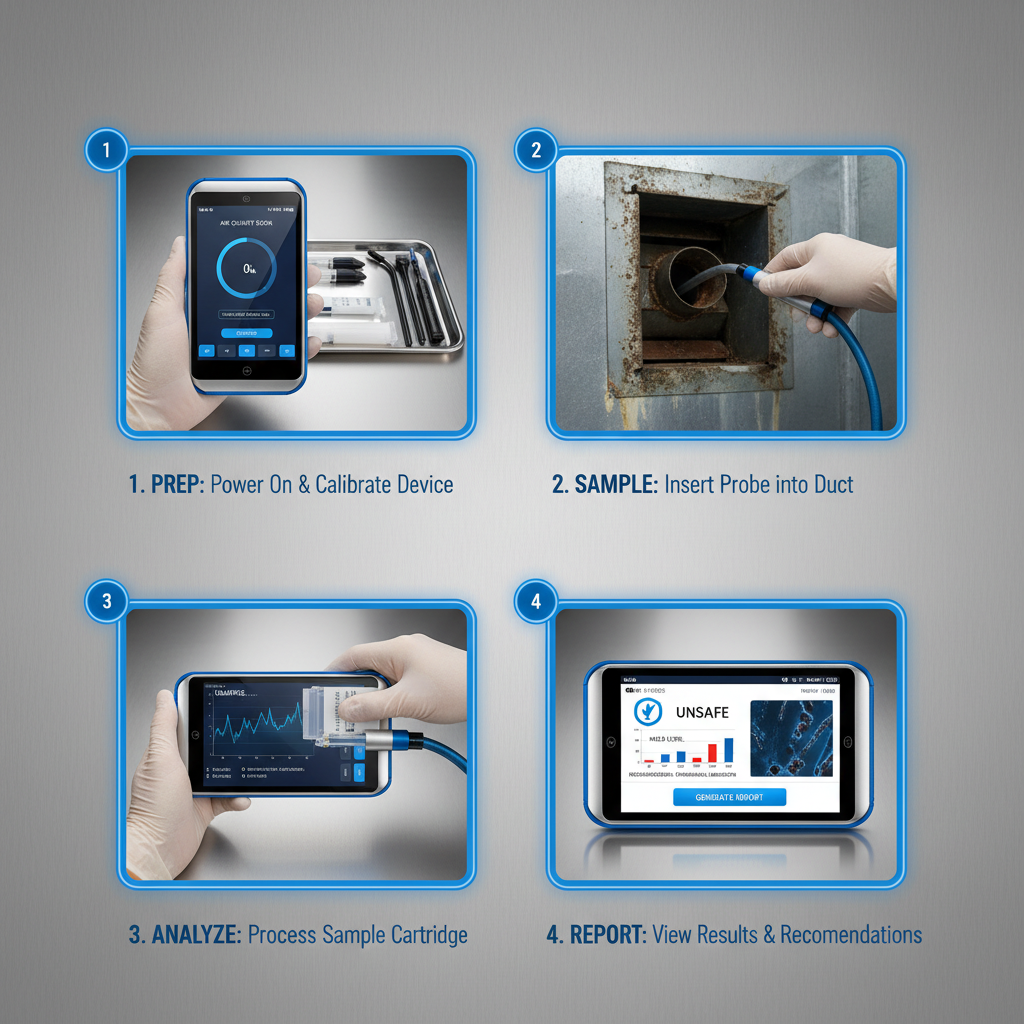
There's more to it than just sticking a machine in a room and hoping for the best. Different methods capture different types of spores, and the accuracy depends on the equipment, the sampling duration, and the expertise of the technician. Impactors collect spores on a surface, while cassettes use filters. Each has its strengths and weaknesses. Knowing which method is appropriate for the situation is key.
You also need to consider where you're sampling – inside versus outside, different areas of the building, near potential sources of moisture. Control samples are crucial. You need to know what's floating around outside to compare it to what's inside. Without that comparison, the data is pretty useless.
And honestly, the lab matters. You want a lab with accredited professionals who can accurately identify the types of mold spores present, not just tell you “mold detected.” Knowing what kind of mold is critical for determining the appropriate response.
Key Factors Influencing Mold Spore Air Test Results
Moisture is the biggest driver, obviously. Any water intrusion, even a small leak, can create the conditions for mold growth. But it's not just about leaks. Humidity, ventilation, and building materials all play a role. A building with poor ventilation is going to trap moisture and spores.
Temperature also matters. Mold thrives in warm environments. And the type of building material can influence growth. Organic materials like wood and drywall are more susceptible than concrete or metal. Knowing the building's construction and history is crucial for interpreting the results of a mold spore air test.
Finally, disturbances can release spores into the air. Construction activities, cleaning, even just opening a window can skew the results. That’s why timing is important. You want to sample when the air is relatively stable and not being disrupted by external factors.
Global Applications of Mold Spore Air Test
I've seen this used everywhere, from sprawling commercial developments to small residential renovations. It's becoming standard practice in healthcare facilities, schools, and office buildings – anywhere where indoor air quality is critical. It’s also crucial after water damage events, like floods or hurricanes.
In Europe, there's a strong focus on preventative maintenance and indoor environmental quality, so mold spore air test is routinely incorporated into building inspection protocols. In the US, it's often driven by insurance requirements or concerns about litigation. But increasingly, savvy developers are using it as a selling point – demonstrating a commitment to healthy buildings.
Even in remote industrial zones, where you might not expect it, it’s becoming important. Construction camps, temporary housing – these are prime breeding grounds for mold if not properly monitored.
Comparison of Mold Spore Air Test Methods
Advantages of Routine Mold Spore Air Test
The biggest advantage, hands down, is prevention. Identifying and addressing potential mold issues before they become major problems saves time, money, and headaches. It also protects the health and safety of the people working and living in the building.
It builds trust. Clients appreciate knowing that you're taking a proactive approach to indoor air quality. It shows you care about their well-being and the long-term performance of the building. That's invaluable.
Future Trends in Mold Spore Air Test Technology
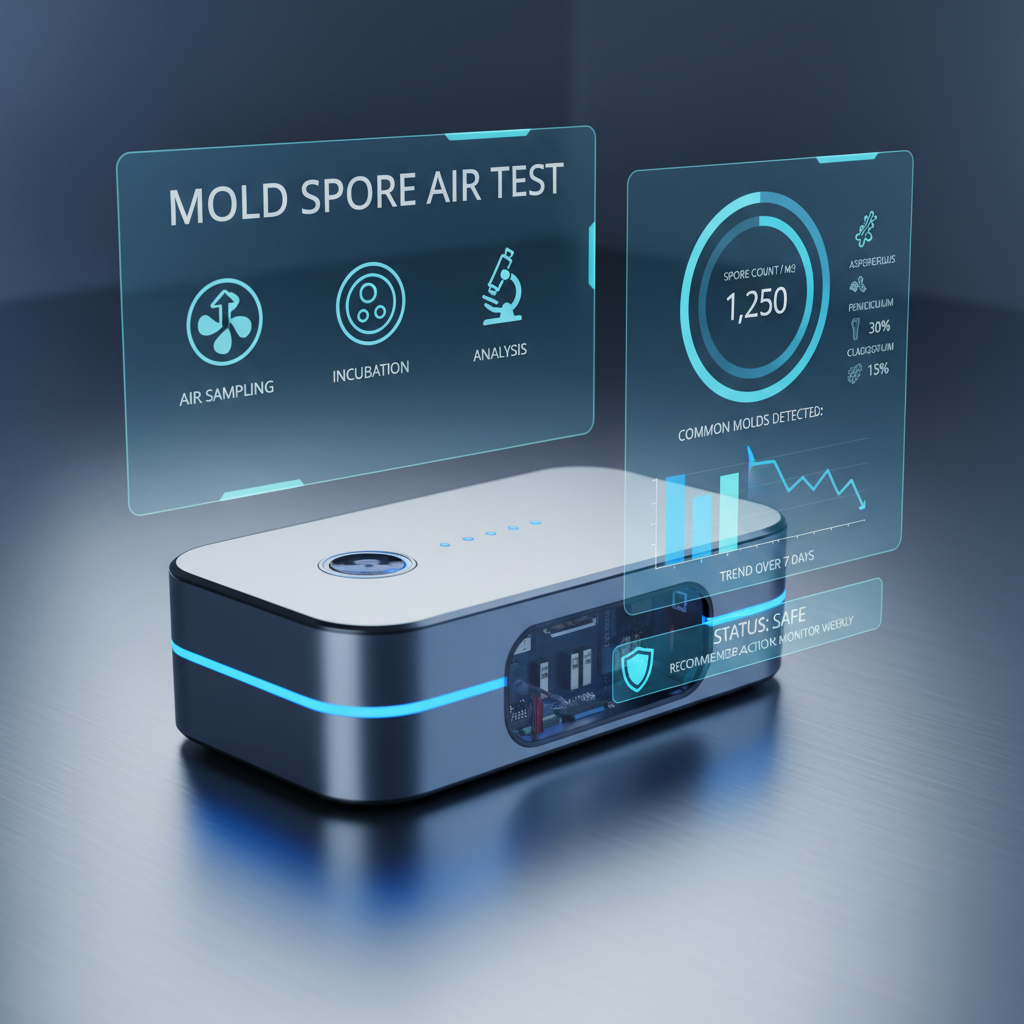
We're starting to see more real-time monitoring systems coming online – devices that can continuously track spore levels and alert you to changes. That's a game-changer. Instead of relying on periodic sampling, you get constant feedback.
There’s also work being done on improving the speed and accuracy of spore identification using advanced DNA analysis. Faster, more precise results mean quicker response times.
And I think we'll see more integration of mold spore air test data with building automation systems. Imagine a system that automatically adjusts ventilation based on real-time spore levels. That's the future.
Challenges and Solutions in Mold Spore Air Test Implementation
One of the biggest challenges is cost. Good testing isn’t cheap. But when you weigh the cost of testing against the cost of remediation, it’s a no-brainer. You have to look at it as an investment, not an expense.
Another challenge is finding qualified technicians. It's not enough to just buy the equipment. You need someone who understands the methodology, knows how to interpret the results, and can provide practical recommendations.
Finally, there's the issue of standardization. There's no single, universally accepted standard for mold spore air test. That makes it difficult to compare results from different labs. But things are moving in that direction, and I expect to see more standardization in the coming years.
Summary of Solutions for Mold Spore Air Test Challenges
| Challenge |
Impact on Project |
Recommended Solution |
Implementation Cost (1-10) |
| High Testing Costs |
Budget Overruns |
Prioritize Testing in High-Risk Areas |
4 |
| Lack of Qualified Technicians |
Inaccurate Results |
Invest in Training and Certification |
6 |
| Absence of Standardization |
Difficulty Comparing Data |
Utilize Accredited Laboratories |
5 |
| Sampling Timing Issues |
Skewed Results |
Coordinate Testing with Project Phases |
3 |
| Complex Data Interpretation |
Misinformed Decisions |
Consult with Indoor Air Quality Specialists |
7 |
| Limited Real-Time Monitoring |
Delayed Response to Issues |
Explore Emerging Sensor Technologies |
8 |
FAQS
That depends on the project and the risk factors. At a minimum, I recommend a baseline test before starting, then regular testing during phases prone to moisture intrusion – like roofing or plumbing. After any water damage, immediate testing is critical. The frequency should be risk-based and documented in your project's environmental management plan.
There isn’t a single “acceptable” level. It’s more about establishing a baseline and looking for significant deviations from that baseline. Different mold types also have different health effects, so it's not just about the total spore count. You need a qualified professional to interpret the results in the context of the specific building and its occupants.
Not necessarily. Some tests only identify the presence of mold spores, not the type. More advanced testing, like DNA analysis, can identify specific species. Knowing the species is important because some molds are more toxic than others. Always ask the lab about their identification capabilities.
Weather plays a big role. Wind can carry spores from outdoors, and rain can increase moisture levels indoors. That's why it’s important to sample under consistent conditions. Try to avoid testing during or immediately after a rainstorm, and always take outdoor control samples for comparison.
First, don't panic. A positive test doesn't automatically mean there's a major problem. Identify the source of the moisture, address the underlying issue, and then re-test to confirm that the problem has been resolved. If you're dealing with a large area or suspect significant contamination, consult with a professional mold remediation specialist.
It varies depending on the location and the type of building. Some states have specific regulations regarding mold disclosure and remediation, particularly for residential properties. It's always best to check with your local building codes and health department to understand the requirements in your area.
Conclusion
Ultimately, mold spore air test isn’t just about compliance or avoiding lawsuits. It’s about building responsibly, protecting people’s health, and ensuring the longevity of our structures. It's about moving from reactive fixes to proactive prevention. It’s a fundamental part of modern construction and facility management that can’t be ignored.
Look, I’ve seen enough projects go sideways to know that a little investment upfront in preventative measures can save you a world of trouble down the road. Don't treat it as an expense; treat it as an insurance policy. And when you're ready to get serious about indoor air quality, check out the team at www.bioaerosolsampler.com. They know their stuff.