0%

Table of Contents

Mould air testing isn’t just a lab procedure; it’s about protecting people and buildings. We're talking about health, safety, and avoiding costly remediation down the line. For years, this was often an afterthought, a 'check the box' exercise. But as we learn more about the impact of airborne mould spores – especially in vulnerable populations – proactive testing becomes crucial. I've seen firsthand the headaches caused by ignoring mould issues, from construction delays and budget overruns to, frankly, people getting sick. It's become a central element in building diagnostics and maintaining healthy indoor environments. The demand for accurate and reliable mould air testing is rising, driven by stricter regulations and a growing awareness of indoor air quality.

The construction industry is notoriously susceptible to mould growth. Think about it: disrupted environments, fluctuating humidity, porous building materials – it’s a breeding ground. Beyond construction, we’re seeing increased need in restoration after water damage, and even in routine building maintenance. It's not enough to see mould; you need to know what you’re dealing with, the concentration, and the types of spores present. That’s where accurate mould air testing comes in. I’ve spent years on sites seeing shortcuts taken, and I can tell you, addressing a mould issue before occupancy is significantly cheaper and healthier than dealing with it after people are living or working in the space.

Simply put, mould air testing analyzes the air for the presence and concentration of mould spores. It's a critical tool for identifying potential problems and preventing health hazards. This testing isn’t about just identifying if there’s mould, it's about quantifying the risk. We need to understand what types of mould are present, their potential toxicity, and the levels to which people are exposed. The information guides remediation efforts, verifies the effectiveness of cleaning, and provides peace of mind for building owners and occupants.

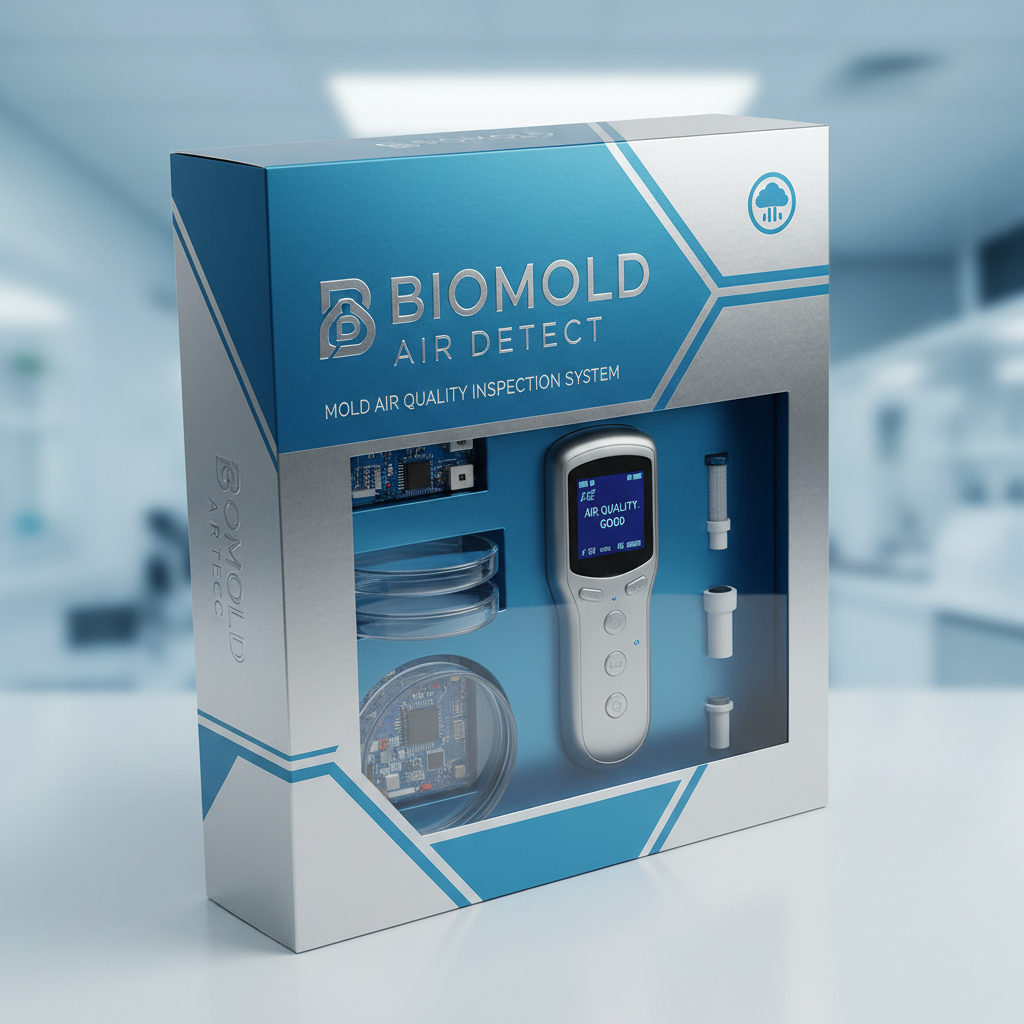
Comprehensive Guide to Mould Air Testing for Building Health and Safety

Defining the Need for Mould Air Testing

Comprehensive Guide to Mould Air Testing for Building Health and Safety

Look, I spend my days in hard hats, walking through buildings under construction and evaluating risks. What I’ve learned is that water intrusion is almost unavoidable, and with water comes the potential for mould. It’s not always visible, not always obvious, but it’s always a concern. Mould air testing offers a proactive approach, allowing us to identify potential issues before they become full-blown problems, saving time, money, and – most importantly – protecting the health of those who will inhabit the space. It's become a standard part of my due diligence process on every project.

The increasing awareness of ‘sick building syndrome’ has also driven demand. People are paying attention to their indoor environments. They're experiencing allergy-like symptoms, respiratory issues, and want to know why. Mould air testing provides the answers. It's about providing a safe and healthy environment and demonstrating that commitment to building occupants. It’s more than compliance; it’s responsible building practices.

The Global Relevance of Indoor Air Quality

The World Health Organization estimates that around 3.8 million deaths each year are attributable to household air pollution. While a significant portion is due to outdoor pollutants, indoor air quality, including mould spores, plays a substantial role. Globally, building codes are becoming more stringent, demanding better ventilation and stricter protocols for mould prevention and remediation. Regulations like those from ISO 16889 (sampling of airborne mould) are becoming increasingly influential.

Developing countries often face unique challenges due to limited resources and infrastructure, making mould growth a more prevalent issue. Climate change is exacerbating the problem, with increased frequency of extreme weather events like floods and hurricanes, creating ideal conditions for mould to thrive. The demand for affordable and accessible mould air testing solutions is growing in these regions.

The economic impact is significant, too. Beyond healthcare costs, mould damage can lead to property devaluation, lost productivity, and legal liabilities. Investing in preventative measures like regular mould air testing is a cost-effective way to mitigate these risks. It’s about long-term sustainability, not just short-term savings.

Understanding the Core of Mould Air Testing

At its core, mould air testing involves collecting air samples and analyzing them in a laboratory to identify and quantify the types and concentrations of mould spores present. There are several methods used, from surface sampling (swabs, tape lifts) to airborne sampling (impaction, cassettes, spore traps). Each method has its strengths and weaknesses, and the best approach depends on the specific situation. You have to know what you're looking for and choose the right tool for the job.

It's crucial to understand that the presence of mould doesn't automatically indicate a health hazard. Mould spores are ubiquitous in the environment. The real concern is the type of mould and its concentration. Certain moulds, like Stachybotrys chartarum (black mould), produce mycotoxins, which can be harmful to humans. A qualified lab will identify these problematic species and provide a detailed report outlining the potential risks.

Interpreting the results requires expertise. A simple 'mould present' or 'mould absent' report isn't enough. You need a professional to assess the data in context, considering factors like building materials, ventilation, and climate. This isn’t something you DIY. It's about informed decision-making based on scientific evidence.

Key Factors in Effective Mould Air Testing

Accuracy is paramount. The lab needs to be accredited and use validated methods. You can't trust results from just any testing facility. I've seen too many inaccurate reports that led to wasted time and money. Proper sample collection is also critical – contamination can skew the results, so technicians need to be well-trained and follow strict protocols.

Rapid turnaround time is important, especially during remediation projects. Delays can prolong the process and increase costs. We need results quickly to make informed decisions and keep the project on schedule. A responsive lab that understands the urgency is invaluable.

Mould Air Testing Method Comparison


Global Applications and Real-World Use Cases

In post-disaster relief operations, particularly after floods or hurricanes, mould air testing is critical for assessing the habitability of buildings and protecting the health of displaced populations. It's about ensuring safe and sanitary living conditions in emergency situations.

In remote industrial zones, where buildings may be exposed to harsh environmental conditions, regular air quality monitoring helps prevent mould growth and maintain operational efficiency. Think about data centers, warehouses, and manufacturing facilities. Protecting equipment and ensuring worker safety are paramount.

Advantages and Long-Term Value Proposition

The biggest advantage is peace of mind. Knowing the air quality in a building allows owners and occupants to breathe easier, literally and figuratively. It reduces the risk of health problems and associated costs. Then, there’s the preventative aspect. Early detection allows for targeted remediation, preventing widespread contamination and minimizing disruption.

From a sustainability perspective, addressing mould issues proactively reduces the need for expensive repairs and replacements down the line. It's about extending the lifespan of buildings and minimizing waste. It’s a smart investment that pays dividends over the long term.

And frankly, it builds trust. Demonstrating a commitment to indoor air quality shows occupants that you care about their well-being. That's invaluable in today's market.

Future Trends and Innovations in Air Quality Monitoring

We're seeing a rise in real-time air quality monitoring systems using sensor technology. These systems provide continuous data, allowing for quicker identification of potential problems and more efficient remediation efforts. The development of more sensitive and accurate detection methods is also ongoing.

Digital transformation is playing a big role. Data analytics and machine learning are being used to predict mould growth patterns and optimize ventilation strategies. We're moving towards a more proactive and predictive approach to air quality management.

The integration of mould air testing data with Building Information Modeling (BIM) systems will allow for more comprehensive and integrated building management.

Table Summarizing Key Considerations for Mould Air Testing Method Selection

Method Type Detection Limit Application Scenario Cost & Complexity
Impaction Sampling High Large Area Assessments Moderate / Medium
Cassette Sampling Medium General Air Quality Checks Low / Simple
Spore Trap Sampling Very High Specific Mould Identification High / Complex
Surface Swab Variable Visible Mould Confirmation Very Low / Simple
Tape Lift Low Surface Contamination Assessment Very Low / Simple
Settled Dust Sampling Low Long-Term Exposure Assessment Low / Medium

FAQS

How often should I conduct mould air testing in my home?

Generally, annual testing is recommended, particularly if you live in a humid climate or have a history of water leaks. However, if you suspect mould growth due to visible signs or musty odours, testing should be conducted immediately. Following any water damage event – even seemingly minor ones – a professional mould assessment, including air sampling, is crucial to prevent hidden issues. Don't wait for symptoms to appear; proactive testing is key.

What does a 'normal' mould spore count look like?

There isn't a single “normal” spore count. Mould spores are everywhere. The key is identifying the types of spores present and assessing whether their concentration is elevated compared to typical outdoor levels. A qualified lab will compare your indoor results to outdoor control samples to determine if there's an unusual increase. Focus on the species identified, not just the total spore count.

Can I perform mould air testing myself?

While DIY mould testing kits are available, they often lack the accuracy and reliability of professional testing. Proper sample collection requires specialized equipment and training to avoid contamination. A professional assessment ensures the samples are collected correctly, analyzed in an accredited lab, and interpreted by a qualified expert. This is particularly important for legal or insurance purposes.

What happens after mould air testing reveals an issue?

If elevated mould levels are detected, the next step is a thorough inspection to identify the source of the moisture and the extent of the contamination. A remediation plan should be developed by a qualified professional, outlining the steps to safely remove the mould and address the underlying water problem. Follow-up testing is crucial to verify the effectiveness of the remediation.

What are the health risks associated with mould exposure?

Mould exposure can cause a variety of health problems, including allergic reactions, asthma attacks, respiratory infections, and even neurological symptoms. Individuals with compromised immune systems, allergies, or asthma are particularly vulnerable. Prolonged exposure to certain types of mould can lead to more severe health issues. It's important to address mould problems promptly to protect your health.

Is mould remediation covered by insurance?

Insurance coverage for mould remediation varies depending on your policy and the cause of the mould growth. Generally, if the mould is caused by a sudden and accidental event like a burst pipe, it's more likely to be covered. However, mould growth due to ongoing leaks or lack of maintenance may not be covered. It's best to review your policy and contact your insurance provider for clarification.

Conclusion

Mould air testing isn’t simply a technical process; it’s a vital component of responsible building management and public health. From safeguarding construction projects to protecting occupants in existing structures, understanding and addressing mould risks is paramount. Investing in accurate testing, coupled with proactive remediation, delivers significant long-term benefits – from reduced healthcare costs and property damage to improved indoor air quality and peace of mind.

As technology advances and awareness grows, expect mould air testing to become even more sophisticated and integrated into building management systems. The future lies in predictive modelling, real-time monitoring, and data-driven decision-making. If you're serious about creating healthy and sustainable indoor environments, don't treat mould air testing as an afterthought – make it a priority. Visit our website at www.bioaerosolsampler.com to learn more about our comprehensive mould testing services.


Michael Davis

Michael Davis

Michael Davis is the Quality Control Manager at Changhe Biotech, ensuring the highest standards of product quality and performance. He leads a team responsible for rigorous testing and validation of all our bioaerosol samplers, Mini PCR machines, and reagents. Michael has a strong background in quality assurance and regulatory compliance,
Previous Proactive Mold Spore Air Test for Construction and Building Health
Next Precision Bioaerosol Analysis