Air duct mold inspection is a critical component of indoor air quality management, gaining increasing global attention due to the documented health risks associated with mold exposure. From residential buildings to large-scale industrial facilities, the presence of mold in HVAC systems can lead to a range of health issues, impacting productivity and overall well-being. The need for proactive inspection and remediation is becoming paramount as awareness grows and regulations tighten.
The global challenge of maintaining healthy indoor environments is amplified by factors such as climate change, which fosters mold growth in increasingly humid conditions, and urbanization, which concentrates populations in enclosed spaces. This has created a significant demand for reliable and efficient air duct mold inspection services and technologies.
Understanding the intricacies of air duct mold inspection isn’t merely about identifying the presence of mold; it’s about implementing comprehensive solutions to prevent its recurrence and safeguard public health. This demands a multi-faceted approach encompassing accurate detection methods, effective remediation strategies, and ongoing monitoring programs.
The Significance of Air Duct Mold Inspection
Air duct mold inspection is becoming increasingly vital due to the potential for widespread health impacts. Mold spores, when circulated through HVAC systems, can trigger allergic reactions, asthma attacks, and other respiratory problems. Proactive inspection identifies these issues before they escalate, preventing costly remediation and protecting building occupants.
The financial implications of ignoring mold growth are substantial. Beyond health-related expenses, untreated mold can lead to structural damage, decreased property value, and potential legal liabilities. Implementing regular air duct mold inspection programs represents a sound investment in both occupant health and long-term building maintenance.
Defining Air Duct Mold Inspection
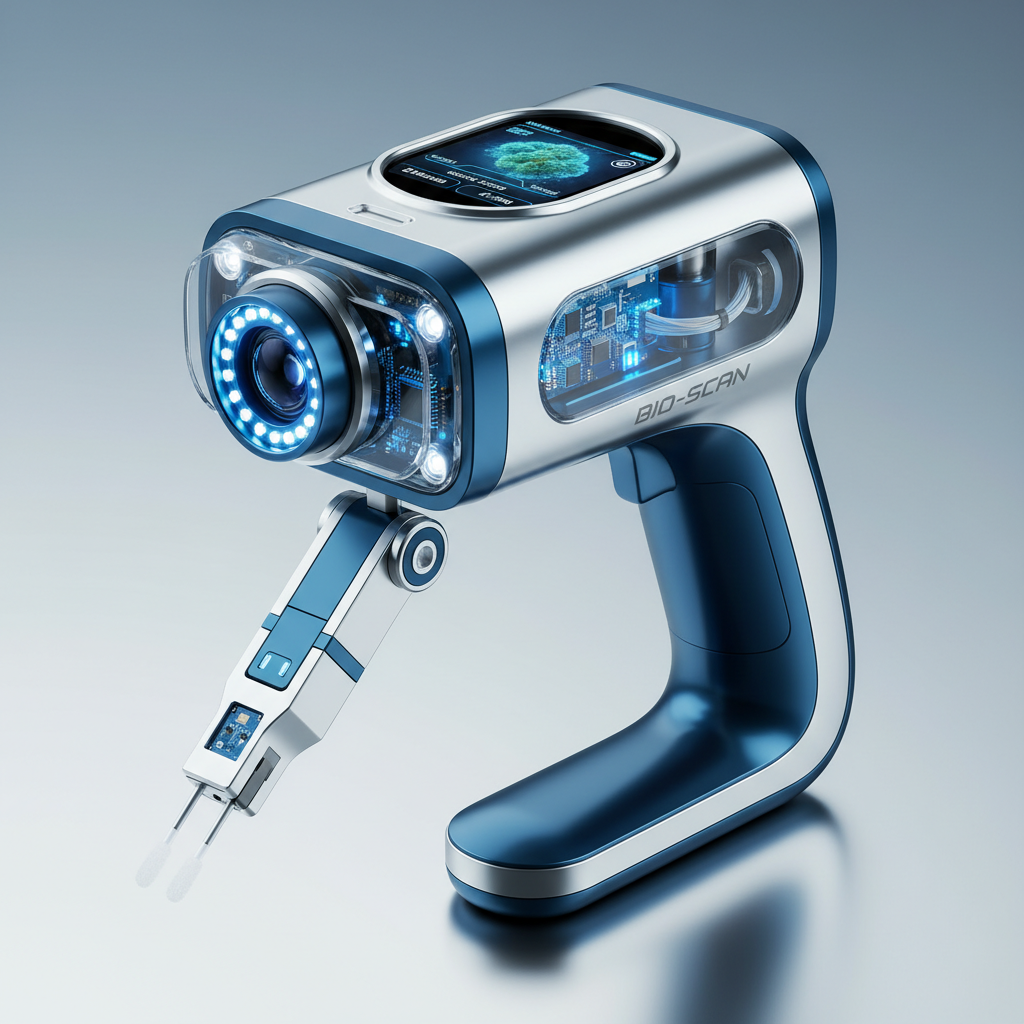
Air duct mold inspection is the process of systematically examining the interior surfaces of heating, ventilation, and air conditioning (HVAC) ductwork to identify the presence of fungal growth. This typically involves visual inspection using specialized equipment such as boroscopes and fiber optic cameras, coupled with air quality testing to determine the concentration of mold spores.
The inspection process goes beyond simply finding mold. A thorough air duct mold inspection assesses the extent of contamination, identifies the type of mold present, and determines the source of moisture that's fueling the growth. This information is crucial for developing an effective remediation plan.
In the context of modern building science, air duct mold inspection isn’t a standalone activity. It's an integral part of a comprehensive indoor air quality assessment, often combined with evaluations of ventilation rates, humidity levels, and other factors that contribute to a healthy indoor environment.
Core Components of Effective Air Duct Mold Inspection
Visual Inspection: Utilizing specialized cameras and lighting to visually assess the interior surfaces of air ducts for signs of mold growth, water damage, or debris accumulation. This is the first step in identifying potential problem areas.
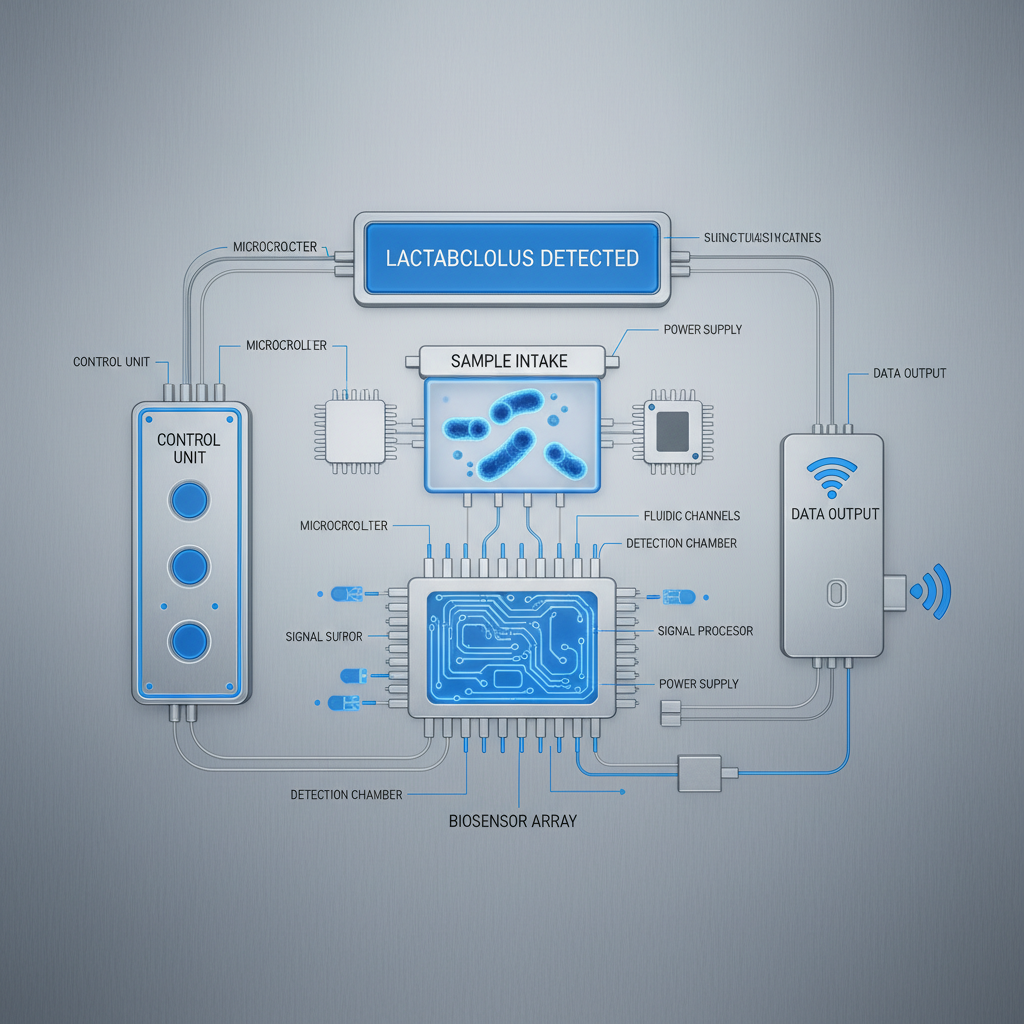
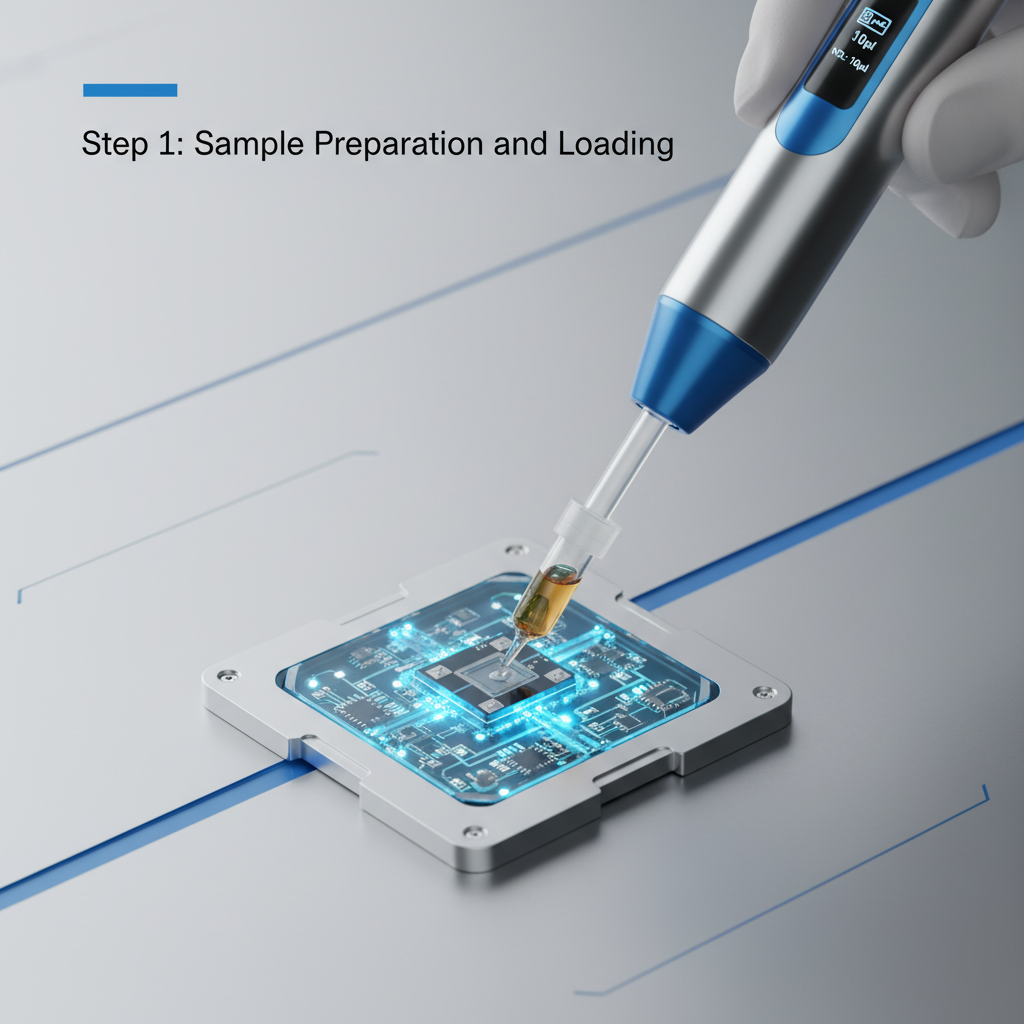
Air Quality Sampling: Collecting air samples from within the ductwork and from ambient areas to determine the concentration and types of mold spores present. This provides a quantitative measure of the contamination level and helps identify the source of the mold.
Moisture Detection: Identifying sources of moisture that contribute to mold growth, such as leaks, condensation, or inadequate insulation. Addressing these moisture issues is essential to prevent recurrence after remediation.
Global Applications and Use Cases
Air duct mold inspection is applicable across a wide range of settings, including residential homes, commercial buildings, schools, hospitals, and industrial facilities. In healthcare environments, where immunocompromised patients are particularly vulnerable, meticulous air duct mold inspection is critical for preventing healthcare-associated infections.
Following natural disasters, such as floods or hurricanes, air duct mold inspection is crucial for assessing the extent of mold contamination in affected buildings and ensuring safe re-occupancy. Post-disaster remediation efforts often rely heavily on accurate mold detection and removal techniques.
Air Duct Mold Inspection Methods - Effectiveness Rating
Advantages and Long-Term Value
Implementing regular air duct mold inspection offers significant cost savings by preventing extensive mold remediation and structural repairs. Early detection allows for targeted interventions, minimizing disruption and reducing overall expenses.
Beyond financial benefits, air duct mold inspection contributes to improved indoor air quality, leading to enhanced occupant health, increased productivity, and reduced absenteeism. This creates a healthier and more comfortable environment for everyone.
Future Trends and Innovations
The future of air duct mold inspection is likely to be shaped by advancements in sensor technology and data analytics. Real-time monitoring systems that continuously assess air quality and detect early signs of mold growth are becoming increasingly feasible.
Furthermore, the integration of artificial intelligence (AI) and machine learning (ML) algorithms can automate the analysis of inspection data, improving accuracy and efficiency. These technologies will enable proactive mold prevention strategies and more targeted remediation efforts.
Challenges and Solutions in Air Duct Mold Inspection
A common challenge in air duct mold inspection is accessing all areas of the ductwork, particularly in complex HVAC systems. Utilizing remote visual inspection tools, such as robotic cameras, can overcome this obstacle.
Another challenge is accurately interpreting air quality data and differentiating between allergenic mold spores and harmless environmental particles. Employing standardized sampling protocols and collaborating with certified industrial hygienists can ensure reliable and accurate results.
The development of non-destructive inspection techniques, such as infrared thermography, can also help identify hidden mold growth without the need for invasive procedures.
Summary of Air Duct Mold Inspection Challenges and Solutions
| Challenge |
Impact |
Solution |
Cost (Scale 1-10) |
| Difficult Access to Ductwork |
Incomplete Inspection |
Robotic Cameras & Remote Inspection |
7 |
| Data Interpretation Accuracy |
False Positives/Negatives |
Certified Industrial Hygienists |
8 |
| Identifying Hidden Mold |
Delayed Remediation |
Infrared Thermography |
6 |
| Moisture Source Identification |
Recurrent Mold Growth |
Advanced Moisture Detection Equipment |
5 |
| Sampling Protocol Standardization |
Inconsistent Results |
Adherence to Industry Standards (e.g., IICRC) |
4 |
| Cost of Comprehensive Inspection |
Budget Constraints |
Prioritized Inspection based on Risk |
3 |
FAQS
The frequency of air duct mold inspection depends on several factors, including your location, building type, and history of moisture problems. As a general guideline, annual inspections are recommended, especially in humid climates or buildings with known water damage. Regular inspections are a proactive step to maintaining healthy indoor air quality and preventing costly remediation efforts.
Common signs include a musty odor emanating from your HVAC system, visible mold growth near vents, allergy symptoms that worsen when the HVAC system is running, and unexplained respiratory problems. These indicators suggest potential mold contamination within the ductwork. It's crucial to address these signs promptly with a professional air duct mold inspection.
A professional inspection typically includes a visual assessment of the ductwork using specialized cameras, air quality sampling to identify mold spores, and moisture detection to locate potential sources of growth. The inspector will provide a detailed report outlining the findings and recommendations for remediation, if necessary.
The duration of an inspection varies depending on the size and complexity of the HVAC system. However, a typical inspection for a residential property usually takes between 2 to 4 hours. Larger commercial buildings may require a full day or more to thoroughly assess the ductwork.
While minor surface mold can sometimes be addressed with DIY cleaning solutions, extensive mold contamination within air ducts requires professional remediation. Improper removal can spread spores and worsen the problem. Certified mold remediation specialists have the training, equipment, and expertise to safely and effectively eliminate mold growth.
During an inspection, it’s recommended to stay clear of the immediate inspection area and ensure adequate ventilation. The inspector should utilize appropriate personal protective equipment (PPE), such as respirators and gloves, to prevent exposure to mold spores.
Conclusion
In conclusion, air duct mold inspection is an indispensable aspect of maintaining healthy indoor environments and protecting building occupants from the harmful effects of mold exposure. By understanding the core components of effective inspection, recognizing potential risks, and embracing innovative technologies, we can proactively mitigate mold growth and ensure cleaner, safer air for all.
Investing in regular air duct mold inspection isn’t merely a preventative measure; it’s a commitment to occupant well-being, property preservation, and long-term sustainability. Prioritizing indoor air quality is paramount in today’s world, and comprehensive mold inspection programs are essential for achieving this goal.