Understanding the presence and potential health impacts of black mold is crucial for anyone involved in building maintenance, renovation, or simply living and working in enclosed spaces. The ability to accurately test for black mold in air isn't just a matter of compliance; it's about safeguarding the health and well-being of occupants. For years, I’ve walked job sites, seen firsthand the issues hidden within walls, and talked to folks worried about their health. A proper air quality assessment is the first step in addressing those concerns. It’s a practical necessity, not just a bureaucratic checkbox.
The global rise in indoor air quality concerns, spurred by increased awareness of 'sick building syndrome' and related health problems, is driving demand for effective mold testing solutions. According to the World Health Organization, approximately 3.3 million deaths occur annually due to outdoor air pollution; indoor air quality, often impacted by mold growth, significantly contributes to respiratory illnesses and allergies. This growing awareness is translating into stricter building codes and regulations, particularly in developed nations. The need to proactively test for black mold in air is becoming non-negotiable.
This isn’t some abstract environmental issue. It’s about real people breathing real air. I’ve seen projects halted, families displaced, and businesses crippled because of unchecked mold growth. Knowing how to effectively identify and mitigate the problem is a skill, and having the right tools to test for black mold in air is paramount.
The Importance of Testing for Black Mold in Air
I’ve seen too many projects where folks skipped the air quality assessment, thinking it was an unnecessary expense. That's a gamble, plain and simple. Ignoring potential mold issues can lead to costly remediation later on, and more importantly, put people’s health at risk. You’ve got to understand what's floating around in the air, especially in older buildings or those that have suffered water damage. It’s about being proactive, not reactive.
Effective test for black mold in air is the cornerstone of any comprehensive indoor air quality management plan. It provides a quantifiable baseline, allowing you to track changes over time and assess the effectiveness of remediation efforts. Without it, you’re operating in the dark, hoping for the best. And in construction, hoping isn’t a strategy.
Understanding Black Mold and Air Quality Assessment
“Black mold,” often referring to Stachybotrys chartarum, isn’t the only type of mold that poses a health risk, but it’s often the one people worry about the most. The real concern isn't just the species, but the quantity of spores present in the air. An air quality assessment goes beyond visual inspection. It involves collecting air samples and analyzing them in a lab to determine the type and concentration of mold spores present. It’s about getting the data, not just relying on what you can see.
A thorough assessment considers factors like humidity levels, ventilation, and potential sources of moisture. Water intrusion is the biggest culprit, but even condensation can create a breeding ground for mold. We look at the building’s history, previous water damage, and any signs of leaks. The quality of the testing matters; you need a reputable lab with certified technicians.
This testing isn't about scaring people; it’s about providing them with information they need to make informed decisions. It helps pinpoint the source of the problem and determine the appropriate course of action. It also establishes a legal record of the air quality, which can be important for liability purposes.
Key Factors Influencing Black Mold Air Testing
Several factors affect the accuracy and reliability of test for black mold in air. The sampling method is critical – spore counts can vary significantly depending on whether you use a settle plate, a spore trap, or a vacuum cassette. Each method has its pros and cons, and the right choice depends on the specific situation.
Then there’s the timing of the sample. Air quality can fluctuate throughout the day, so it’s important to take samples at different times to get a representative picture. Also, external factors like weather conditions and nearby construction can influence spore counts, so it's crucial to document these variables.
Finally, lab accreditation is paramount. Look for a lab that's accredited by the American Industrial Hygiene Association (AIHA) or a similar organization. This ensures that the lab follows strict quality control procedures and provides accurate, reliable results. Don't just take the cheapest bid; you're paying for peace of mind.
Global Applications and Use Cases for Air Mold Testing
I’ve worked on projects all over, and the need for accurate test for black mold in air is universal. In post-disaster relief operations, assessing air quality is crucial before allowing people to return to their homes. In schools and hospitals, regular testing helps protect vulnerable populations.
In the industrial sector, mold growth can contaminate products and disrupt operations. For example, in pharmaceutical manufacturing, strict air quality standards are essential to prevent contamination. And in commercial real estate, thorough mold assessments are often required during property transactions.
I’ve even seen it used in legal cases, where air quality data provides evidence of mold exposure and its potential health effects. It’s become an increasingly important part of due diligence in a lot of different industries, not just construction.
Comparative Analysis of Mold Air Testing Methods
Advantages of Proactive Mold Air Testing
The upfront cost of test for black mold in air is almost always less than the cost of dealing with a full-blown mold infestation. Remediation can be disruptive, expensive, and even require relocation. Preventing the problem in the first place is always the best approach.
Beyond the financial benefits, there's the peace of mind. Knowing that you've taken steps to protect the health of building occupants is invaluable. It demonstrates a commitment to safety and well-being, which can enhance your reputation and build trust with clients.
Future Trends in Black Mold Air Testing Technology
We’re seeing some exciting advancements in mold testing technology. Real-time monitoring systems are becoming more affordable, allowing for continuous assessment of air quality. New DNA-based testing methods offer greater sensitivity and specificity, identifying even trace amounts of mold spores.
I also expect to see more integration of artificial intelligence and machine learning to analyze air quality data and predict potential mold growth. This will allow us to be even more proactive, identifying and addressing issues before they become serious problems.
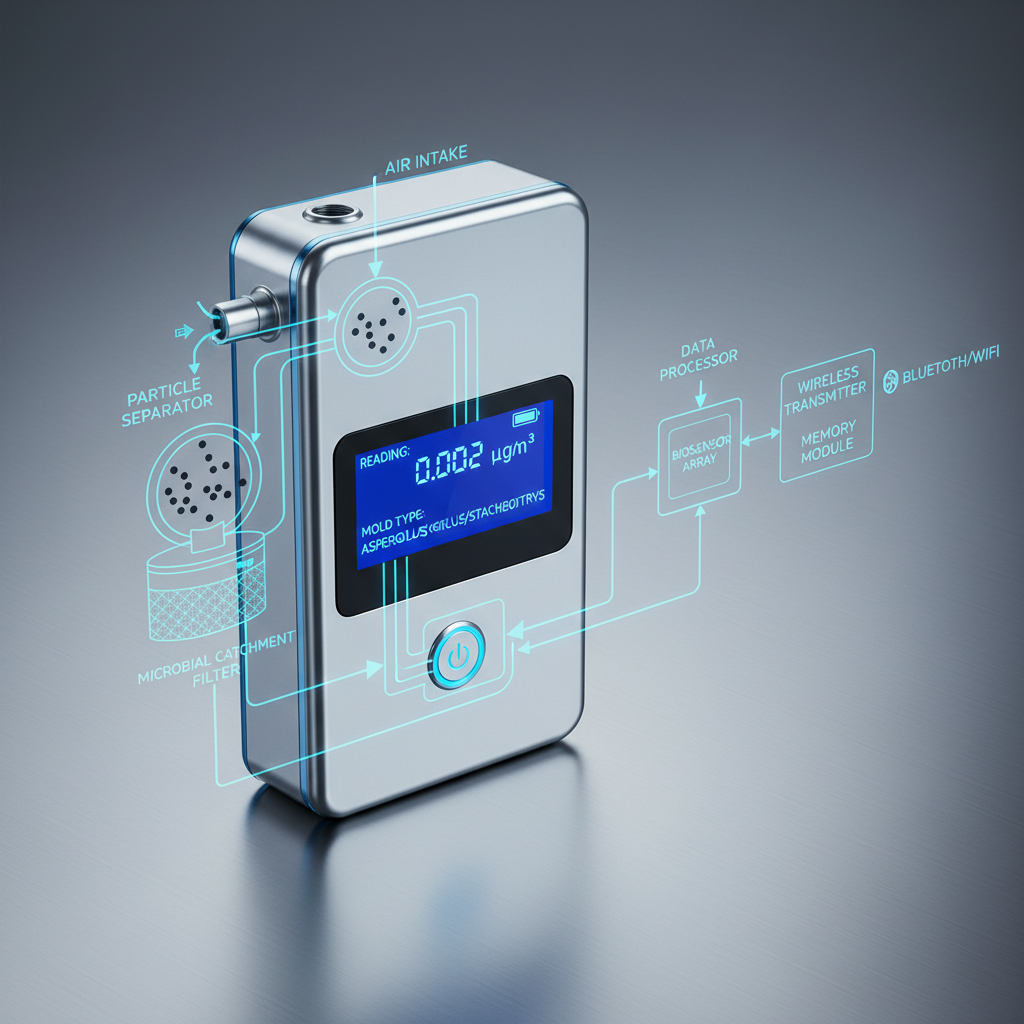
The development of more user-friendly, portable testing devices will also empower building owners and maintenance personnel to conduct their own assessments, reducing reliance on expensive lab services.
Challenges and Solutions in Accurate Mold Detection
One of the biggest challenges is distinguishing between allergenic mold spores and those that are naturally present in the environment. It's not always about eliminating all mold; it's about controlling the growth of harmful species. That's where accurate lab analysis and expert interpretation are crucial.
Another challenge is dealing with hidden mold growth, behind walls or under floors. In these cases, thermal imaging and moisture meters can help identify potential problem areas, guiding targeted air sampling efforts. Sometimes, you have to get a little destructive to get to the source.
The key is to adopt a holistic approach, combining visual inspections, air quality testing, and moisture mapping. It's not a one-size-fits-all solution; it requires experience, expertise, and a willingness to dig a little deeper.
Summary of Black Mold Detection Methods
| Method Name |
Accuracy Level (1-10) |
Cost (Low/Medium/High) |
Implementation Difficulty |
| Settle Plate |
5 |
Low |
Easy |
| Spore Trap |
7 |
Medium |
Moderate |
| Vacuum Cassette |
8 |
Medium |
Moderate |
| Direct Microscopy |
6 |
Low |
Moderate |
| ERMI Testing |
9 |
High |
Difficult |
| DNA-Based Testing |
10 |
High |
Difficult |
FAQS
Mold inspection is a visual assessment to identify potential mold growth and moisture issues. Mold testing involves collecting samples and sending them to a lab for analysis to determine the type and concentration of mold spores. Inspection is the first step, testing confirms the findings and provides data for remediation plans.
Typical turnaround time for mold test results is 3-7 business days, depending on the lab and the type of testing performed. Rush services are often available for an additional fee. Faster results don’t necessarily mean better results – accuracy is key, so patience is important.
Not all mold is equally harmful. Some molds are allergenic and can trigger allergic reactions, while others are toxigenic and produce mycotoxins that can cause more serious health problems. The level of risk depends on the type of mold, the concentration of spores, and individual sensitivity.
The cost of mold testing varies depending on the scope of the assessment, the number of samples collected, and the type of testing performed. A basic air quality assessment can range from $300 to $800, while more comprehensive investigations can cost upwards of $1,500.
While DIY mold test kits are available, they often lack the accuracy and reliability of professional lab testing. Accurate interpretation of results requires specialized knowledge and expertise. It's generally best to leave mold testing to qualified professionals.
If mold testing confirms the presence of elevated mold levels, it’s crucial to address the underlying moisture problem and implement a remediation plan. Hire a qualified mold remediation contractor who follows industry best practices and ensures proper containment and cleanup procedures.
Conclusion
In conclusion, accurately assessing and managing indoor air quality, specifically test for black mold in air, is paramount for protecting human health and maintaining building integrity. It’s not just about identifying a problem; it’s about understanding the underlying causes and implementing effective solutions. A proactive approach, combining thorough inspection, accurate testing, and diligent remediation, is the best defense against the harmful effects of mold growth.
Moving forward, advancements in technology and a growing awareness of indoor air quality will continue to drive innovation in mold detection and prevention. By staying informed about the latest best practices and utilizing reliable testing methods, we can create healthier and safer environments for everyone. Visit our website at www.bioaerosolsampler.com to learn more about our comprehensive air quality testing solutions.