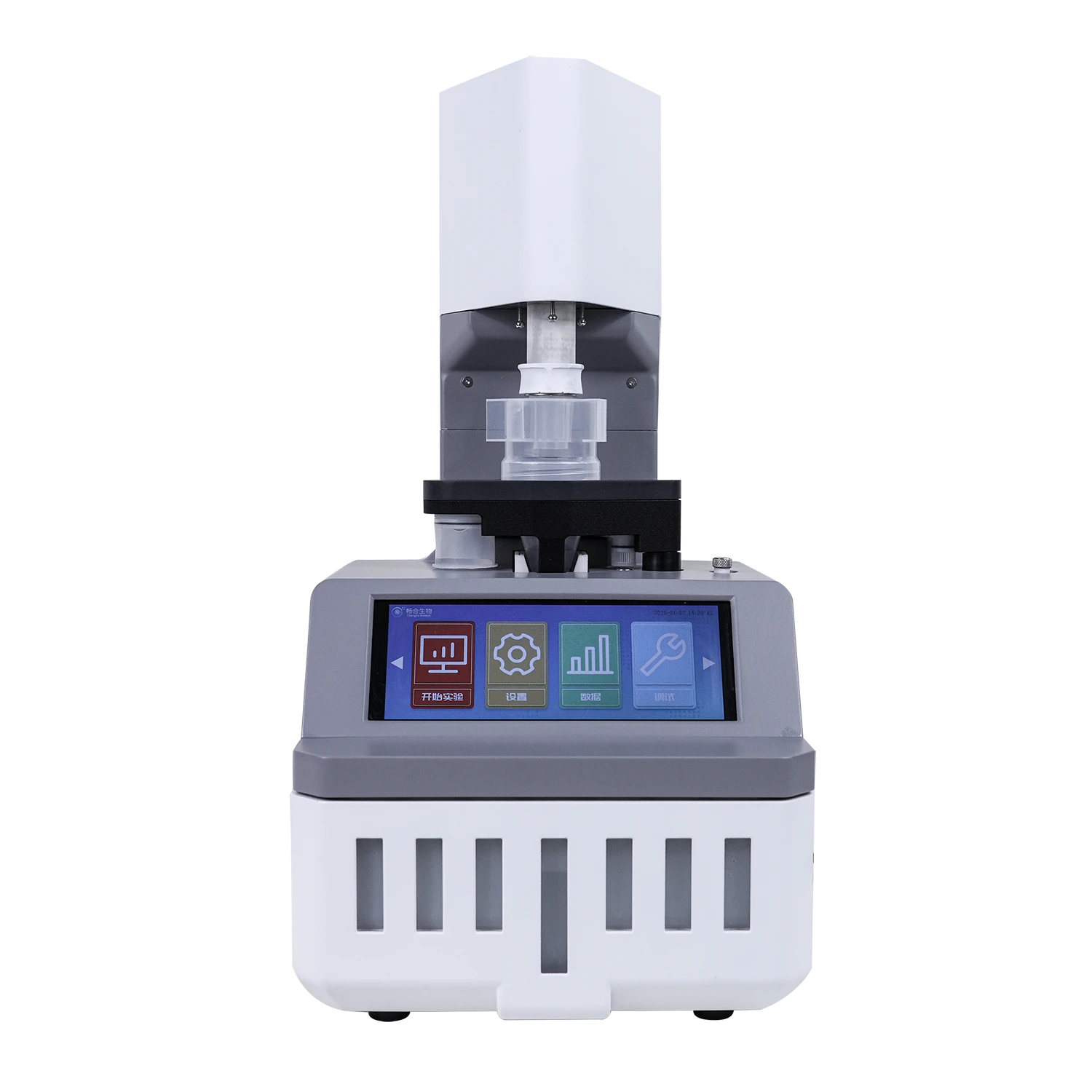

Open Source PCR Machine – Affordable, Customizable Molecular Diagnostics
What’s an Open Source PCR Machine and Why Should You Care?
Heard about open source PCR machine lately? If you haven't, it's time to tune in. PCR, or Polymerase Chain Reaction, is a game-changer in molecular biology — it lets scientists amplify tiny amounts of DNA to analyze or detect diseases. Now, imagine that technology being freely accessible, customizable, and affordable worldwide. That's where open source PCR machines come in. They promise not just scientific progress but also democratized healthcare diagnostics, especially in places traditionally left out of the tech race.
Globally, the ability to perform PCR tests rapidly and on-site can mean the difference between managing infectious disease outbreaks effectively or being blindsided. This is no longer just a lab problem; it’s a frontline public health necessity. Understanding open source PCR technology means knowing how innovation meets inclusion.
The Global Pulse on Open Source PCR Machines
According to the World Health Organization, timely and accurate diagnostics are vital in controlling epidemics. Unfortunately, many low-income countries face hurdles accessing commercial PCR machines due to costs and proprietary restrictions. The United Nations has repeatedly emphasized technology sharing and open innovation as pillars of sustainable development. Against this backdrop, open source PCR machines are gaining traction—offering not only cost savings but also adaptability for a range of pathogens.
To put it in perspective, the global PCR market is valued at billions of dollars annually—but a significant portion flows through a handful of companies. This limits diversity and experimentation with different designs suited for local needs. The open source movement skips this bottleneck, encouraging community-driven development.
Yet, challenges remain — such as standardization and quality control — that open source PCR machines are actively trying to address.
What Exactly Is an Open Source PCR Machine?
Simply put, an open source PCR machine is a PCR device whose design files, control software, and hardware configurations are openly shared and can be modified or improved by anyone. Imagine a smartphone whose specs are fully public, allowing hobbyists, labs, and small companies to build or tweak them, tailoring functionality to unique needs.
This transparency is powerful. Instead of proprietary black boxes, scientists can customize their devices or combine them with other diagnostic tools. In times of crises, like the COVID-19 pandemic, such agility proved invaluable.
Core Features of Open Source PCR Machines
1. Cost Efficiency
1. Cost Efficiency
Without licensing fees and closed designs, these machines usually cost less than commercial counterparts—sometimes as little as 10–20% of big-brand models. This makes PCR testing more accessible to schools, small clinics, and even startups.
2. Modularity
Most open source PCR machines boast modular parts: heating blocks, optical sensors, microcontrollers can be swapped or upgraded. This helps engineers tailor the device for different assays or throughput needs.
3. User-Friendly Software
Open source PCR software tends to be built on open frameworks with intuitive interfaces, allowing integration with common lab information management systems (LIMS).
4. Scalability
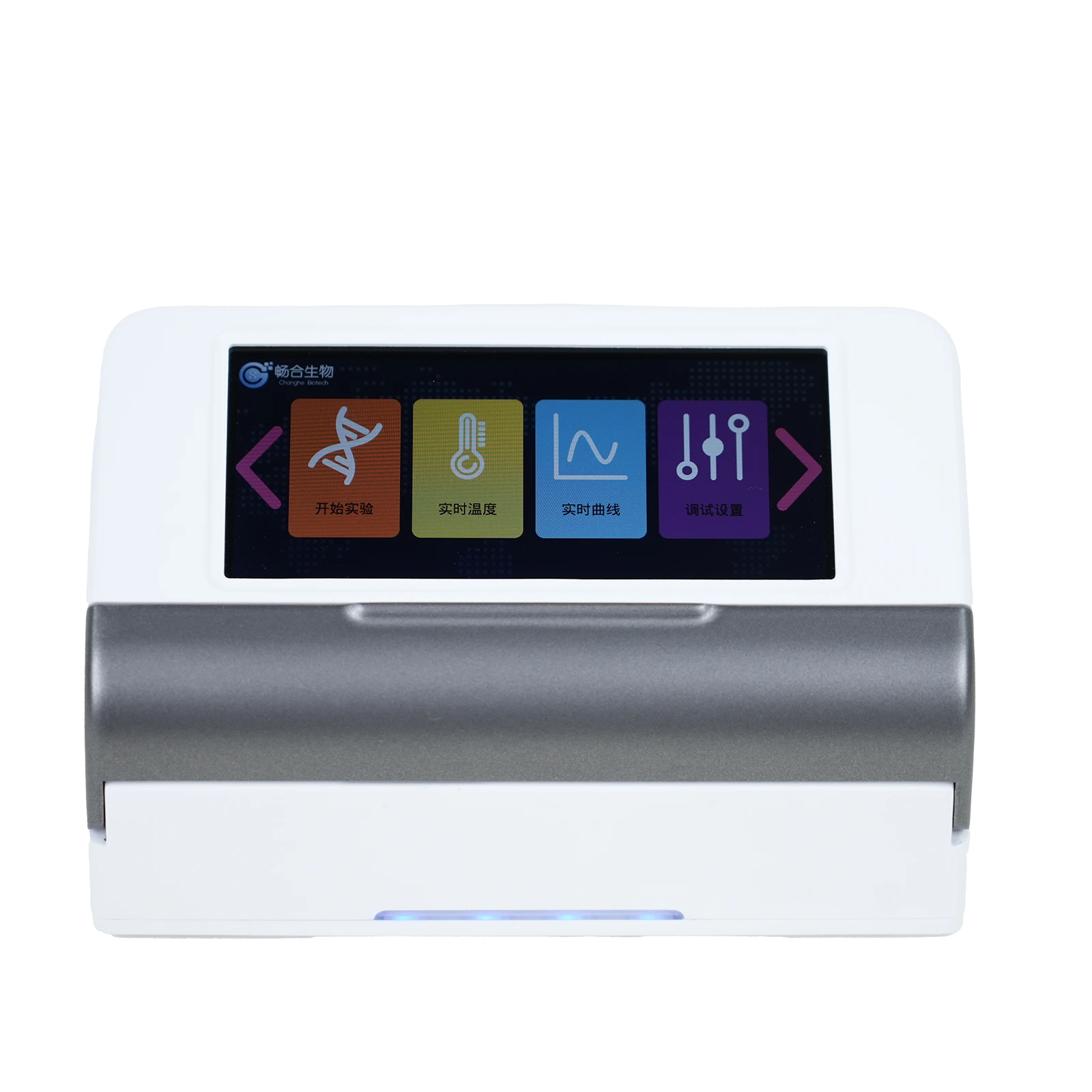
From handheld units for fieldwork to bench-top for larger labs, open source PCR designs are flexible in scale — supporting everything from point-of-care diagnostics to basic R&D workflows.
5. Community Support & Continuous Improvement
An active online community means ongoing bug fixes, innovative add-ons, and peer-reviewed validation, often faster than commercial updates.
Mini takeaway:
Open source PCR machines bridge cost, functionality, and adaptability, making molecular diagnostics widely attainable.
Where Are Open Source PCR Machines Making a Difference?
Nearly every continent has seen innovative uses. In East Africa, NGOs use open source PCR units to detect tuberculosis in rural clinics where lab infrastructure is limited. In South America, research groups develop tailored viral detection protocols for zoonotic diseases, powered by open PCR devices.
Even in disaster relief settings, these machines have enabled rapid pathogen screening onsite, cutting down response times dramatically. Their lightweight, rugged design suits these harsh environments well.
Product Specification Table
| Feature | Typical Open Source PCR Machine | Commercial Equivalent |
|---|---|---|
| Cost | $1,500 - $5,000 | $15,000 - $50,000 |
| Max Samples per Run | 16 - 48 | 96 - 384 |
| Ramp Rate (°C/sec) | 1.5 - 3.0 | 3.5 - 5.0 |
| Software | Open Source, customizable | Proprietary |
| Portability | Handheld/portable options | Mostly bench-top |
How Do Vendors Stack Up? Comparing Open Source PCR Providers
| Vendor | Design Transparency | Community Support | Ease of Assembly | Validation/Certification |
|---|---|---|---|---|
| DIYbio PCR Kit | Full access to schematics | Strong, active forums | Intermediate | Research use only |
| OpenPCR Project | Open hardware & software | Global contributors | Beginner-friendly | Some CE marked parts |
| Pipette Labs | Partial openness | Moderate support | Advanced build | CE certified |
Why Choose Open Source PCR Machines? The Advantages
- Cost Savings: Dramatically reduce capital expenditure.
- Customization: Tailor devices for unique tests or environments.
- Transparency: Trust comes easier when designs are visible.
- Sustainability: Repair and upgrade rather than replace, cutting e-waste.
- Community Innovation: Continuous improvements fueled by users.
On an emotional level, having control over your own testing equipment restores agency to local health workers and researchers. They’re not dependent on long procurement cycles or unpredictable supply chains—this independence fosters confidence and dignity.
Emerging Trends in Open Source PCR Tech
The next frontier involves integration with AI-driven analysis software, drone delivery of portable units in remote areas, and even solar-powered operation for off-grid use. Sustainability initiatives focus on biodegradable plastics for disposable parts and energy-efficient thermal cycling. Digital transformation means these machines will connect with cloud databases for real-time epidemic tracking. Frankly, it feels like PCR machines are getting smarter by the day.
Facing the Hurdles Head-On
Despite tremendous promise, open source PCR machines still face obstacles. Quality consistency is a big one: calibrating homemade builds for accurate results isn’t trivial. Regulatory acceptance is tricky too, often varying widely across countries.
Solutions? Collaborations between developers and accredited labs help validate performance rigorously. Some organizations are producing standardized kits and protocols that ensure easier certification down the line. Plus, as awareness grows, policy frameworks are slowly catching up to embrace open hardware.
Frequently Asked Questions About Open Source PCR Machines
-
Q: How reliable are open source PCR machines compared to commercial ones?
A: When properly assembled and calibrated, open source PCR machines can approach the accuracy of commercial models. The key is rigorous validation and standardized protocols, which many community projects emphasize. -
Q: Can I use open source PCR machines in official diagnostic labs?
A: It depends on local regulations. Some labs use them for research or screening, but official diagnostic use often requires regulatory approval. Increasingly, open source devices are meeting certification standards. -
Q: What kind of training is needed to operate these devices?
A: Basic molecular biology knowledge helps, but many open source PCR projects aim to make software intuitive and assembly straightforward — even for beginners with some technical aptitude. -
Q: Are parts and software easily available worldwide?
A: Yes, most projects publish design files and bill of materials online, and open source software is downloadable globally. However, sourcing some electronic components might be challenging in very remote regions. -
Q: How do I get started building one?
A: Start by visiting reputable community projects like the open source pcr machine portal for guides, parts lists, and tutorials tailored for beginners.
In Summary: Why Your Lab or Clinic Should Consider Open Source PCR
Open source PCR machines are more than just economical alternatives; they represent a shift toward inclusive innovation. They empower resource-limited regions, accelerate research, and catalyze global health resilience. Whether for rapid epidemic response or day-to-day molecular work, their long-term value lies in adaptability, cost-effectiveness, and community-driven progress.
Ready to explore how open hardware can transform your diagnostics? Visit our website for detailed resources, up-to-date kits, and hands-on support.
References and Further Reading
-
Uniplex PCR Equipment for Industrial Biosafety & MonitoringNewsDec.08,2025
-
TB PCR Kit: A Veteran’s Take on Leading Diagnostic ToolsNewsDec.08,2025
-
Stem Loop Rt Pcr – Advanced Molecular Detection Solutions for Industry | Bio Aerosol SamplerNewsDec.08,2025
-
Reliable RT PCR RNA Virus Testing & Bioaerosol Sampling EquipmentNewsDec.07,2025
-
Rt Pcr Monkeypox: Advanced Viral Detection Solutions for B2B IndustriesNewsDec.07,2025
-
RT PCR Kit for Monkeypox Detection – Reliable Diagnostics ToolNewsDec.07,2025