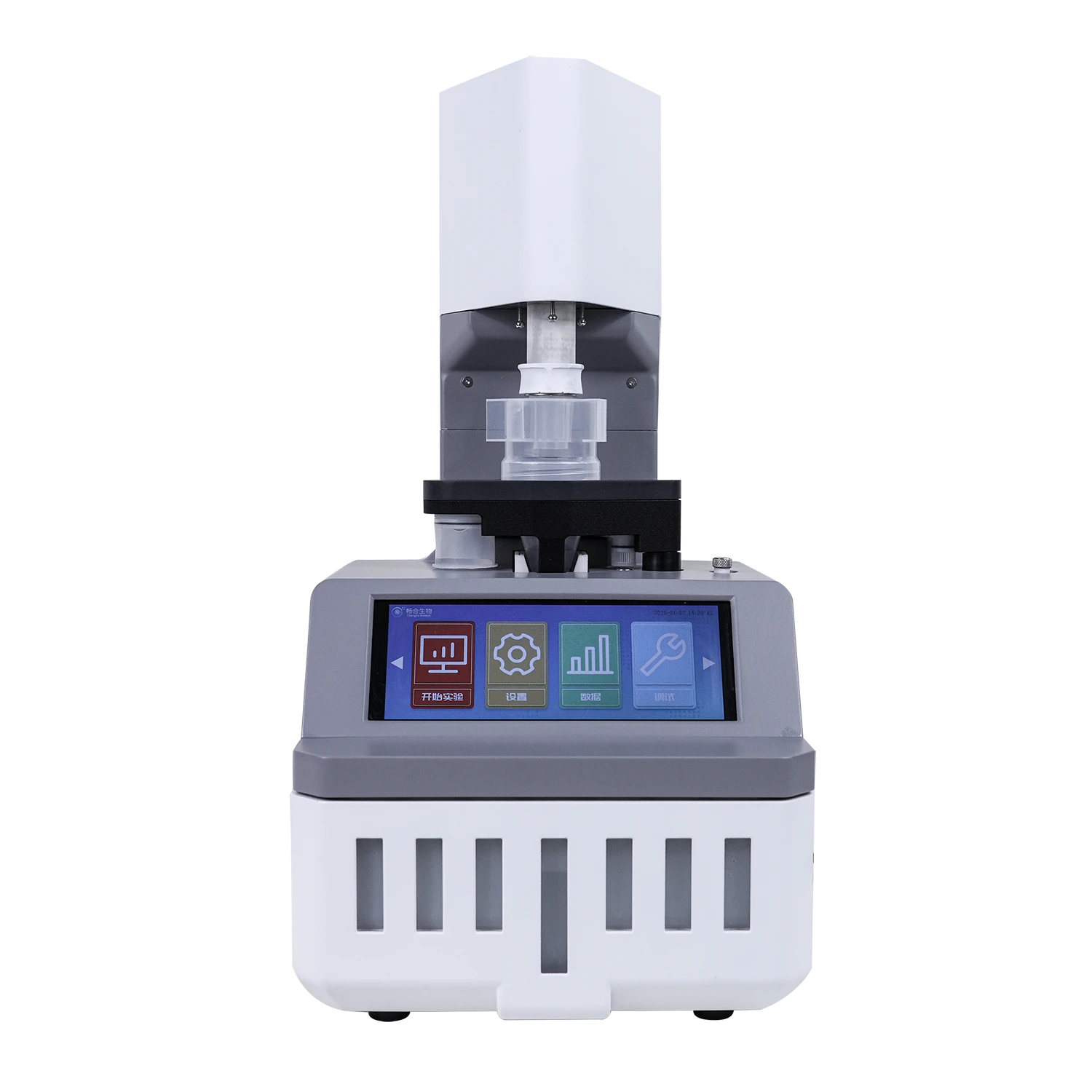

Machine for PCR Test – Essential Guide to Modern Diagnostic Equipment
Understanding the Machine for PCR Test: Why It Matters in Today's World
In a world that often feels defined by crises — pandemics, environmental changes, and sweeping technological shifts — the machine for PCR test has quietly become a linchpin of global health and diagnostics. But what exactly is this machine? Why does it matter to states, hospitals, humanitarian organizations, even remote communities?
Simply put, the machine for PCR test enables rapid, reliable detection of genetic material from viruses, bacteria, or other pathogens — a task vital for everything from diagnosing infectious diseases to reassuring people about their health status. During the COVID-19 pandemic, PCR machines were front and center, revealing just how crucial they are for preventing outbreaks and saving lives worldwide.
Getting a handle on how these machines work and what drives their adoption means understanding not only a piece of equipment but a keystone of modern public health infrastructure.
Global Context: Why PCR Machines Are a Worldwide Priority
The World Health Organization estimates that infectious diseases cause millions of deaths annually, many from illnesses detectable by PCR (polymerase chain reaction) testing. In 2021 alone, COVID-19 testing used millions of PCR tests globally, underscoring why these machines are indispensable.
Yet, access to PCR testing remains uneven. Many low-resource settings lack the equipment or trained personnel to conduct timely diagnoses. This gap is particularly problematic in remote or disaster-affected regions where rapid response can make or break containment efforts.
The challenge isn’t just about hardware—it’s about scalability, cost, and user-friendliness. Machine manufacturers, NGOs, and governments are working hard to bridge these divides with innovative, portable PCR solutions that don't compromise accuracy.
What Is a Machine for PCR Test?
At its core, a machine for PCR test is a laboratory device that amplifies snippets of DNA or RNA from a sample, allowing technicians to detect trace amounts of pathogens. The process uses cycles of heating and cooling to "replicate" genetic material, making invisible viral loads visible.
This ability to detect pathogens rapidly and accurately revolutionized diagnostics in medicine, agriculture, food safety, and forensic science. The machine’s role extends beyond labs — modern designs bring PCR testing out of white coats and into field kits, pop-up clinics, and mobile machines that can reach underserved populations.
Core Components and Key Features of PCR Machines
1. Thermal Cycler
The thermal cycler is the heart of PCR machines. This cycling component changes temperatures in precise intervals to trigger steps like denaturation and annealing. Engineers expend a lot of energy optimizing how fast and accurate this cycling can be.
2. Detection System
While classic PCR readouts depend on gel electrophoresis, modern machines embed fluorescent detection allowing real-time quantification, called qPCR or RT-PCR. This lets users monitor the reaction as it happens — critical for speed and sensitivity.
3. Software & Automation
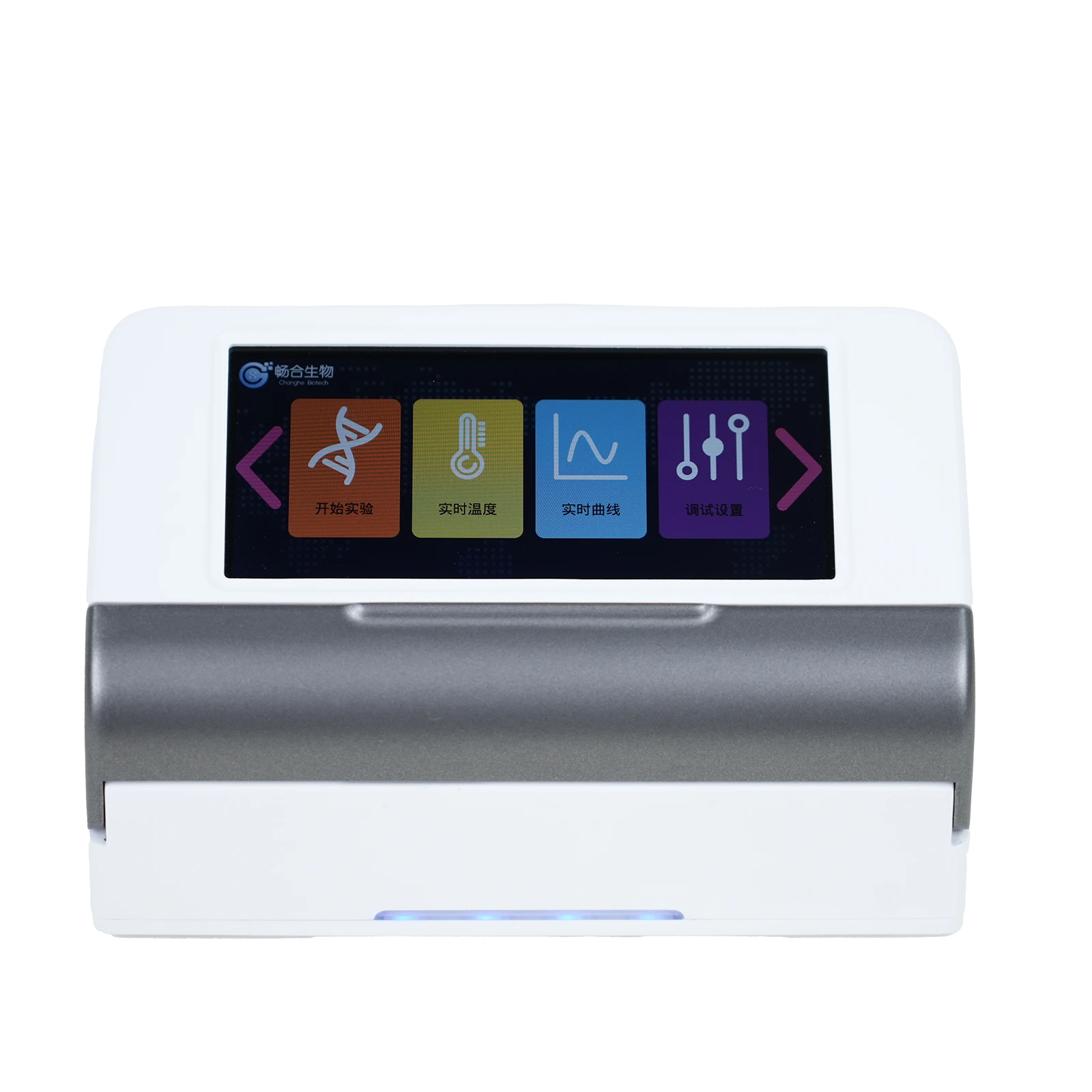
These days, most PCR devices come with integrated software for protocol customization and data interpretation. Some models link to cloud databases for instant result sharing. User-friendly interfaces make these machines accessible to non-specialists.
4. Portability
In many scenarios — think remote clinics or disaster zones — portability makes or breaks effective PCR testing. Compact, battery-operable machines have surged forward to meet these challenges.
5. Cost Efficiency
Cost isn’t only about price tags. Factors like reagent consumption, maintenance, and warranty play substantial roles in the total cost of ownership. Many buyers prioritize machines offering low-cost repeat testing with reliable precision.
6. Durability and Build Quality
In tough environments, robust design is key. Machines resistant to dust, vibration, and temperature fluctuations maintain consistent results without frequent breakdowns.
Mini takeaway: These aspects intersect to determine a machine’s real-world usability, from big hospitals in urban centers to NGOs conducting outreach in isolated regions.
Global Applications: Who Uses PCR Testing Machines and Where?
From large-scale hospitals in Europe to mobile testing units in sub-Saharan Africa, PCR machines have diversified applications:
- Public health surveillance: Detecting pathogens swiftly during outbreaks to contain spread.
- Food safety: Confirming contamination by microorganisms.
- Veterinary diagnostics: Guarding livestock health in agricultural economies.
- Environmental monitoring: Tracing microbial contamination in water or air samples.
- Humanitarian aid: In refugee camps or disaster zones for rapid diagnosis.
For instance, in post-disaster relief operations after hurricanes in the Caribbean, portable machine for pcr test units helped medical teams quickly identify cholera outbreaks, enabling rapid containment.
Typical Specifications of a Medical PCR Machine
| Feature | Specification |
|---|---|
| Sample Capacity | 96 wells (typical) |
| Thermal Cycling Range | 4°C to 99°C |
| Detection Method | Real-time fluorescence (qPCR) |
| Run Time | ~1-2 hours (varies) |
| Dimensions | 30 x 40 x 25 cm |
| Weight | ~10 kg |
Comparing Leading PCR Machine Vendors
| Vendor | Portability | Price Range | User Interface | Special Features |
|---|---|---|---|---|
| Thermo Fisher | Medium (Benchtop) | $15,000 - $50,000 | Advanced, but complex | Cloud integration, multiplex assays |
| Bio-Rad | Medium | $12,000 - $45,000 | User-friendly | Multiplex qPCR |
| Cepheid | High (Portable) | $20,000 - $60,000 | Simple touchscreen | Rapid test cartridges |
| QIAGEN | Medium | $18,000 - $55,000 | Touchscreen, automated prep | Sample prep automation |
Advantages and Long-Term Value of Investing in PCR Machines
Investing in good PCR equipment means investing in health security. There's the obvious benefit of rapid, highly sensitive diagnostic capability — which, frankly, can save lives by reducing transmission or speeding medical treatment.
Then there is cost-effectiveness — fast diagnosis reduces hospitalization days, lowers unnecessary treatments, and helps maintain functional economies by limiting quarantine times.
From a social viewpoint, PCR testing machines also contribute to dignity and trust — knowledge is empowering. Patients who get accurate, quick results experience less anxiety, which, I suppose, is underrated in healthcare.
Long term, these machines lay the foundation for innovation. They bring data-driven decisions to public health, inform vaccine development, and pave the way for point-of-care diagnostics in places where healthcare is scarce.
Looking Ahead: Future Trends in PCR Testing Technologies
PCR machines are evolving fast. Even now, manufacturers are incorporating:
- Green technologies: Energy-efficient thermal cycles and recyclable parts to help sustainability.
- Automation: Minimal human input, reducing errors, and enabling higher throughput.
- Digital connectivity: Integration with cloud platforms for real-time data sharing and epidemiology.
- Portability leaps: Smaller, battery-run devices that can be air-dropped into disaster zones or embedded in field hospital units.
The crossroad of PCR and AI might also offer smarter prediction models, blending diagnostics with disease forecasting in ways we've barely explored.
Challenges and How They're Being Tackled
No technology is without hurdles. For PCR machines, some ongoing challenges include:
- Cost barriers: High prices limit access in poorer regions.
- Complexity: Some machines require highly trained operators.
- Infrastructure dependency: Need for stable electricity and controlled environments.
Solutions are coming through modular, user-friendly designs, solar-powered models, and partnerships boosting local training. There’s also a push for universal standards to ensure reliability and safety globally.
FAQ: Answers to Common Questions About Machine for PCR Test
Q: How quickly can PCR machines deliver results?
A: Most conventional machines take around 1 to 2 hours per run, but some rapid PCR devices can provide results in under 30 minutes, balancing speed and accuracy depending on the model.
Q: Are portable PCR machines as reliable as full-sized lab versions?
A: Advances in technology have made portable PCR machines nearly as accurate as benchtop units, although throughput is usually lower. They’re great for field use but may not replace large lab instruments in high-volume settings.
Q: Can non-expert staff operate PCR machines?
A: Many modern systems have simplified interfaces with automated protocols to minimize operator error, making them accessible to trained generalists rather than only molecular biologists.
Q: What maintenance do PCR machines require?
A: Routine cleaning, calibration, and occasionally replacing key consumables like optical filters keep machines running optimally. Service contracts often help in managing upkeep.
Q: How do organizations source PCR machines internationally?
A: Procurement usually involves qualified vendors, export compliance, and local regulatory approvals. Partnerships with companies offering global support ease the process.
Conclusion: Why the Machine for PCR Test Is More Than a Gadget
Ultimately, the machine for PCR test embodies progress in medicine, science, and humanitarian response. It’s a tool that marries precision with practicality, enabling communities across the globe to detect, respond, and recover better.
If you’re looking to explore more about how these machines operate or want to investigate specific models suited for various contexts, explore our site or reach out for expert guidance.
Visit our website: machine for pcr test and discover up-to-date solutions designed for today’s global health challenges.
References
-
Uniplex PCR Equipment for Industrial Biosafety & MonitoringNewsDec.08,2025
-
TB PCR Kit: A Veteran’s Take on Leading Diagnostic ToolsNewsDec.08,2025
-
Stem Loop Rt Pcr – Advanced Molecular Detection Solutions for Industry | Bio Aerosol SamplerNewsDec.08,2025
-
Reliable RT PCR RNA Virus Testing & Bioaerosol Sampling EquipmentNewsDec.07,2025
-
Rt Pcr Monkeypox: Advanced Viral Detection Solutions for B2B IndustriesNewsDec.07,2025
-
RT PCR Kit for Monkeypox Detection – Reliable Diagnostics ToolNewsDec.07,2025