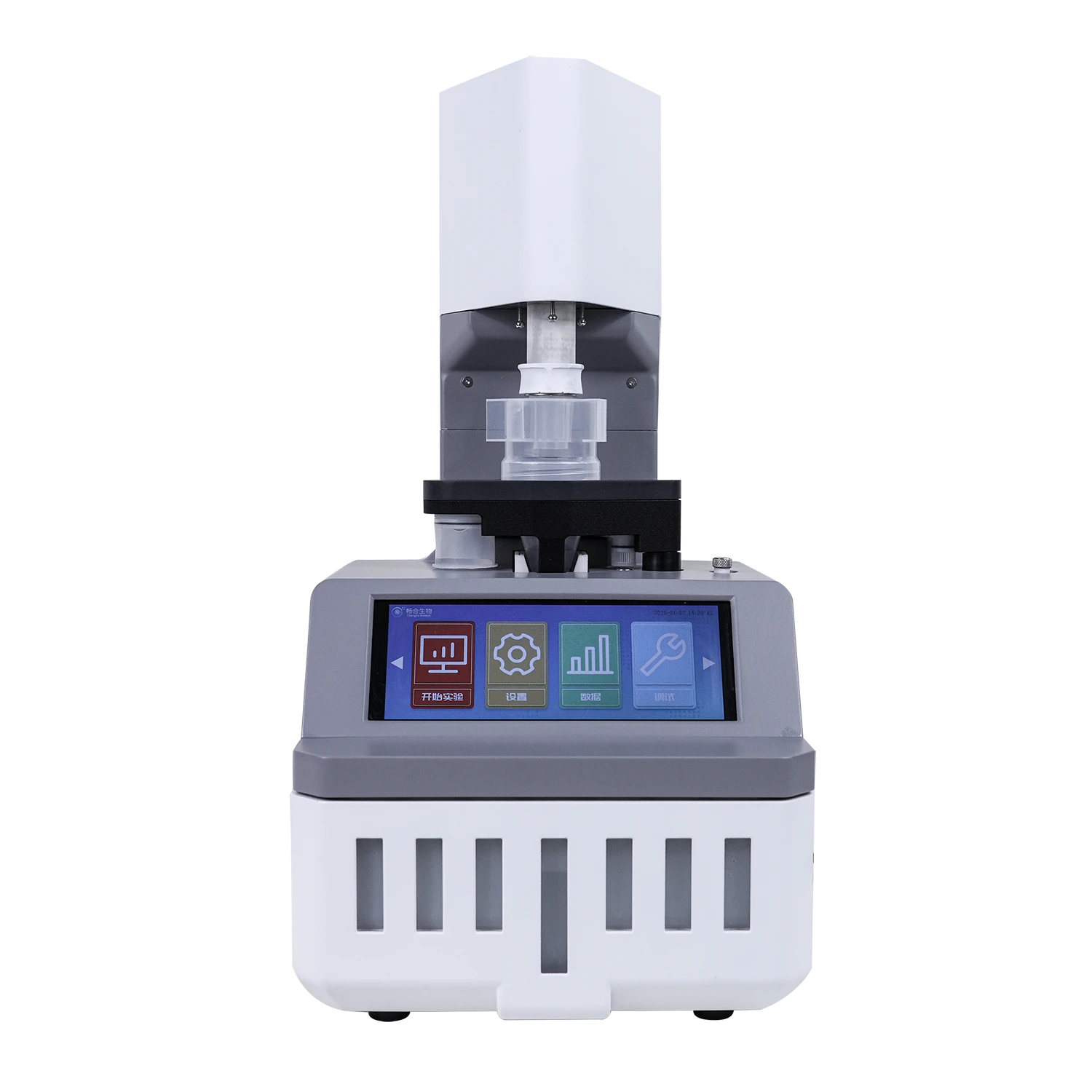

High Throughput PCR Machine: Transforming Molecular Diagnostics at Scale
What Is a High Throughput PCR Machine and Why It Matters
If you’ve ever dabbled in molecular biology, or simply followed the science news over the last few years, you’ve probably heard of PCR — Polymerase Chain Reaction. It’s that nifty method that amplifies tiny bits of DNA so scientists can actually study them. Now, throw in the word high throughput and you’re talking about machines that don’t just analyze one sample at a time, but hundreds or even thousands in a day. Why does this matter globally? Well, whether it’s tracking disease outbreaks or speeding up genetic testing in agriculture, a high throughput PCR machine transforms months of work into mere hours. And that ripple effect – of speed, accuracy, and scale – can ultimately save lives, resources, and help policy-makers make informed decisions.
Understanding these machines better is key both for lab directors scouring for the right equipment and even for humanitarian organizations that rely on quick genetic diagnostics in the field.
The Global Context: How High Throughput PCR Machines Shape Modern Science
According to reports from the World Health Organization and recent ISO standards, the demand for rapid diagnostics has skyrocketed — especially after global events like the COVID-19 pandemic underscored the need for fast, reliable testing at scale. Laboratories worldwide are now challenged to process millions of samples monthly without sacrificing accuracy. That’s where high throughput PCR machines fit in brilliantly.
Here’s a bit of an eye-opener: some leading labs can test upwards of 10,000 samples per day using these platforms. But it’s not only healthcare; food safety, environmental science, and even forensic labs are increasingly dependent on high throughput PCR machines. The challenge? Handling vast sample numbers without bottlenecks, keeping costs sustainable, and requiring user-friendly operation for diverse technicians.
And beyond industrialized nations, there’s a pressing need in developing regions where disease surveillance is vital but infrastructure limited. A machine that can work faster and with minimal fuss is basically a game changer.
Mini takeaway:
- The global drive towards fast, accurate molecular testing puts high throughput PCR machines at center stage.
- Usability and scalability are key challenges laboratories demand solutions for.
What Exactly Is a High Throughput PCR Machine?
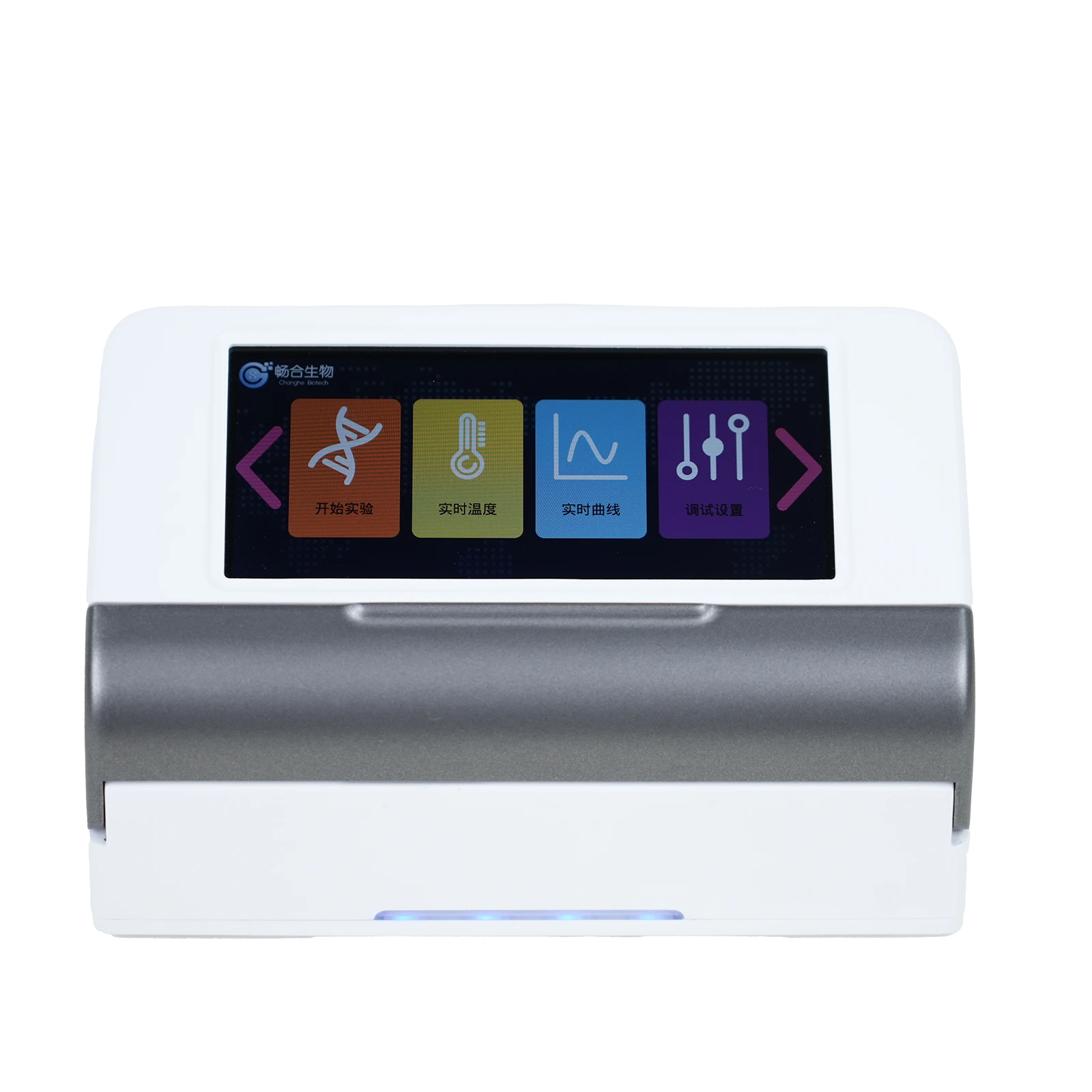
Put simply, a high throughput PCR machine is an automated device designed to perform PCR testing on a large number of samples simultaneously. Instead of running one or a handful of samples, these machines streamline the process so labs can maintain speed and precision, often integrating robotics and software for sample handling and data analysis.
The connection to modern industry and humanitarian needs is immediate. For example, during infectious disease outbreaks, rapid identification and confirmation of pathogens through PCR is crucial. Similarly, in agriculture, these machines enable genetic screening for desirable crop traits across thousands of seeds or plants — all without breaking a sweat.
The Core Components That Make High Throughput PCR Machines Tick
1. Automation & Robotics
Many of these machines now include robotic arms or automated pipetting systems that manage sample loading and reagent addition. This frees up technicians from repetitive tasks and reduces human error, ensuring consistent results at scale.
2. Thermal Cycling Speed & Precision
Thermal cycling — heating and cooling the samples to amplify DNA — must be fast and uniform. Advances in block design and heating elements allow high throughput units to cycle faster while maintaining exact temperature control.
3. Scalability & Sample Capacity
The hallmark of these machines is the ability to handle from hundreds up to thousands of samples simultaneously. Flexible tray formats and modular designs help labs scale according to demands without major downtime.
4. Data Integration & Software
Robust software platforms not only control the PCR process but also provide real-time data analytics, quality control, and seamless integration with lab information management systems (LIMS). This is crucial for quick decision-making and regulatory compliance.
5. Cost Efficiency
Whether you’re a large public health lab or a small biotech startup, minimizing reagent consumption and optimizing energy use can vastly reduce operational expenses.
Mini takeaway:
- The best high throughput PCR machines marry automation, precision, and scalability.
- Efficient software & cost-control matter just as much as mechanical innovation.
Real World Applications of High Throughput PCR Machines
The utility of these machines is far-ranging:
- Public health labs: Detecting viral variants rapidly, helping officials respond to flu seasons or pandemics.
- Agricultural biotechnology: Screening thousands of plant samples for genetic traits that improve yield and disease resistance.
- Food safety testing: Quickly identifying microbial contamination across large production batches.
- Pharmaceutical research: Accelerating drug development by analyzing gene expression profiles on a large scale.
- Environmental monitoring: Detecting pathogens or biodiversity markers in soil and water samples.
An interesting case: In 2019, the African CDC deployed mobile high throughput PCR units during Ebola outbreaks, enabling real-time viral detection across broad areas. This kind of use underscores how both developed and developing regions benefit profoundly.
Quick Specs: Typical High Throughput PCR Machine
| Feature | Typical Specification |
|---|---|
| Sample Capacity | 384 to 1536 wells per run |
| Thermal Cycling Time | ~30 to 60 minutes per run |
| Automation Features | Automated pipetting, sample loading |
| Data Software | LIMS integration, real-time analytics |
| Power Consumption | 500-1000 Watts |
| Dimensions | ~60cm x 50cm x 40cm |
Comparing Leading Vendors: What to Look For
| Vendor | Max Sample Volume | Automation Level | Data Software | Price Range (USD) |
|---|---|---|---|---|
| GeneAmp Solutions | 1536 wells | Full automation w/ robotic arm | Integrated LIMS & analytics | $120,000 - $180,000 |
| BioFast Technologies | 768 wells | Semi-automated pipetting | Modular software platform | $75,000 - $110,000 |
| AccelGen Laboratories | 480 wells | Manual load, software assisted | Standalone software | $50,000 - $80,000 |
Key Advantages and Lasting Impact of High Throughput PCR Machines
What’s often underestimated is how these machines do more than just speed things up. Yes, they reduce labor hours significantly, but they also increase consistency — human variability is a sneaky problem. And that consistency generates trust in results, which is critical when public health decisions hang in the balance.
On the sustainability front, many newer machines emphasize energy efficiency and consume fewer reagents. Over time, these savings add up, benefiting budgets and the environment alike. Socially, faster diagnosis means communities get timely care, reducing outbreaks and enabling better resource allocation.
On a personal note, I remember chatting with a lab manager who said, “Without our high throughput PCR machine, there’s no way we could have handled the surge in testing last year.” There’s an emotional satisfaction there, knowing your tool isn’t just efficient — it saves lives.
Looking Ahead: The Future of High Throughput PCR Technology
The future is digital and automated. Upcoming models are starting to combine AI-driven error detection with cloud-enabled data sharing — so results can be remotely verified anywhere. Material scientists are experimenting with microfluidic chips that might make PCR machines smaller, faster, and even more power efficient.
Another trend is greener PCR — optimizing energy use not just during runs but in standby mode. It’s a small but significant nudge towards greener labs. Integration with high throughput pcr machine platforms is expected to become the norm, blending DNA testing with other biosensor data streams for richer diagnostics.
Challenges and How Experts Are Tackling Them
Of course, it’s not all roses. One common issue is upfront cost — these machines can be pricey, especially for smaller facilities. However, leasing models and scalable modular options help spread that burden.
Another challenge is training. Even the best equipment falls short if operators aren’t comfortable with it. That’s why vendors increasingly provide hands-on training and remote support.
On the technical side, contamination risks and false positives require strict lab protocols and regular maintenance. Newer machines incorporate contamination controls and improved sealing mechanisms that drastically lower such risks.
Frequently Asked Questions About High Throughput PCR Machines
- How does a high throughput PCR machine improve testing speed compared to traditional PCR?
- By processing hundreds to thousands of samples simultaneously with automation and advanced thermal cycling, high throughput PCR machines reduce testing time from days to hours, improving lab productivity and responsiveness.
- Can smaller labs afford high throughput PCR machines?
- While initial costs can be high, many vendors offer modular or semi-automated models tailored to smaller sample volumes, plus leasing or financing options to ease the financial impact.
- Are these machines suitable for field use in remote areas?
- Some units are designed compactly for mobile labs or field deployment, but most high throughput machines require stable power and controlled environments, making them better suited for centralized labs.
- What kind of maintenance do high throughput PCR machines need?
- Regular calibration, cleaning, and software updates are essential to ensure precision and prevent contamination. Many providers offer support contracts with scheduled service visits.
- How do software integrations benefit PCR workflows?
- Integrations with lab information systems automate data capture, reduce transcription errors, and facilitate compliance with regulatory requirements — speeding up decision-making.
Conclusion: Why Investing in High Throughput PCR Is a Smart Move
To wrap up, the high throughput PCR machine isn’t just a fancy lab gadget — it’s a powerful ally in fighting disease, ensuring food safety, and driving scientific discovery faster and more reliably than ever before. The long-term benefits range from cost savings and environmental efficiency to social impact and innovation. If you’re considering upgrading your lab or expanding testing capabilities, it’s definitely worth exploring the latest options on the market.
For more insights and product details, visit our site and explore how high throughput PCR machines can transform your workflow.
References
-
Uniplex PCR Equipment for Industrial Biosafety & MonitoringNewsDec.08,2025
-
TB PCR Kit: A Veteran’s Take on Leading Diagnostic ToolsNewsDec.08,2025
-
Stem Loop Rt Pcr – Advanced Molecular Detection Solutions for Industry | Bio Aerosol SamplerNewsDec.08,2025
-
Reliable RT PCR RNA Virus Testing & Bioaerosol Sampling EquipmentNewsDec.07,2025
-
Rt Pcr Monkeypox: Advanced Viral Detection Solutions for B2B IndustriesNewsDec.07,2025
-
RT PCR Kit for Monkeypox Detection – Reliable Diagnostics ToolNewsDec.07,2025