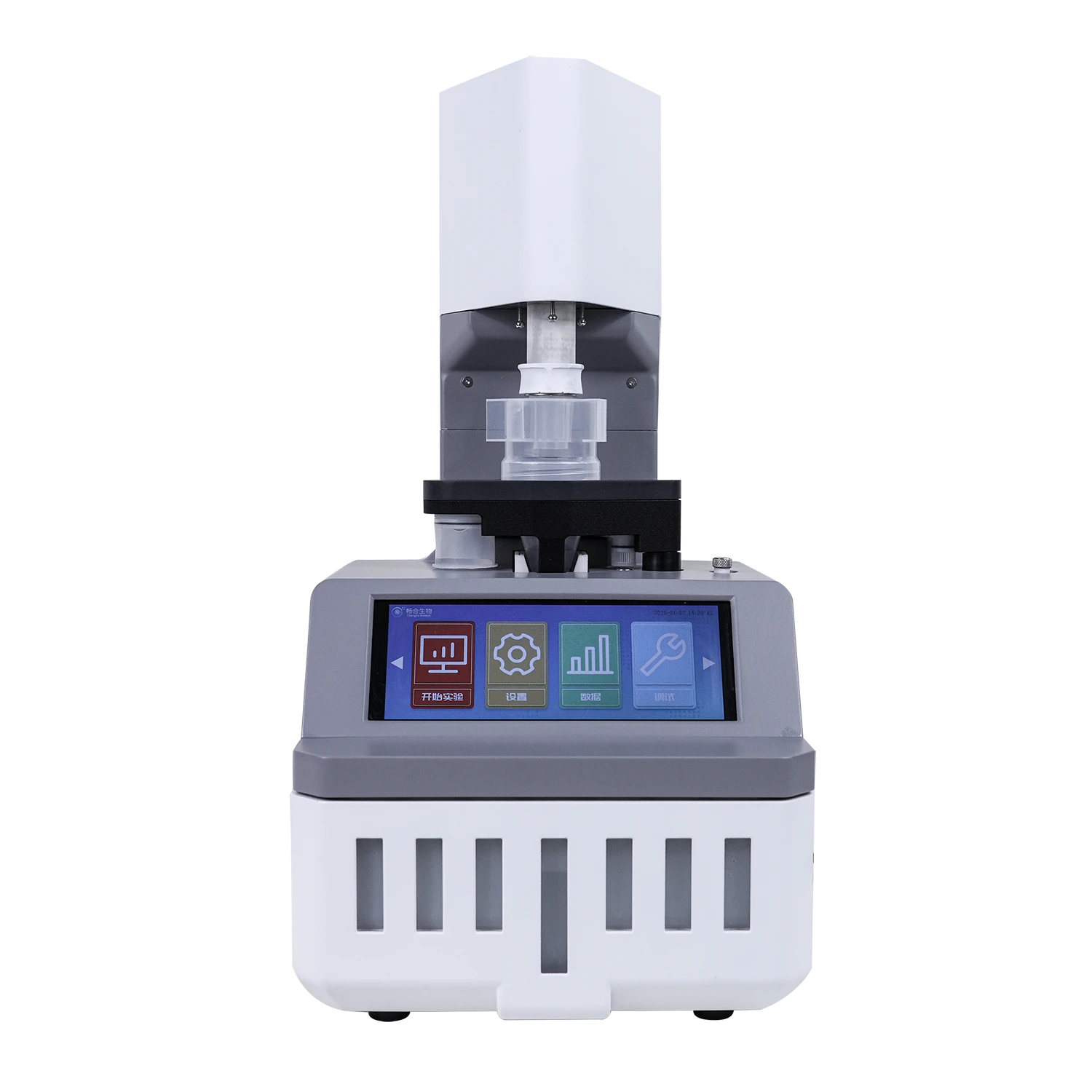

Fully Automated PCR Machine - Streamlining Molecular Diagnostics Globally
Why Fully Automated PCR Machines Matter More Than Ever
In the last decade, the fully automated PCR machine has quietly become one of the linchpins in modern biotechnology and diagnostics. But why the fuss? Well, PCR—or polymerase chain reaction—is that magical process that amplifies tiny snippets of DNA, turning them into readable quantities. Imagine going from reading a grain of sand to a whole beach. Now, automate and accelerate that process, and you have a tool that’s not just fascinating but globally critical.
The global health landscape is facing emerging diseases, antibiotic resistance, and demand for rigorous testing at scale. According to the World Health Organization, rapid and accurate diagnostics are pivotal in outbreak control and patient management (WHO, 2021). That's where fully automated PCR machines step in: they promise speed, precision, and reduced human error—factors that can literally save lives.
The Global Context: Challenges and the Need for Automation in PCR
Globally, healthcare systems are under strain. According to the UN's Sustainable Development Goals report (2022), equitable access to diagnostics remains a huge hurdle. Manual PCR testing, while reliable, is labor-intensive and prone to bottlenecks during health crises like COVID-19.
Automation tackles this head-on by reducing hands-on time, minimizing contamination risks, and scaling up testing throughput. For instance, during the height of the pandemic, labs equipped with fully automated PCR machines processed thousands of samples daily—an impossible feat with traditional setups.
So, the challenge? How to maintain speed AND accuracy without breaking the bank or demanding specialized staff. Automated PCR machines are the answer, delivering on all fronts.
Breaking It Down: What Exactly Is a Fully Automated PCR Machine?
Put simply, a fully automated PCR machine is a self-contained laboratory instrument that performs all steps of the PCR process automatically: sample preparation, nucleic acid extraction, amplification, and detection. No human intervention is needed once the samples are loaded—think of it as a molecular assembly line.
This machinery is a marriage of robotics, microfluidics, and thermal cycling technology. It fits naturally into modern biotech labs, hospitals, or even mobile health units. The automation delivers consistency and speed, crucial in environments where test volumes surge.
Its role stretches beyond just medical diagnostics—environmental monitoring, food safety, and even forensic applications rely heavily on these automated solutions.
Core Features That Define Fully Automated PCR Machines
1. Precision and Reliability
The heart of any PCR machine lies in its thermal cycling accuracy and reagent handling. Automated systems ensure consistent temperature changes, reducing variability that manual setups often face.
2. Scalability and Throughput
Whether you’re running dozens or thousands of tests daily, automated PCR machines can be scaled accordingly. High-throughput models allow multiple samples to run simultaneously, speeding up results and reducing backlog.
3. User-Friendly Interface
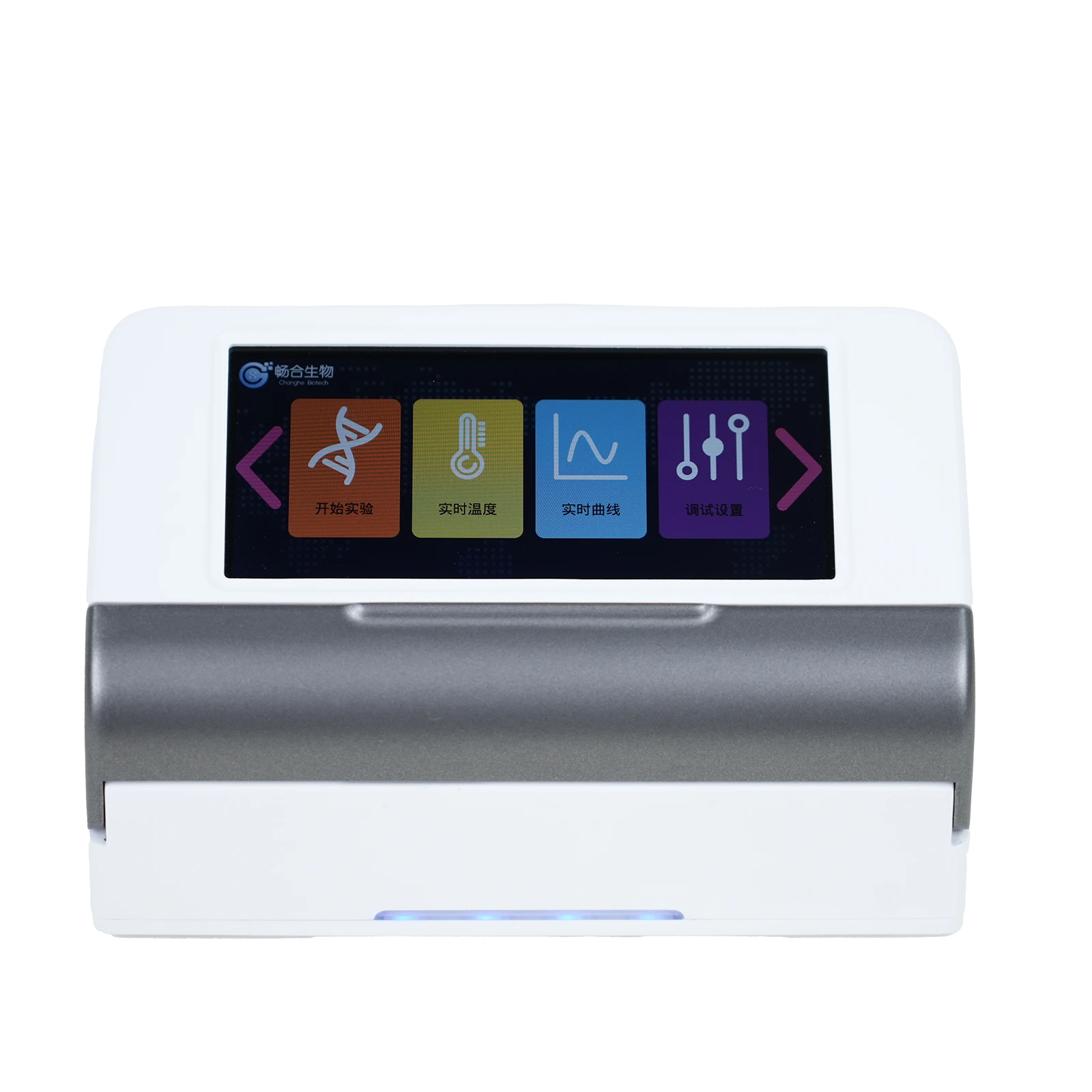
Modern designs focus on ease-of-use. Touchscreen operations with guided software workflows mean that even less experienced technicians can operate the machines confidently.
4. Integration Capabilities
Many fully automated PCR systems integrate with laboratory information management systems (LIMS), enabling seamless data transfer and real-time monitoring—a boon for quality control and regulatory compliance.
5. Compact and Robust Design
From bulky bench-top units to portable field devices, designs vary but often prioritize space-saving and durability. This flexibility lets facilities tailor solutions to their unique environments.
Where Are Fully Automated PCR Machines Making the Biggest Impact?
Geographically and sector-wise, these machines have spread like wildfire:
- Healthcare Facilities: Hospitals from Singapore to South Africa rely on automated PCR for rapid infectious disease detection.
- Public Health Labs: Organizations like the CDC integrate these machines into surveillance programs.
- Environmental Monitoring: Agencies use them to detect DNA from harmful pathogens or invasive species in water and soil.
- Food Safety Testing: Detecting contamination in perishable goods happens faster with automation.
- Disaster Relief Operations: Mobile units equipped with automated PCR machines provide on-site testing in remote or crisis-hit areas.
For example, in remote industrial zones where lab infrastructure is sparse, portable fully automated PCR units have become invaluable. They help detect tuberculosis outbreaks early and manage treatment.
Lifespan Value & Benefits of Investing in Automation
Initially, fully automated PCR machines might seem a steep investment. But over time, they pay off in dividends:
- Cost Efficiency: Reduced manual labor and reagent waste drive down total cost per test.
- Consistency and Accuracy: Less human error means fewer repeat tests and better patient outcomes.
- Safety & Reduced Contamination: Enclosed sample processing protects operators from exposure.
- Faster Turnaround: Speedy results enhance patient care and outbreak control.
Plus, the emotional relief of knowing you’re working with trusted technology—not guesswork—cannot be overstated. In a field where lives depend on accuracy, trust and innovation go hand in hand.
What’s Next? Future Trends and Innovations on the Horizon
We’re not standing still. The race to make PCR more portable, faster, and greener continues:
- Green Energy Solutions: Battery-operated, solar-charged PCR devices are on the rise—game-changers for field deployments.
- Digital and AI Integration: Automated data analysis with AI reduces human oversight and streamlines reporting.
- Miniaturization: Lab-on-a-chip technologies promise faster, cheaper tests in hand-held devices.
- Customized Reagents and Multiplexing: Machines can detect multiple pathogens in a single test, improving efficiency.
The promise is clear—consistently pushing boundaries in speed, accessibility, and environmental impact.
Overcoming Key Challenges
Despite their wow-factor, these machines face hurdles.
- High Initial Cost: Smaller institutions find price tags daunting.
- Technical Expertise: While simplified, machines still require technical know-how to troubleshoot.
- Supply Chain Dependencies: Reagent supply delays can halt operations.
Experts recommend leveraging fully automated PCR machine suppliers that provide embedded customer training, remote monitoring, and reagent partnerships. Modular designs also help by allowing incremental upgrades.
Product Specifications: A Typical Fully Automated PCR Machine
| Feature | Specification |
|---|---|
| Sample Capacity | 96 samples per run |
| Run Time | Approximately 60 minutes |
| Thermal Cycling Range | +4°C to 99°C |
| Detection Method | Real-time fluorescence quantification |
| Interface | 7” touchscreen, USB and LAN connectivity |
| Dimensions | 45 cm × 40 cm × 38 cm |
| Weight | ~15 kg |
Comparing Leading Vendors of Fully Automated PCR Machines
| Vendor | Max Sample Capacity | Unique Feature | Price Range | Support & Service |
|---|---|---|---|---|
| BioAuto Systems | 384 samples | AI-driven error detection | $$$ | 24/7 Remote support |
| GeneSpeed Tech | 96 samples | Compact footprint, portable units | $$ | Comprehensive training packages |
| NanoLab Instruments | 48 samples | Energy-efficient, solar compatible | $ | Regional on-site service |
FAQ: Common Questions About Fully Automated PCR Machines
Q1: How does a fully automated PCR machine reduce contamination risk?
A1: By automating sample handling in a closed system, these machines minimize manual contact points that can introduce contaminants. This enclosed workflow sharply reduces cross-contamination risks compared to manual protocols.
Q2: Can these machines be used outside of standard labs?
A2: Yes, some models are designed specifically for field use with portable, robust builds and battery power options, making mobile health screenings and environmental testing possible.
Q3: What kind of maintenance do automated PCR machines require?
A3: Routine maintenance includes cleaning optical sensors, calibration checks, and software updates. Many vendors offer remote diagnostics to simplify upkeep and troubleshooting.
Q4: Is training necessary to operate these machines?
A4: While user-friendly, training ensures operators understand workflows and troubleshooting. Most suppliers include detailed training programs tailored to facility needs.
Conclusion: Why Investing in a Fully Automated PCR Machine Is a Smart Move
In real terms, fully automated PCR machines aren't just laboratory luxuries; they’re vital, strategic investments for healthcare, research, and environmental safety worldwide. They tackle bottlenecks, improve accuracy, and democratize access to high-level diagnostic capabilities.
If you’re considering an upgrade or entry into molecular diagnostics, mastering these machines is a forward-looking move that blends innovation with real-world impact. Curious to explore more? Visit our website: fully automated pcr machine to discover cutting-edge products and support services tailored to your needs.
References:
-
Uniplex PCR Equipment for Industrial Biosafety & MonitoringNewsDec.08,2025
-
TB PCR Kit: A Veteran’s Take on Leading Diagnostic ToolsNewsDec.08,2025
-
Stem Loop Rt Pcr – Advanced Molecular Detection Solutions for Industry | Bio Aerosol SamplerNewsDec.08,2025
-
Reliable RT PCR RNA Virus Testing & Bioaerosol Sampling EquipmentNewsDec.07,2025
-
Rt Pcr Monkeypox: Advanced Viral Detection Solutions for B2B IndustriesNewsDec.07,2025
-
RT PCR Kit for Monkeypox Detection – Reliable Diagnostics ToolNewsDec.07,2025