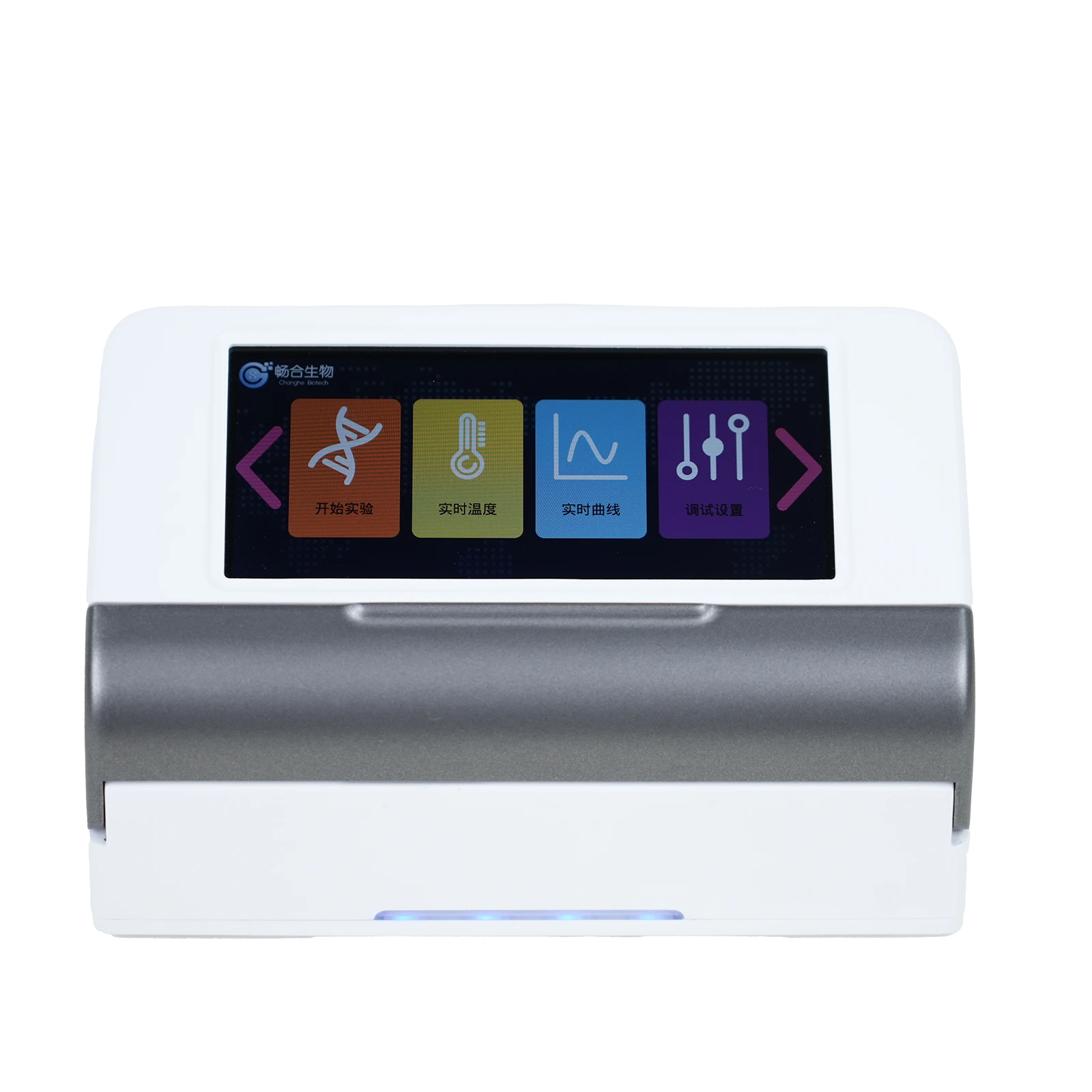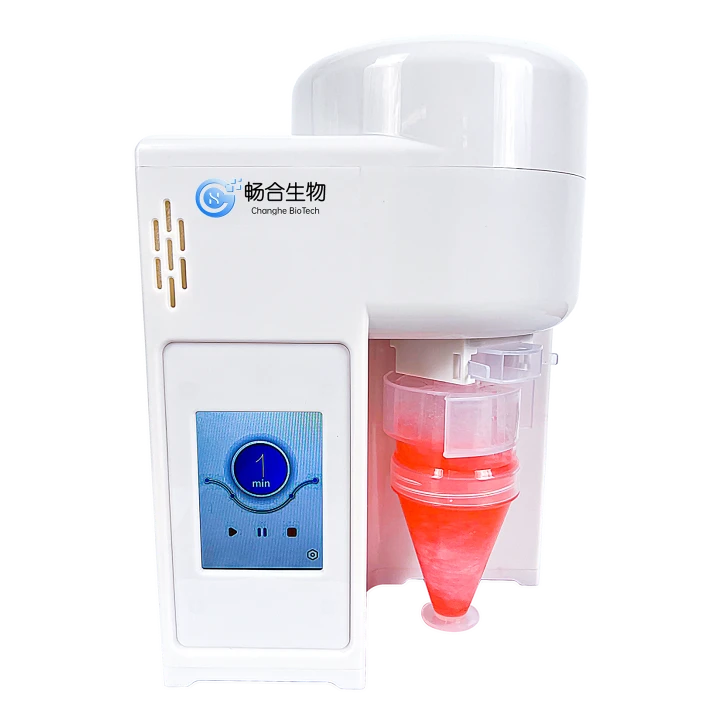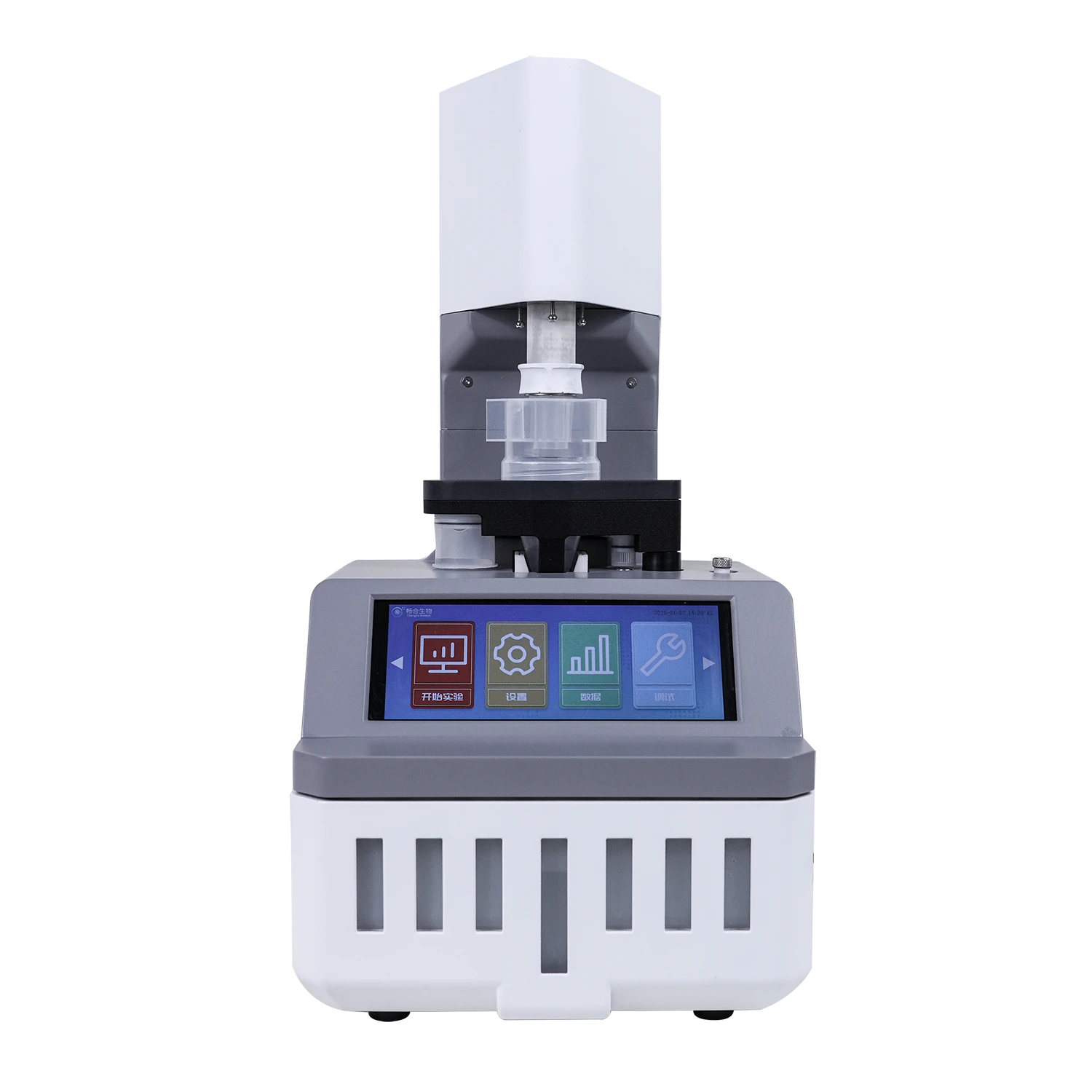

PCR Extraction Machine - Streamlining Diagnostics & Research Worldwide
What Is a PCR Extraction Machine & Why It Matters Today
When you hear the term PCR extraction machine, you might imagine some high-tech gadget tucked away in a lab. But this little marvel is a global game changer — especially in medical diagnostics, environmental monitoring, and even food safety. At its core, a PCR extraction machine helps isolate nucleic acids (DNA or RNA) quickly and efficiently, which is crucial for processes that rely on Polymerase Chain Reaction testing — the backbone of identifying viruses, bacteria, or genetic markers.
Understanding PCR extraction technology means tapping into faster diagnosis, better outbreak control, and improved research outcomes. And in today’s interconnected world—where health emergencies can ripple quickly across borders—having reliable, scalable extraction machines is not just a luxury; it’s almost a necessity.
Global Context: Why the PCR Extraction Machine Is More Important Than Ever
Let’s zoom out for a second. The World Health Organization reports that timely and accurate diagnostics can reduce disease spread dramatically. According to recent stats, labs worldwide perform millions of PCR tests every day — and that demand only skyrocketed with the COVID-19 pandemic. Yet, the core challenge remains: extracting good quality genetic material from patients’ samples is often a bottleneck.
World Bank data suggests that improving healthcare infrastructure — especially in emerging economies — is crucial for disease surveillance. The PCR extraction machine addresses this very hurdle by automating, accelerating, and standardizing that essential first step. Imagine trying to test tens of thousands of samples a week by hand... yeah, no one’s got time for that.
Oddly enough, despite the boom in PCR testing, many regions still face shortages of extraction kits and machines. The stakes are high: without reliable nucleic acid extraction, cash-strapped labs can’t deliver the quick, accurate results needed. This is where efficient PCR extraction machines literally save lives.
So, What Exactly Is a PCR Extraction Machine?
In simple terms, a PCR extraction machine is an automated system designed to isolate nucleic acids (DNA or RNA) from various sample types—blood, saliva, swabs, environmental swabs, you name it. This extracted genetic material becomes the input for PCR tests which then amplify specific DNA or RNA sequences to detect pathogens or genetic variants.
The machine handles complex chemical and physical steps: lysing cells, binding nucleic acids to magnetic beads or columns, washing away impurities, and eluting pure DNA/RNA. Compared to manual extraction methods, automation drastically cuts error rates and turnaround times.
Industrially, these machines support labs in hospitals, pharmaceutical companies, and research institutes. In humanitarian terms, they empower faster disease diagnosis in outbreak zones, enhance monitoring of water or food safety, and even assist forensic investigations.
Key Components That Make PCR Extraction Machines Tick
1. Sample Compatibility
Grab a nasal swab, blood vial, or environmental wipe, and the machine needs to adapt. Good PCR extraction devices work with a range of sample types, which is vital in multi-use labs that can’t afford specialized machines for every test.
2. Extraction Method
Most modern machines rely on magnetic bead technology—magnetic particles bind nucleic acids—and this method is prized for its efficiency and purity. Others use spin columns or filter membranes. The choice affects speed, yield, and downstream PCR success.
3. Throughput & Scalability
This is where size and design matter. Small benchtop devices are great for 24-48 samples per run, perfect for clinics or mobile labs. Larger automated platforms pump out hundreds per run, ideal for centralized hospitals or government labs.
4. Ease of Use & Automation
Simple user interfaces, minimal manual steps, and pre-loaded reagent kits reduce errors and training needs. For crisis response or field deployment, ease of operation is often as critical as speed.
5. Reliability & Quality Control
Consistent nucleic acid purity translates to trustworthy results. PCR extraction machines often include built-in controls or sensors for sample integrity, reagent levels, or contamination, helping labs maintain QC standards.
Global Applications & Real-World Examples
- Healthcare: Hospitals worldwide use PCR extraction machines daily for quick virus detection—flu, COVID-19, HIV, and beyond.
- Environmental Monitoring: In Europe and Asia, water treatment plants leverage these machines to screen for bacterial contamination, ensuring safe drinking water.
- Food Safety: Food manufacturers rely on nucleic acid extractions to quickly detect pathogens like Salmonella or Listeria before products hit shelves.
- Emergency Response: During outbreaks of diseases like Ebola, mobile PCR extraction units have been deployed in Africa to rapidly diagnose patients on-site.
For example, in remote regions of Southeast Asia, health workers using portable extraction machines and PCR test kits reported a 40% faster diagnosis turnaround than traditional methods. This sped up treatment decisions and reduced transmission rates notably.
Mini Takeaway:
A PCR extraction machine isn’t just fancy lab equipment — it’s a frontline hero in global health, food safety, and environmental protection initiatives.
The Long-Term Benefits of PCR Extraction Machines
Firstly, there’s the obvious cost savings by upgrading from manual kits to automated extraction — labs save on labor and reduce re-tests from poor sample prep. There’s also sustainability: modern systems often use less plastic and waste fewer reagents, aligning with greener lab initiatives.
Beyond dollars, these machines symbolize trust. Patients and clinicians alike count on timely, accurate results which influence treatment and public health decisions. There’s a dignified human impact here — especially where health disparities exist.
Lastly, the constant innovation in these machines drives biotech advances, making molecular diagnostics faster, more accessible, and integrated into everyday healthcare.
Product Specification Table
| Feature | Typical Values | Notes |
|---|---|---|
| Sample Capacity | 24–96 samples/run | Varies by model |
| Extraction Method | Magnetic beads | Preferred for purity |
| Run Time | 30–60 minutes | Depends on protocol |
| Automation Level | Fully automated | Minimal manual steps |
| Footprint | Approx. 60 x 50 cm | Benchtop size |
| Price Range | $15,000–$60,000 | Model and features dependent |
Leading Vendors Compared
| Feature / Vendor | BioPrime Tech | GeneMate Solutions | PathoExtract Inc. |
|---|---|---|---|
| Max Sample Capacity | 48 per run | 96 per run | 24 per run |
| Extraction Method | Magnetic bead-based | Spin column + Magnetic | Magnetic beads |
| Turnaround Time | 45 minutes | 60 minutes | 30 minutes |
| Automation Level | Semi-automated | Fully automated | Fully automated |
| Price | ~$20,000 | ~$50,000 | ~$30,000 |
Emerging Trends & Innovations in PCR Extraction Machines
It’s fascinating how this field evolves. We’re seeing a push toward digital integration—machines now link to cloud platforms for real-time quality control and remote troubleshooting. Not to mention, newer materials cut down on plastics, aligning with rising eco-conscious lab practices. Some brands are developing portable, solar-powered extraction devices for use in off-grid settings, which feels like a real breakthrough for humanitarian work.
Additionally, automation is becoming even smarter with AI-driven protocols that can tailor extraction steps based on sample type or quality detected mid-run. For example, if the machine detects a low sample volume, it can adjust reagent usage, reducing waste.
Challenges & How the Industry Is Tackling Them
Now, no device is perfect. Supply chain disruptions can delay reagent availability. Some low-income labs struggle with maintenance and technical support when high-end machines break down. Plus, cost remains a big barrier for widespread adoption.
Innovators address these limits by designing modular machines that allow easy part replacement and remote support through telemaintenance. Open-source software also helps in cost reduction and customization. Grants and international partnerships boost deployment into under-resourced regions.
FAQ: Your PCR Extraction Machine Questions Answered
- How fast can a PCR extraction machine process samples?
- Typically, a run takes between 30 to 60 minutes, depending on the model and protocol. Some rapid systems can finish in under 30 minutes but might have lower throughput.
- Are these machines easy to operate for non-specialists?
- Many current models feature user-friendly touchscreens and preloaded reagent kits, making them accessible even to technicians with minimal prior experience. However, some basic training is usually recommended to avoid errors.
- Can PCR extraction machines handle different sample types?
- Yes, most are designed to process a variety of clinical or environmental samples, but always check the manufacturer’s specifications for compatibility.
- What happens if reagents run out during a run?
- Advanced machines have sensors to detect reagent levels and will alert the operator before the run starts to prevent incomplete extractions or contamination risks.
- How do I maintain and service a PCR extraction machine?
- Regular cleaning according to manufacturer guidelines, timely filter or part replacement, and software updates keep the machine running smoothly. Some vendors offer remote diagnostics support to troubleshoot issues quickly.
Wrapping Up: The Long View on PCR Extraction Machines
To sum it all up, investing in a reliable pcr extraction machine is like securing a crucial link in the healthcare and research chain. Faster results, less error, and broader accessibility empower labs and organizations across private, public, and humanitarian sectors.
Sure, challenges remain — but the future looks bright with smarter, greener, and more adaptable technologies on the horizon. To stay ahead in diagnostics or environmental testing, embracing these machines is less an option and more the vital next step.
Curious to learn more? Explore our solutions and deep dive into specs at pcr extraction machine specialists.
Mini Reflection:
This technology quietly reshapes the speed and accuracy of diagnostics worldwide — and with ongoing innovation, it’s fascinating to imagine how molecular testing might look in just a few years...
References:
-
Understanding pcr testes transgênicos for Agricultural PurityNewsApr.16,2026
-
Understanding Febre do Cão PCR for Precision Veterinary DiagnosticsNewsApr.09,2026
-
Understanding Respiração PCR and Grupo Cat for Advanced Bioaerosol Sampling TechniquesNewsApr.07,2026
-
IDEXX Feline Respiratory PCR Panel A Comprehensive Guide for VeterinariansNewsApr.04,2026
-
Understanding Grupo de Gatos URD PCR and Bioaerosol Sampling for Air Quality ControlNewsMar.28,2026
-
Understanding the Feline Respiratory PCR Panel Grupo de PCR Respiratório do GatoNewsMar.26,2026